Table of Contents
Are solar lights waterproof? Honestly, most people never check this before buying and then wonder why their lights stop working after a heavy rainstorm. You see them sitting outside in garden centers, they look tough enough, and you figure anything sold for outdoor use must handle rain fine. That assumption catches a lot of people out. The truth is there is a real difference between waterproof and water resistant and that difference matters more than most product listings let on.
This is something we cover in detail in our guide on Does Rain Affect Solar Panels?
Water Resistant Is Not the Same as Waterproof
These two terms get thrown around like they mean the same thing. They do not, and mixing them up is where most people go wrong when buying solar garden lights.
Water resistant means the light handles everyday outdoor exposure. Light rain, morning dew, a bit of drizzle. It keeps the internals dry in normal conditions. Water resistant lights are fine for most standard gardens in mild climates where rain comes and goes without turning into a proper downpour.
Waterproof is a completely different level of protection. A genuinely waterproof light seals out water even under pressure, heavy sustained rain, or direct spray from a garden hose. Some waterproof rated lights handle brief submersion without any internal damage at all. When you are putting lights in an exposed front garden, near a water feature, or anywhere storms hit hard, waterproof is what you need and water resistant is not going to cut it long term.
Are Solar Lights Waterproof? Understanding IP Ratings
Every properly made solar light carries an IP rating. IP stands for Ingress Protection. It is a two digit number stamped on the packaging or product listing that tells you exactly how well the light resists dust and water. Once you know how to read it, you never have to guess again.
The first digit in the rating covers dust protection. The second digit is the one you care about for outdoor use because it covers water protection. It runs from 0 to 9 and each number means something specific.
Here is what those water digits actually mean in plain everyday terms:
- IPX3 handles rain falling at a downward angle. Fine for sheltered spots with light seasonal rain.
- IPX4 handles splashing water coming from any direction. A decent baseline for general outdoor use.
- IPX5 withstands a direct jet of low pressure water. Good for exposed positions in rainy climates.
- IPX6 handles powerful water jets from any angle without letting anything inside. Strong enough for serious weather exposure.
- IPX7 survives full submersion in up to 1 meter of water for 30 minutes. Genuinely waterproof by any reasonable standard.
- IPX8 handles deeper or longer submersion. Overkill for garden lighting but it exists for specialist applications.
For most home gardens in the UK, US, or Europe, an IP44 rated solar light handles everyday outdoor conditions without any problems. If you live somewhere that gets heavy seasonal rain, coastal storms, or tropical downpours, IP65 is the minimum worth buying. Anything below IP44 with no certified rating at all is a gamble in wet weather.
Which Parts of a Solar Light Let Water In First
Even a well rated solar light has weak points and knowing where they are helps you catch problems before they destroy the whole unit.
The battery compartment fails first in most cases. It sits at the base or back of the light and the cover seal degrades over time from UV exposure and temperature changes. Once that seal cracks even slightly, rainwater seeps in and starts corroding the battery contacts. Corroded contacts mean the battery stops charging properly and the runtime drops fast. Open your battery compartment once a season and look for any sign of moisture, rust, or white mineral deposits. Catching it early saves the battery and keeps the light running for another year or two.
The LED housing is the second common failure point. The seal around the lens can crack after prolonged sun exposure, especially on cheaper plastic units. When water gets into the LED chamber, the bulb output drops and eventually fails completely. This is harder to fix than a battery swap and often means replacing the whole light.
The solar panel itself is actually the most durable part of the whole unit. It is sealed glass and handles rain and moisture well. Physical impact is what damages panels, not water. If your panel cracks from something hitting it, replace the light entirely because cracked panels charge poorly and let moisture into the housing below.
This is something we cover in detail in our guide on Do Solar Lights Get Damaged in the Rain?
Solar Lights in Snow, Ice, and Freezing Conditions
Rain is one thing. Frozen water does a different kind of damage and a lot of people do not think about this until their lights crack over winter.
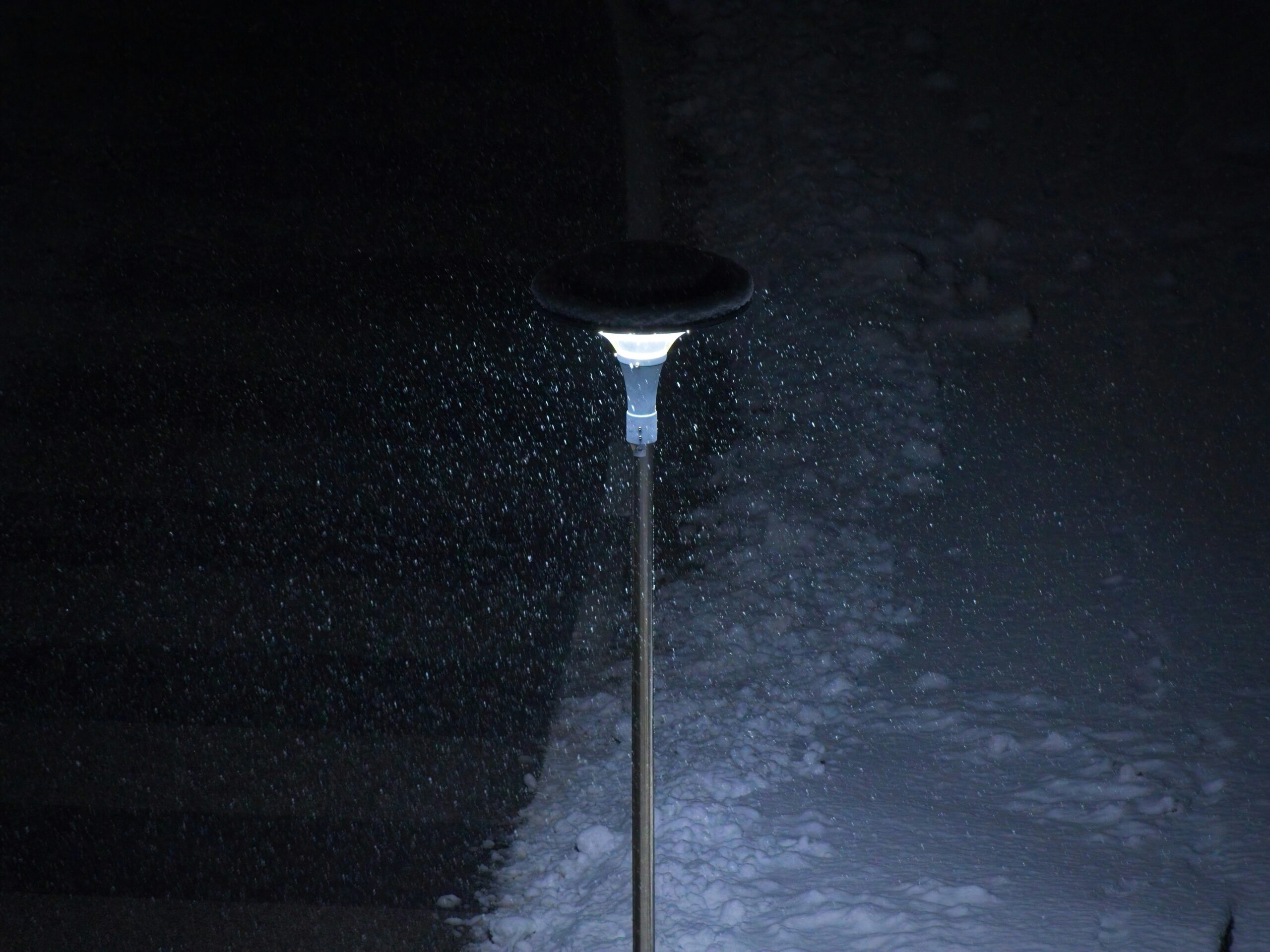
Snow sitting on the panel blocks charging completely. It also adds weight that thin plastic casings were never designed to carry. A heavy snowfall on a cheap solar pathway light bends or cracks the housing and breaks the internal seal. Once that seal goes, the next rainstorm finishes the job.
Ice is worse. If water seeps into a small crack before a freeze, it expands as it turns to ice and splits the casing from the inside. This happens to lights rated for rain all the time in cold climates because the IP rating covers water pressure, not freeze and thaw cycles.
For winter use, choose solar flood lights and solar garden lights with metal casings or high grade ABS plastic. Stainless steel stakes and powder coated aluminum housings handle freeze and thaw cycles far better than the thin plastic on budget lights. After snow falls, clear your panels with a soft dry cloth. Skip metal scrapers completely because scratching the panel surface reduces its charging efficiency and that scratch never heals.
Are Solar String Lights Waterproof Enough for Outdoor Use
Solar string lights are a separate conversation. Most carry an IP44 rating which handles standard outdoor conditions and light rain without issues. They are not built for submersion or prolonged heavy rain exposure and they were never meant to be.
The main thing to watch with string lights is where the water sits. Do not drape them across surfaces where rainwater pools. Keep them off the ground during wet seasons. When you hang them on a fence or pergola, make sure the wire hangs freely so water runs off the fittings rather than sitting inside them. A bit of thought about placement extends the life of solar string lights significantly even in wetter climates.
If you live somewhere genuinely wet, spend the extra amount on IP65 rated solar string lights. They are not dramatically more expensive and they last two to three seasons longer than standard IP44 versions in high rainfall areas.
What to Actually Look for When Buying Waterproof Solar Lights
Ignore anything on packaging that says “weather resistant” or “suitable for outdoor use” without a certified IP number. Those phrases mean nothing. Any manufacturer prints them on any product regardless of actual water protection.
Look for these things specifically:
- A confirmed IP65 rating or higher for any light sitting in a fully exposed position.
- Stainless steel or powder coated aluminum casing for coastal gardens and high humidity areas.
- Rubber gasket seals around the battery compartment cover rather than plain screw caps.
- Monocrystalline solar panels which hold up better through temperature changes and moisture than polycrystalline versions.
- Lithium-ion batteries which resist cold and damp conditions better than NiMH alternatives over time.
Paying a little more upfront for properly rated solar pathway lights or solar flood lights means you are not replacing them every single season. Budget lights with no IP rating cost less at the register and cost more over two years because they fail faster and need replacing sooner.
To understand the full purpose of solar lights and how they’re designed to work, What Is the Purpose of Solar Lights? Everything You Need to Know
Simple Habits That Protect Your Solar Lights in Wet Weather
You do not need to do much. A few minutes every couple of months keeps water from quietly destroying your lights from the inside:
- Check battery compartment seals at the start of each wet season for cracks or gaps.
- Wipe the solar panel with a dry cloth after unusually heavy rain or hail.
- Apply a thin line of silicone sealant around any compartment cover showing early crack signs.
- Clear snow off panels gently after snowfall using a soft cloth.
- Bring decorative solar string lights and low rated accent lights indoors during serious storms.
- Store any light rated below IP44 indoors through the harshest winter months.
None of this takes long and each habit adds real time to the life of your lights.
Summary
Most solar lights are water resistant, not fully waterproof. The IP rating tells you exactly what level of protection you are getting. IP44 handles everyday outdoor use fine. IP65 and above handles heavy rain, storms, and exposed positions. Check battery compartment seals regularly, clear snow off panels quickly, and choose metal or high grade plastic casings for cold climates. Buying the right IP rating from the start saves money and avoids the frustration of replacing lights every single season.