Table of Contents
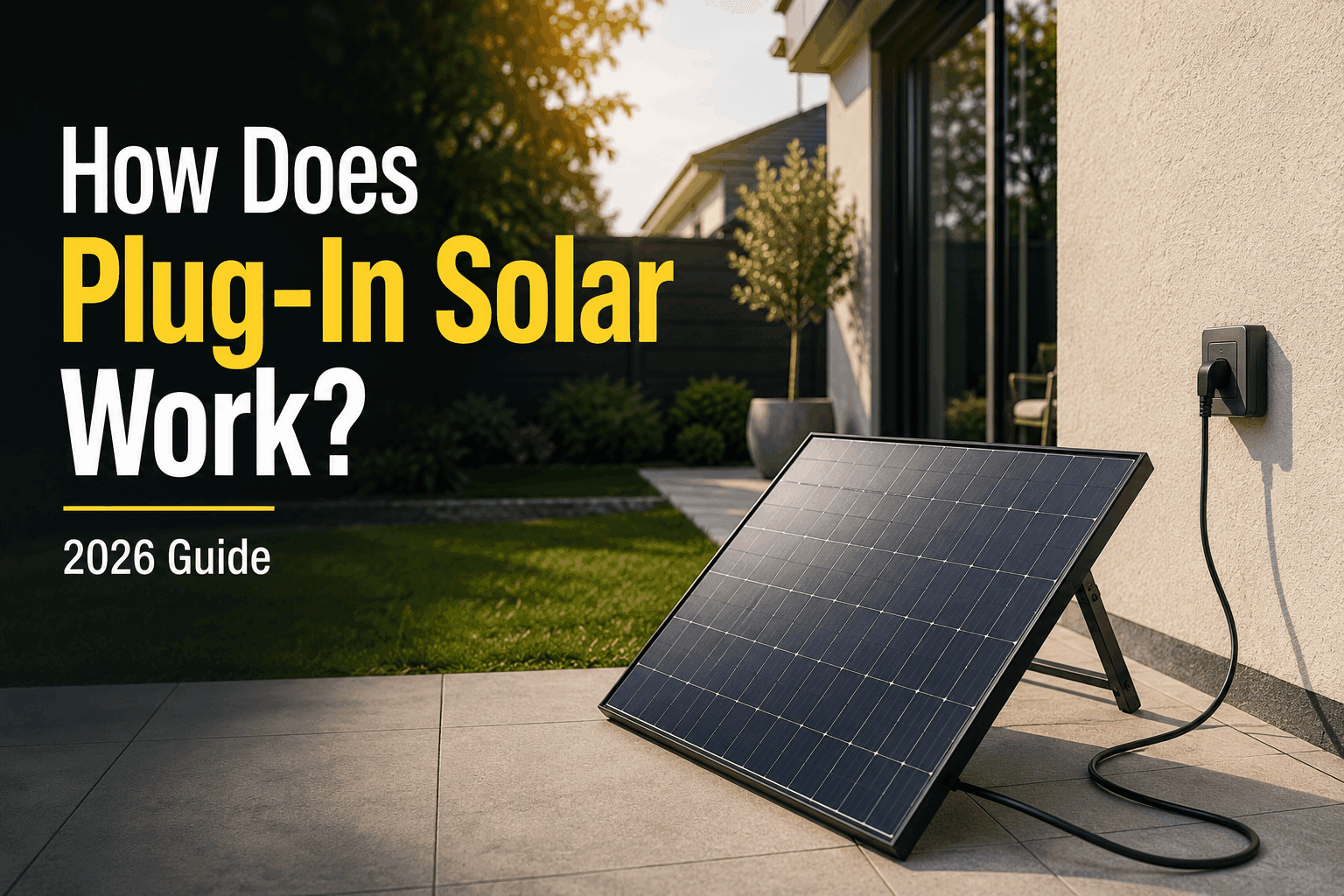
Plug-in solar panels turn sunlight into electricity and feed it straight into your home through a normal wall socket. A small panel catches the sun, a microinverter turns that power into the same alternating current your outlets already use, and the electricity flows into your home’s wiring the moment you plug in. No roof work. No electrician standing in your kitchen for a week. No calls to the utility asking for permission you might never get.
This is the short version. The longer version depends heavily on where you live. A kit fully legal to install yourself in Utah is currently against the rules in Sydney, and a kit legal in Germany for years still isn’t allowed to connect to the grid in Toronto. This guide covers both: the mechanism, and the legal reality in the US, UK, Australia, and Canada.
Quick Answer
- How it works: a panel makes DC electricity, a microinverter converts it to AC, and a cable feeds it into your home through a wall outlet.
- Is it legal: depends on your country. Most of the US allows it, the UK opens fully to DIY installs on August 27, 2026, and Australia and Canada currently block grid-connected use.
- What it costs: roughly $400 to $800 for a basic kit in the US and Australia, more in markets without a mature retail supply chain, like Canada.
- Is it safe: certified kits include anti-islanding technology, which cuts power the instant you unplug, and run on a dedicated circuit.
How Plug-In Solar Works, Step by Step
Strip away the marketing language and plug-in solar comes down to four steps.
- Sunlight hits the panel. The photovoltaic cells inside convert light into direct current (DC) electricity, the same basic process every solar panel uses, whether it sits on a roof or a balcony rail.
- The microinverter converts it. This is the part doing the real engineering. It takes the DC power and turns it into alternating current (AC), matched to your home’s voltage and frequency, so it behaves like any other electricity in your walls.
- The cable feeds it into your wall socket. Instead of running through a breaker panel like rooftop solar, the power enters through a standard outlet, using a cable and plug built for the job.
- Your home uses it first. Whatever draws power at that moment, your fridge, your Wi-Fi router, a lamp, pulls from the panel before it pulls from the grid. Excess sunlight going unused simply doesn’t get captured. There’s no storage without an added battery, and nothing gets sold back to the utility.
Think of it less like a power plant and more like a committed extension cord that happens to make its own electricity.
What’s Inside a Plug-In Solar Kit
Most kits ship with five parts:
- One or two solar panels, usually rated between 200W and 450W each
- A microinverter, mounted on or near the panel, that handles the DC-to-AC conversion
- A weatherproof cable running from the microinverter to your outlet
- Mounting hardware, brackets, rails, or straps, built for a balcony railing, wall, fence, or the ground
- A plug matched to your country’s socket standard
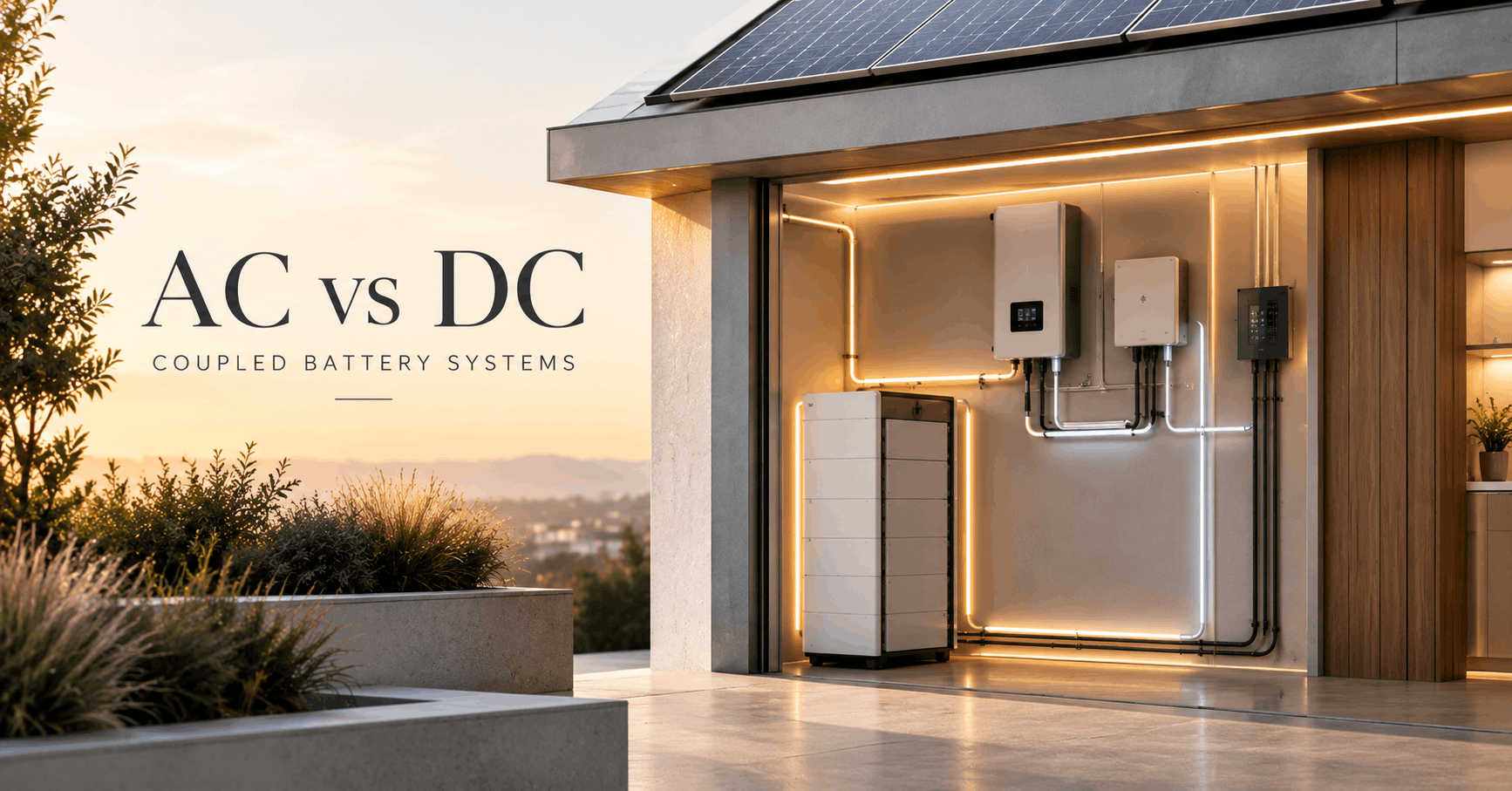
Some kits now bundle a small battery, which lets you store daytime power for evening use instead of losing whatever you don’t consume in real time. Adding a battery to a plug-in system usually needs a DC-coupled unit built for the job, not a generic power bank, since the microinverter and battery need to communicate correctly.
What It Powers, and What It Doesn’t
A plug-in system tops out well below what a rooftop array produces. Depending on the country and its wattage cap, output typically runs between 200W and 2,000W. Compare that with a typical rooftop installation, running anywhere from 3,000W up to 9,000W or more.
That output covers your baseline load, the electricity your home draws around the clock no matter what you’re doing: your fridge, your router, standby power on the TV, a few lights. It isn’t enough to run a washing machine, a dishwasher, or an air conditioner on solar alone, though it trims what the grid needs to supply while those appliances run.
If your goal is knocking real dollars off your baseline draw, a plug-in system delivers. If your goal is going fully off-grid, you’re looking at the wrong technology.
Is Plug-In Solar Safe?
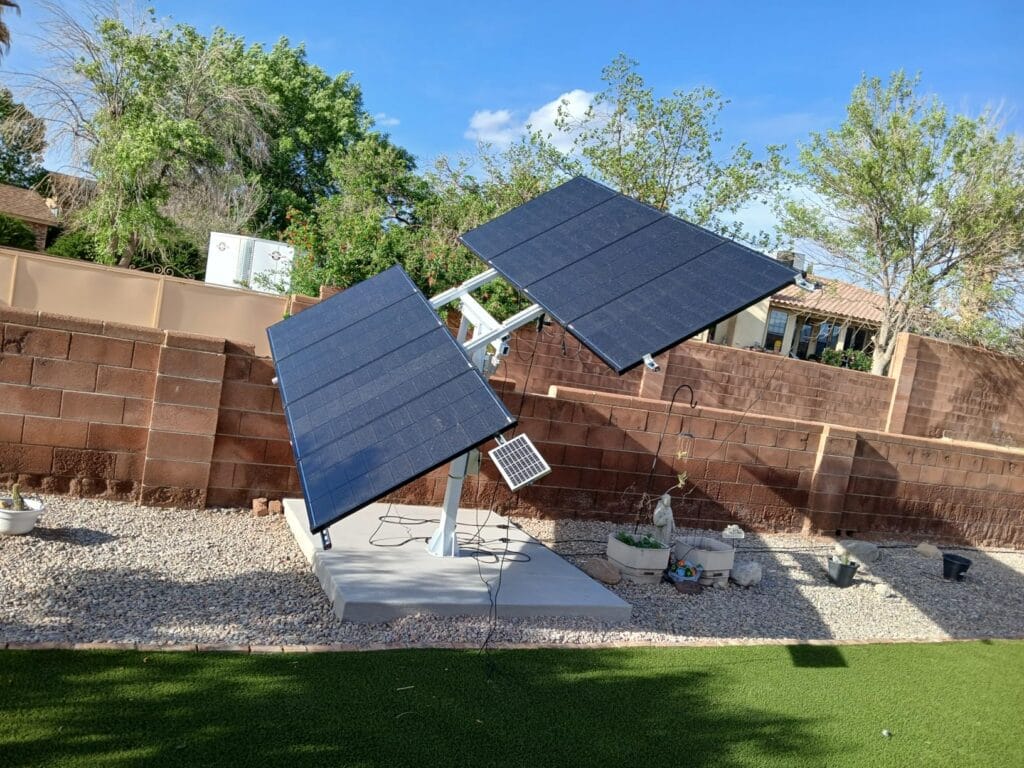
This is the question keeping regulators up at night, and it’s a fair one. Feeding electricity into a socket designed to draw power, not send it, sounds risky on paper.
Certified systems solve this with anti-islanding technology. The instant you unplug the panel, or the moment the grid goes down, the system shuts off power generation automatically. Pull the plug and it’s dead within a fraction of a second, safe to touch, no live current waiting to surprise you.
Reputable kits also specify a dedicated circuit rather than sharing an outlet already loaded with other appliances, which keeps the wiring from carrying more current than it’s rated for. Standards bodies are catching up too. UL Solutions launched UL 3700 for plug-in systems in the US in January 2026. The UK folded plug-in solar into BS 7671 Amendment 4. Australia and Canada haven’t published an equivalent yet, and that gap is a real part of why grid-connected use remains blocked in both countries.
Research from Berlin’s HTW technical university, tracking certified 800W German systems, found no meaningful rise in fire risk or conductor temperature under normal use. Uncertified imports and improvised setups are a different story entirely, and the honest safety advice stays simple: buy a kit built for your country’s standard, not whatever’s cheapest on an overseas marketplace.
Is Plug-In Solar Legal?
Here’s where plug-in solar gets complicated, and where a single global answer doesn’t exist. Four countries, four different rulebooks. The short version: the US is a patchwork moving fast, the UK has finished writing its rules, and Australia and Canada haven’t opened the door yet. Here’s what applies in each, as of this writing.
United States

There’s no federal ban on plug-in solar. What decides whether you need paperwork is your state and your utility.
Utah went first, passing plug-and-play legislation in 2025 that lets residents install systems up to 1,200W without an interconnection agreement or utility fees. Since then, at least eight states have signed similar bills into law: Colorado, Connecticut, Maine, Maryland, New Hampshire, Utah, Vermont, and Virginia. Colorado’s law is the most generous so far, allowing up to 1,920W and explicitly barring HOAs and landlords from blocking qualifying systems. Maine splits its rules into tiers: systems under 420W need no notification at all, while larger ones up to the 1,200W cap require a licensed electrician and a utility notice within 30 days. Maryland’s law took most of its effect in July 2026. Virginia’s renter protections begin January 2027.
New York and New Jersey have both passed plug-in solar bills and are waiting on their governors’ signatures, and roughly two dozen more states have introduced similar legislation without passing it yet.
UL Solutions’ UL 3700 standard, published in January 2026, gives manufacturers a national safety benchmark to certify against, and it’s becoming the baseline most new state laws point to.
In states without explicit legislation, plug-in solar sits in a gray area. It isn’t illegal outright, but outdated interconnection rules written for large rooftop arrays technically still apply, and some utilities enforce them.
If you’re shopping for a kit, checking your specific state’s current status matters more than any general rule, since new bills pass every few months.
United Kingdom

The UK’s story has two dates, and mixing them up is the most common mistake in coverage of this topic.
The first is April 15, 2026, when BS 7671 Amendment 4 came into force. This created Section 745, a new part of the UK wiring regulations covering small-scale generation up to 800W. It made a hardwired, electrician-installed plug-in setup legal for the first time.
The second, and the one most people mean when they ask whether plug-in solar is legal in the UK, is August 27, 2026. That’s when SI 2026/848 takes effect, amending the Plugs and Sockets etc. Regulations to allow the DIY route itself: plugging a certified kit straight into a normal socket yourself, with no electrician required for that step.
The specification caps output at 800VA, close to but not identical to 800W, with up to 2,000W of panels feeding it, a BS 1363 plug fitted with a 5A fuse, and one device per household. You’re still required to notify your District Network Operator, the company managing your local grid, within 28 days of connecting, under G98 rules. Skip this step and your DNO is entitled to disconnect you.
One caution worth knowing: several kits already sold in the UK, including popular battery-included models, were built to an earlier interim specification that was PV-only, with no storage. Whether today’s retail kits fully match the finalized rules matters more than the marketing on the box. Check for BS 1363 and G98 compliance before buying, not after.
The UK’s Department for Energy Security and Net Zero has framed the change as opening solar access to households that can’t do rooftop installs, mainly renters and flat owners.
Australia

Plug-in solar isn’t legal for grid-connected use in Australia, not yet.
The blocker isn’t politics so much as paperwork. Every grid-connected solar system needs to meet AS/NZS 4777.1 (grid-connected equipment) and AS/NZS 5033 (installation), and neither standard currently accounts for a plug-and-socket form factor. A compliant plug-in kit, in the technical sense the rules require, doesn’t exist on the Australian market yet.
That’s under active review. Victoria ran a public inquiry into apartment and balcony solar, with submissions closing in February 2026, and a government report with policy recommendations is due in September 2026. Industry voices, including Anker SOLIX and homegrown manufacturers, are pushing for the same kind of standards update Germany and the UK have already gone through. One distribution network operator, Powercor, has said it will approve any product meeting Australian standards and clearing the Clean Energy Regulator, once those standards exist.
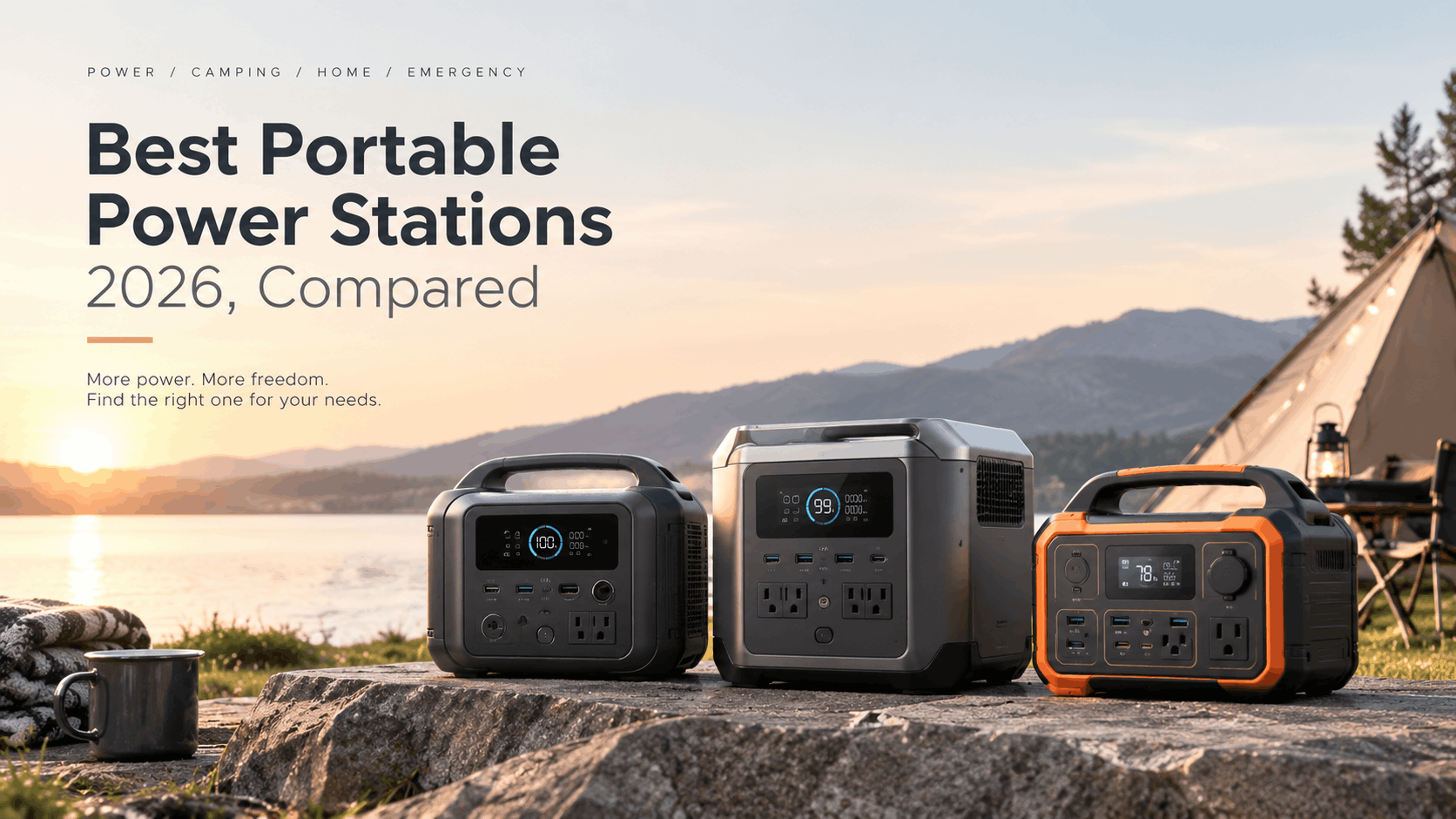
Until then, the legal way to get a similar result is a portable power station paired with a portable solar panel, an EcoFlow, Jackery, Anker SOLIX, or Bluetti setup, for instance. Since the battery isn’t hardwired to your home’s grid connection, none of the interconnection rules apply. You lose the plug-it-in-and-forget-it simplicity, but you stay on the right side of the law.
Canada

Canada sits in a similar spot to Australia, blocked less by opposition and more by a standards gap nobody has closed yet.
The Canadian Electrical Code’s Section 64 governs every grid-connected generating device, from a ten-panel rooftop array down to a single balcony panel, and it requires hardwired installation with permits and a licensed electrician across the board. It makes no distinction for something small enough to unplug and take with you.
CSA Group, Canada’s product safety certification body, has confirmed the complete plug-in configuration doesn’t fall within its current certification scope. Panels and microinverters individually meet Canadian standards, CSA C61215 for panels and CSA C22.2 No. 107.1 for microinverters, but nothing certifies the plug-in setup as a whole, and there’s no Canadian equivalent to UL 3700.
An advocacy campaign is now pushing province by province, and federally, for a CSA standard and a Code amendment allowing simplified interconnection for certified systems up to 1,200W. Until that lands, importing or plugging in a European or American kit puts you offside the Code, with real insurance and liability exposure if something goes wrong.
The same off-grid battery workaround used in Australia applies here too: a portable panel charging a portable power station, sidestepping the grid-connection rules entirely.
What It Costs, and How Fast It Pays Back
Prices vary by market, largely because retail supply chains sit at different stages of maturity.
In the US, a basic one or two-panel kit typically runs $400 to $800, with a payback period ranging from around two years in high electricity cost states to closer to five years elsewhere, per figures from Solar United Neighbors and Bright Saver. Australian kits land in a similar range, roughly $400 to $800 AUD for a single panel and up to $1,500 AUD for a dual-panel setup, per pricing tracked by Why Solar.
The UK picture is less generous right now. Without a battery, realistic annual savings sit closer to $50 to $110 (roughly £40 to £85), and payback stretches past five years, sometimes into the ten-year range, since 800VA of generation covers only a slice of typical household consumption.
Canada is the outlier. With no domestic retail market and no certified path to install one, importing a kit typically runs $2,000 or more once shipping, duty, and grey-market risk get factored in, several times the going rate in markets where the supply chain already exists.
None of these figures account for a battery, which raises upfront cost but meaningfully improves how much of your own generation you use in practice.
Plug-In Solar vs. Rooftop Solar
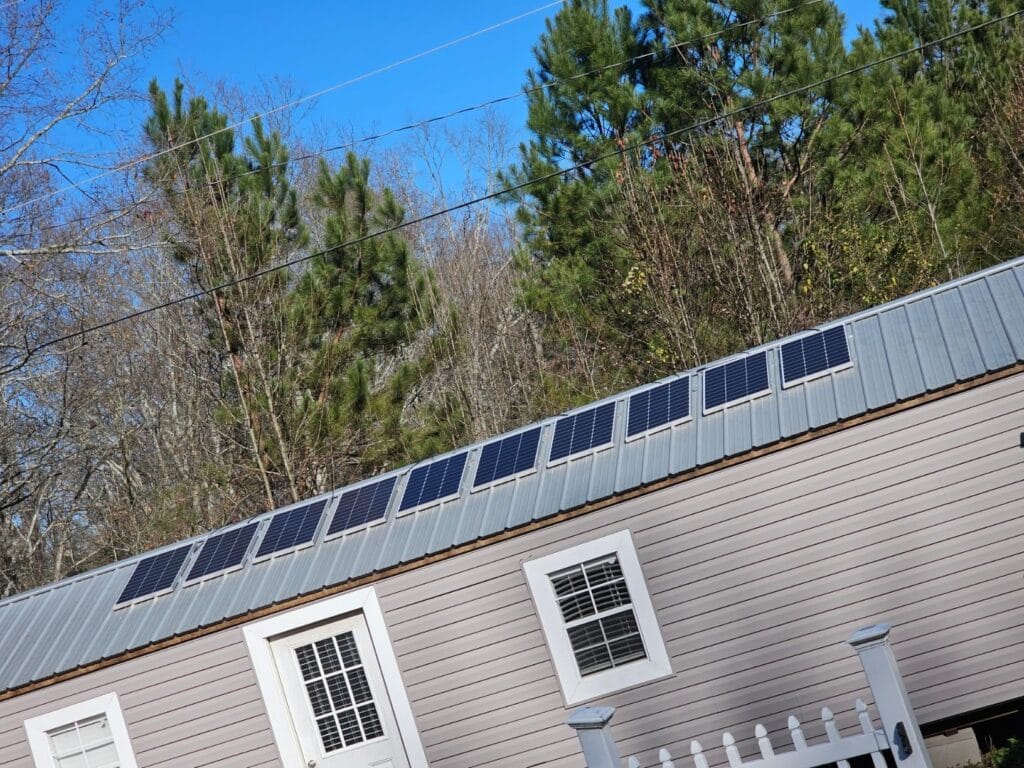
Short version: one is an appliance, the other is a construction project.
| Plug-In Solar | Rooftop Solar | |
|---|---|---|
| Installer | Yourself, in most markets | Licensed installer |
| Typical output | 200W to 2,000W | 3,000W to 9,000W+ |
| Battery | Optional, needs a matching DC-coupled unit | Widely available, integrates directly |
| Selling power back | Not eligible in most markets | Eligible for export tariffs where available |
| Best for | Renters, apartments, unsuitable roofs | Homeowners with a suitable roof |
| Upfront cost | Roughly $400 to $2,000+ | $10,000 to $30,000+ |
| Portability | Unplug it and take it with you | Fixed to the property |
Rooftop solar wins on raw output and long-term return, for anyone with a sun-facing roof and the upfront budget to match. Plug-in solar wins on everything else: cost, speed, and access for renters and apartment residents locked out of rooftop solar entirely.
Who Plug-In Solar Fits Best
It fits three situations well. Renters and apartment residents wanting to lower a bill without owning the building. Homeowners whose roof faces the wrong direction, sits shaded, or isn’t structurally ready for a full array. And anyone wanting a low-commitment way to try solar before deciding whether a rooftop system makes sense down the line.
It fits poorly as a full replacement for grid power. Nobody runs a house, air conditioner and all, off two balcony panels, and marketing that suggests otherwise deserves the skepticism it gets. Treat it as a way to trim your baseline draw, not as an off-grid solution, and it does exactly what it promises.
FAQS
Does plug-in solar work on cloudy days?
Yes, though output drops. Panels still generate power from diffuse daylight, at a reduced rate compared with direct sun.
Do I need a special outlet?
Most markets require an outdoor-rated, dedicated outlet rather than sharing one already carrying other loads. The UK’s new rules specify a BS 1363 socket protected by an RCBO.
Will it damage my home’s wiring?
Not if it’s a certified kit, installed on a dedicated circuit, and kept within its rated wattage. Uncertified or DIY-modified setups are where the real risk lives.
Does it work alongside an existing rooftop system?
Technically yes, though there’s little point. If you already have rooftop solar, a plug-in panel adds complexity without adding meaningful output.
What happens during a power outage?
Anti-islanding shuts the system down automatically. It won’t power your home during a blackout unless it’s paired with battery storage built for that purpose.
Is plug-in solar worth it?
For renters and apartment residents with no rooftop option, yes, it trims a real bill for a modest upfront cost. For homeowners with the option to install a full rooftop system instead, rooftop solar delivers a better return over time.
Summary
Plug-in solar panels generate DC electricity, convert it to AC through a microinverter, and feed it into your home through a standard wall outlet, with no roof work or electrician needed for the basics. Legal status depends on your country. Most of the US allows it, the UK opens fully to DIY installs on August 27, 2026, and Australia and Canada block grid-connected use while regulators catch up. Expect $400 to $800 for a basic kit in mature markets, a few hundred watts of output, and a system built to trim your baseline electricity draw, not replace the grid.