
Table of Contents
My Shaded Garden Finally Grew Real Vegetables With Solar Lights
When I Stopped Accepting Shade
My backyard was mostly shaded. Big trees everywhere. I planted vegetables anyway thinking they’d somehow work. They didn’t. Tomatoes stayed tiny. Lettuce got leggy. Nothing thrived. I accepted the shade as a limitation. Then I read about solar grow lights for plants and thought why not try. Installed a few panels with LED lights and something amazing happened. My plants exploded with growth. Actual vegetables started appearing. That change made me realize I’d been accepting failure unnecessarily.
The first season with solar plant lights, I got more tomatoes than I could eat. My shaded garden zone suddenly produced. The difference between struggling plants and thriving plants is just light. That sounds simple but it changed everything about how I garden.
Why Plants Need The Right Light
Plants need light for photosynthesis. That’s the process where they turn light into energy. Without enough light, photosynthesis doesn’t happen well. Plants get weak. They grow slowly. They don’t produce fruit or flowers properly. Shaded areas don’t have enough light for many vegetables.
Solar grow lights solve this by providing targeted light where your plants actually grow. Not the whole yard. Just where your vegetables are. This means you get light exactly where you need it most.
Light spectrum matters too. Different light colors do different things. Blue light encourages foliage growth. Red light helps flowering and fruiting. Good solar plant lights use full spectrum LEDs that provide both wavelengths. Your plants get complete light nutrition.
What Solar Lights For Plants Actually Do
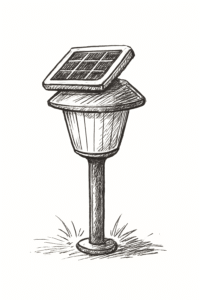
Solar panels charge during the day from sunlight. They store that energy in batteries. LED grow lights turn on at night or during dark hours. The plants get supplemental light without electricity bills. The whole system is self-contained and runs on free solar energy.
Modern systems like OmniPV SOL-GROW provide six hours of supplemental lighting nightly. The lights have sensors that detect darkness automatically. They turn on when needed. Turn off when not needed. No manual switches required.
Full spectrum means the lights provide wavelengths plants actually use for growth. Not wasted colors. Not too much heat. Just the right light frequencies. Your shaded tomatoes get the light they need to produce fruit.
The best part is zero electricity cost. You’re converting free sunlight into useful plant light. No utility bills. No trenching. No expensive electrician visits.
Real Gardeners Using Solar Plant Lights
A gardener in deep shade created a vegetable garden that actually produces now. She grows lettuce, tomatoes, peppers in an area that previously grew nothing useful. Three years in and her production rivals sunny gardens.
A homeowner with dense tree coverage installed solar lights around his vegetable beds. His yields increased dramatically. Same plants. Same soil. Only difference is proper light. Now he’s the neighborhood vegetable guy.
A farmer with limited sunny space uses solar grow lights on specific plant rows. Targeted light on high-value crops. The investment pays back in increased production.
A community garden group in a shaded area installed solar lights. Previously unused space now grows food. The lights transformed impossible shade into a productive garden.
How Solar Plant Lights Compare To Alternatives
Regular grow lights need electricity. You’re adding to your power bill. Solar lights need free sunshine. Your bill stays the same.
Expensive trenching for wired outdoor lighting costs thousands. Solar lights mount above your plants. No digging. No professional installation needed.
Inadequate sunlight means relocating your garden. Solar lights let you garden where you want. No more moving plants around chasing sun.
Manual hand watering and care becomes easier under proper light because plants grow vigorously. Strong plants are healthier plants.
2026 Solar Plant Light Technology
- Full spectrum LEDs are now standard. They provide optimal wavelengths for growth without wasted energy.
- LiFePO4 batteries last thousands of charge cycles. These batteries are durable and safe compared to older battery types.
- Adjustable mounting lets you position lights at the right height for your plants. As plants grow, you adjust. Perfect coverage always.
- Weatherproof IP65 and IP67 ratings mean your lights survive rain, snow, extreme heat. Garden conditions don’t damage them.
- Motion sensors on some models save battery. Lights brighten when movement detected. Dimmer when no activity. Smart power management.
- WiFi connectivity on premium models lets you control lights from your phone. Check battery status. Adjust brightness. All remotely.
Real Advantages Of Solar Plant Lights
- No electricity bills. Free light from the sun forever.
- Shade areas become productive garden space. Plant what you want where you want.
- Plant growth accelerates dramatically. Better light means better growth.
- Faster flowering and fruiting. Your vegetables produce quicker.
- Minimal maintenance required. Clean panels occasionally. Replace batteries every several years.
- Weatherproof design means they work year-round. Rain, snow, heat all handled.
- Scalable system. Start small. Add more lights as budget allows.
- Environmentally clean. No fuel. No emissions. Pure solar power.
Real Disadvantages Of Solar Plant Lights
- Upfront cost exists. Good systems cost three hundred to one thousand dollars. Real money for some budgets.
- Cloudy regions charge slower. You need larger systems or backup batteries.
- Battery replacement every five to ten years costs money. LiFePO4 batteries aren’t cheap.
- Installation requires basic knowledge. You need to understand light positioning and height.
- Placement matters. Plants need proper distance from lights. Too close causes damage. Too far reduces effectiveness.
- Durability depends on quality. Budget models fail faster than premium options.
- Seasonal adjustment needed. Summer requires different positioning than winter.
- Not suitable for all plants. High-light crops in deep shade still struggle.
How To Make Solar Plant Lights Work For Your Garden
- Identify what you want to grow. Some plants need more light than others. Tomatoes need high light. Lettuce tolerates lower light.
- Position lights above your plants at the right height. Manufacturer recommendations exist for this. Follow them.
- Use full spectrum LEDs. They provide the light your plants need for both foliage and fruit production.
- Keep panels clean. Dust reduces charging efficiency. Monthly cleaning maintains performance.
- Check battery status occasionally. Most systems show charge levels. Replace batteries when performance drops.
- Adjust light positioning as plants grow. Taller plants need lights higher up. Maintain proper distance.
- Monitor plant response. Are they growing? Producing? Adjust accordingly. Every garden is slightly different.
- Use timers if your system has them. Consistent daily light schedules help plants thrive.
Brands Worth Considering
- OmniPV SOL-GROW provides full spectrum plant-specific light with LiFePO4 batteries rated for over three thousand charge cycles. Professional quality.
- Pure Garden makes affordable solar plant lights with automatic sensors. Good for starting out.
- Growspace offers modular systems you can expand. Start small, grow big as your garden grows.
- Rippled Solar Garden Lights work well for bed edges. Magnetic design lets you position easily.
- Sunpack provides grow light systems with excellent coverage. Higher price but professional results.
Summary
Solar plant lights solve shade garden challenges by providing full spectrum LEDs powered by free solar energy. The author’s transition from accepting shade failure to growing thriving tomatoes and vegetables demonstrates immediate productivity improvement. Light spectrum matters for plant growth with blue wavelengths promoting foliage and red wavelengths enabling flowering and fruiting. Real gardeners in deep shade now produce vegetables matching sunny garden yields through supplemental solar light. Automatic sensors activate lights during darkness. Weatherproof IP65/IP67 ratings survive rain and extreme weather. Premium models feature WiFi monitoring for remote battery status checks.