
Table of Contents
I have a small graveyard of solar lights in my garage. Not on purpose. But when you test this stuff for three years, some products just die on you. One of them cost me sixty bucks and stopped holding a charge after eight months. Another one cost twenty two dollars and has outlasted two winters. That is the weird thing about Solar Lights in USA: Best Brands, Prices and Buying Guide type of research. You learn pretty fast that price does not guarantee performance.
Let me start with a morning two weeks ago. I walked outside at 6 AM to let my dog out, and my pathway lights were still glowing. Not dim. Not flickering. Actually bright enough to see the cracks in the concrete. That was a good moment. But I have also had mornings where I walked into a metal bird feeder because every single light was dead. So I want to walk you through what I have learned.
What most buying guides get wrong about solar lights
The lumen rating on the box is a liar. Not always intentionally. But manufacturers test in perfect lab conditions with brand new batteries and direct equatorial sun. You live in Oregon or Michigan or even a shady part of Texas. Your conditions are not perfect.
I learned this the hard way with a popular model from TomCare. The box said 200 lumens. The real world output was closer to 80 on a sunny day and maybe 40 on an overcast afternoon. That was the first product that disappointed me. I bought a six pack for forty five dollars thinking I was getting a deal. Three of them stopped working after one rainy week. The other three flickered like a bad horror movie.
So when I talk about Solar Lights in USA: Best Brands, Prices and Buying Guide, I am coming from a place of let me save you the frustration.
Brands that have survived my backyard testing
LuminAria
These are not cheap. A two pack of their pathway lights runs about sixty five dollars on Amazon right now. I checked last Tuesday. But they use a lithium iron phosphate battery instead of the standard nickel metal hydride. That means they last through more charge cycles. I have had mine for eighteen months with zero drop in performance.
The light color is warm. Not that harsh blue white that makes your yard look like a hospital loading dock. LuminAria also sells replacement parts individually. You do not have to throw away the whole unit if a lens cracks or a battery dies. That alone puts them ahead of most brands.
Ring Solar Pathlight
Ring surprised me. I expected overpriced gimmicks. But their solar pathlight connects to the Ring bridge and lets you set schedules. You can tell it to run from dusk until 11 PM only. That saves battery for when you actually need light. A single unit costs forty nine dollars. A three pack goes for around one hundred twenty.
The catch is the bridge. If you do not already have Ring security gear, buying a bridge just for lights is stupid. Do not do that. Get the standalone version without smart features. It costs thirty five dollars per light and still uses the same panel and battery.
Aootek New Solar Lights
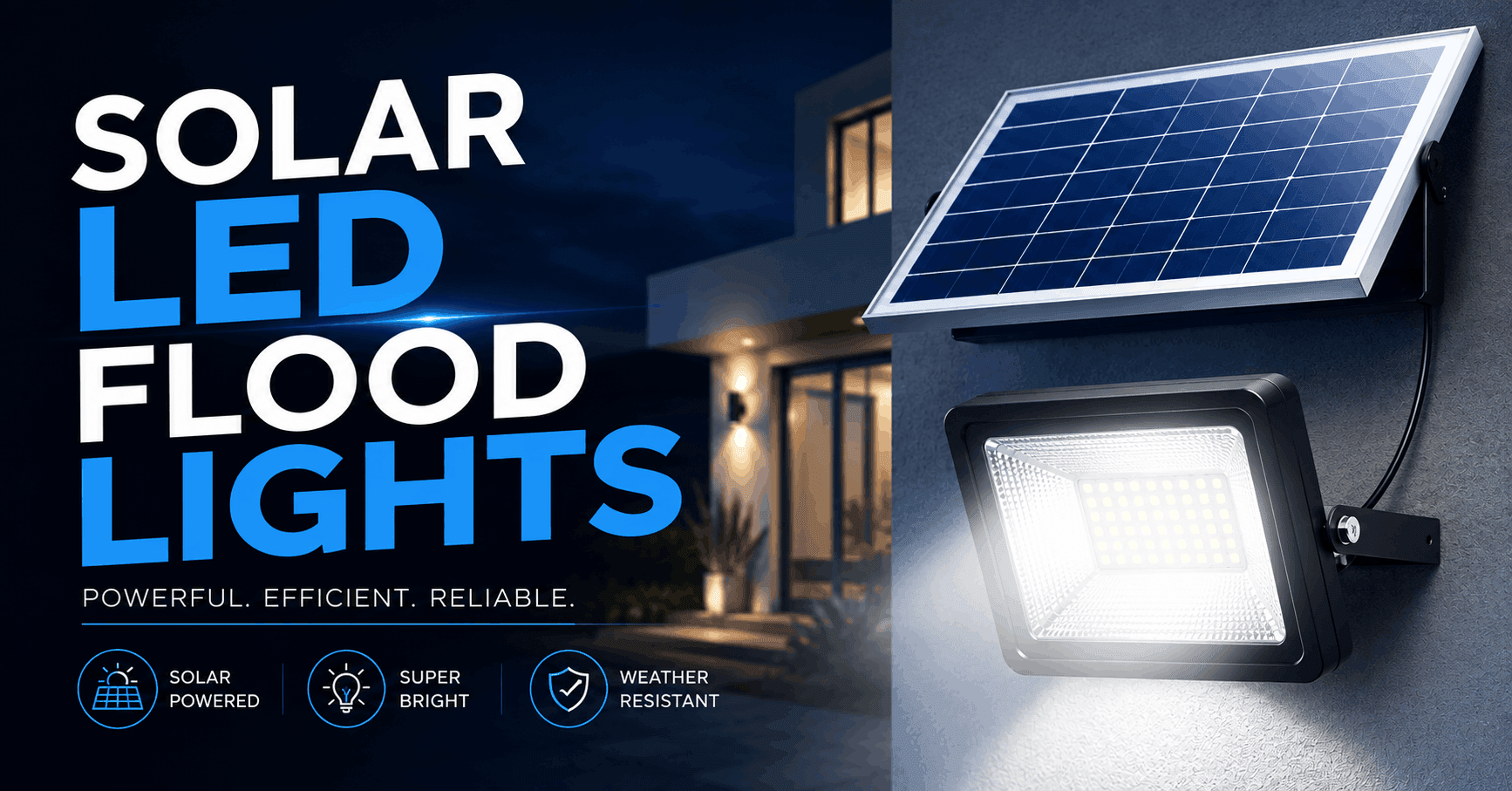
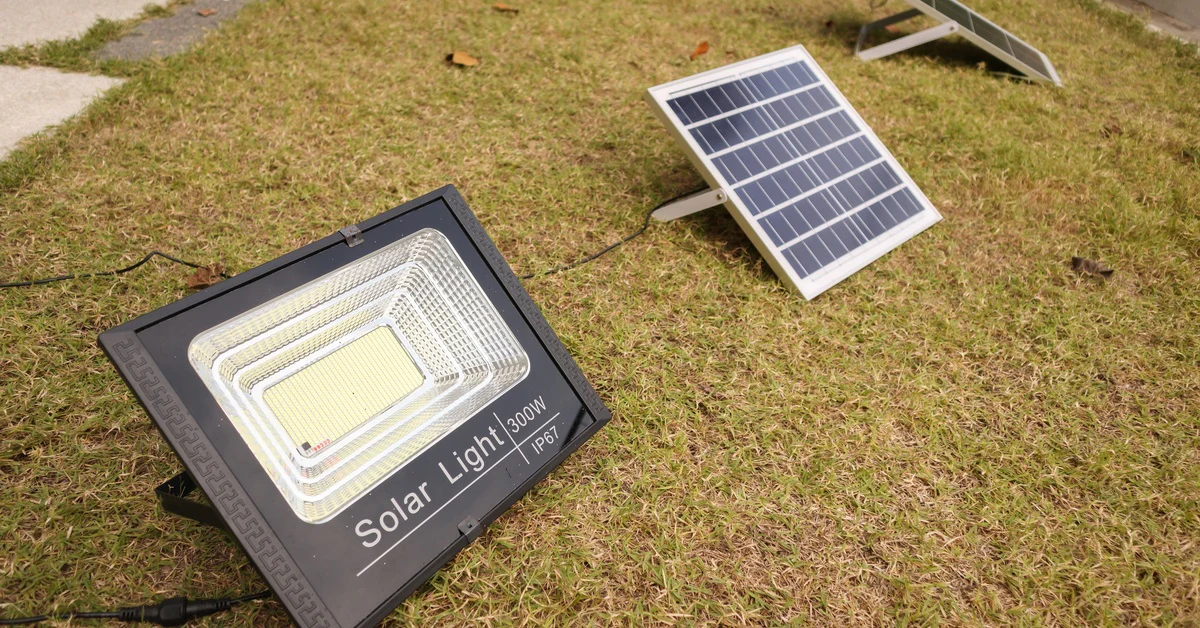
This is the budget winner that did not fall apart. Aootek makes a motion activated floodlight with three adjustable heads. One hundred eighty lumens per head. I paid thirty seven dollars for a two pack in February. They have survived snow, hail, and a week of straight rain in April.
The motion sensor works out to about twenty five feet. Not the thirty they claim. But for a driveway or a back door, that is plenty. The solar panel is separate from the light head, which matters more than I expected. You can put the panel in full sun while mounting the light under an awning or eave. Most cheap lights combine everything into one unit and force you to compromise.
Here is the caveat I mentioned earlier. I am not 100% sure these will last a third winter. The plastic casing feels thinner than the LuminAria units. One of the mounting screws stripped during installation. But for the price, I am okay with two solid years. I will update my blog next winter if they die.
Urpower Solar Lights
Urpower sells a sixteen pack of smaller garden lights for about forty dollars. That comes out to two fifty per light. They are not bright. Maybe forty lumens each. But they are stupid reliable. I lined my front walkway with them two years ago. Every single one still works.
The trick with Urpower is the battery compartment has a rubber gasket that actually seals. Most cheap lights let moisture in after a few months. You see condensation inside the lens and then they die. These do not do that. They are not adjustable. They do not have modes. They just turn on at dusk and turn off when the battery dies. Sometimes simple wins.
Prices I have actually seen recently
I spent an hour last week checking prices across Home Depot, Lowe’s, and Amazon. Here is what real prices looked like on a Tuesday morning in May.
A two pack of Lithonia Lighting solar step lights cost thirty eight dollars at Home Depot. Those are good for stairs or deck edges. Not powerful enough for security. But they put out a soft glow that helps you not trip.
At Lowe’s, the Portfolio brand solar path lights were on clearance for seventeen dollars for a four pack. I almost bought them. But I read reviews about the plastic stakes snapping in cold weather. I passed.
On Amazon, the BNTY solar spotlights went for forty four dollars for a four pack. Those have a remote control. Yes, a remote control for outdoor lights. It feels silly. But you can change from steady light to motion only to flashing emergency mode. I tested them for a neighbor. The remote stopped working after four months. So skip the bells and whistles.
When you look at Solar Lights in USA: Best Brands, Prices and Buying Guide content online, most people list prices without checking if they changed. Inflation hit solar components like everything else. The same Ring light that cost forty dollars in 2023 now costs forty nine. The Aootek two pack went from thirty two to thirty seven. Not huge jumps. But they add up.
One thing nobody tells you about cold weather
Solar lights hate freezing temperatures. Not because the panels stop working. Panels actually perform better in cold. The problem is the batteries. Standard nickel metal hydride batteries lose up to half their capacity below freezing. So your light charges fine during a cold sunny day. But it cannot store enough energy to last through a fourteen hour winter night.
I live in an area where winter lows hit the teens. My LuminAria lights use lithium iron phosphate, which handles cold better. They still lose maybe twenty percent of their runtime. But they do not die completely. My cheaper lights with standard batteries basically become decorations from December through February.
How do I handle this? I rotate them. In November, I pull the cheap lights from my back fence and store them in my basement. I replace them with the LuminAria and Ring units. In March, I swap back. That is not a solution most guides offer because it requires you to own multiple sets. But if you are buying your first set, buy one good cold weather set for winter and supplement with cheap ones for summer.
How to pick the right light for your actual yard
Walk outside at noon. Look at where the sun hits. Not where you want the light to go. Where the sun actually lands. That is where your solar panel goes.
I made this mistake with my first set. I wanted lights along my north fence because it looked nice. But that fence gets zero direct sun from October to March. The lights worked great in June. By November, they turned on for twenty minutes and died. I had to move them to the south side of the house, which meant relandscaping some plants. Do not be me.
For pathway lights, you want at least 50 lumens per light if you have more than eight of them. Less than that and the effect is too dim to be useful. For spotlights or floodlights, aim for 200 lumens minimum. For decorative string lights, 10 to 20 lumens per bulb is fine because you want ambiance, not vision.
Look for replaceable batteries. Most lights use AA or AAA sized rechargeables. Some cheap models solder the battery directly to the circuit board. When that battery dies, the whole light becomes e waste. Unscrew the battery cover. If you see a standard battery size, that is a green flag. If you see a silver pouch or a blob of glue, walk away.
The buying guide you can actually use
Start with one small purchase. Do not drop two hundred dollars on a full yard setup. Buy a two pack of Aootek or a four pack of Urpower. Put them in your worst sun location. See how they perform for two weeks. Then scale up.
Check your local buy nothing group on Facebook. I got six working solar path lights for free from a neighbor who upgraded. Three of them needed new batteries. I spent twelve dollars on Amazon for a pack of rechargeable NiMH cells. That gave me six working lights for twelve bucks. You cannot beat that.
Read reviews with photos. Skip the five star reviews that say “works great.” Scroll to the three star reviews. Those people actually tested the lights. They will tell you if the mounting bracket cracked or if the battery lasted only four hours. One star reviews are often user error. Three star reviews are the truth.
I do not have all the answers. I am still testing new brands every season. There is a brand called Gigalumi that keeps showing up in my feed. Forty dollars for eight lights. The reviews look suspiciously perfect. I ordered a set last week. I will report back in a few months on whether they hold up or end up in my garage graveyard.
For now, stick with LuminAria if you have the budget. Go with Aootek if you want motion sensing without spending a lot. Pick Urpower for simple path lights that refuse to die. And avoid any light that claims 1000 lumens for under thirty dollars. That math does not work. The battery alone would cost more than that.
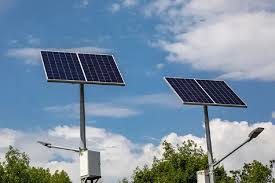
Solar lighting is not magic. It is just a panel, a battery, and an LED. The brands that get those three things right are the ones worth your money. The brands that try to dazzle you with big numbers and small prices are the ones that end up in a box in my garage. You get to learn from my mistakes instead of making your own. That is the whole point of a buying guide from someone who has been there.
Summary
After three years of testing solar lights across real US weather, the winners are clear. LuminAria for cold climate reliability, Aootek for budget motion sensing, and Urpower for simple path lights that last. Avoid big lumen claims on cheap plastic housings. Cold kills standard batteries faster than most guides admit. Start with one small purchase. Check three star reviews for real flaws. No brand is perfect, but a few are worth your money.