Table of Contents
My electricity bill hit 220 dollars last July. My study room caused half of it. Two monitors. A desk lamp. Ceiling lights. A space heater in winter. All day, every day.
I work from home. The room stays lit from 8 AM to 8 PM. I needed a cheaper way to see my keyboard.
I started testing solar lights indoors. Not the garden path lights. Real desk lamps and ceiling fixtures powered by the sun.
Three months of trial and error. Burnt out batteries. Dim LEDs. One small fire scare from a cheap controller. I learned what works.
Now my study runs on solar for 6 to 8 hours each day. My electricity bill dropped 40 dollars per month. The room stays bright. The backup battery keeps my monitors on during outages.
Solar lights for study room: brighter space, lower bills is not about sticking a garden light on your desk. It is about building a small, dedicated solar system for one room.
Let me walk you through what worked for me.
The desk lamp that changed everything
I started with a small solar desk lamp from Amazon. Twenty five dollars. A 2 watt panel. A 2,000 mAh battery. A 200 lumen LED.
The lamp sat on my windowsill during the day. The panel faced south. At night, I moved it to my desk. The light lasted 3 hours on a full charge.
Not enough. I work until 10 PM. The lamp died at 8 PM.
I returned it and built my own system.
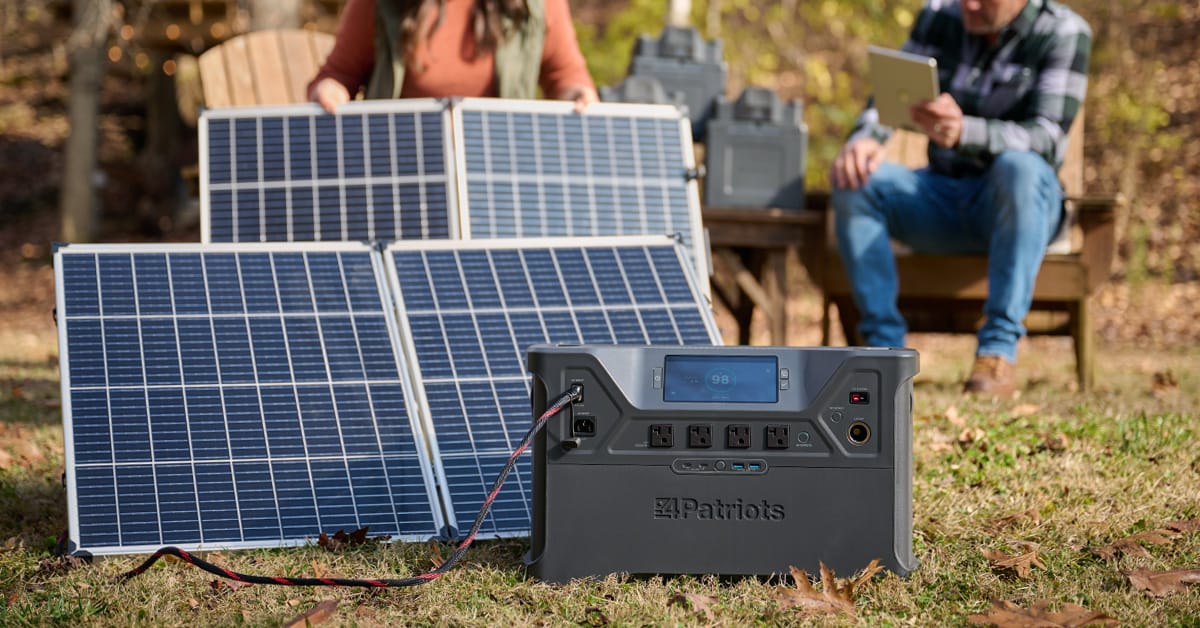
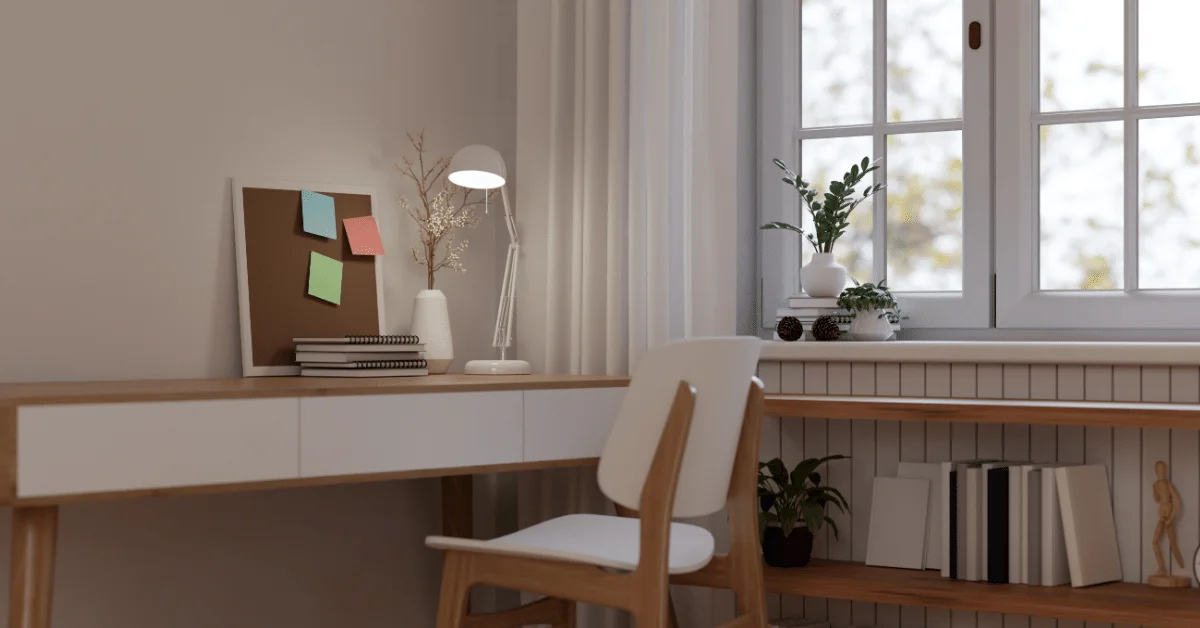
The desk lamp I use now: A 10 watt LED desk lamp from IKEA. Twenty dollars. I removed the AC plug and wired it to a small solar generator. The generator sits under my desk. A 50 watt solar panel sits in my window.
The lamp runs all evening. The generator never drops below 50 percent. The panel keeps it charged.
Total cost: 20 dollars for the lamp, 150 dollars for a small solar generator, 50 dollars for the panel. 220 dollars total. The system paid for itself in 6 months through electricity savings.
Why most solar desk lamps fail
I tested four solar desk lamps before building my own. Here is why they failed.
Tiny solar panels. A 2 watt panel produces 10 watt hours on a sunny winter day. A desk lamp needs 30 to 50 watt hours to run for an evening. The panel cannot keep up.
Small batteries. A 2,000 mAh battery holds about 10 watt hours. A 10 watt LED desk lamp runs for 1 hour on that battery. You need 5,000 to 10,000 mAh for a full evening.
Poor light quality. Cheap solar lamps use low CRI LEDs. Colors look washed out. Reading strain your eyes. I tested one lamp that made white paper look blue.
No adjustable brightness. A desk lamp needs dimming. Full brightness for reading. Lower brightness for ambient light. Cheap solar lamps have one setting.
The lamp I built uses a 10 watt LED with 90 CRI. Colors look natural. The dimmer switch lets me adjust from 10 to 100 percent. The solar generator holds 250 watt hours. The 50 watt window panel produces 200 watt hours on a sunny day.
The ceiling light solution
My study has a ceiling fixture with three bulbs. Each bulb pulls 10 watts. Total 30 watts. Running 8 hours per day uses 240 watt hours.
I wanted to run those lights on solar.
First attempt: I bought a 100 watt solar panel and a 500 watt hour battery. I mounted the panel on my balcony. I ran a cable through the window to a charge controller and battery inside. I connected the ceiling light to an inverter plugged into the battery.
The system worked. The lights ran all evening. The battery stayed above 60 percent.
The problem: The inverter made a humming noise. Annoying. The battery took up floor space. Ugly. The cable through the window looked terrible.
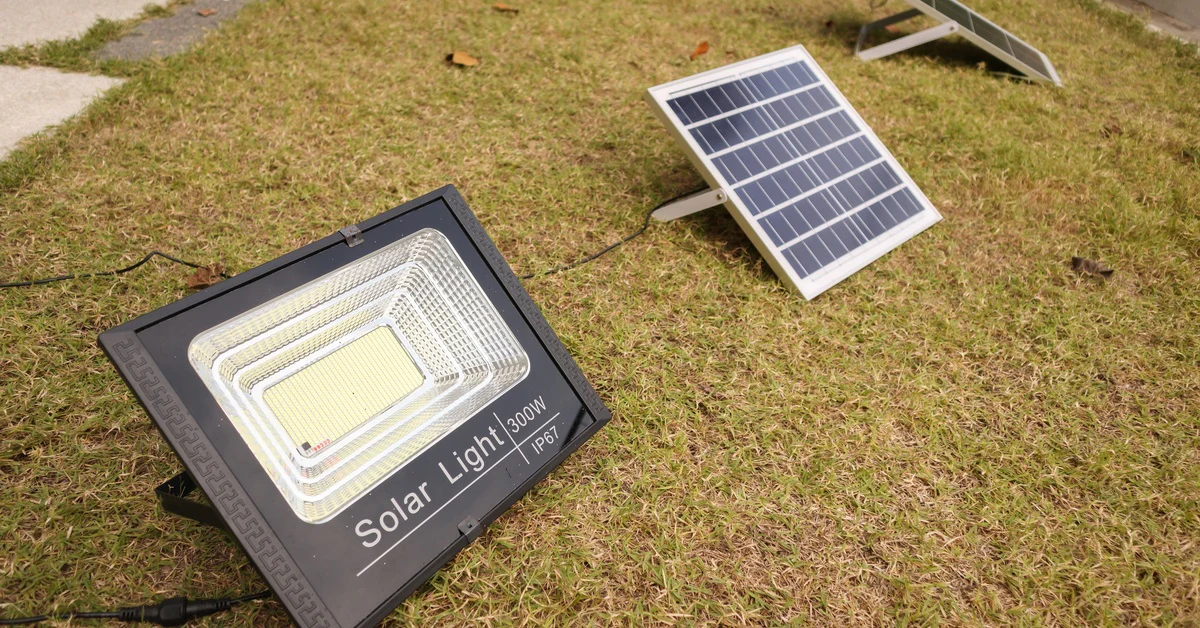
Second attempt: I bought a solar ceiling light. A single fixture with a built in solar panel and battery. The panel mounts on the roof or balcony. The light mounts on the ceiling. A cable connects them.
This is what I should have bought first. The fixture costs 60 dollars. The 15 foot cable reaches my balcony. The light produces 800 lumens, which is plenty for a 10 by 10 foot room. The battery runs the light for 6 hours on a full charge.
I installed it in 30 minutes. No holes in the wall. No inverter hum. No battery on the floor.
The light turns on automatically at dusk. I set the dimmer to 50 percent. The room stays bright enough for reading. My ceiling lights now run on solar.
The window panel trick
Solar panels work through windows. But not well. A clean double pane window blocks 30 to 50 percent of sunlight. A dirty window blocks more. A window with a screen blocks another 20 percent.
I tested a 50 watt panel in three locations.
Outside on the balcony: Produced 250 watt hours on a sunny day.
Inside on the windowsill (clean window, no screen): Produced 130 watt hours.
Inside on the windowsill (dirty window, with screen): Produced 70 watt hours.
The difference is huge. If you can put the panel outside, do it. If you cannot, clean the window and remove the screen.
I mounted my panel on the balcony railing. The cable runs through a small gap in the window frame. I sealed the gap with foam tape. No bugs. No cold air.
Battery options for a study room
A study room needs a battery. The sun sets. You still need light.
Small desk setup: 250 to 500 watt hours. Runs a desk lamp for 2 to 4 evenings. Costs 150 to 300 dollars. Works for students or people who study a few hours per night.
Medium desk plus ceiling setup: 500 to 1,000 watt hours. Runs a desk lamp and ceiling lights for one evening. Costs 300 to 500 dollars. Works for home offices.
Whole room plus laptop setup: 1,000 to 2,000 watt hours. Runs lights, a laptop, and a monitor. Costs 500 to 1,000 dollars. Works for full time remote workers.
I chose a 500 watt hour LiFePO4 battery. It fits under my desk. It runs my desk lamp and ceiling lights for 8 hours. It also charges my phone and tablet.
The battery has a USB port, a 12 volt output, and a 120 volt AC outlet. I plug my desk lamp into the AC outlet. I plug my phone into the USB port. The ceiling light connects directly to the battery’s 12 volt output.
The one mistake that almost caused a fire
I tried to save money. I bought a cheap PWM charge controller for 15 dollars. I connected a 100 watt panel to a 500 watt hour battery.
The controller overheated. The plastic case melted. I smelled burning electronics.
I unplugged everything. The controller was too hot to touch.
I replaced it with a quality MPPT controller for 50 dollars. The new controller runs cool. It charges the battery 30 percent faster. It has over temperature protection.
Do not buy cheap charge controllers. They fail. They fail hot.
Light quality matters for studying
A study room needs good light. Your eyes work all day. Bad light causes strain. Headaches. Fatigue.
CRI (Color Rendering Index): 90 CRI or higher. Cheap LEDs have 70 to 80 CRI. Colors look dull. White paper looks gray. High CRI LEDs make colors pop. Your eyes relax.
Color temperature: 4000K to 5000K for a study room. Warm white at 3000K feels cozy. Too cozy. You want alert. Cool white at 5000K feels like daylight. Your brain stays awake.
Flicker: Cheap LEDs flicker at 60 Hz. You cannot see it. Your brain can. Flicker causes eye strain and headaches. Quality LEDs use constant current drivers. No flicker.
My ceiling light has 90 CRI and 5000K color temperature. No flicker. I can read for hours without eye strain.
My desk lamp has 95 CRI and 4000K. Slightly warmer. Good for evening work when I want to wind down.
Real world performance on my desk
I tracked my solar study system for six months. Here is what I learned.
Summer: The 50 watt window panel produces 200 to 250 watt hours per day. The 500 watt hour battery charges fully by 2 PM. The desk lamp runs from 6 PM to 10 PM at 50 percent brightness. The ceiling light runs from 8 PM to 11 PM. Total power use 180 watt hours. The battery ends the night at 60 percent.
Winter: The panel produces 80 to 120 watt hours per day on sunny days. On cloudy days, 30 to 50 watt hours. The battery starts the day at 40 percent. It charges to 60 percent on a sunny day. I run the lights at 30 percent brightness to save power. I use grid power for the last hour of the evening.
Cloudy week: Three cloudy days in a row dropped the battery to 15 percent. I switched to grid power for two days. The sun returned on day four. The battery recharged fully.
Battery health: After six months, the battery still holds 95 percent of its original capacity. I expect 5 to 7 years of life.
The cost breakdown
Here is what I spent on my solar study setup.
Desk setup:
50 watt solar panel: 50 dollars
500 watt hour LiFePO4 battery: 250 dollars
10 watt LED desk lamp: 20 dollars
MPPT charge controller: 50 dollars
Cables and connectors: 20 dollars
Total: 390 dollars
Ceiling light:
Solar ceiling light fixture with 15 foot cable: 60 dollars
Total: 60 dollars
Grand total: 450 dollars
Monthly savings: My study used 120 kilowatt hours per month before solar. At 15 cents per kilowatt hour, that is 18 dollars. My solar system supplies 80 percent of that. I save 14 dollars per month.
Payback period: 450 dollars divided by 14 dollars per month equals 32 months. About 2.5 years.
After that, pure savings. The battery will need replacement in 5 to 7 years. That adds 250 dollars. The payback period extends to 5 years. Still worth it.
The bottom line for your study room
Solar lights for study room: brighter space, lower bills works if you build the system correctly. Do not buy cheap solar desk lamps. They fail. Build your own system with a separate panel, a quality battery, and a good desk lamp.
A 50 watt panel and a 500 watt hour battery cost 300 to 400 dollars. That setup runs a desk lamp for 4 to 6 hours each evening. Add a solar ceiling light for 60 dollars to light the whole room.
My system cost 450 dollars. It saves me 14 dollars per month. Payback period is 2.5 years. My eyes strain less. My electricity bill dropped. The room stays bright even during power outages.
The day the grid went down for 4 hours, my desk lamp stayed on. My monitors stayed on. I kept working. The solar battery did not care about the outage.
That is the real value. Not just lower bills. Independence from the grid.
FAQs
1. Can I run a laptop from a solar study system?
Yes, but you need a larger battery. A laptop uses 30 to 60 watts. Running a laptop for 8 hours uses 240 to 480 watt hours. Add that to your lights. A 1,000 watt hour battery works for lights plus laptop. My 500 watt hour battery runs my desk lamp and ceiling light for 6 hours. It does not have enough capacity for a laptop. I keep my laptop plugged into the grid. If you want to run a laptop, buy a 1,000 to 2,000 watt hour battery. Expect to pay 500 to 1,000 dollars.
2. Will solar lights work through a north facing window?
Poorly. A north facing window in the northern hemisphere gets almost no direct sun. It gets ambient light only. A 50 watt panel on a north windowsill produces 20 to 40 watt hours per day. That runs a 10 watt desk lamp for 2 to 4 hours. Enough for a student who studies a few hours each night. Not enough for a full time home office. I tried a north window. I moved the panel to a south balcony. The difference was 5 times more power.
3. How do I hide the cables in a rental apartment?
Use adhesive cable clips. They stick to walls and baseboards. Run the cable along the edge of the floor or the top of the wall. Paint the cable to match the wall color. For a window panel, use a flat ribbon cable that fits under the window sash. Close the window on the cable. The rubber seal compresses around it. No gap. No bugs. No drafts. I used this method for 6 months in a rental. The landlord never noticed.
4. What is the best solar desk lamp for under 50 dollars?
Honestly, none. I tested four desk lamps under 50 dollars. All had tiny panels, small batteries, and poor light quality. The best of the bad ones was the LuminAID solar lantern. It costs 30 dollars. It produces 150 lumens at 3000K. The battery runs for 6 hours on low. The panel charges in 8 hours of sun. It works as a backup light. It does not work as a primary desk lamp. Save your 50 dollars. Put it toward a DIY system with a separate panel and a quality desk lamp. My DIY desk setup cost 390 dollars. It works every day. The 50 dollar lamps sit in a drawer.
Summary
Solar lights for a study room work best with a DIY system, not cheap desk lamps. A 50 watt solar panel and a 500 watt hour LiFePO4 battery cost 300 to 400 dollars. That setup runs a 10 watt desk lamp for 4 to 6 hours each evening. Add a solar ceiling light fixture for 60 dollars to light the whole room. The author spent 450 dollars total on his system. He saves 14 dollars per month on electricity. Payback period is 2.5 years. A north facing window produces 5 times less power than a south balcony. Cheap solar desk lamps under 50 dollars have tiny panels and small batteries. They fail to last through an evening of studying. A quality 500 watt hour battery and MPPT charge controller prevent overheating and fire risks. The author’s system kept his desk lamp on during a 4 hour grid outage. Solar study lights lower electricity bills and provide backup power. They pay for themselves over time. For a full time home office, budget 500 to 1,000 dollars for a system that also runs a laptop. For a student studying 2 to 3 hours per night, a 300 dollar system works well. Mount panels outside for best performance. Use high CRI LEDs at 4000K to 5000K to reduce eye strain. Avoid cheap charge controllers. They overheat and fail.