Table of Contents
I Thought My Lights Were Broken
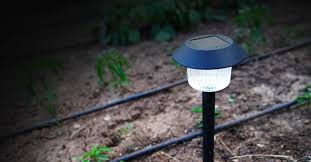
Two years ago my backyard solar lights got dim. Then dimmer. Then they stopped working at all. I assumed the lights were broken. I almost bought a new set.
My neighbor saw me looking at lights online. He asked what happened. I told him my lights died. He laughed and said your batteries died, not your lights.
He was right. I replaced the batteries. The lights worked like new. I felt stupid for almost throwing away perfectly good lights.
Do solar lights recharge batteries? Yes. But the batteries wear out over time. This confuses almost everyone.
The Simple Answer
Yes. Solar lights recharge their batteries every day. Here is the cycle.
During the day
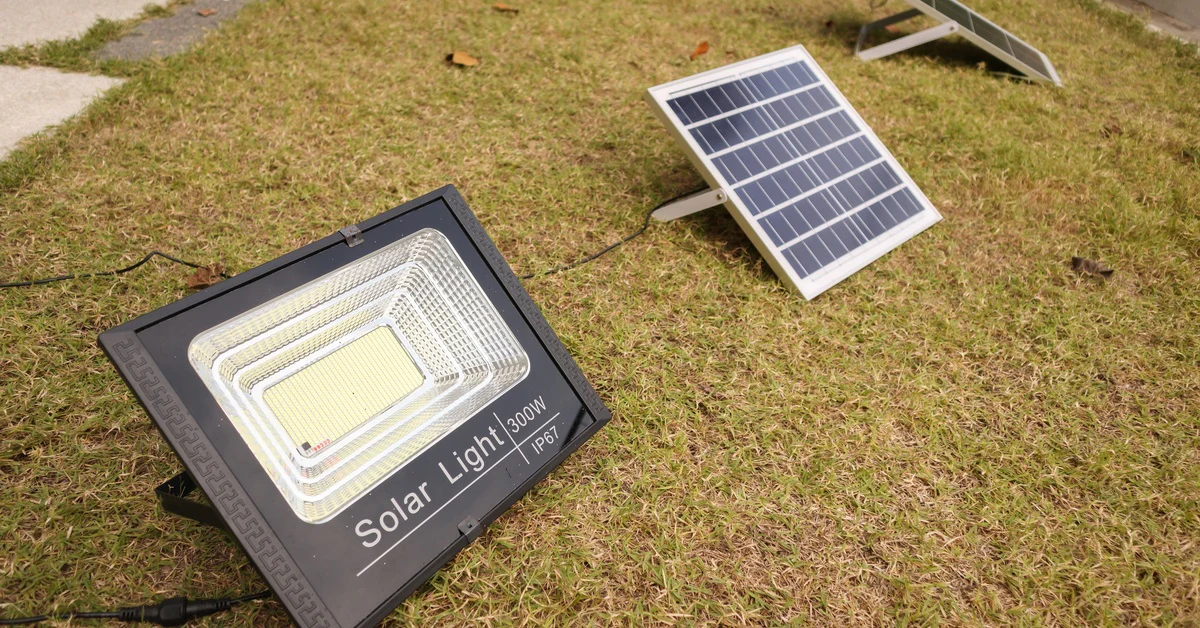
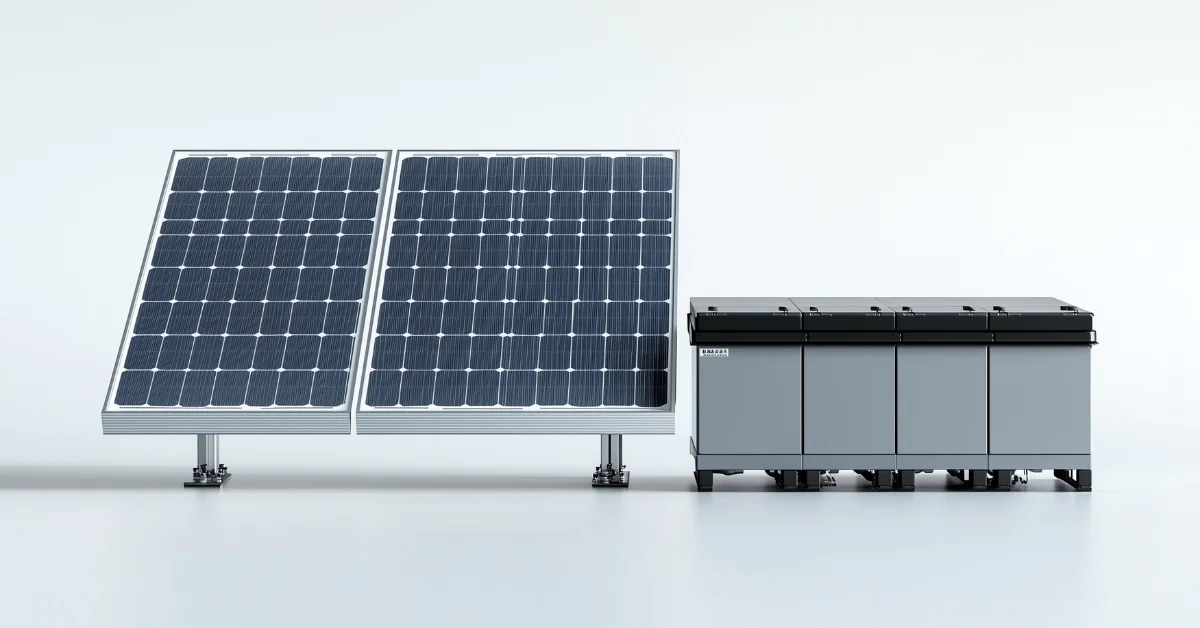
The solar panel catches sunlight. The panel turns sunlight into electricity. That electricity flows into the rechargeable batteries inside the light. The batteries store the power.
At night
A sensor detects darkness. The light turns on. The batteries send stored power to the LED bulb. The LED produces light until the batteries run low or the sun comes back.
Next morning
The cycle repeats. The panel charges the batteries again.
This happens every single day. Rain or shine. Summer or winter. The batteries get charged and drained repeatedly.
Why People Ask This Question
People ask do solar lights recharge batteries because their lights stop working. They see the light go dim. They see the light turn off early. They assume the charging stopped.
The charging rarely stops. The batteries stop holding the charge.
Think of a bucket with a small hole. You fill the bucket every day. But the hole gets bigger over time. Eventually the bucket empties faster than you fill it. Same with solar light batteries.
What actually fails
- Battery capacity drops over time
- Old batteries take longer to charge
- Old batteries drain faster at night
- Dirty panels reduce charging speed
- Shade blocks charging completely
The panel still sends power. The battery still receives power. But the battery cannot hold enough power to last the night.
How Solar Lights Charge Batteries
The charging process is simple. No plugs. No wires. No electrician needed.
The parts involved
Solar panel
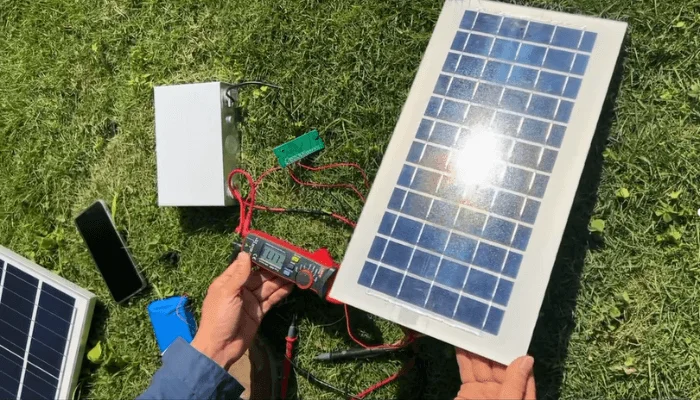
Made of silicon cells. Sunlight hits the cells. Electrons start moving. This movement creates direct current electricity. The panel sends this electricity to the battery.
Charge controller
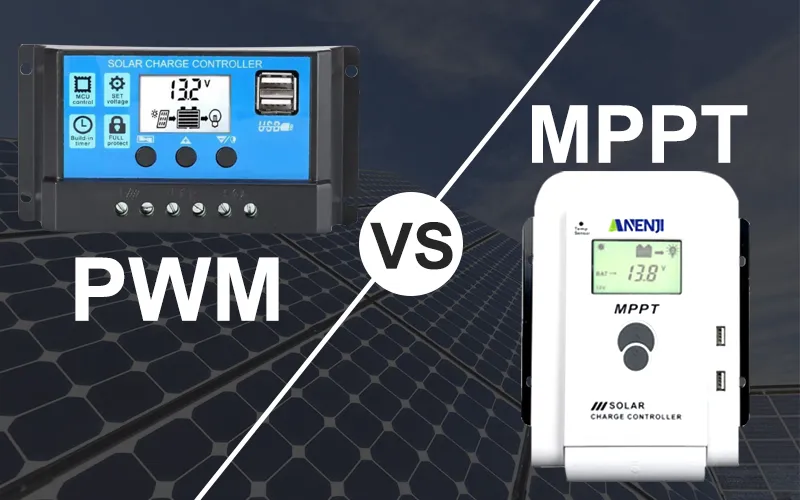
A tiny chip between the panel and battery. Stops overcharging. Stops reverse flow at night. Protects the battery from damage. Cheap lights have cheap controllers. Good lights have better protection.
Rechargeable battery
Stores the electricity. Releases it slowly at night. NiMH, Li-ion, or LiFePO4 chemistry. Each type charges differently.
The charging speed
A solar panel produces electricity based on sunlight intensity. Full sun gives full charging speed. Clouds slow the charging speed. Shade stops charging almost completely.
A typical small solar light panel produces 50 to 100 milliamps in full sun. A 1000 mAh battery needs 10 to 20 hours of full sun to charge completely. But the sun only gives 5 to 8 hours of good light per day. So your light never fully charges in one day.
The Story of My Shaded Light
I placed a solar light under my deck stairs. Good spot for lighting the steps. Terrible spot for charging.
The light worked fine in June. Long sunny days. The panel got a few hours of direct sun each afternoon. Enough to charge the battery for a few hours of light.
Then September came. Shorter days. Lower sun angle. The panel got almost no direct sun. The light started turning off at 10 pm. Then 9 pm. Then 8 pm.
I blamed the light. I blamed the batteries. I blamed the brand. Then I moved the light to the top of the stairs. Full sun all afternoon. The light stayed bright until 2 am the next night.
The light was fine. The batteries were fine. The charging was fine. The panel just needed more sun.
Types of Rechargeable Batteries in Solar Lights
Different batteries charge differently. Some last for years. Some die in months.
NiMH batteries
Most common in cheap and mid range lights. Charge fully in 6 to 8 hours of sun. Last for 500 charge cycles. A charge cycle is one full drain and one full recharge. 500 cycles equals about 18 months of daily use.
NiMH batteries have memory effect. If you do not drain them fully before charging, they forget how to hold a full charge. This is why cheap lights get dim over time.
Li-ion batteries
Common in better lights. Charge faster than NiMH. Last for 1000 charge cycles. No memory effect. You can charge them at any level without damage. These batteries last 3 to 4 years with daily use.
LiFePO4 batteries
Best for solar lights. Charge efficiently in low light. Last for 2000 to 3000 charge cycles. Work in cold weather. These batteries last 5 to 7 years. Worth the extra money.
Why Your Batteries Stop Recharging
You asked do solar lights recharge batteries. They do. But eventually they stop holding the charge. Here is why.
Reason one: Age
Every battery has a lifespan. NiMH dies after 500 charges. That is 18 months of nightly use. Li-ion dies after 1000 charges. That is three years. LiFePO4 dies after 2000 charges. That is five to six years.
Reason two: Deep discharge
Cheap lights let the battery drain completely every night. Complete drain damages battery chemistry. Good lights stop running at 30 percent battery left. This protects the battery and extends life.
Reason three: Heat
Solar lights sit in the sun. The panel gets hot. The battery gets hot. Heat kills batteries fast. A battery in 100 degree heat loses half its lifespan.
Reason four: Cold
NiMH batteries hate cold. Below 40 degrees, they stop charging properly. Below freezing, they refuse to charge at all. LiFePO4 handles cold much better.
Reason five: Poor charging habits
The light needs consistent sun. A week of clouds leaves the battery partially charged. Partial charging for weeks confuses NiMH batteries. They lose capacity permanently.
How I Fixed My Backyard Lights
My backyard lights used NiMH batteries. After two years they lasted two hours per night. I almost threw them away.
Instead I spent $12 on new NiMH batteries. The lights worked like new. Bright all night again. I felt foolish for waiting so long.
My battery replacement schedule now
- Cheap NiMH lights: New batteries every 18 months
- Mid range Li-ion lights: New batteries every 3 years
- Expensive LiFePO4 lights: New batteries every 5 years
I write the date on the battery with a marker. I know exactly when to replace them. No guessing. No dim lights.
Signs Your Batteries Are Not Charging Correctly
Do not guess. Look for these signs.
The light works but turns off early
The batteries charge partially but drain fast. Replace the batteries.
The light stays on during the day
The charge controller failed. The batteries are fine. The light needs replacement.
The light flickers or pulses
The batteries cannot hold steady voltage. Replace the batteries.
The light works fine in summer but dies in winter
Normal behavior. Winter has shorter days and weaker sun. The batteries charge less. Move the light to a sunnier spot for winter.
The light stopped working completely
Check the batteries first. Remove them. Test with a voltmeter if you have one. Below 0.8 volts per cell means dead battery. Replace them.
How to Help Your Batteries Charge Better
You asked do solar lights recharge batteries. They do. You can help them do a better job.
Clean the panel every two weeks
Dust blocks sunlight. A dirty panel charges at 50 percent speed. Clean with wet cloth. Dry with soft towel. Takes one minute.
Move lights for winter
Winter sun sits lower in the sky. South facing spots get the most winter sun. Move your lights in November. Move them back in March.
Trim nearby plants
A growing bush blocks more sun each week. Cut back branches and leaves. Give the panel a clear view of the sky.
Replace old batteries before they fail
Do not wait for dim lights. Replace NiMH batteries every 18 months. Replace Li-ion every 3 years. Replace LiFePO4 every 5 years.
Bring lights inside during storms
Heavy rain and lightning confuse the charge controller. A few hours inside protects the circuit. Put them back out when the storm passes.
The Truth About Cloudy Days
Solar lights charge on cloudy days. Just slower. Much slower.
Charging speed by condition
- Full direct sun: 100 percent charging speed
- Light clouds: 50 to 70 percent speed
- Heavy clouds: 20 to 40 percent speed
- Rain clouds: 5 to 15 percent speed
- Shade from tree: 0 to 10 percent speed
A week of heavy clouds leaves your batteries partially charged. The lights will run for fewer hours each night. This is normal. The lights recover when the sun returns.
I keep one spare set of fully charged batteries in my house. When clouds last for a week, I swap the batteries. My lights stay bright. The cloudy batteries go inside to charge under a lamp.
Can You Charge Solar Light Batteries Indoors
Yes. You can charge solar light batteries with a regular battery charger. This bypasses the solar panel completely.
When to charge indoors
- Long stretch of cloudy weather
- Winter with short days
- New batteries need a full initial charge
- Testing if the panel or battery failed
What you need
A standard NiMH or Li-ion battery charger. Most hardware stores sell them for 10to20. Match the charger to your battery type. Using the wrong charger destroys the battery.
Remove the batteries from the solar light. Put them in the charger. Charge them fully. Put them back in the light. The light will run all night even with no sun the next day.
I use this trick before winter. I fully charge all my batteries indoors. Then I put them outside. They last through the shorter days much better.
FAQs
Q1: Do solar lights recharge batteries on cloudy days?
Yes but slower. Expect 20 to 70 percent of normal charging speed depending on cloud thickness. The batteries will still charge. Just not fully.
Q2: Do solar lights recharge batteries while the light is on?
No. The light and the charger cannot work at the same time. The panel charges during the day. The light runs at night. Separate jobs for separate times.
Q3: How long do solar light batteries take to charge?
A fully drained battery needs 8 to 12 hours of direct sun. Most lights never fully drain or fully charge. They work in the middle range.
Q4: Do solar lights recharge batteries forever?
No. Rechargeable batteries wear out. NiMH lasts 18 months. Li-ion lasts 3 years. LiFePO4 lasts 5 to 6 years. Replace them when the light gets dim.
Q5: Can I use regular alkaline batteries in solar lights?
No. Regular batteries are not rechargeable. The solar panel will try to charge them. They will leak acid and ruin your light. Use only rechargeable NiMH, Li-ion, or LiFePO4 batteries.
Q6: Why does my solar light work during the day?
The charge controller failed. The sensor cannot tell day from night. Replace the light. This is not a battery problem.
Summary
Do solar lights recharge batteries? Yes. The solar panel sends power to the batteries during the day. The batteries store that power for night time. But cheap lights use bad batteries that stop charging after a few months. My first set of lights stopped holding a charge in one season. This guide explains the charging process and how to keep your batteries working for years.