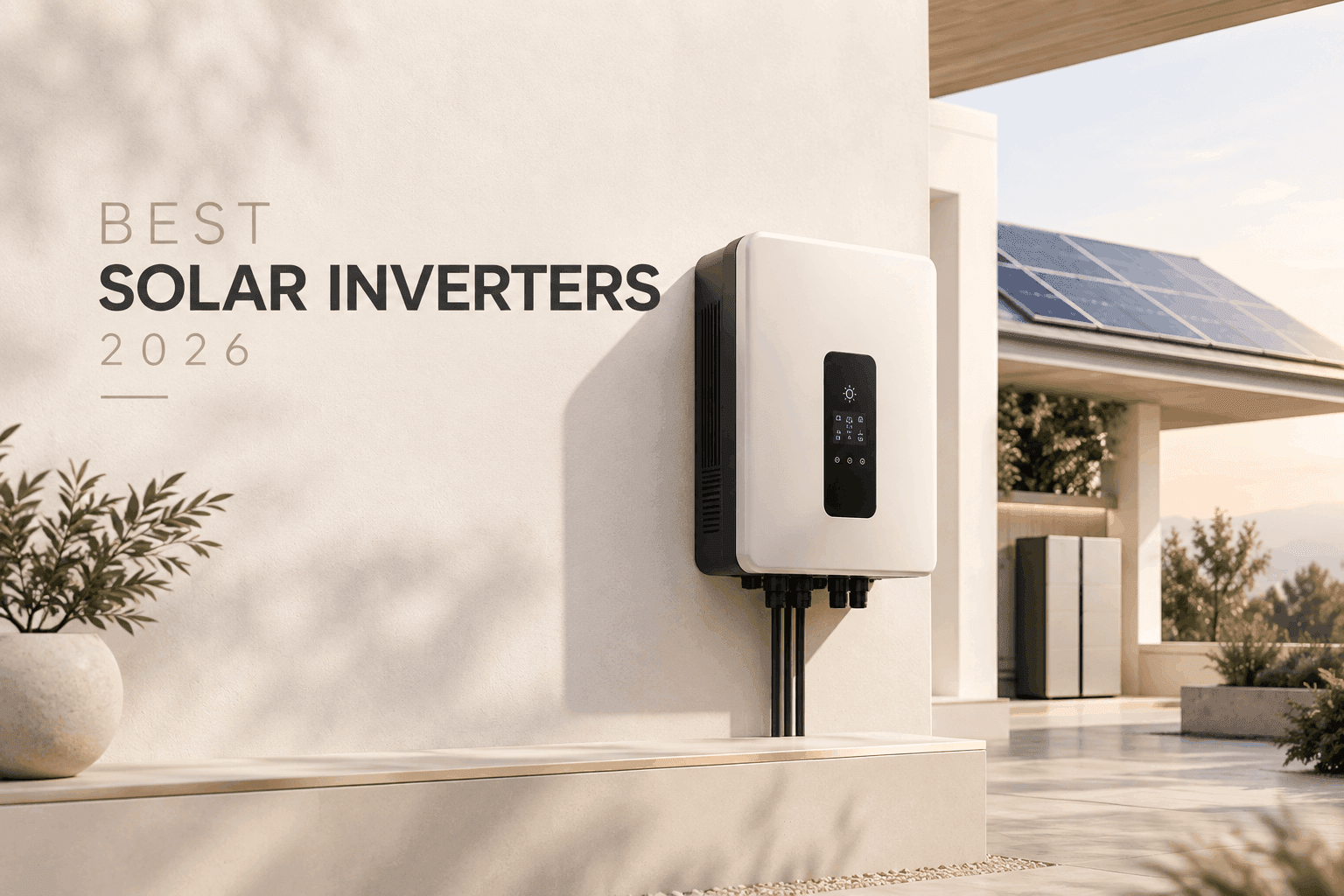
Quick Answer: The best solar inverter in 2026 depends on your roof: SolarEdge or SMA work best for unshaded roofs, Enphase IQ8 is the top pick for shaded or complex roofs, and Sol-Ark 15K leads for battery backup and whole-home resilience.
Table of Contents
Most people think the solar panels are the important part of a solar system. They aren’t. The inverter is.
Panels just sit there and catch sunlight. The inverter is the part that decides whether that sunlight actually turns into power your fridge can use, and it’s also the part most likely to need a repair or replacement before your panels do.
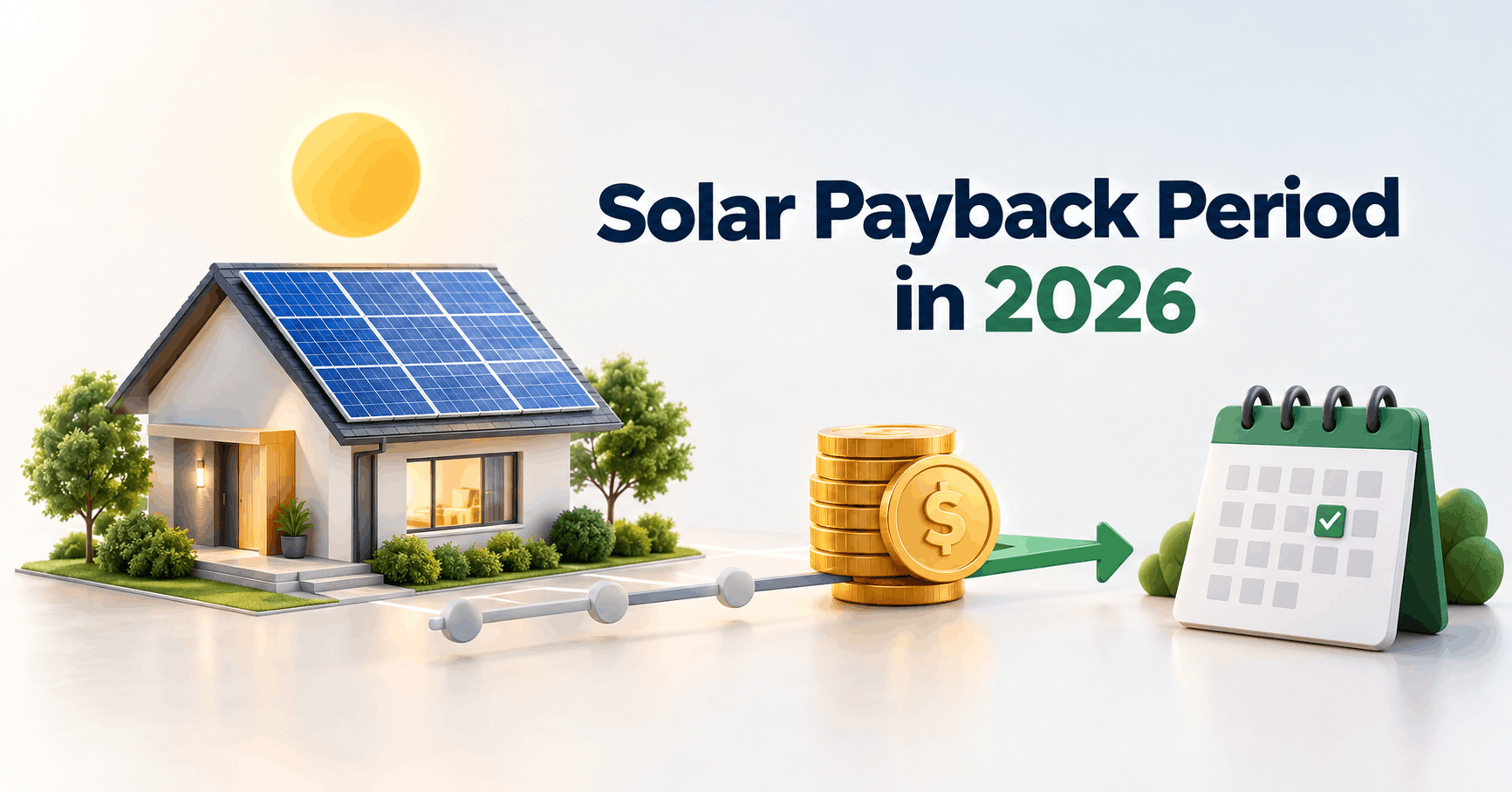
Here’s the number that matters right now: the average U.S. homeowner pays about 18.34 cents per kilowatt-hour for electricity as of September 2026, according to U.S. Energy Information Administration data, up 5% from the year before. Most homeowners who go solar break even in roughly 10 years, based on published national solar payback data. Pick the wrong inverter, and that timeline stretches out fast.
This guide compares the inverters actually worth considering in 2026, what they cost, what breaks, and who each one is really for.
Key Takeaways
- The inverter, not the panel, is the part of your solar system most likely to fail first.
- Microinverters (like Enphase’s IQ8) carry the longest standard warranties, 25 years, matching your panels.
- String inverters (like SolarEdge and SMA) are cheaper upfront but carry shorter standard warranties, typically 10–12 years.
- Hybrid inverters (like Sol-Ark) are built for battery backup and whole-home resilience, not just grid-tied savings.
- The federal 25D solar tax credit for cash and loan purchases expired December 31, 2025, that changes the math for 2026 buyers, and it’s worth confirming your numbers with a licensed installer before you sign anything.
- There is no single “best” inverter. There’s a best inverter for your roof, your budget, and your plans for a battery.
How I Compared These Inverters
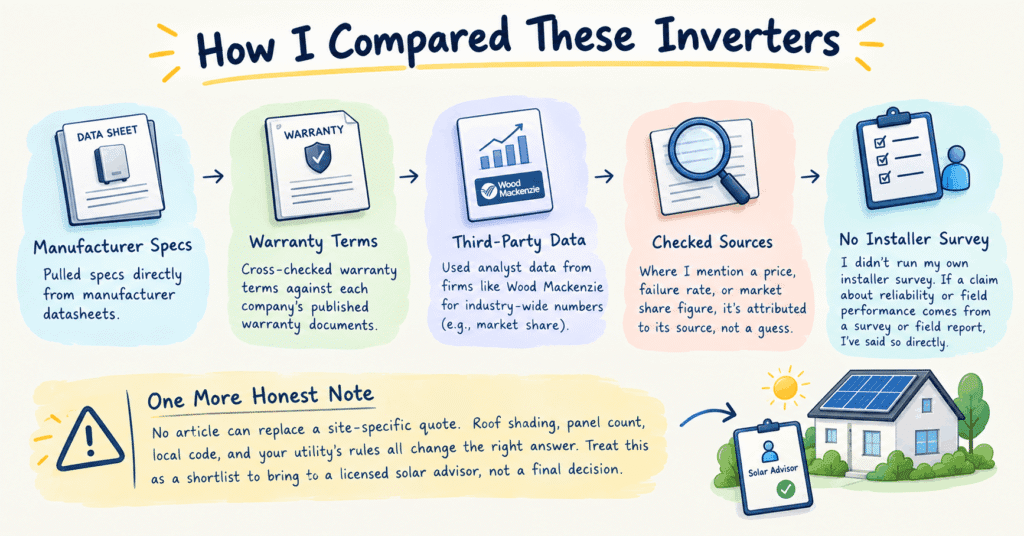
I’m going to be straight with you about the method here, because too many “best of” lists in this space just repeat manufacturer marketing copy.
For this guide, I pulled specs directly from manufacturer datasheets, cross-checked warranty terms against each company’s published warranty documents, and used third-party market data from analyst firms like Wood Mackenzie for the industry-wide numbers. Where I mention a price, a failure rate, or a market share figure, it’s attributed to its source, not a guess.
I did not run my own installer survey for this piece, and I’m not going to pretend otherwise. Where a claim about reliability or field performance comes from a survey or field report, I’ve said so directly instead of presenting it as my own testing.
One more honest note: no article can replace a site-specific quote. Roof shading, panel count, local code, and your utility’s rules all change the right answer. Treat this as a shortlist to bring to a licensed solar advisor, not a final decision.
Quick Answer: Best Solar Inverter by Situation
| Best For | Inverter |
|---|---|
| Most homeowners, unshaded roof | SolarEdge HD-Wave (optimized string) |
| Shaded or complex roofs | Enphase IQ8 (microinverter) |
| Longest warranty coverage | Enphase IQ8 (25-year standard) |
| Battery backup / whole-home resilience | Sol-Ark 15K (hybrid) |
| Proven industrial-grade reliability | SMA Sunny Boy (string) |
| Ground-mount or large-scale systems | SMA / Sungrow |
The Best Solar Inverters in 2026, Ranked
1. Best Overall: SolarEdge HD-Wave
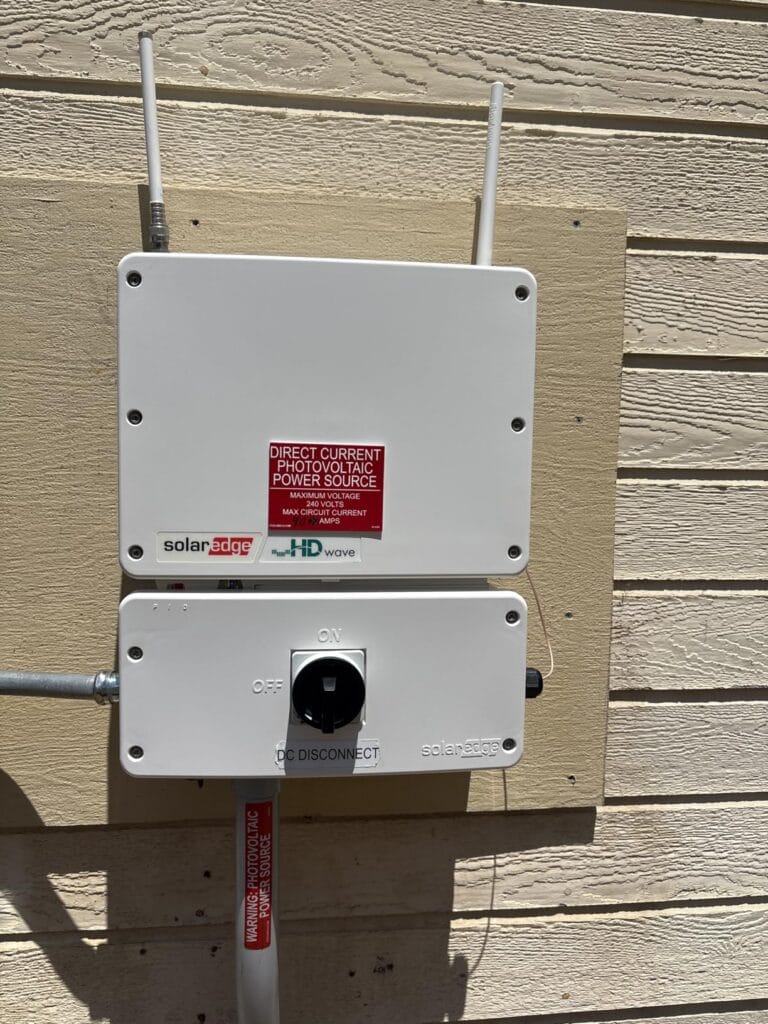
Type: Optimized string inverter
Standard warranty: 12 years on the inverter (extendable to 20 or 25 years); 25 years on the power optimizers
Efficiency: Up to 99% at the optimizer level
SolarEdge pairs a central inverter with power optimizers on each panel. You get panel-level performance monitoring without paying full microinverter prices. SolarEdge says this setup can increase energy production by up to 25% compared to a standard string inverter, and the company has more than 1.5 million systems installed across 28 countries.
Pros:
- Panel-level monitoring without the microinverter price tag
- Extendable warranty up to 25 years matches panel lifespan
- Strong track record and wide installer availability
Cons:
- The inverter itself carries a shorter 12-year standard warranty than the optimizers
- Field data through 2026 shows failure rates of roughly 2–5% over the first 10 years
- Central-inverter design means one point of failure for the whole system
Verdict: If your roof gets decent sun and you want a proven, mid-cost setup, this is the safe pick. Ask your installer about extending the inverter warranty to 25 years at purchase, it’s cheaper than doing it later.
2. Best for Shaded or Complex Roofs: Enphase IQ8
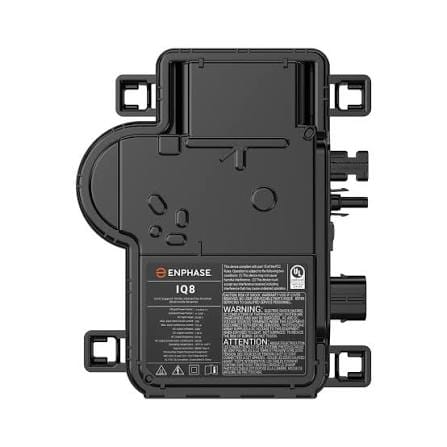
Type: Microinverter
Standard warranty: 25 years
Efficiency: Roughly 97.5% CEC-weighted efficiency
Enphase puts a small inverter behind every single panel instead of routing everything through one central box. If one panel is shaded by a chimney or a tree branch, it doesn’t drag down the rest of your array.
Enphase has over 68 million microinverters installed worldwide, with a field failure rate under 0.05%, according to third-party field data reported by industry reviewers. The company also holds the longest standard warranty in residential solar: 25 years, matching most panel warranties.
Pros:
- Longest standard warranty in the category, no mid-life inverter replacement bill
- Best-in-class shading tolerance
- Real-time, panel-level monitoring app that most installers rate highly
Cons:
- Higher upfront cost than a comparable string system
- More individual components means more potential points to service, even if each one is small
- Complete outage backup (“Sunlight Backup”) only works during daylight without a battery
Verdict: If your roof has any shade at all, a chimney, a neighbor’s tree, a dormer, this is worth the premium. Ask your advisor to run the shading numbers for your specific roof before you decide.
3. Best for Battery Backup and Whole-Home Resilience: Sol-Ark 15K
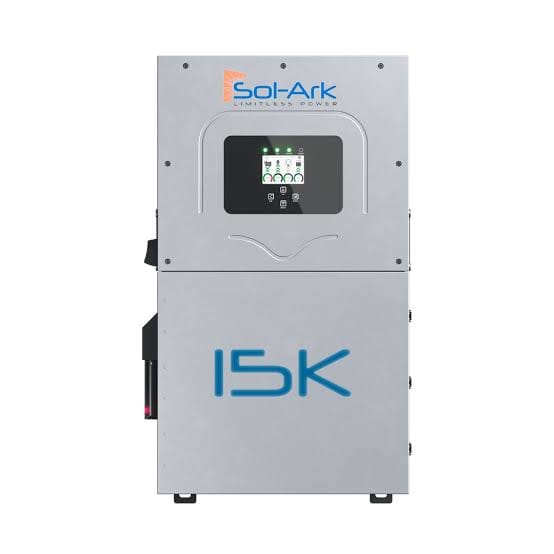
Type: All-in-one hybrid inverter
Standard warranty: 10 years
Output: 15,000W AC, handling grid-tied, off-grid, and battery backup in one unit
Sol-Ark builds its inverters for people who actually want to run their whole house during an outage, not just trickle-charge a phone. The 15K model is a genuine whole-home backup unit that can handle high-current loads like HVAC systems and well pumps.
Pros:
- One box handles solar, battery, grid, and generator inputs
- Built for real whole-home backup, not partial circuits
- Popular with off-grid and rural installers for a reason, it’s rugged
Cons:
- 10-year standard warranty is shorter than Enphase’s or SolarEdge’s optimizer coverage
- Higher complexity means installation quality matters more
- Not the cheapest entry point if you don’t need battery backup
Verdict: If battery backup and blackout protection are the whole point of going solar for you, this is where to start your shortlist, not the panels.
4. Best for Proven Industrial Reliability: SMA Sunny Boy
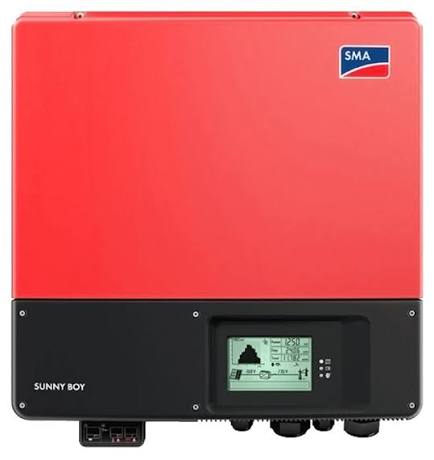
Type: String inverter
Standard warranty: 10 years (extendable to 15 or 20)
Efficiency: Around 97.0% CEC-weighted efficiency, with peak efficiency up to 97.6%
SMA has been building inverters since 1981, and it shows. These units are IP65-rated for outdoor installation and have one of the lowest failure rates in the industry, according to industry reliability reporting.
Pros:
- Decades of field-proven reliability
- IP65 outdoor rating, genuinely built for the elements
- Simple string architecture means fewer components to fail
Cons:
- Standard warranty (10 years) is shorter than Enphase’s, though extendable
- Monitoring app (Sunny Portal) is functional but less polished than newer competitors
- Not ideal for heavily shaded roofs without added optimizers
Verdict: If you want the electrical equivalent of a Toyota Hilux, boring, reliable, hard to kill, this is it.
Types of Solar Inverters, Explained (Glossary-Style)
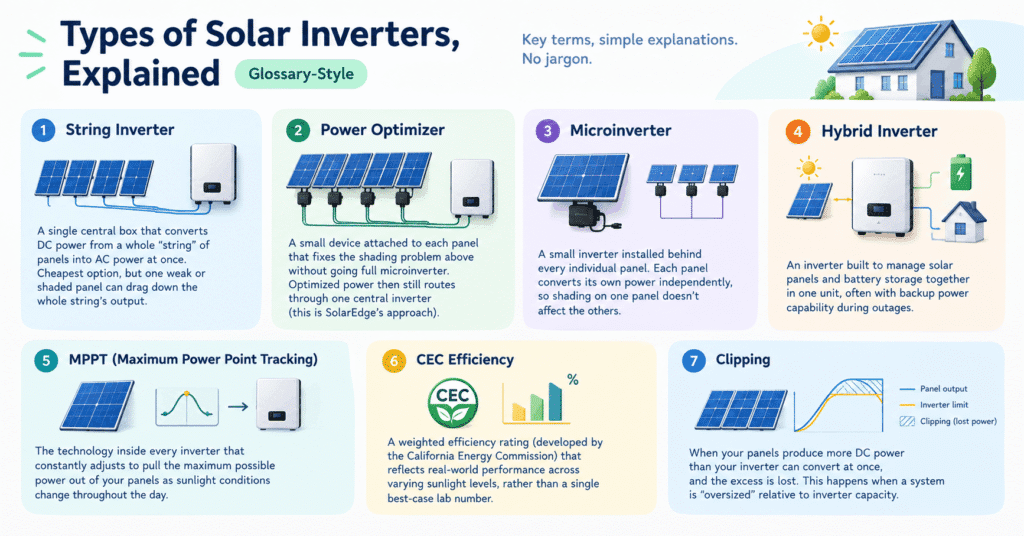
You’ll see these terms on every spec sheet and every installer quote. Here’s what they actually mean.
String inverter: A single central box that converts DC power from a whole “string” of panels into AC power at once. Cheapest option, but one weak or shaded panel can drag down the whole string’s output.
Power optimizer: A small device attached to each panel that fixes the shading problem above without going full microinverter. Optimized power then still routes through one central inverter (this is SolarEdge’s approach).
Microinverter: A small inverter installed behind every individual panel. Each panel converts its own power independently, so shading on one panel doesn’t affect the others.
Hybrid inverter: An inverter built to manage solar panels and battery storage together in one unit, often with backup power capability during outages.
MPPT (Maximum Power Point Tracking): The technology inside every inverter that constantly adjusts to pull the maximum possible power out of your panels as sunlight conditions change throughout the day.
CEC efficiency: A weighted efficiency rating (developed by the California Energy Commission) that reflects real-world performance across varying sunlight levels, rather than a single best-case lab number.
Clipping: When your panels produce more DC power than your inverter can convert at once, and the excess is lost. This happens when a system is “oversized” relative to inverter capacity.
How to Choose the Right Inverter for Your Home
Work through these questions with your installer before you sign anything:
- Does your roof get shaded at any point in the day? If yes, lean toward microinverters or optimizers.
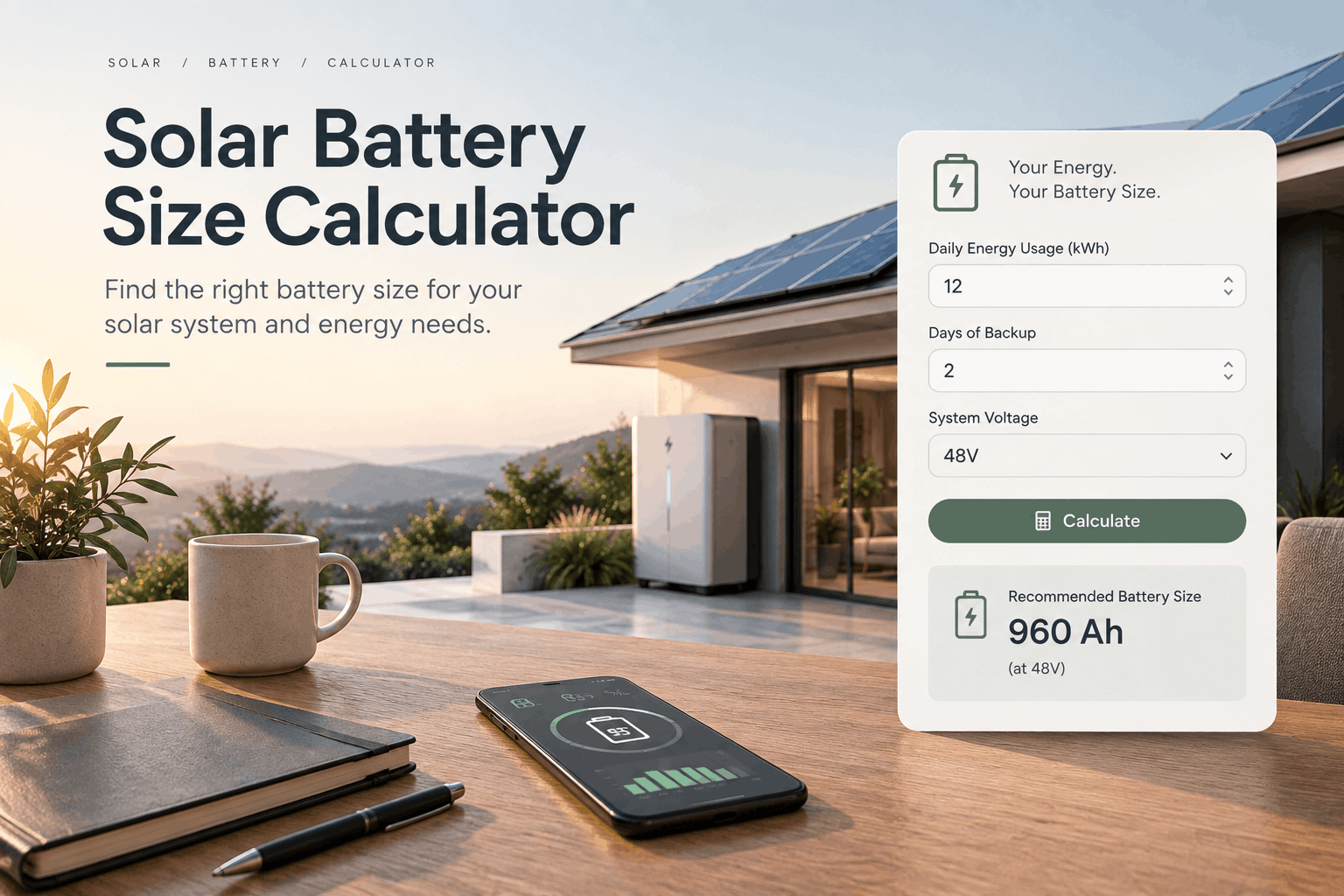
- Are you planning to add a battery later? If yes, ask specifically whether your chosen inverter supports it natively or requires a separate hybrid unit.
- How long do you plan to stay in the home? A 25-year warranty matters less if you’re moving in five years, though it can still help resale value.
- What’s your budget for the system, not just the inverter? A cheaper inverter with a shorter warranty can end up costing more if it needs replacing at year 12.
- Does your state or utility require specific certifications? Some rebate programs only apply to UL-listed or CEC-approved equipment, a licensed installer will know your local rules.
A good solar advisor should walk through every one of these with you, using your actual roof and your actual utility rate, not a national average. If they skip straight to a price without asking about shading or battery plans, that’s a red flag worth pushing back on.
Market Context: Why 2026 Pricing Looks Different
A few real shifts are affecting inverter buyers right now, and it’s worth knowing them before you get a quote.
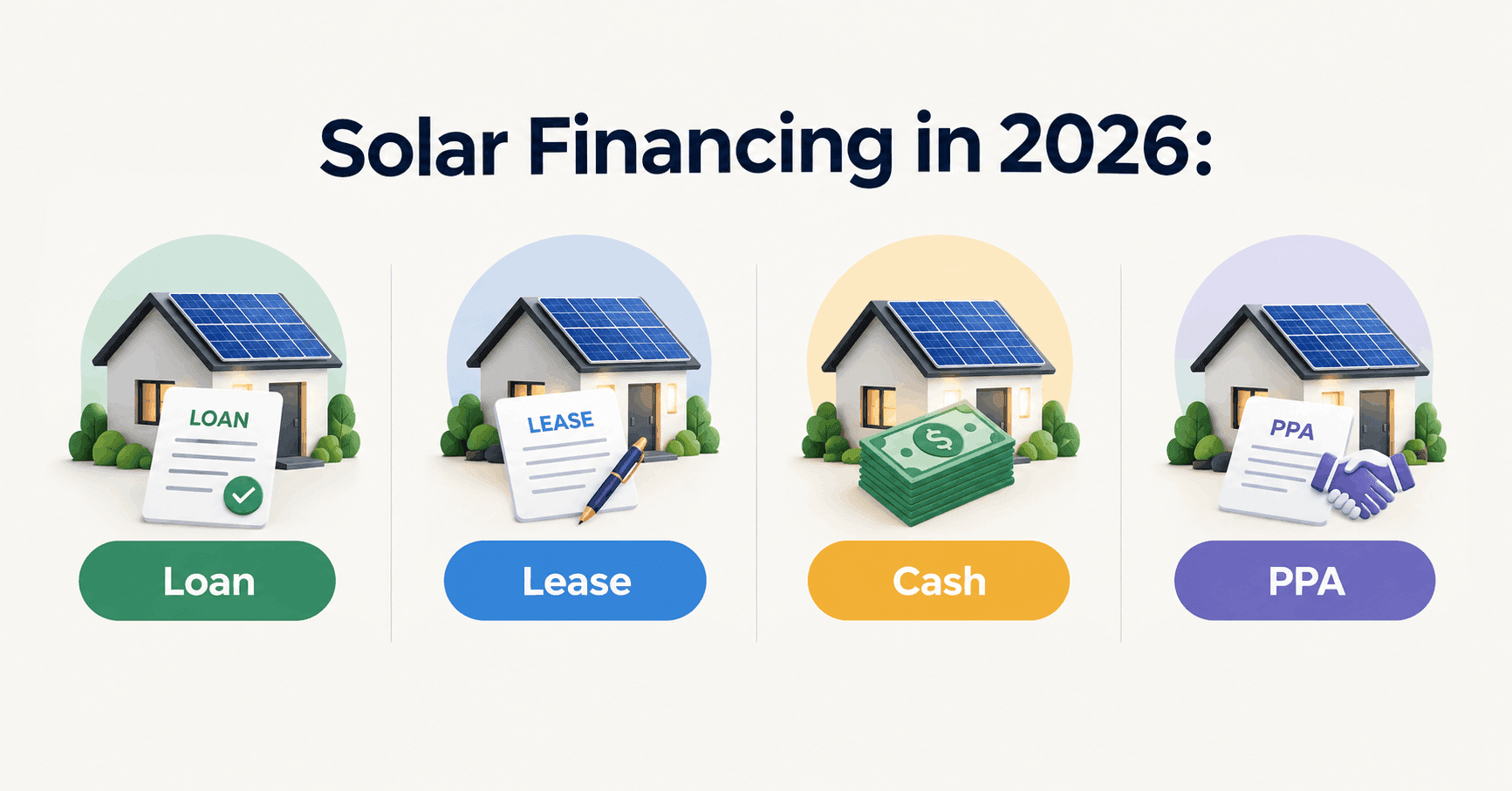
The federal tax credit landscape changed. The 25D residential solar tax credit for cash and loan purchases expired December 31, 2025. Some state programs remain active, and third-party-owned systems (leases and power purchase agreements) may still qualify for a different commercial credit depending on when construction begins. This is genuinely worth confirming with your installer, the math is different than it was in 2025.
The global inverter market is shrinking, not growing. According to Wood Mackenzie’s most recent analysis, Sungrow and Huawei retained the top spots in the company’s 2026 Global Solar Inverter Manufacturer Ranking, with SMA in third and GoodWe and Enphase rounding out the top five. The top ten manufacturers now account for 71% of the global market, and nearly all of them now offer warranty extensions of 20 years or more, a sign the industry is competing harder on long-term reliability, not just price.
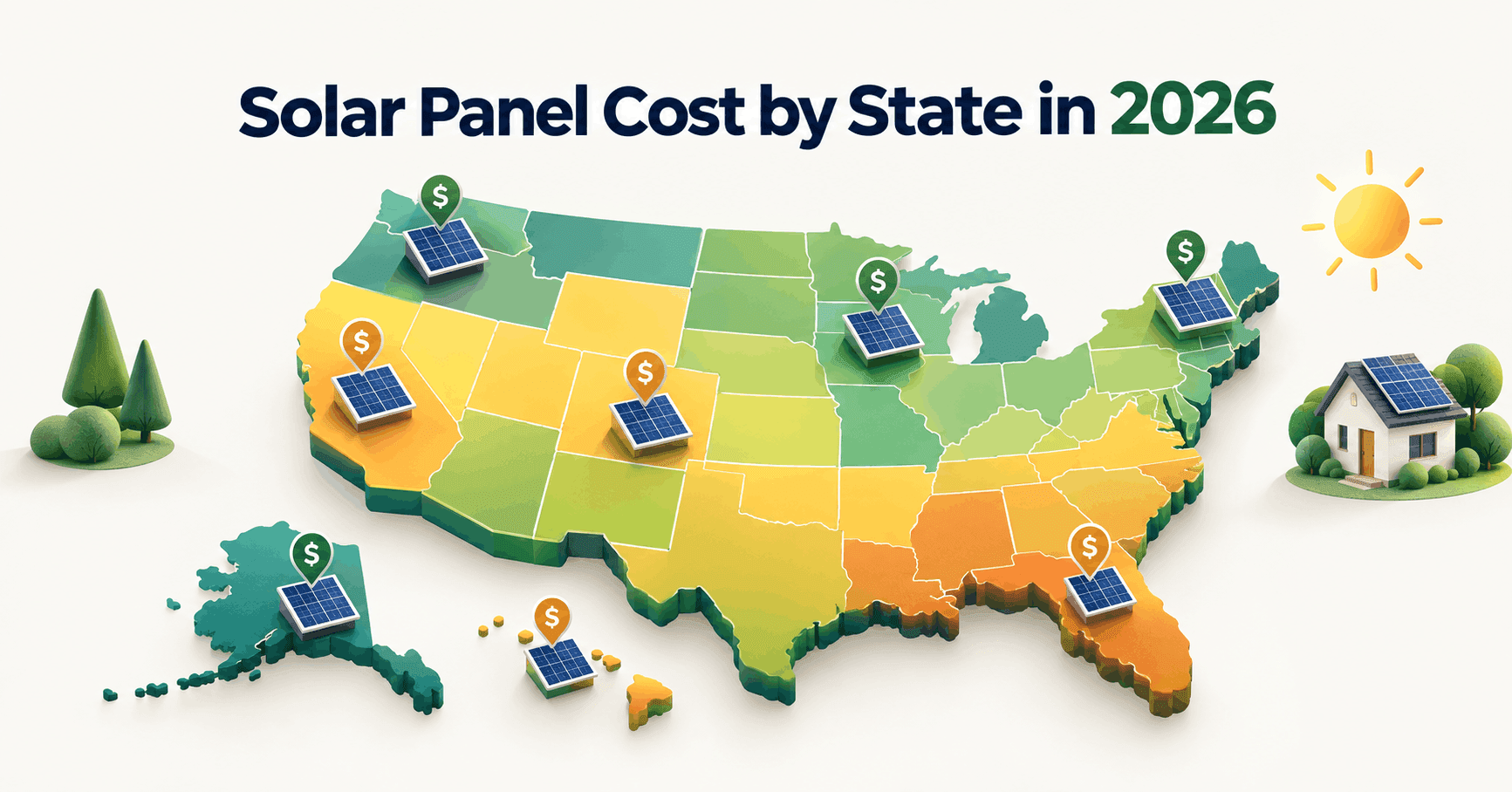
Electricity prices keep climbing. As covered above, the national average sits around 18.34¢/kWh, and prices vary enormously by state, from about 13 cents in Nevada to over 50 cents in Hawaii, per EIA-sourced state comparisons. Your actual payback period depends far more on your local rate than on any national average, so ask your advisor for a quote based on your utility’s real rate, not a nationwide figure.
FAQs
What is the most reliable solar inverter in 2026?
Reliability data varies by source, but Enphase and SMA consistently post the lowest field failure rates among widely available residential brands, based on manufacturer and third-party field reporting.
Do I need a hybrid inverter if I’m not adding a battery yet?
Not necessarily. A string or microinverter system can usually be paired with a battery later, though a hybrid inverter installed from day one is often a cleaner integration if you know you want storage within a few years. Ask your installer to map out both paths.
How long do solar inverters actually last?
String inverters typically need replacement once during a 25-year panel lifespan, usually around year 12–15. Microinverters are designed to last the full system life, backed by their 25-year warranty.
Is a more expensive inverter worth it?
It depends on your roof and your goals. On a fully sunlit, unshaded roof, a cheaper string inverter can perform nearly as well as a premium microinverter setup. On a shaded or complex roof, the efficiency gap can be large enough to close the price difference within 8–12 years.
Which inverter brand has the best warranty?
Enphase currently offers the longest standard warranty in residential solar at 25 years. SolarEdge’s optimizers match that at 25 years, though its inverter itself starts at 12 years unless extended.
Summary
There’s no universal “best” solar inverter in 2026. There’s a best inverter for a sunny, unshaded roof (SolarEdge or SMA), a best one for a shaded or complicated roof (Enphase), and a best one for whole-home battery backup (Sol-Ark).
What actually matters is matching the inverter to your roof, your budget, and your plans, not chasing whichever brand has the flashiest ad. Bring this list to a licensed solar advisor, get a quote based on your real roof and your real electricity rate, and use the warranty terms above to ask sharper questions than most homeowners think to ask.