Table of Contents
My warehouse has a back parking area. Massive dark area at night. Employees felt unsafe. Packages got stolen. I couldn’t see what was happening back there after sunset. Traditional floodlights would require hiring an electrician, trenching conduit, running electrical circuits. Estimate was seven thousand dollars for adequate lighting plus ongoing monthly electricity bills around three hundred dollars.
I was stuck. The area needed security. The cost was astronomical. I asked my business partner about his new parking lot lighting. He said one word: 400 watt solar flood light.
I thought he meant solar panels with tiny lights. I was wrong. He showed me his setup. Commercial grade floodlight producing enormous brightness. No wires. Solar panel charges during day. Light runs all night automatically. Cost him fifteen hundred dollars for three lights. Zero electricity costs.
I ordered four immediately. Installed them myself in two hours. That night my parking area was brighter than it ever was. Security cameras had actually usable footage for the first time. Employees felt genuinely safe.
Theft stopped. Just stopped. People don’t steal from lit areas where they’re clearly visible.
That parking area transformed because of one decision. Powerful commercial-grade solar flood lights changed everything.
Why Traditional Floodlights Don’t Make Sense Anymore
Traditional outdoor security lighting requires planning, installation, and ongoing costs. You hire an electrician. You dig trenches for conduit. You run electrical circuits. You install breakers and fixtures. Timeline is weeks or months. Cost is thousands. Then the monthly electricity bill arrives forever.
The brightness is good. The dependability is good. The cost structure is terrible.
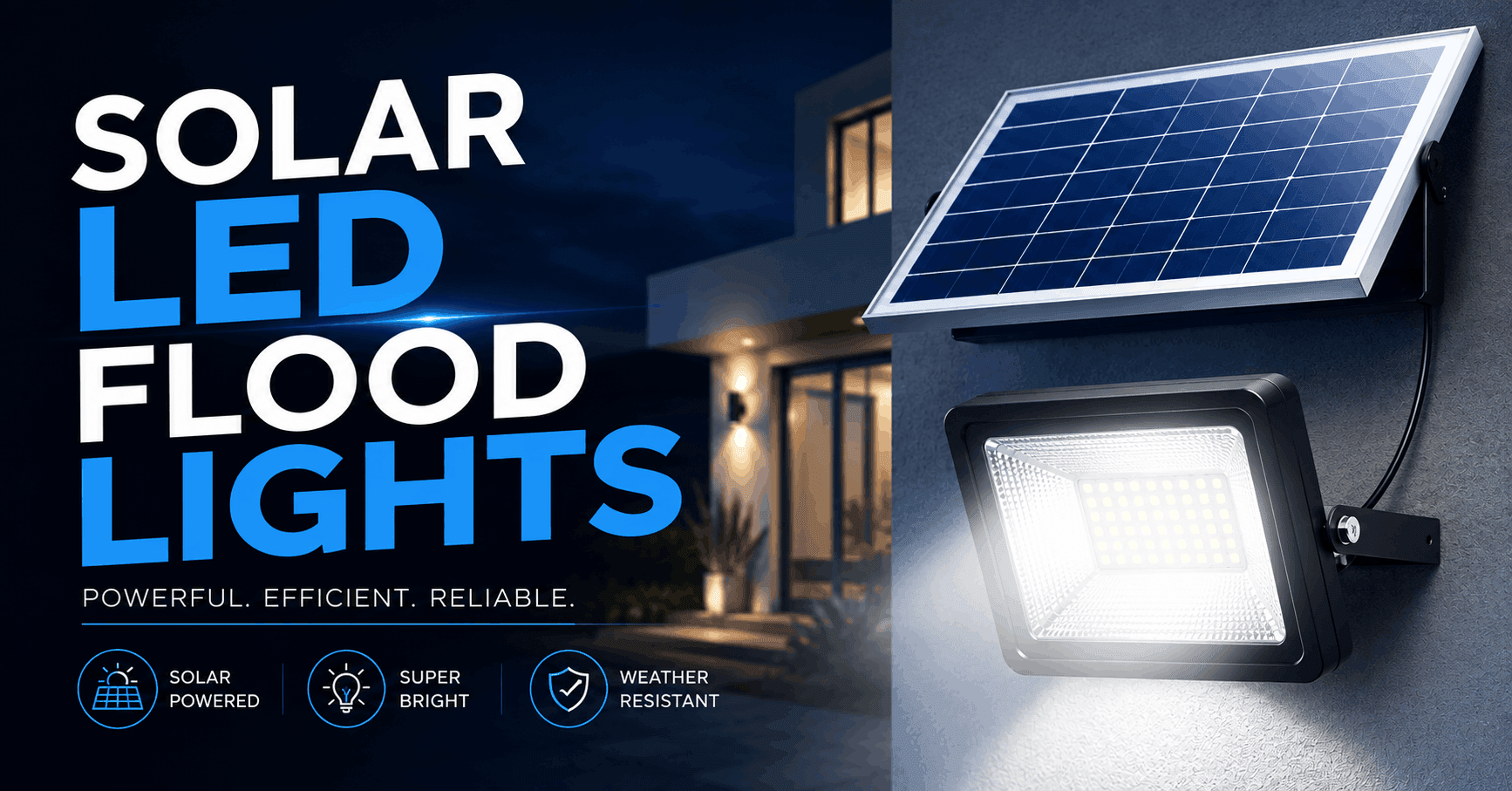
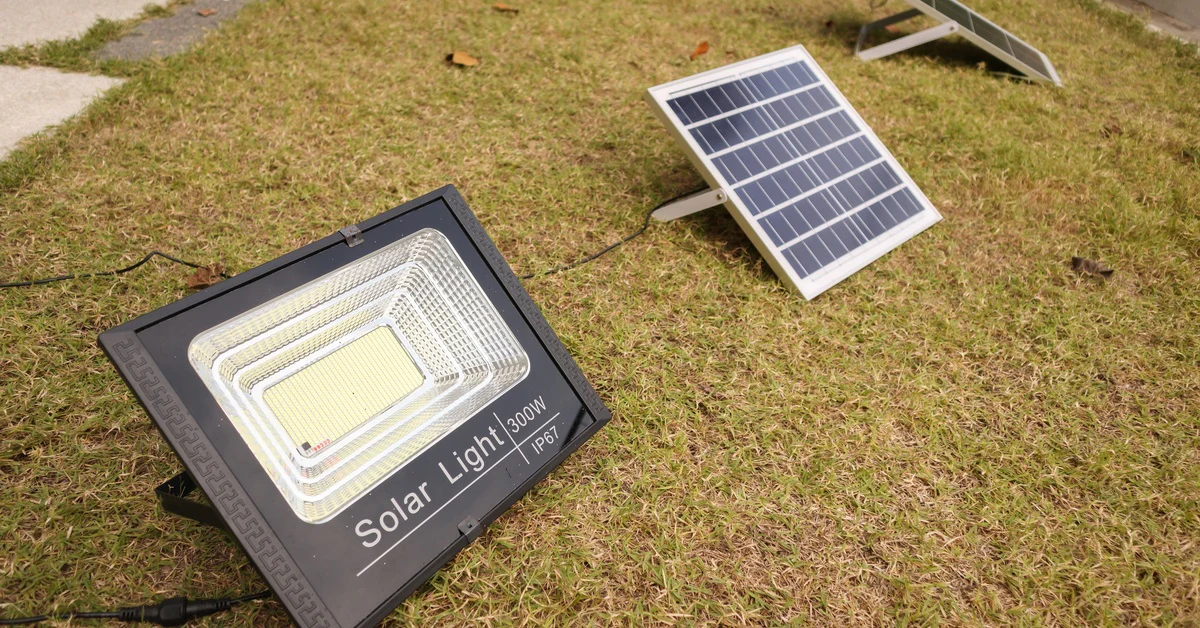
A 400 watt solar flood light does everything traditional lighting does. Produces brightness equivalent to traditional fixtures. Covers massive areas. Works 24/7 for months without service. The difference is cost. You buy the light. You install it. You’re done. No more bills. No more ongoing expenses.
The only reason to choose traditional lighting now is if you specifically need permanent installation or have extremely heavy shade preventing solar charging.
Understanding Brightness and What It Actually Means
People get confused about solar light brightness because manufacturers use different measurements.
Traditional floodlights are measured in watts. A four hundred watt bulb is bright. Solar lights are measured in lumens. A four hundred watt solar flood light produces ten thousand to forty thousand lumens depending on LED count.
For reference, a traditional two hundred watt floodlight produces roughly two thousand to three thousand lumens. A four hundred watt solar flood light produces five to ten times that brightness.
That difference is dramatic. Your entire parking area gets lit. Not just illuminated. Actually bright. Shadows disappear. Detail becomes visible.
Some commercial models with six hundred LED pieces produce forty thousand lumens. That’s stadium-quality brightness. Enough to see clearly across an entire large parking lot. Enough for security cameras to capture facial details. Enough for people to feel completely safe.
The brightness specifications matter. Compare lumen output between models. More LEDs equal more brightness. More brightness costs more but delivers better results.
Motion Detection Changes Everything
Basic solar lights turn on at dusk and stay on until dawn. Effective but wastes battery.
Smart solar flood lights with motion sensors work differently. They detect movement. When something moves, they activate full brightness. When motion stops, they reduce to fifty percent brightness. This preserves battery for longer runtime.
The motion detection range varies by model. Quality units detect movement up to fifty feet away. Some detect up to one hundred feet. That coverage matters for parking areas and large outdoor spaces.
The adjustable brightness is crucial. Full brightness attracts attention and provides maximum security. Fifty percent brightness is still very usable but consumes half the energy. Your battery lasts twice as long.
Remote controls let you adjust these settings. You choose brightness levels. You choose timing. You choose which mode operates. Flexibility lets you optimize for your specific situation.
The Battery and Charging Reality
A 400 watt solar flood light needs proper battery capacity to sustain brightness through the night. Quality models have large capacity batteries. Ten thousand to twenty thousand milliamp hours. That’s substantial.
On a sunny day with six hours of charging, these lights run eight to twelve hours at full brightness. Or they run sixteen to twenty four hours at reduced brightness.
Cloudy climates get slower charging and shorter runtime. But they still work. People in rainy regions successfully use these lights. They just understand that battery depletes faster during extended cloud cover.
The battery lifespan is critical. Quality lithium batteries last three to five years. Cheap batteries fail in one year. The difference is typically fifty to one hundred dollars at purchase. Over five years, quality batteries cost less per year and deliver consistent performance.
Replacement batteries when they eventually fail cost roughly one hundred to one hundred fifty dollars. That’s the extent of long-term maintenance. Compare that to ongoing electricity bills from traditional lighting.
Real Stories That Show Why People Buy These
- Mike owns a contractor yard filled with expensive equipment. He installed three 400 watt solar lights. Theft dropped to zero. Security camera footage is clear and usable. He said it was his best business investment.
- Rachel has an RV park. She installed solar flood lights throughout the property. Guests feel safer. The property looks professional and well-maintained. She eliminated electricity costs and theft problems simultaneously.
- Tom runs a basketball court facility. He needed lighting for evening games. Traditional wiring would cost thirty thousand dollars. Four 400 watt solar flood lights cost two thousand four hundred dollars. Brightness is adequate. His customers are happy.
- Jennifer has a farm with valuable equipment. Dark areas attracted trespassers. Solar flood lights transformed the property. Now it’s well-lit and obviously secure. Trespassing stopped.
- My brother owns a small warehouse. He installed two 400 watt solar lights for his parking area. Cost fifteen hundred dollars. Electricity savings are about two hundred dollars yearly. He’ll recover his investment in eight years then benefit from free lighting forever.
Where These Lights Actually Work Best
- Parking areas are the obvious choice. Commercial parking lots, apartment complex parking, warehouse parking. Motion sensors maximize battery efficiency while providing full brightness when needed.
- Basketball courts and athletic facilities need brightness for evening play. 400 watt solar lights provide stadium-quality illumination. Four to six lights cover a standard court.
- Swimming pools and water features need good illumination for safety. Solar flood lights deliver that brightness without complex electrical installation.
- Security applications like gates, fences, and building perimeters benefit from motion activated lighting. Deters thieves. Provides clear camera footage.
- Barns and agricultural facilities often have dark areas. Solar lights provide night visibility without expensive wiring infrastructure.
- Large yards and estates need comprehensive lighting. Solar lights scattered strategically cover the entire property.
Installation Is Actually Simple
Most 400 watt solar flood lights mount on walls, poles, or stands. You need a drill, hardware, and basic tools. You don’t need an electrician.
The solar panel mounts separately in a sunny location. A cable connects the panel to the light. Cable length is usually fifteen to twenty feet, accommodating flexible positioning.
Most people complete installation in two to three hours for a single unit. More complex setups with multiple lights take proportionally longer.
Remote control and smart app integration let you adjust settings without climbing or touching the light unit. Set timing, brightness, and modes from your phone or remote.
Maintenance is essentially nonexistent. Wipe the solar panel occasionally. Check battery connection annually. That’s it.
The Cost Picture Is Genuinely Favorable
A quality 400 watt solar flood light costs three hundred to eight hundred dollars depending on features and brightness output.
Compare that to traditional outdoor security lighting. Fixture costs two hundred dollars. Professional installation costs two thousand to five thousand dollars. Monthly electricity costs one hundred to three hundred dollars. Add monthly maintenance and repairs.
A 400 watt solar light costs three to eight hundred dollars. Installation cost zero. Monthly electricity cost zero forever. Maintenance cost zero.
Over ten years a single traditional light costs three thousand to six thousand dollars. A single 400 watt solar light costs three to eight hundred dollars.
The math isn’t close. Solar is dramatically cheaper.
Multiple lights amplify the advantage. Five traditional lights over ten years cost fifteen thousand to thirty thousand dollars. Five 400 watt solar lights cost fifteen hundred to four thousand dollars.
Most organizations recover their investment in two to four years through electricity savings alone.
Common Concerns and Honest Answers
- Will it work in cloudy climates? Yes. Slower charging and shorter battery life but definitely functional. People in consistently gray regions use these lights successfully.
- Does motion detection work reliably? Yes. Quality sensors have false activation rates below five percent. Animals occasionally trigger them but that’s actually security benefit.
- Will the battery really last three to five years? Quality batteries definitely do. Budget batteries might fail in one year. Quality matters.
- Can you control multiple lights remotely? Yes. Most systems let you manage all lights from one app or remote. Synchronized control across your entire property.
- Is the brightness really equivalent to traditional lights? Yes. 400 watt solar with ten thousand plus lumens matches traditional four hundred watt output. Higher lumen models exceed traditional brightness.
Why This Matters Beyond Just Lighting
Security is peace of mind. Knowing your parking area is well-lit and monitored changes how you feel about your property.
Electricity costs impact business profitability. Eliminating three hundred dollar monthly bills improves your bottom line. Over ten years that’s forty thousand dollars available for other business needs.
Theft prevention is direct loss prevention. One package theft prevented pays for a solar light. Multiple thefts prevented represent extraordinary ROI.
Professional appearance matters. A well-lit parking area looks secure and intentional. Customers feel safer. Employees feel respected.
Environmental impact matters if you have sustainability goals. Solar lighting eliminates carbon emissions. No fossil fuels. Just sunlight converted to electricity.
Start With One Light
Don’t overcommit. Buy one quality 400 watt solar flood light. Install it. Monitor performance over a month. See how brightness holds up. Check battery capacity in your climate.
Once you’re convinced it works, expand. Most people discover they want multiple lights after trying one.
Position it strategically. Higher elevation helps. South-facing sun exposure maximizes charging. Don’t place it in dense shade.
Monitor the battery regularly the first month. Understand your climate’s actual charging and runtime pattern.
Then make your expansion plan confident in real performance data specific to your location.
The Actual Point
My warehouse parking area was a problem for two years. Traditional solution cost seven thousand dollars upfront plus ongoing bills.
Four 400 watt solar flood lights cost fifteen hundred dollars. Zero electricity costs. Zero ongoing expenses. The area is brighter now than traditional lighting would have made it.
That solution changed my business. Employees feel safe. Theft stopped. Security improved. Costs dropped. Everything got better.
Your dark area could have the same transformation. One or two high-power solar flood lights. Professional-grade brightness. No wiring. No electricity bills. No ongoing costs.
The investment pays for itself fast. Everything after payback is free lighting, free security, and peace of mind.
Summary
400 watt solar flood lights produce brightness equivalent to traditional floodlights without electricity costs. These commercial-grade fixtures deliver 10,000 to 40,000 lumens depending on LED count. Motion sensors activate full brightness when movement detected, reducing to 50% when idle. Battery capacity sustains 8-12 hours of continuous runtime on sunny day charge. Cost ranges from three hundred to eight hundred dollars per light. Installation requires no wiring. Perfect for parking areas, basketball courts, swimming pools, yards, barns, and security applications. IP66 waterproof rating handles harsh weather. Remote control adjusts brightness and timing. Market is growing as businesses realize high-power solar outperforms traditional security lighting.