Table of Contents
THE PROBLEM WITH OUTDOOR LIGHTS IN YOUR GARDEN AND HOW WATERPROOF SOLAR LED FIXES IT
Your outdoor space needs lighting that survives seasons. Rain, snow, dust, and extreme temperatures destroy most lights. Cheap solar lights fail within one season. The plastic cracks. The electronics corrode.
You’ve probably experienced this frustration. You buy outdoor lights expecting durability. First rain brings moisture inside. The LED dims over time. By next summer, the light stops working.
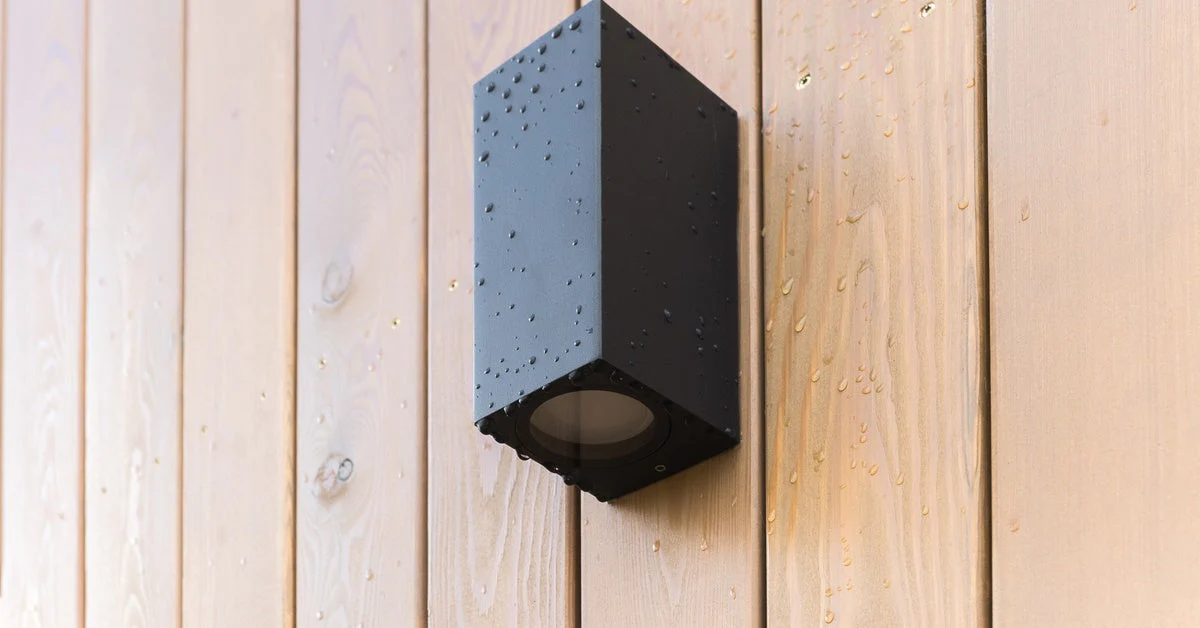
Waterproof solar LED lights solve this problem. These fixtures handle punishment. They survive submersion in water. They handle freezing temperatures. They resist salt air corrosion.
Understanding waterproof solar LEDs transforms how you choose outdoor lighting. You stop replacing lights yearly. You invest once and enjoy results for decades.
WHAT WATERPROOF RATING ACTUALLY MEANS FOR YOUR LIGHTS
IP ratings are two-number codes explaining water and dust protection. The first number rates dust resistance from zero to six. The second number rates water resistance from zero to eight. Higher numbers mean better protection.
- IP54 means moderate dust and water resistance. These lights survive most weather but struggle during heavy rain. Water splashing against the housing won’t damage the light, but standing water penetration remains possible.
- IP65 means complete dust protection and strong water resistance. These lights handle heavy rain without problems. Water sprayed directly at the light causes no damage. Most quality solar lights feature IP65 rating.
- IP67 means complete dust protection and submersion protection for brief periods. These lights survive temporary dunking in water. Heavy flooding doesn’t damage the electronics. This level handles extreme weather and coastal salt spray.
- IP68 means complete dust protection and extended submersion protection. These lights survive permanent water installations. Marine environments, pool sides, and waterfall areas all work with IP68 rated lights.
Material construction determines whether ratings hold over time. Stainless steel and aluminum housings resist corrosion indefinitely. ABS plastic with UV protection lasts fifteen to twenty years. Standard plastic degrades quickly and becomes brittle.
REAL WORLD DURABILITY OF WATERPROOF SOLAR LED LIGHTS
Construction workers use waterproof solar LEDs because they survive building sites. Mud, dust, and water spray all occur simultaneously. Budget lights fail within weeks. Waterproof solar LEDs last years.
Coastal homeowners report exceptional longevity. Salt spray corrodes most materials. Stainless steel housings resist salt air. The lights still function perfectly after five years of constant exposure. Non-waterproof lights deteriorate within months.
Northern climate residents witness freezing protection. Temperatures drop below minus thirty Celsius. Ice accumulates on fixtures. Non-waterproof lights develop internal cracks. Waterproof lights maintain functionality through extreme temperature swings.
Pool side installations demonstrate submersion protection. Water exposure happens daily. Regular splashing occurs constantly. Waterproof solar LEDs survive decades of pool exposure. The sealed construction prevents water penetration.
Garden enthusiasts report surprising reliability. Constant watering and humidity degrade normal solar lights. Waterproof LED lights function perfectly despite daily moisture exposure. The sealed battery compartments prevent moisture entry.
Professional landscapers choose waterproof models exclusively. Budget lights become unreliable. Waterproof solar LEDs remain profitable investments.
HOW WATERPROOF SOLAR LED CONSTRUCTION PROTECTS YOUR INVESTMENT
The sealing process creates waterproof protection. Gaskets and o-rings around battery compartments prevent water entry. Sealing compound around electronic connections blocks moisture. Lens mounting features sealed edges.
Solar panel mounting matters significantly. Quality designs integrate the panel into sealed housing. Budget designs attach panels loosely, allowing water ingress. Proper integration ensures the panel becomes part of the waterproof barrier.
Battery compartments receive special attention. The housing features double seals. The compartment drains any water that enters. The battery sits in a waterproof container separate from electronics. This redundant protection means water cannot damage your battery.
LED protection happens through careful design. The light source sits in sealed glass or polycarbonate housing. The lens bonds permanently to the housing. Light escapes while water remains outside.
Drainage design prevents internal water accumulation. Small drain holes allow condensation to escape. These holes allow drainage while preventing insect entry. Your light never holds standing water internally.
Material selection determines long-term durability. Stainless steel resists rust indefinitely. Marine-grade aluminum develops protective oxide layers. High-impact polycarbonate resists cracking. Budget plastic becomes brittle within years.
ADVANTAGES OF WATERPROOF SOLAR LED LIGHTS
- Long-term cost savings outweigh initial investment. Waterproof lights function ten to fifteen years. Non-waterproof lights require replacement every two to three years. One quality waterproof light costs less than buying replacements repeatedly.
- Maintenance costs drop dramatically. No corrosion problems. No electronic failures from moisture. No seasonal replacement rituals. You install the light and forget about it.
- Coastal property owners enjoy peace of mind. Salt spray destruction becomes impossible. Electronics survive constant salt air. Your investment remains functional through seasons.
- Extreme weather protection makes outdoor lighting reliable. Heavy rainstorms cause no problems. Freezing temperatures don’t crack housing. Your light functions continuously regardless of weather.
- Garden compatibility improves significantly. Frequent watering reaches lights without damage. Humidity and moisture exposure create no problems. Sprinkler systems cause no failures.
- Professional appearance is maintained. Lights that survive weather look intentional. Lights failing seasonally look abandoned. Waterproof lights keep your property well-maintained.
- Flexibility in installation location expands. You install lights in moisture-prone areas freely. Pond sides and constantly damp areas work fine.
- Resale value improves. Well-lit outdoor spaces demonstrate property care and quality installation.
DISADVANTAGES REQUIRING HONEST ASSESSMENT
- Higher initial cost creates hesitation. Waterproof solar LED lights cost more than basic models. The initial investment seems expensive compared to cheap alternatives. Long-term savings offset this cost over time.
- Installation mistakes negate waterproof protection. Improper mounting creates water entry points. Using incompatible hardware breaks the seal. Forcing sealed connections damages gaskets. Professional installation prevents these problems.
- Sealed designs may trap condensation inside. Newer models include drainage solutions. Some designs accumulate moisture internally. This limitation rarely causes problems.
- Panel angle optimization becomes important. The sealed mounting prevents quick adjustments. You position the panel carefully during installation. Repositioning requires equipment.
- Replacement components become necessary eventually. After ten to fifteen years, some components age. Battery replacement requires opening the sealed housing. The replacement process demands care.
- Temperature limits exist for sealed designs. Extremely low temperatures below minus forty may affect battery. Extremely high temperatures above sixty may degrade components. These limits rarely affect homeowners.
- Repair complexity increases. Opening the housing requires expertise. Budget lights are easier to disassemble. Repairs often mean replacement instead of fixing.
- Brightness limitations sometimes occur. Sealed lens designs affect light output slightly. Some designs output less brightness than open designs. The tradeoff exchanges maximum brightness for durability.
CHOOSING WATERPROOF SOLAR LED LIGHTS FOR YOUR SPECIFIC SITUATION
- Assess your climate zone first. Coastal areas demand IP67 minimum. Humid tropical climates require IP65 or better. Arid climates tolerate lower ratings. Northern winter regions benefit from high-rated construction. Match the rating to your weather conditions.
- Calculate brightness requirements. Pathways need moderate brightness. Accent lighting needs less. Security lighting needs maximum. Select output matching your needs.
- Evaluate installation location. Lights near water require IP67. Lights in watering gardens benefit from IP67. Lights on patios with occasional splashing work with IP65.
- Research user experiences. Homeowners in your climate zone provide valuable feedback. Construction workers report practical durability. Learn from people using lights in your conditions.
- Check warranty coverage. Long warranties indicate manufacturer confidence. Twenty-year warranties suggest quality. Five-year warranties indicate conservative protection.
- Evaluate sealing mechanisms. Gasket-sealed designs provide reliability. Solvent-bonded seals represent modern approaches.
- Test water resistance if possible. Submerge the light before purchasing. Observe for bubble formation. Check internal condensation after temperature exposure.
- Consider brand reputation. Established manufacturers provide reliability. Balance pricing against reliability records.
- Plan replacement timelines. Quality lights eventually fail. Plan for battery replacement after eight to ten years. Budget for complete replacement after fifteen to twenty years.
- Prioritize stainless steel construction. These materials resist corrosion indefinitely. Plastic housings eventually degrade.
SUMMARY
Waterproof solar LED lights solve outdoor lighting problems caused by moisture, weather extremes, and corrosion. IP rating systems (IP54, IP65, IP67, IP68) define protection levels. Real users report ten to fifteen year lifespans in harsh conditions. Coastal residents and northern homeowners experience exceptional durability. Waterproof construction uses sealed battery compartments, gasket-protected connections, and corrosion-resistant materials. Advantages include long-term cost savings, minimal maintenance, extreme weather reliability, and professional appearance. Disadvantages include higher initial cost, installation sensitivity, sealed component aging, and battery replacement requirements. Successful selection requires assessing climate conditions, calculating brightness needs, and prioritizing stainless steel construction. Quality waterproof solar LED lights cost more initially but function fifteen to twenty years, making them cost-effective compared to budget alternatives requiring yearly replacement.