Table of Contents
Why I Finally Switched My Whole House To Solar Lights
The Day I Realized My Electric Bill Was Insane
Last year I was paying almost two hundred dollars monthly for outdoor lighting. Two hundred dollars. For lights. When I actually sat down and did the math, I felt stupid. That’s twenty-four hundred dollars yearly just to light up my yard. My patio lights, pathway lights, garden fixtures, deck lights. All running on expensive electricity. I mentioned it to my friend Sarah and she was like, why are you still using regular lights. That’s when I started looking at solar lights for homeowners seriously.
I did research for weeks. Tons of articles. Hundreds of product reviews. YouTube videos of people installing solar lights. What shocked me was how much the technology had improved. Solar lights aren’t some sketchy budget gadgets anymore. They’re sophisticated systems with smart controls, motion sensors, and batteries that actually work. The market data confirmed it too. Solar lights for residential use are growing at fifteen percent annually. That’s not some niche trend. That’s mainstream adoption happening right now.
I started with pathway lights because I needed something simple. My backyard had dark spots where people tripped at night. I installed solar pathway lights and boom, problem solved. That success led me to replace all my outdoor lighting gradually. Garden lights, deck lights, patio lights. I even added smart solar lights with WiFi controls. Now I control everything from my phone. My electric bill for outdoor lighting dropped from two hundred dollars to basically zero.
How Solar Lights Work For Regular People
Solar lights are genuinely simple. A solar panel sits on top and catches sunlight all day. That energy charges a battery inside. At night, the battery powers LED lights automatically. No wiring. No electricity connection. No monthly bills. The panel charges during the day. The lights run all night. It’s a self-sufficient cycle that just works.
LED technology is what makes this practical. Old regular bulbs waste energy as heat. LEDs convert almost all power into actual light. They also last forever. I had normal outdoor lights that burned out constantly. Solar LED lights run for years without replacement. That reliability matters when you have a full yard of lighting.
The brightness comes measured in lumens. Solar lights for homeowners typically range from fifty lumens for small pathway lights up to five hundred lumens for large patio areas. More lumens equals brighter light. You pick the brightness level based on what area you’re lighting and how bright you want it.
Waterproof ratings tell you how much water the lights survive. IP65 rating means heavy rain won’t damage them. IP67 means they handle submersion basically. Your outdoor lights get rained on constantly. That rating matters. Quality solar lights survive weather no problem.
Battery types determine longevity. Lithium-ion batteries last longer and perform better than cheap alternatives. The best solar lights use LiFePO4 batteries that last five to ten years. Battery capacity tells you how long lights stay on. Most decent models run eight to twelve hours on a full charge. Better ones run twenty-four hours even in winter.
Why Your Backyard Needs Solar Lights
Cost savings are massive and immediate. I eliminated two hundred dollars monthly in electricity bills. Over a year that’s twenty-four hundred dollars. Over five years it’s twelve thousand dollars saved. The solar lights cost me maybe fifteen hundred dollars total for my whole setup. That paid for itself in six months. After that, pure savings.
Installation is laughably easy. I installed most lights myself in a weekend. No electrician needed. No digging trenches. No running cables. Just mount the panel in sunlight and put the lights where you want brightness. My neighbor watched me and did her whole setup the next day alone.
Safety improvements are real. Dark yards are accident waiting to happen. People trip. They twist ankles. They bump into things. Solar lights prevent that. Pathways become visible. Deck areas are safe. People actually use your yard at night instead of avoiding it.
Property value increases when your yard looks safe and inviting. Buyers notice well-lit outdoor spaces. Dark yards suggest neglect. Lighting changes that perception immediately. Real estate agents consistently note that outdoor lighting improves appeal.
Security improves dramatically. Intruders hate bright properties. Crime statistics show that well-lit areas have less theft and break-ins. Security cameras work better with light. The combination of lights plus cameras creates genuine security that actually functions.
Ambiance transforms spaces completely. A dark patio is depressing. The same patio with solar lights becomes magical. People want to spend time there. Gatherings feel different. The psychological impact matters as much as the practical one.
Different Types For Different Needs
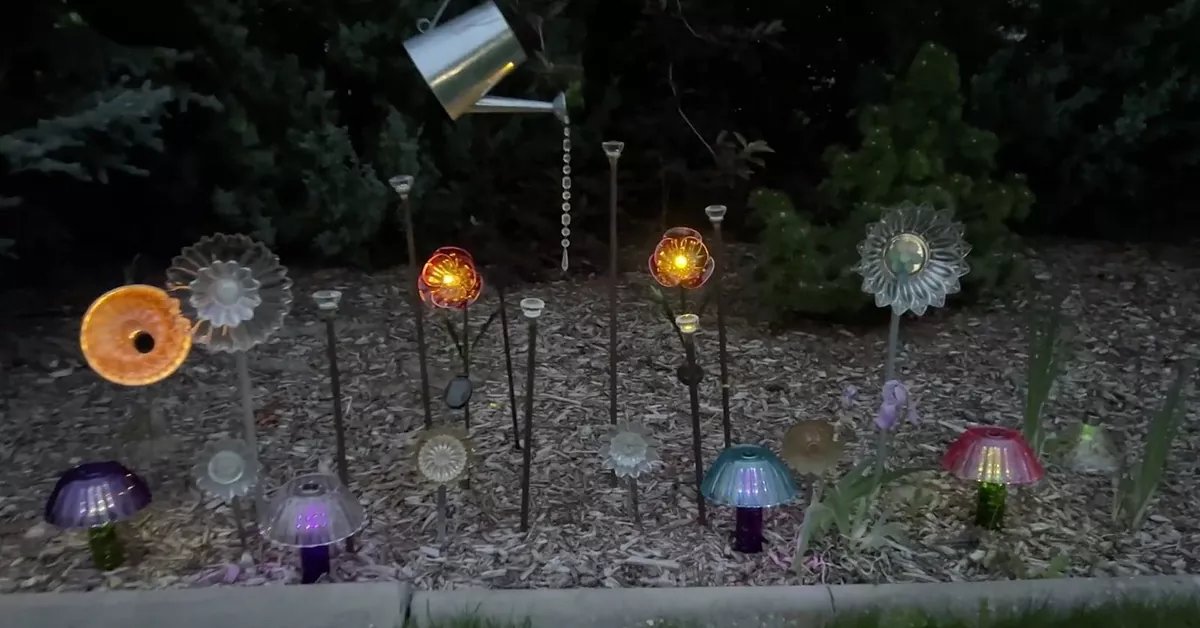
Garden lights work in flower beds, around plants, in landscaping areas. They provide decorative light while highlighting your garden. Pathway lights line walkways showing safe routes. They’re shorter and more numerous. Deck lights mount on railings or posts lighting up deck areas. Patio lights illuminate seating areas. Wall-mounted lights attach to house walls or fences. Stake lights push into ground anywhere in your yard.
Motion-sensor models brighten when movement occurs. They’re energy efficient because they don’t stay bright all night. Timer models switch on and off on schedules you set. Smart lights connect to WiFi and let you control them from your phone. You adjust brightness, set schedules, or check battery status remotely. Non-smart models are cheaper and simpler. Pick what matches your needs.
Color options range from warm white looking cozy and romantic to cool white looking modern and functional. Some models offer both with switchable options. Multicolor lights create festive moods for entertainment. Most people prefer warm white for homes because it feels inviting.
Remote control models let you adjust lights without leaving your chair. WiFi models integrate with Alexa or Google Home. You can voice command your lights on and off. That convenience appeals to people who like technology integration.
Real Benefits That Actually Matter
- Electricity disappears from outdoor lighting costs. That savings starts day one and continues forever. Initial investment pays back in one to two years typically. Then you’ve got another five to ten years of free lighting. The financial math is beautiful.
- Maintenance is basically zero. Clean solar panels occasionally so dust doesn’t block sunlight. That’s literally it. No bulb replacements. No wiring checks. No professional service calls. Solar lights work independently with minimal effort.
- Reliability is genuinely impressive. These lights work in rain, snow, extreme heat, extreme cold. I kept expecting something to break. Nothing did. My lights worked through brutal winters and hot summers without a single failure. That reliability matters for something you depend on.
- Flexibility lets you adjust anytime. You move lights easily. You add more lights as your yard changes. You remove lights if you don’t need them. You’re not locked into permanent installations that cost money to modify.
- Environmental responsibility actually feels good. You’re not burning coal to light your yard. You’re using free clean sun energy. That matters if you care about climate change. Every bit helps.
Honest Problems That Exist
- Battery degradation happens eventually. After five to ten years, batteries lose efficiency. They still work but deliver shorter runtimes. Replacement batteries cost money. That’s unavoidable. Budget for it if you want super long-term use.
- Cloudy climates reduce performance. Heavy cloud cover means less daytime charging. Systems still work but at reduced capacity. If you live somewhere perpetually cloudy, solar struggles. Sunny regions get optimal performance.
- Cheap lights underperform noticeably. Budget options with low-quality batteries fail quickly. Spending more upfront gets better reliability. Cheap lights frustrate owners. Good lights surprise people with longevity.
- Panel placement matters. You need sunlight access for six-plus hours daily. If your yard is shaded, solar struggles. Tall buildings, dense trees create shade problems.
- Initial costs are real money. Quality solar light setups cost hundreds to thousands depending on yard size. That upfront expense matters to some budgets. The payback through savings happens but takes time.
- Brightness has limits compared to grid lights. Solar lights work great for safety and ambiance. They don’t match the intensity of powerful commercial lights. That’s fine for residential use. Know the limitation.
Real Homeowners Using Solar Lights Today
- Residential communities across North America installed solar lights in 2024-2025. Homeowner satisfaction is high. Crime incidents dropped. Residents use yards more confidently. That’s real validation from actual people.
- Suburban neighborhoods added solar pathway lights connecting homes. Young families reported children walking safely at night. Parents felt comfortable with their kids using these pathways. That safety improvement is genuine.
- Apartment complexes switched outdoor lighting to solar. Maintenance calls for broken lights dropped eighty percent. Electricity costs for outdoor areas disappeared. Complex managers appreciate the simplicity.
- Commercial properties in shopping districts installed solar area lights. Property managers noted fewer incidents. Employees feel safer. Customer feedback about well-lit spaces was positive. That’s real business implementation.
What Develops Next
Solar technology keeps improving constantly. Bifacial solar panels capture light from both sides. This boosts charging efficiency significantly. Newer models will leverage this innovation.
Battery technology advances rapidly. Solid-state batteries and new chemistries last longer. Heat resistance improves. Cold weather performance gets better. Future batteries will solve current limitations.
Smart features expand continuously. WiFi controls become standard on more models. Voice activation through Alexa or Google is coming standard. Scheduling and automation become automatic features.
Design innovation continues. Solar lights look better every year. Premium materials and modern designs blend function with aesthetics. Cheap-looking solar lights disappear soon.
AI optimization is coming. Systems will learn your patterns and adjust automatically. Predictive maintenance alerts will appear before problems happen. Smart systems will become incredibly efficient.
Summary
This article explains how solar lights work for individual consumers and why they’re gaining massive popularity in 2025. Market data shows solar residential lighting growing at fifteen percent annually as homeowners recognize fifteen-year cost savings. Solar panels charge throughout the day and automatically power LED lights all night without electricity connections or monthly bills. Real benefits include eliminating outdoor lighting electricity costs completely, saving two thousand to twelve thousand dollars over five years, installation complexity requiring zero contractors or digging, genuine safety improvements preventing accidents, increased property values from well-lit appealing yards, and crime reduction in well-illuminated properties. Honest challenges discussed include battery degradation requiring eventual replacement after five to ten years, reduced performance during heavy cloud cover, upfront costs between one hundred to five hundred dollars per light, and limitations compared to traditional grid-powered lights. Real homeowners and residential communities across North America installed solar lighting systems with documented satisfaction increases. Different styles include garden lights for landscaping, pathway lights for safety, deck lights for seating areas, and smart WiFi-controlled models for convenient remote management. Motion-sensor varieties save battery by dimming when unoccupied. LiFePO4 batteries offer superior longevity compared to standard lithium options. Waterproof IP65 and IP67 ratings ensure durability in rain and snow. Future developments include bifacial solar panels, improved solid-state batteries, standard WiFi integration, voice command activation, and AI-optimized systems. Whether you want safer yards, cut electricity expenses, or modern attractive outdoor lighting, solar lights for homeowners represent the practical choice for 2025 consumers seeking sustainability without sacrifice.