Table of Contents
Desert nights turn cold fast, and regular lights don’t always keep up. Heat drains batteries by afternoon, then fine sand works into seams and dims your light long before you expect it. If a lantern died on you by night two, you already know the frustration. Below: solid picks for 2026, what matters most when buying one, and the habits keeping a solar light running through a full trip into dry, exposed terrain.
Top Solar Lights Worth Packing for a Desert Trip
Five options stand out for heat, sand, and long stretches away from an outlet.
LuminAID PackLite
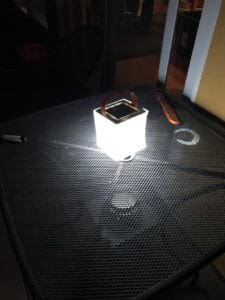
Twist it, and the whole thing inflates into a lantern in seconds. The waterproof shell keeps dust and sand out of the electronics, and a built-in USB port lets it double as a phone charger when the trip runs long.
MPOWERD Luci Outdoor and Luci Pro
The base Luci Outdoor runs on solar power only. No cables, no ports, nothing to plug in. Testers who have compared both versions note the Luci Pro puts out a warmer light than the standard Outdoor model, worth knowing if bright white LED light feels harsh inside a tent at night. Either one collapses flat for the pack.
Goal Zero Crush Light
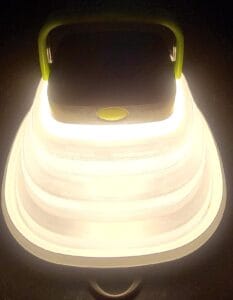
Barely three ounces, and it might be the lightest solar lantern worth buying this year. The trade-off is total output: it suits close-range tasks like reading or cooking better than lighting up an entire campsite.
Multi-Lantern Packs
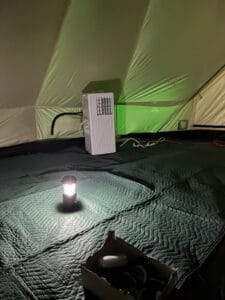
A four-pack of smaller lanterns, each running around 600 lumens, spreads light across a whole group site instead of forcing everyone to share one source. Many of these budget-friendly sets accept solar, USB, and standard AA batteries, useful on the one trip your panel doesn’t get enough sun. A solid option for families or larger groups splitting up tents.
BioLite
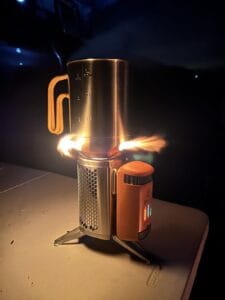
BioLite leans into practical, no-frills camp gear, and its solar-capable lanterns fit the same approach. Nothing flashy here, a rechargeable cell paired with a small panel built to survive repeated trips.
Any of these five work well for desert camping in 2026. The real difference comes down to group size and how much weight you want to carry.
For everything else on the packing list, a broader desert camping gear guide covers tents, hydration, and cooling beyond lighting.
What to Look for in a Solar Light for Desert Camping
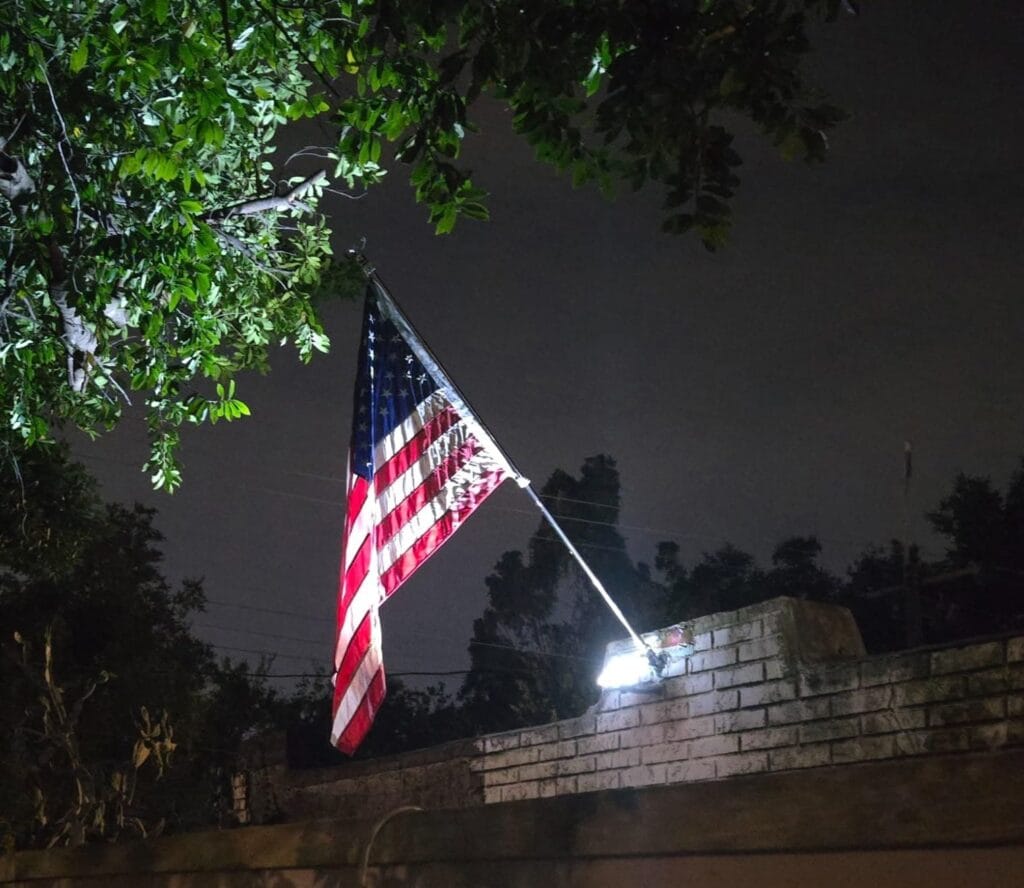
Desert conditions test gear in ways a store shelf never will.
- IP rating: Look for IP65 or higher. A regular dust rating doesn’t account for how far fine sand travels on desert wind.
- Lumens: Most camp-ready units land somewhere between 75 and 400 lumens depending on the job. A tent interior needs far less light than a shared cooking area.
- Battery type: Lithium-ion holds up best across a desert’s temperature swings, scorching by day and cold by night.
- Heat tolerance: Panels lose efficiency as they heat up, so a slightly larger panel or heat-resistant housing helps offset the drop.
- Charging flexibility: Solar-only works fine on clear days. A model also taking USB or AA batteries covers you when a dust storm rolls through.
- Weight: Backpackers want collapsible and light. Car campers have room to spare for something heavier and brighter.
- Price and value: A higher price tag doesn’t guarantee better desert performance. Someone camping once a year needs less rugged durability than someone heading out every month.
A light checking every one of these boxes was built with the desert in mind, not only a backyard patio.
Types of Solar Lights and Which One Fits Your Trip
Matching light type to trip type saves pack space.
- Lanterns remain the default for good reason: even light across a tent or cooking area, and most fold flat.
- String lights wrap around a tarp frame or roof rack, spreading a soft glow across a shared space without one glaring bulb pointed at anyone.
- Stake and spotlights work well on firm campground soil, less so on loose sand where a stake won’t stay upright. Rocky desert ground tends to hold one better than a soft dune does, worth checking before you pack one.
- A solar headlamp earns its spot as backup rather than primary light, freeing up your hands after dark.
A solo backpacker gets by fine with one lantern and a headlamp. Bigger groups do better spreading two or three light sources around camp instead of relying on one central lantern everyone has to walk toward after dark.
Getting the Most Out of Your Solar Light in the Desert
A few small habits stretch a charge much further out here.
- Angle the panel toward direct sun whenever you set up camp. Strapped to a pack or propped on a rock in the open beats a shaded tent corner every time.
- A quick wipe each morning keeps dust from cutting into how much charge the panel takes in.
- Top off the battery fully before you leave home. Cloud cover or an unexpectedly shaded site eats into day one’s charging window fast.
- Keep it out of direct heat once charged. Battery cells age faster sitting in a hot car or tent than they do in regular use.
- Partial charge cycles beat running the battery to zero every night, when the schedule allows it.
- A small microfiber cloth in the pack handles sand removal without scratching the panel glass the way a rough sleeve might.
- Check the forecast before you leave. A run of dust-storm days calls for packing a charged USB power bank as backup instead of counting on the sun alone.
Common Mistakes Campers Make With Solar Lights in Harsh Conditions
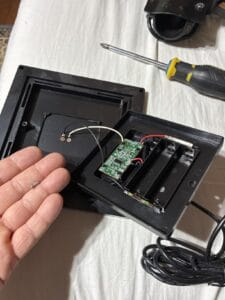
A few habits quietly wreck an otherwise solid light.
- Buying a low IP-rated light for a sandy trip. The damage from grit working into an unsealed housing often goes unnoticed until the light stops charging altogether.
- Packing it face-down or burying it under gear during the day, which blocks the one thing it needs most: sunlight.
- Treating “solar-only” as “maintenance-free.” Panels still need wiping. Batteries still age faster in heat.
- Leaving a fully charged light inside a hot tent or car for hours at a time.
- Skipping a test run before the trip, then discovering a dead cell miles from the nearest outlet.
- Cleaning the panel with water or a rough cloth against the manufacturer’s instructions, wearing down the seal over time.
- Assuming a solar light performs the same in cold desert nights as it does under daytime heat. Battery output drops in the cold too, not only under extreme heat.
FAQs
Do solar lights work well in extreme desert heat?
Reasonably well, though high heat trims panel efficiency a bit and speeds up battery aging over the life of the unit. Heat-resistant housing helps offset both.
How many lumens do you need?
Less than most people assume. Seventy-five to 150 lumens covers a tent interior comfortably. Push the number toward 400 for a shared cooking or seating area.
Does sand cause permanent damage?
Over time, yes, mostly from scratching the panel or working into seams across repeated trips. Wiping the panel down after every use prevents most of it.
Is USB charging worth having as a backup?
Worth it, yes. A solar-only lantern is fine on a clear-sky trip, but a USB backup earns its keep the one time a dust storm rolls in for two straight days.
How long do the batteries last?
Several years of regular use for a decent lithium-ion cell, though repeated exposure to extreme heat shortens the window some.
Do pricier lights perform better in the desert?
Not necessarily. A mid-range light with a solid IP rating and hybrid charging often beats a premium model skipping desert-specific durability testing.
What about charging on dusty or overcast days?
Slower, but it still happens. Airborne dust scatters some sunlight before it reaches the panel, exactly when a USB backup earns its place in the bag.
Does light color matter for a desert campsite?
Mostly for comfort rather than function. Warmer light blends in with a campfire and feels easier on tired eyes late at night, while a cooler white throws slightly more usable brightness for cooking or setup tasks.
Match the gear to the trip, wipe the panel more than you think you need to, and the desert stops being the reason your camp goes dark.
Summary
This guide breaks down the best solar lights for desert camping in 2026, covering top picks like LuminAID, MPOWERD Luci, and Goal Zero, the buying factors mattering most in heat and sand, and which light type fits solo or group trips. It also covers charging habits worth building and common mistakes worth avoiding before a desert trip. A short FAQ section closes things out with lumen counts, sand damage, and battery lifespan questions campers ask most.