Table of Contents
You see them everywhere now. Parking lots. Garden paths. Farm driveways. Even some streets.
The 50W solar street light is the most popular size. Big enough to light a real area. Small enough to afford.
But prices jump all over. One seller wants $50. Another wants $180. Both sell 50W lights. What gives?
Let me walk you through what you actually get.
Two types of 50W solar street lights
First thing you need to know. Two different designs.
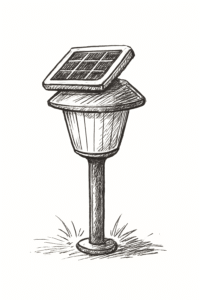
All in one. The solar panel, battery, LEDs, and sensor are all in one box. You mount the whole thing on a pole or wall. Looks clean. No wires hanging around. Easier to install. But if one part fails, you replace the whole unit .
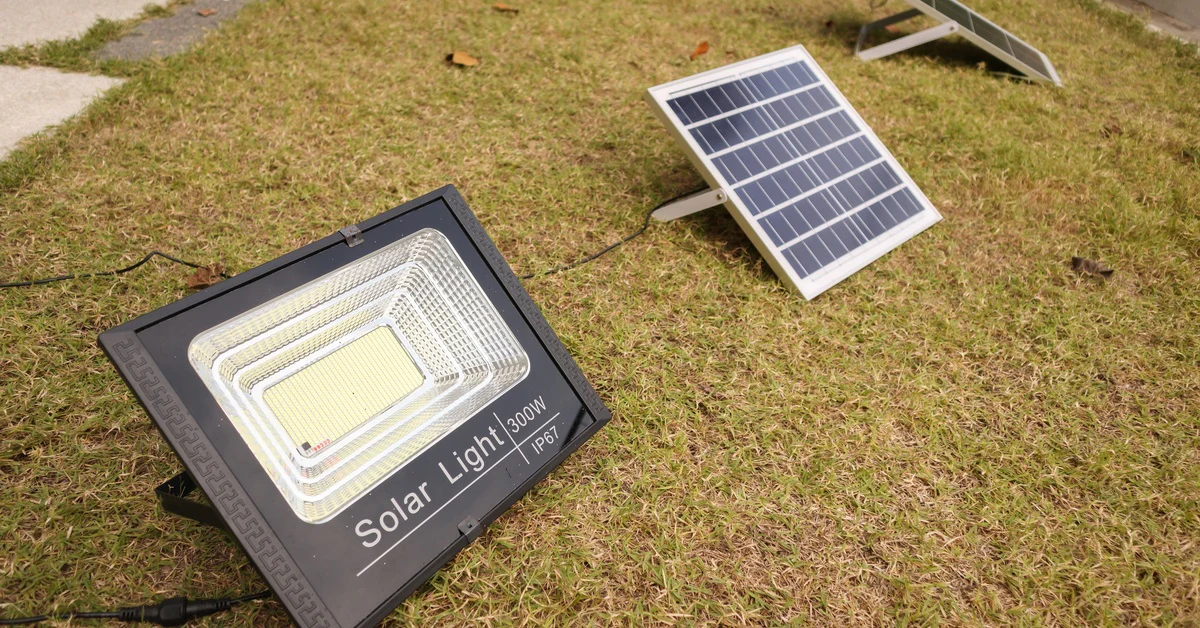
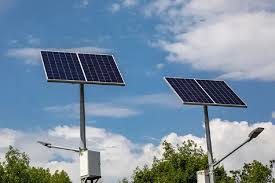
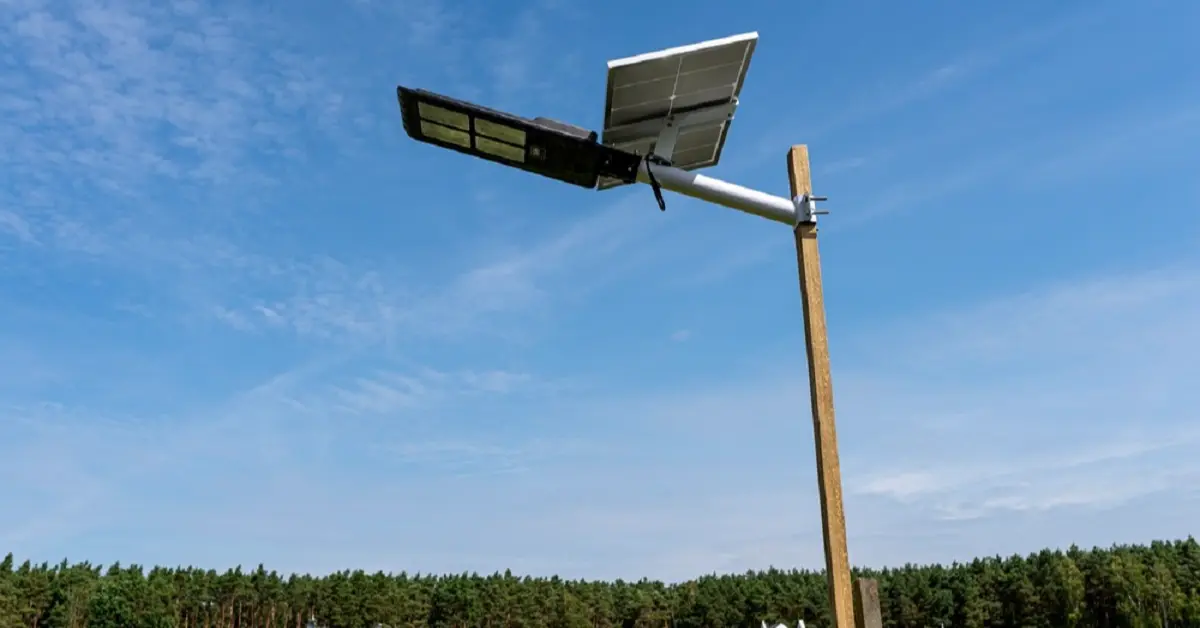
Split type. The solar panel is separate from the light head. Panel goes on top. Light goes lower on the pole. A wire connects them. Takes more time to install. But you can aim the panel at the sun and aim the light at the ground. Better performance. Easier to repair .
Most cheap lights are all in one. Most commercial grade lights are split type.
How much does a 50W solar street light cost?
Prices vary by country and quality. Here is what you will pay.
Basic all in one. $50 to $80. Works for gardens or small driveways. Plastic housing. Smaller battery. Lasts two to three years.
Mid range split type. $80 to $130. Aluminum housing. Better battery. Lasts four to five years. Good for parking lots and streets.
Commercial grade. $130 to $180. Large solar panel. LiFePO4 battery. Motion sensor. Remote control. Lasts five to seven years .
In India, a decent 50W all in one costs about ₹12,300 . In Pakistan, prices start around Rs. 9,000 and go up to Rs. 27,500 . In the US, expect $100 to $180 for something that actually works.
Do not buy the $50 light from a random online seller. I made that mistake. The battery died in eight months. The plastic cracked in the sun. Cheap costs more in the long run.
What features should you look for?
Not all 50W lights are the same. Here is what separates good from bad.
Solar panel. Mono crystalline is better than polycrystalline. Converts more sunlight to power. Look for 50W to 75W panel size. Some cheap lights pair a 50W light with a 25W panel. That never fully charges .
Battery. LiFePO4 is the gold standard. Lasts 2,000 to 5,000 charges. Works in cold weather. Cheaper lights use lithium ion or even lead acid. Avoid those .
Lumens. A good 50W light produces 5,000 to 10,000 lumens. That is bright enough to light a 20 by 20 meter area. Cheap lights claim 50W but only give 2,000 lumens. Check the fine print .
IP rating. IP65 means rain and dust proof. IP66 is better. IP67 means you can dunk it in water. For street lights, IP65 is the minimum .
Motion sensor. Most 50W street lights have a PIR sensor. The light runs at 20 or 30% power all night. When someone walks by, it jumps to 100% for 30 to 60 seconds. Saves battery. Extends runtime .
Remote control. Lets you change modes without climbing the pole. Set timer. Adjust brightness. Turn motion sensor on or off. Very useful .
How to install a 50W solar street light
The job takes two to four hours. One person can do it. Two makes it easier.
Step one. Pick the spot.
The solar panel needs direct sun. Not morning sun. Not afternoon sun. Six to eight hours of direct, unobstructed sun. South facing is best in the northern hemisphere.
Check for trees, buildings, or other shadows. A shadow across the panel kills your light for the whole night.
Step two. Mount the hardware.
For all in one, bolt the unit to a pole or wall. Most come with metal brackets. Tighten everything. Wind will shake a loose light loose.
For split type, mount the panel bracket first. Then mount the light bracket. Run the wire between them. Keep the wire away from edges where it can rub and fray .
Step three. Connect the wires.
Match red to red. Black to black. Most lights use waterproof connectors. Push them together until they click. Wrap with electrical tape for extra protection.
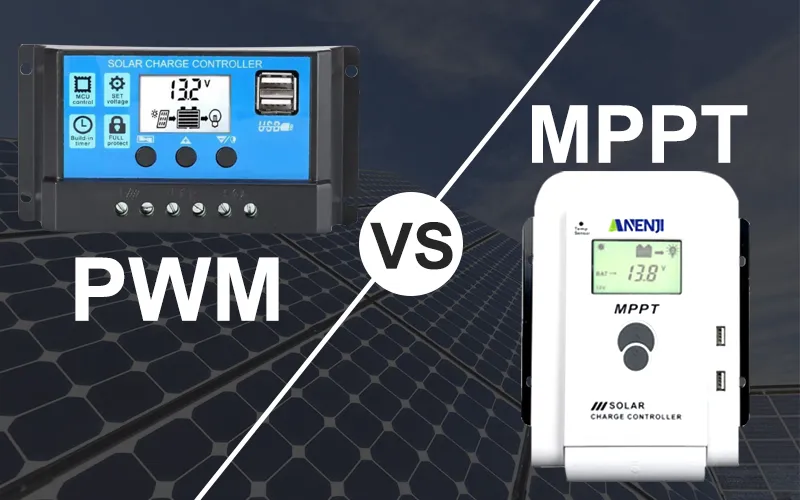
Some split type systems have a separate charge controller box. Mount that near the battery. Connect panel to controller. Controller to battery. Battery to light .
Step four. Set the angle.
The solar panel angle depends on your latitude. A good rule of thumb is your latitude plus 15 degrees in winter, minus 15 in summer. If you do not want to change it twice a year, set it at your latitude.
The light head should point down at 15 to 30 degrees. You want the beam on the ground, not in the sky.
Step five. Test the light.
Cover the solar panel with a towel. The light should turn on within 30 seconds. Wave your hand in front of the motion sensor. The light should jump to full brightness.
Use the remote to test different modes. Timer settings. Brightness levels. Make sure everything works before you walk away .
Common installation mistakes
I have seen people mess this up too many times.
Wrong height. Mount a 50W light at 10 meters and the ground looks dark. Mount it at 4 meters and the light is blinding. Recommended height is 5 to 6 meters for a 50W light. That gives you a 15 to 20 meter wide circle of useful light .
Panel facing the wrong direction. North facing panel in the northern hemisphere gets almost no sun. Point it south. Always.
Shadows on the panel. A single branch or chimney shadow across the panel cuts charging by 50%. Watch the shadow path across a full day.
Loose connections. Water gets into loose plugs. Corrosion kills the connection. Then nothing works. Use dielectric grease on all outdoor connections.
Skipping the charge controller. Some cheap split type kits skip the controller to save money. Do not buy those. The controller stops overcharging. Without it, your battery dies in months.
How long does a 50W solar street light run?
Depends on your settings and your sun.
On a sunny day, the battery fills completely in 6 to 8 hours .
At night, three common modes.
Continuous mode. Light runs at 100% from dusk to dawn. Runtime is 6 to 10 hours. Good for streets that need constant light.
Smart dimming mode. Light runs at 100% for the first 4 hours. Then drops to 50% for 4 hours. Then 20% until dawn. Runtime is 10 to 14 hours. Good for parking lots.
Motion sensor mode. Light runs at 20 to 30% all night. Jumps to 100% when someone walks by. Runtime is 3 to 5 nights on one charge. Good for areas with low traffic .
On cloudy days, expect 30 to 50% less runtime.
Maintenance tips
Solar street lights are low maintenance. Not no maintenance.
Clean the panel. Dust cuts output. Bird droppings kill it. Clean the panel every two months. Use a soft cloth and water. No soap. No scrubbers .
Check the battery. LiFePO4 batteries last 5 to 7 years. When the light runs less than half the normal time, replace the battery. Some lights have replaceable batteries. Some do not. Check before buying.
Inspect the seals. Water is the enemy. Check the gaskets around the panel and light housing every year. Replace cracked gaskets.
Trim trees. Trees grow. Branches that were fine last year shade your panel this year. Trim them back.
Clear snow in winter. Snow on the panel blocks all light. Brush it off after storms. Do not use a metal shovel. Plastic brush only.
All in one vs split type which is better
Here is my take after using both.
All in one pros. Clean look. No visible wires. Faster install. Takes up less space on the pole.
All in one cons. Panel faces the same direction as the light. You cannot aim each separately. If the light faces north, the panel faces north too. That is bad. Also, if any part fails, you replace everything .
Split type pros. Panel aims at the sun. Light aims at the ground. You get better charging and better lighting. Easier to replace just the battery or just the panel.
Split type cons. Wires on the pole. Takes longer to install. More parts to fail.
For a driveway or garden, all in one is fine. For a street or parking lot where reliability matters, get split type.
Frequently Asked Questions
Q1: How bright is a 50W solar street light?
A good one gives 5,000 to 10,000 lumens. That lights up an area the size of two tennis courts. A cheap one gives 2,000 lumens. Check the lumen number, not the watt number.
Q2: Does a 50W solar street light work in winter?
Yes but less. Shorter days mean less charging. The light runs for fewer hours. Some models have a winter mode that dims the light to save power.
Q3: Can I install a 50W solar street light myself?
Yes. No electrician needed. No grid connection. Just mount it and aim it. But you need a ladder and basic tools.
Q4: How high should I mount a 50W solar street light?
Five to six meters is ideal. Lower than that and the light is too bright. Higher than that and the ground is too dark .
Q5: How long do the batteries last?
LiFePO4 batteries last 5 to 7 years. Cheaper batteries last 2 to 3 years. Replace them when runtime drops below 4 hours.
Q6: Does it work on cloudy days?
Yes but shorter. The panel still collects some light. On fully overcast days, expect 30 to 50% less runtime. After three cloudy days, the battery may run empty.
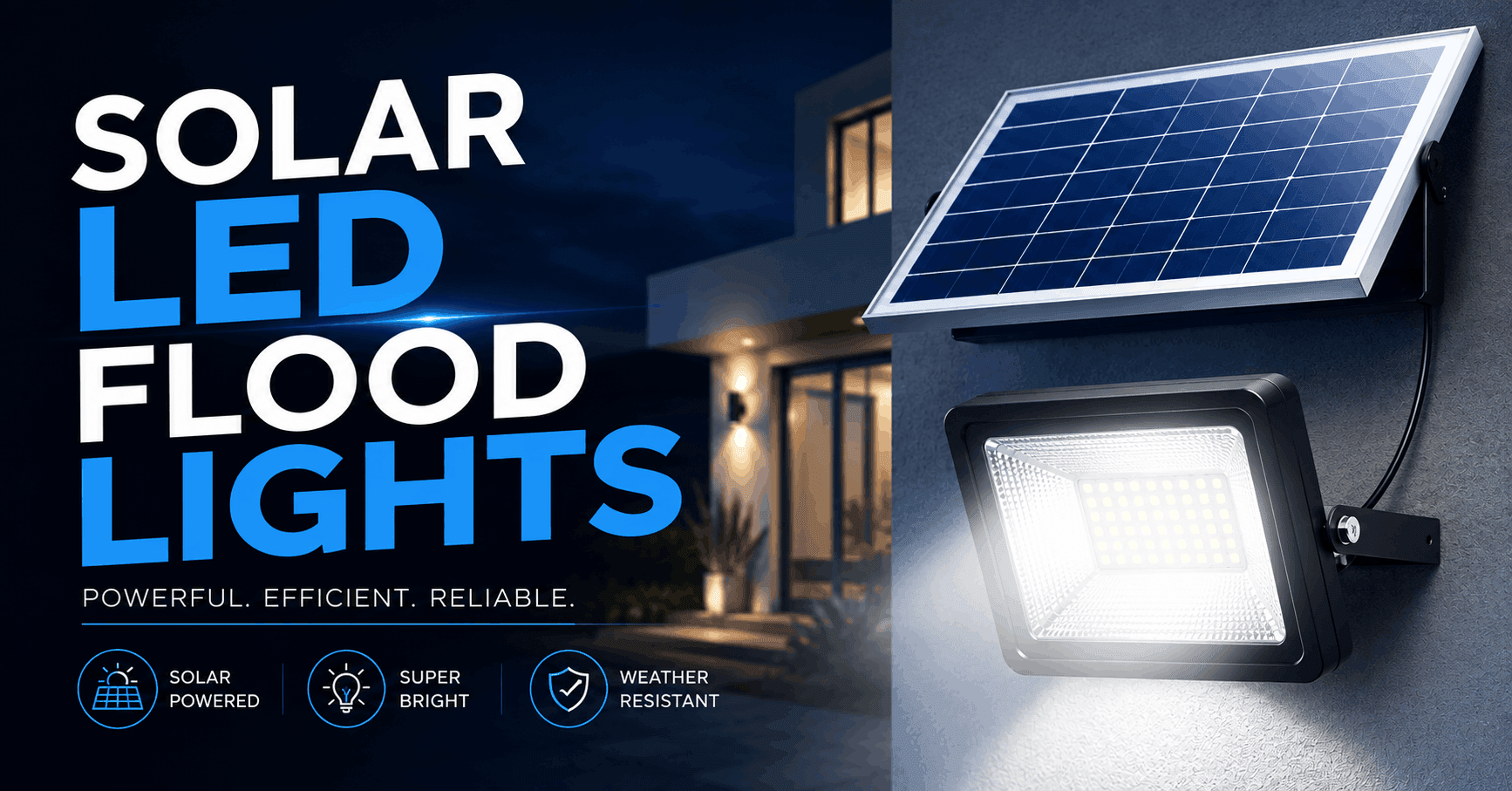
Q7: Can I use a 50W solar street light as a floodlight?
Yes but it is overkill. A 50W street light is designed for poles. A 50W floodlight is smaller and cheaper. Buy the right tool for the job.
Q8: How much area does a 50W solar street light cover?
At 6 meters high, it covers a 15 to 20 meter circle. At 5 meters high, it covers a 12 to 15 meter circle .
Summary
A 50W solar street light costs $50 to $180. You get what you pay for. Cheap lights fail in two years. Good lights last seven. Look for mono crystalline solar panels, LiFePO4 batteries, IP65 rating or higher, and a motion sensor. Install at 5 to 6 meters height. Point the panel south. Clean it every two months. All in one is easier to install. Split type performs better. For a driveway, garden, parking lot, or small street, a 50W solar light is the right size. Do not buy the cheapest one. Spend a little more. It pays off in years of free light.