Table of Contents
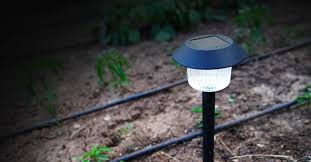
Why do solar lights fail so quickly? If you have asked yourself this, you are not alone. You buy a set, they look great for a few weeks, and then slowly one by one they stop working. Some go dim. Some stop coming on altogether. And the worst part is that nobody warned you this was coming.
Here is the thing though. Most of the time, the lights are not actually broken. Something specific went wrong, and that something is usually fixable. You just need to know where to look.
This is something we cover in detail in our guide on How to Tell if a Solar Light Is Working
It Almost Always Starts With the Battery
Nine times out of ten, a solar light that has stopped working has a battery problem. Not a broken light. Not a faulty panel. A worn-out battery that cannot hold charge anymore.
Here is why this happens faster than it should. A lot of solar lights sold at budget prices use nickel-cadmium batteries. These are small, cheap, and they get fully drained every single night. Imagine running your phone from one hundred percent down to zero every day without exception. Within a year, that battery starts struggling. Within two years, it often cannot hold enough charge to run the light past midnight.
The frustrating part is that people buy a replacement set instead of a replacement battery. The new set has the exact same battery inside it. The same thing happens again in twelve months. Swapping the battery in your existing light takes five minutes and costs almost nothing. That is where you start, always.
Where You Put the Light Matters More Than You Think
Solar lights need real, direct sunlight. Not just daylight. Not bright-ish outdoor light. Actual direct sun hitting the panel for at least six to eight hours a day. If your light is sitting under a tree, next to a tall fence, or in a corner that gets shade from mid-afternoon onwards, it is never fully charging.
What trips people up even more is that the sun moves across seasons. A garden spot that gets full sun in July might be sitting in partial shade by October because the sun sits lower in the sky. Your light worked through summer and then died in autumn, and you assumed it was broken. In reality it just lost its charging window.
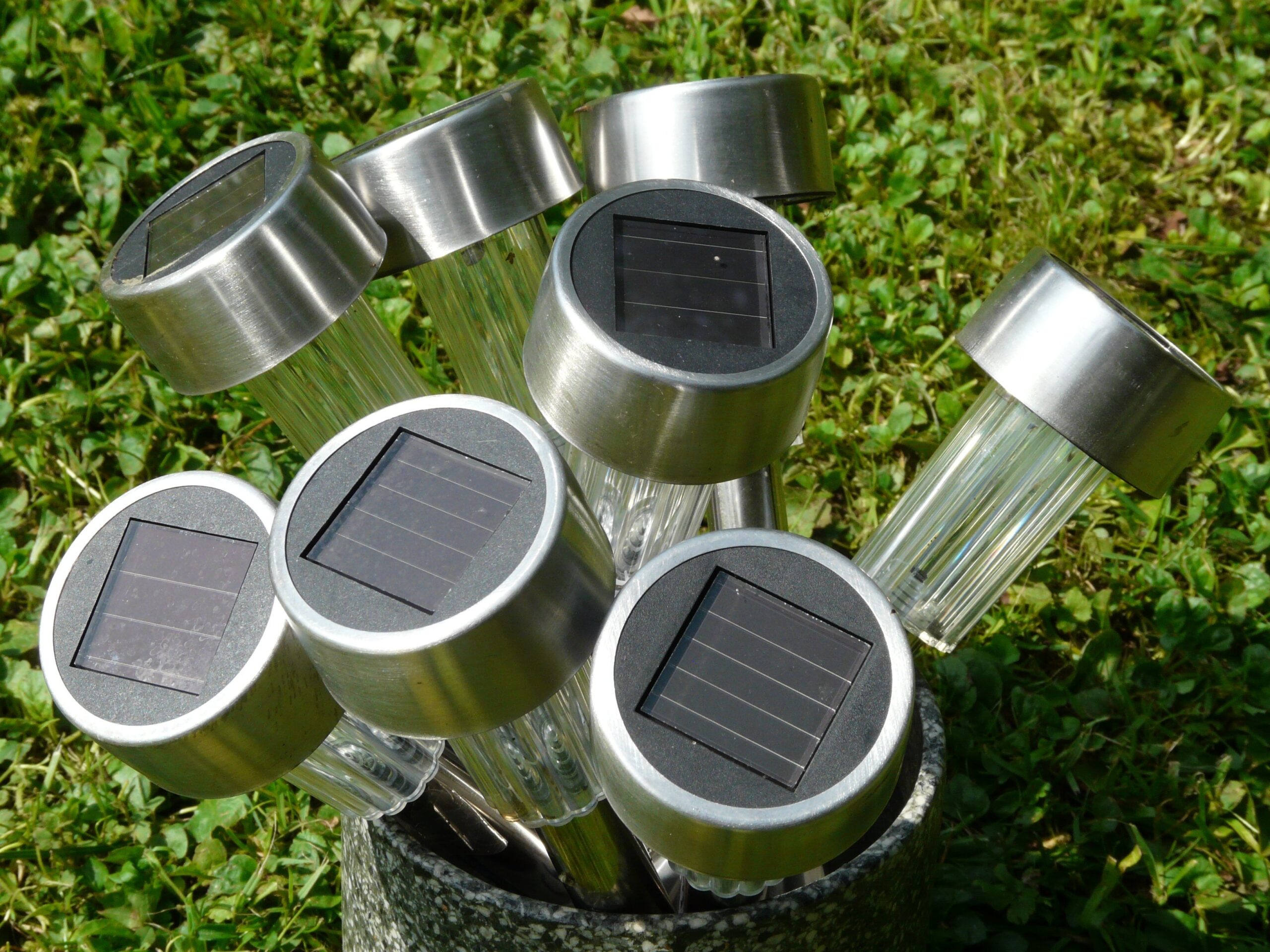
Even dust on the panel is enough to cause real problems. A thin film of grime that builds up over a few months can cut charging efficiency by more than half. That is not an exaggeration. Half the energy your panel should be collecting just does not get through. Wiping the panel with a damp cloth once a month is one of the simplest things you can do, and most people never bother.
Cheap Lights Are Designed to Fail, Whether Intentionally or Not
This is the part that nobody puts on the packaging. A lot of budget solar lights are built in a way that works against their own battery from the very first day.
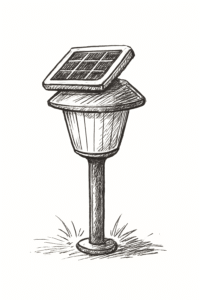
Picture the inside of a typical cheap solar light. The panel sits right on top, with the battery compartment directly underneath it and zero insulation between them. On a hot summer day, that panel heats up to temperatures well above sixty degrees Celsius. All of that heat radiates straight down into the battery sitting below it. Every single charge cycle is essentially cooking the battery from above. You buy the light in spring, it works through summer, and by the following winter the battery is done. The design made that outcome almost inevitable.
Cheap lights also skimp badly on sealing. The gap between the top and bottom of the housing might be covered by a thin foam strip that looks fine in the shop. After a few months outside, that foam compresses, gaps open up, and water finds its way in. Once moisture is inside the housing it starts corroding the circuit board and the wiring connections. The light does not die immediately. It gets dimmer, more inconsistent, and then one day stops working entirely.
Water Gets In Even When the Light Says It Is Weatherproof
Weatherproof and waterproof are not the same thing, but the packaging on a lot of solar lights treats them as if they are. The IP rating printed on the box, if there even is one, tells you the real story.
IP44 means the light handles splashing water from any direction. That sounds fine until you actually think about what outdoor lights go through. Rain driven sideways by wind. Standing water after a heavy downpour. Condensation forming inside the housing every single night as temperatures drop. IP44 is not enough for most real outdoor conditions.
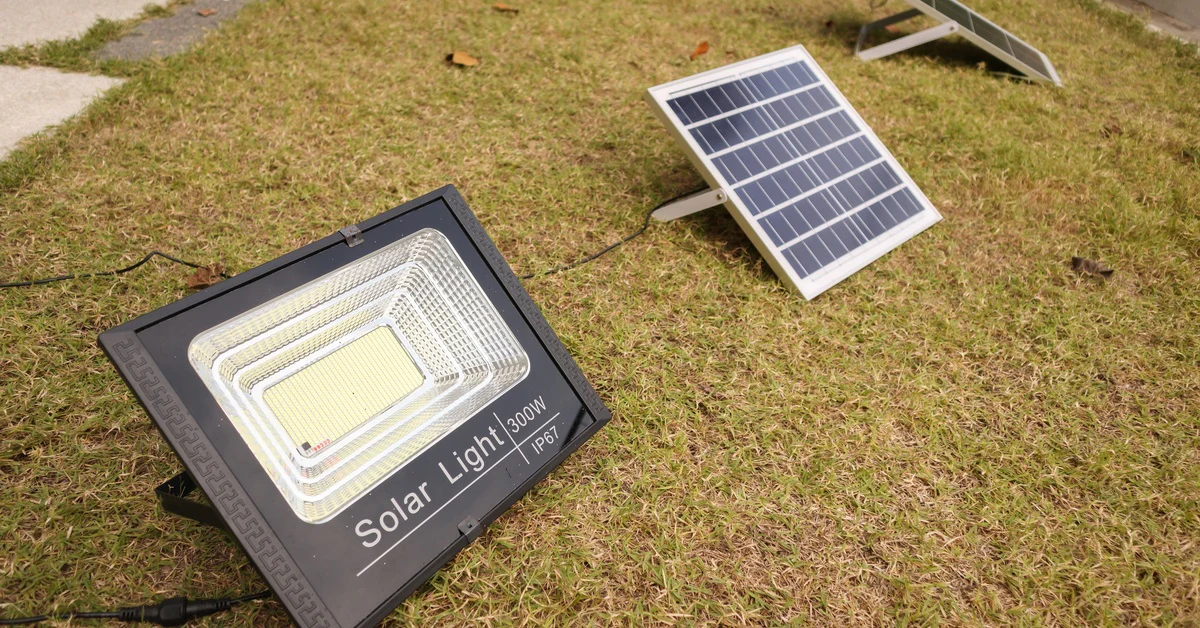
IP65 handles direct jets of water. IP67 can survive brief submersion. For anything sitting in an open garden through a proper wet season, IP65 is the minimum you want. Buying a light with IP44 and placing it somewhere exposed is a reliable way to kill it within one winter.
When water corrodes the internal components, it does not always cause an instant failure. It chips away at performance over weeks. The light dims slightly, then more, then it just stops one evening and never comes back on.
The Little Sensor That Gets Confused
Solar lights use a small component called a photocell to detect darkness and switch the light on. When this sensor works properly you never think about it. When something interferes with it, the light behaves strangely or stops working at night entirely.
The most common interference comes from nearby artificial light sources. A streetlamp fifty metres away. A porch light on the wall nearby. Even a bright window. The photocell reads that artificial light and decides it is still daytime. The light never switches on. People spend weeks thinking their solar light is broken when moving it two metres in a different direction would fix the problem in an instant.
Dirt on the photocell does the same thing. The sensor cannot read light levels properly through a layer of grime. Clean it when you clean the panel and this problem usually goes away on its own.
This is something we cover in detail in our guide on Do Solar Lights Need Cleaning
Cold Weather Does Real Damage to Batteries
Heat hurts batteries slowly over time. Cold hurts them in a different, more immediate way. When temperatures drop significantly, the chemical reactions inside a rechargeable battery slow down. The battery charges less efficiently during the day and delivers less power at night.
A solar light that worked perfectly from April through October might barely come on by December. Not because anything broke. Because the battery is operating in conditions it was never really designed to handle well, especially if it is already a year or two old and has lost some of its original capacity.
In places where winter is genuinely harsh, bringing solar lights indoors for the coldest months and storing them somewhere dry extends the battery life by a meaningful amount. Not everyone has the patience for that, but if you want lights that still work in three years it is worth considering.
The Switch That Everyone Forgets
Before diagnosing anything else, check the on and off switch. Nearly every solar light has one, and it is there for shipping and storage purposes. If it got knocked to off somehow, or was never switched on after unboxing, the light will not work no matter how much sun it gets.
This sounds too simple to be worth mentioning. It fixes the problem more often than it reasonably should. Check it first, before you do anything else.
What to Do Differently Going Forward
Why do solar lights fail so quickly mostly comes down to a short list of things that are entirely in your control:
- Replace the battery every two to three years before it fails, not after.
- Place lights where they get six to eight unobstructed hours of direct sunlight daily.
- Wipe the solar panel and photocell down with a damp cloth once a month.
- Buy lights with an IP65 rating or higher for any exposed outdoor location.
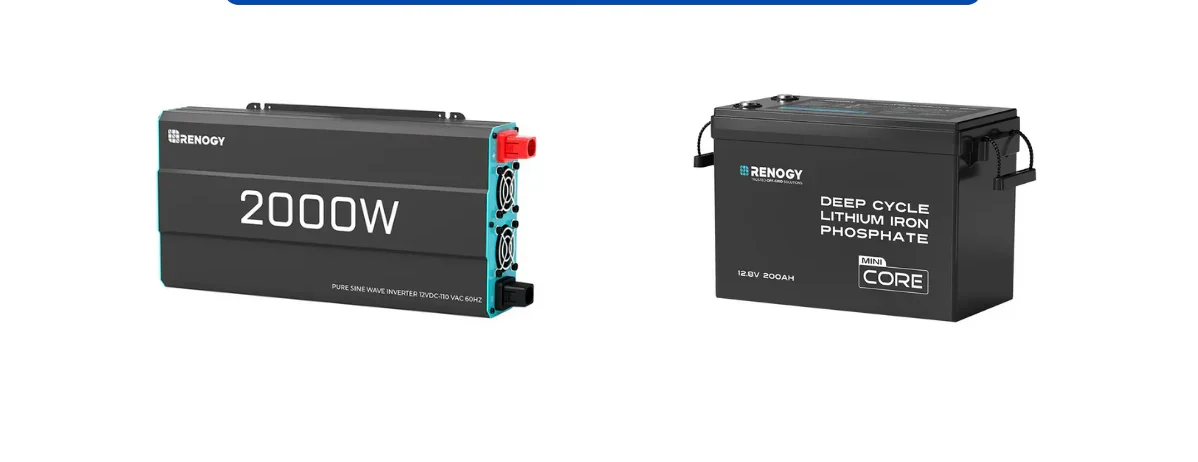
- Look for LiFePO4 batteries in the lights you buy. They handle deep discharge cycles far better than standard NiCd options and last significantly longer.
- Avoid the absolute cheapest options available. The saving is not worth it when you replace the set every season.
Solar lights are genuinely low-maintenance when you buy the right ones and give them the right conditions. The reason so many people find them frustrating is that budget options and poor placement set them up to fail from the start. Fix those two things and the rest mostly takes care of itself.
Summary
Solar lights fail quickly for reasons that are almost always fixable. Dead batteries, dirty panels, poor placement, cheap seals, and confused light sensors account for the vast majority of failures. Replace the battery before it gives out completely, wipe the panel monthly, position lights in full direct sun, and match the IP rating to your actual weather conditions. Buying lights with LiFePO4 batteries and IP65 or higher ratings from the start saves a lot of frustration down the line.