Table of Contents
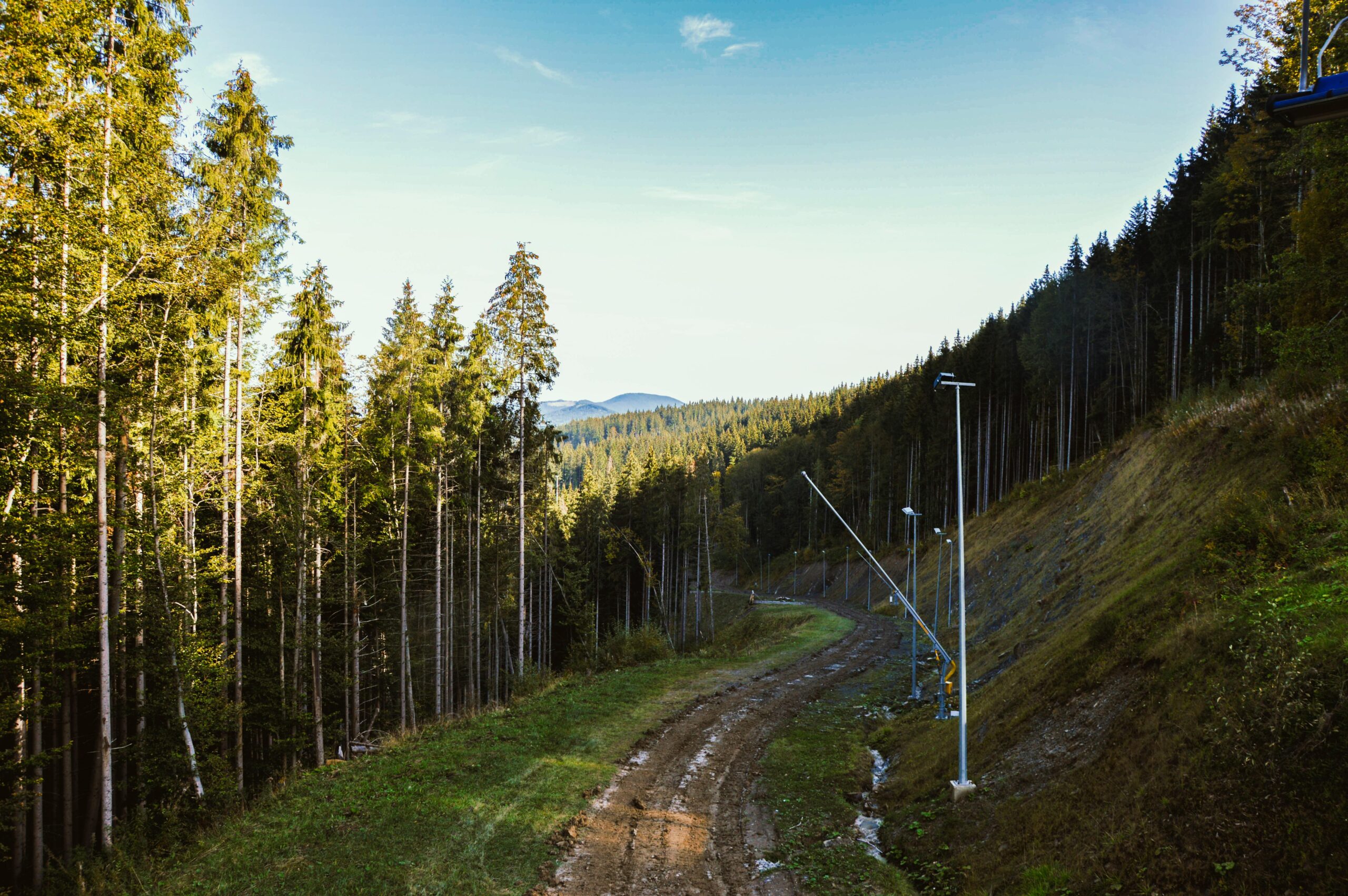
Solar lights for forest areas present a challenge that most product descriptions completely ignore. Every solar light listing shows photos of panels bathing in full afternoon sun on a clear day. Nobody photographs their solar light hanging under a thick oak canopy on a grey November afternoon. But that is exactly the condition you are dealing with if you have a wooded property, a forest cabin, or a trail that runs through dense tree cover.
The honest truth is that not every solar light handles forest conditions well. Some fail completely. Some deliver just enough to be frustrating rather than useful. A small number genuinely work and this article focuses specifically on those, why they work, and how to get the most out of them when direct sunlight is a limited resource.
Why Forest Areas Are Hard on Solar Lights
Tree canopy blocks more sunlight than most people expect standing underneath it. Even on a clear sunny day, dense forest canopy filters out 70 to 90% of direct sunlight before it reaches ground level. What gets through is diffuse light, scattered and weakened, nowhere near the intensity a standard solar panel needs for efficient charging.
The problem compounds through the seasons. Summer canopy is at its thickest exactly when you most want your outdoor lighting to perform well. Autumn loses the leaves but gains shorter days and lower sun angles that reduce panel efficiency regardless of canopy coverage. Winter in forested areas often combines bare canopy with heavy cloud cover and genuinely short charging windows.
Standard solar lights built for open garden use assume six to eight hours of direct sun daily. A forest environment rarely delivers that. The solar light sitting under your tree line is working with a fraction of the energy input it was designed around, and performance reflects that gap directly.
Solar Lights for Forest Areas: The Panel Technology That Makes the Difference
This is the single most important factor when choosing solar lights for forest areas. The panel technology determines how much usable electricity the device extracts from the limited and diffuse light available under tree cover.
Monocrystalline panels are the only type worth considering for forest and heavy shade environments. They convert diffuse light, the scattered low-intensity light that filters through canopy, into electricity more efficiently than any other panel type available in consumer solar products. On a heavily overcast day under partial canopy, a monocrystalline panel still charges. Slowly, but consistently.
Polycrystalline panels need stronger, more direct light to perform. Under forest canopy they charge poorly and often fail to accumulate enough charge for meaningful overnight performance. This is the panel type in most budget solar lights and the primary reason budget solar lights fail in forest conditions.
Some 2026 models use bifacial panels that collect light from both front and back surfaces. In forest environments where light reflects off ground cover, water, and surrounding surfaces, bifacial panels extract additional charge that single-face panels miss entirely. The efficiency gain in diffuse light conditions is real and measurable.
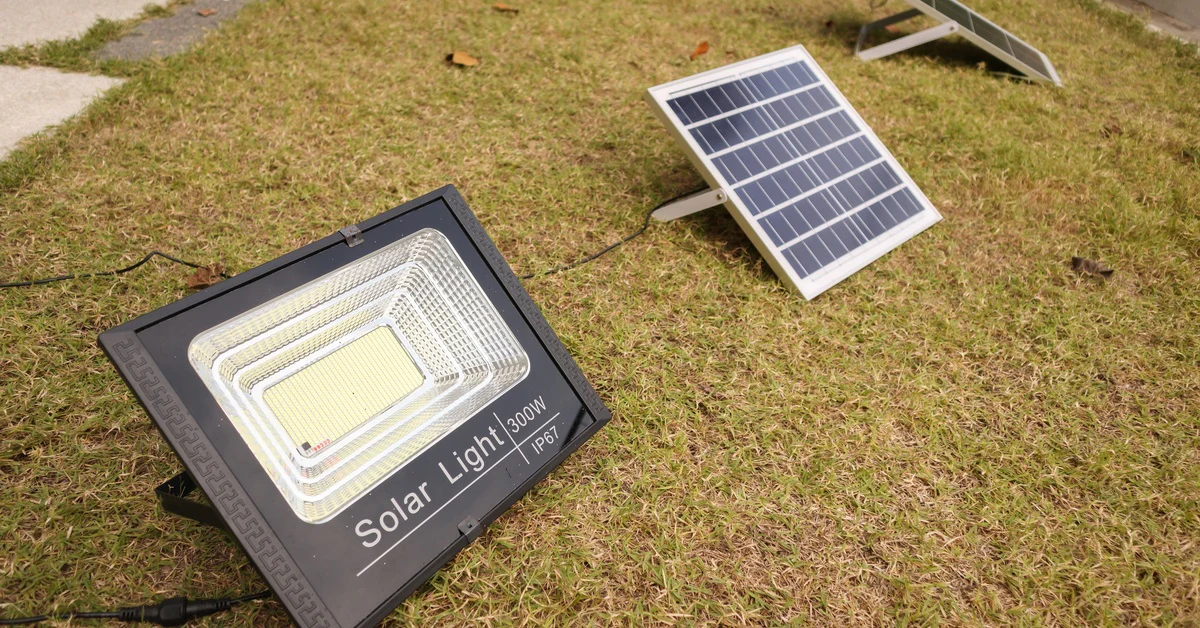
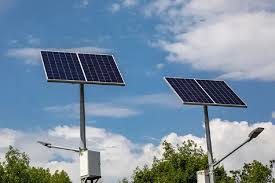
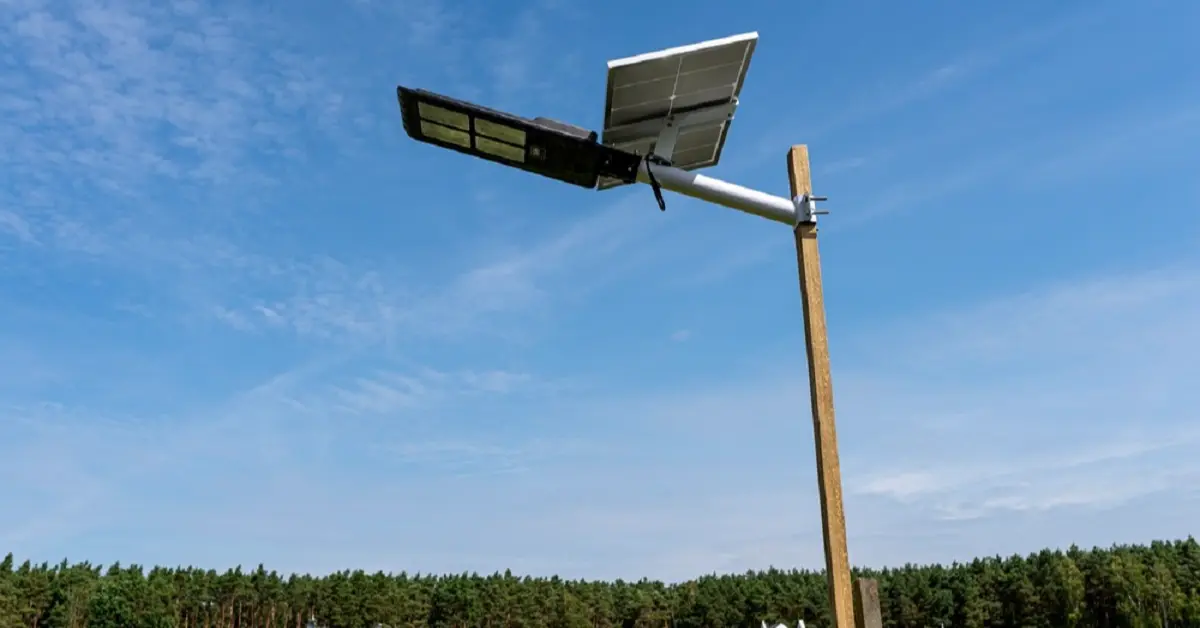
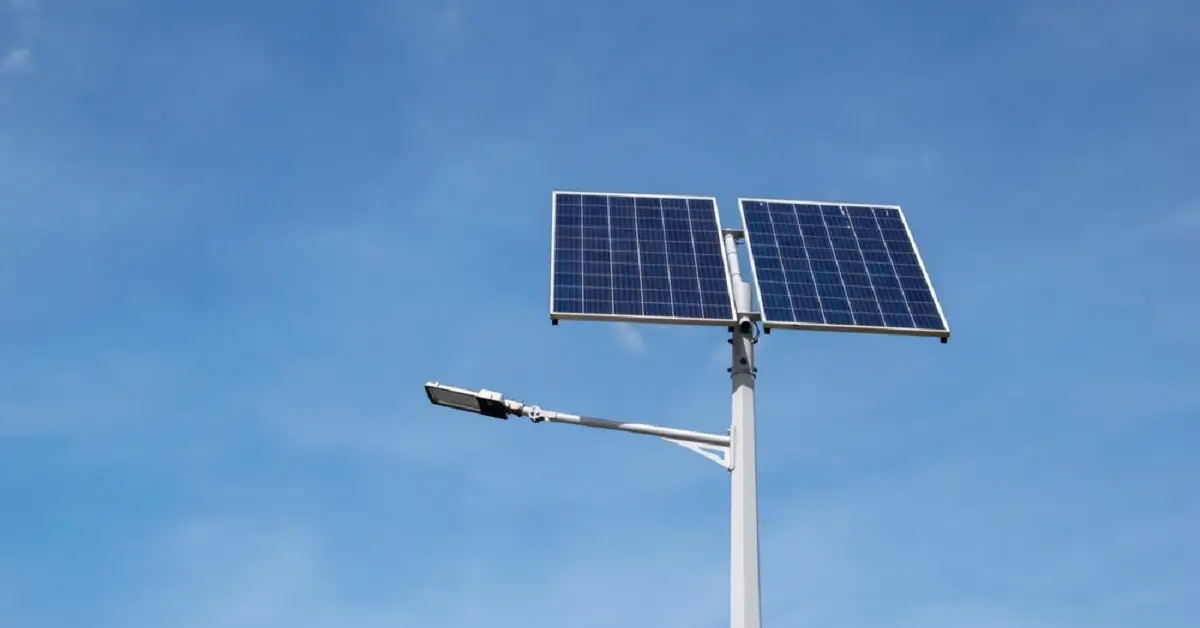
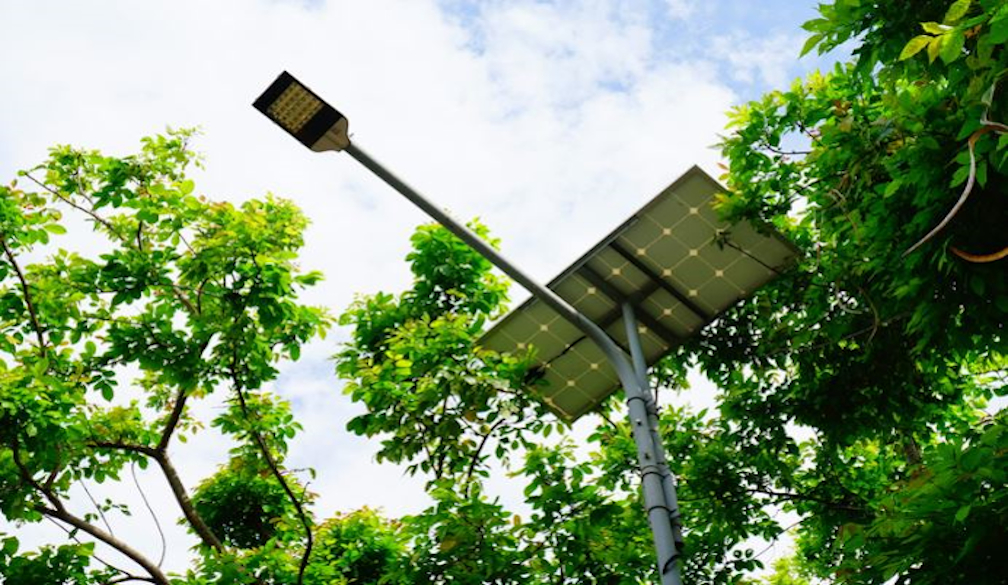
Separate panel designs where the panel detaches from the light unit and connects via a cable are worth seeking out for forest use. You place the panel in the best available light, a clearing, a gap in the canopy, the edge of the tree line, and run the cable to the light positioned where you actually need it. This separation solves the core problem of forest solar lighting more effectively than any panel technology improvement alone.
Battery Specifications That Matter in Low-Light Charging Conditions
A solar light in a forest environment charges less each day than the same light in an open garden. The battery needs to compensate for that by storing enough energy from partial charges to run through a full night reliably.
Lithium iron phosphate batteries are the right choice for forest solar lights for two reasons. First, they maintain better capacity in cold temperatures, and forested areas tend to run cooler than open spaces, especially at night and through autumn and winter. Second, they handle partial charge cycles better than standard lithium ion batteries. A lithium ion battery repeatedly charged to 60 or 70% rather than full capacity degrades faster than one reaching full charge each day. Lithium iron phosphate handles partial charging without the same degradation pattern.
Capacity matters more in forest conditions than in open garden use. A 2000mAh battery that charges to 60% in a partially shaded forest environment stores around 1200mAh of usable energy. At moderate brightness draw, that might cover four to six hours of runtime. For a full night you need either a larger battery, lower brightness draw, or both.
Look for solar lights with auto-dimming or adaptive brightness functions. These reduce the brightness output automatically as battery level drops, extending runtime through the full night at reduced brightness rather than dying at full brightness halfway through. In forest conditions where full charges are rare, adaptive brightness is a genuinely useful feature rather than a marketing add-on.
Placement Strategies for Solar Lights for Forest Areas
Getting placement right in a forest environment does more for performance than upgrading to a more expensive product with the same placement mistakes. These strategies apply whether you are lighting a forest trail, a wooded garden, a cabin clearing, or a forested campsite.
Find the gaps. Every forest has gaps in the canopy where direct or near-direct sunlight reaches ground level for part of the day. Identify these spots in your specific location by walking the area at different times of day and watching where sun patches fall. These gaps are your charging zones.
Use separate panel mounting where the product allows it. Mount the panel at the gap or clearing edge. Run the cable to where the light needs to be. The cable lengths on quality separate-panel models run to three to five meters, giving you meaningful separation between charging position and lighting position.
Height changes the available light significantly in forest environments. The canopy blocks ground level light most aggressively. Mounting a panel at two to three meters height on a tree trunk or post often places it above the densest shadow zone and into genuinely better light. The improvement from mounting a panel at chest height versus ground level in a forest can be the difference between a useful charge and a failed one.
South-facing clearings and south-facing edges of the tree line receive the most consistent light across the full year in the northern hemisphere. If you have a choice between placing a panel at the south edge of your wooded area versus the north edge, the south side delivers meaningfully better annual charging performance, especially in the low-sun winter months when charging conditions are already difficult.
Types of Solar Lights Worth Using in Forest Areas
Some solar light types suit forest environments better than others. The type determines how flexibly you deploy the panel and how well the light output suits the specific application.
Separate Panel Solar Path Lights
These are the most practical for forest garden paths and wooded property boundaries. The panel mounts at the best available light position. The path light sits where the path actually runs, even if that position is under full canopy. Quality models include three to five meter cables and weatherproof connectors that handle the outdoor conditions year round.
Solar Flood Lights With Remote Panels
For larger forest clearings, cabin entrances, or forest property security lighting, a remote-panel flood light delivers the brightness needed while placing the panel at the optimal charging position. The 2026 models in this category offer 800 to 1500 lumen output which provides genuine visibility across a forest clearing at night.
Solar Lanterns for Forest Cabins and Campsites
Collapsible solar lanterns with monocrystalline panels work well for forest cabin use when you can hang them in a clearing or on an exposed cabin roof during the day and bring them inside at night. Lightweight, portable, and bright enough for practical indoor and covered outdoor use.
Motion Sensor Solar Security Lights
Forest properties benefit significantly from motion-activated solar security lights. They conserve battery through the night by staying in low-power standby mode and activating to full brightness only when movement is detected. In a forest environment where charging is limited, the energy saved by motion activation extends reliable overnight operation considerably.
Solar Lights for Forest Areas: What to Check Before Buying
These are the specific things worth verifying on any product before you buy it for forest or heavy shade use.
- Panel type confirmation: Check the product specification for monocrystalline or bifacial panel technology. If the listing does not specify or says polycrystalline, look elsewhere for forest applications.
- Separate panel option: Check whether the panel detaches from the light unit on a cable. This feature is worth more than almost any other specification for forest use.
- Battery type and capacity: Lithium iron phosphate preferred. 2000mAh minimum for forest conditions. Higher is better when charging days are consistently partial rather than full.
- Adaptive brightness or low power mode: Confirms the product has runtime management for nights following poor charging days.
- IP rating: IP65 minimum. Forest environments combine moisture from ground cover, rain, morning dew, and humidity in ways that stress lower-rated products over time.
- Operating temperature range: Forested areas run cooler than open spaces. Confirm the battery operates reliably down to freezing and below if your location experiences cold winters.
- Cable length on separate panel models: Three meters minimum. Five meters gives meaningful flexibility in placing the panel at the best available light position away from the light unit itself.
Realistic Expectations for Solar Performance Under Forest Canopy
Setting realistic expectations saves frustration. Solar lights for forest areas work well when you choose the right products and deploy them intelligently. They do not perform like solar lights in open gardens and expecting them to leads to disappointment.
A quality solar light with a monocrystalline panel, 2000mAh lithium iron phosphate battery, and adaptive brightness, placed with the panel at a canopy gap or clearing edge, delivers reliable performance through most nights in most seasons. It might run at 60 to 70% brightness rather than full output after a heavily overcast day. It extends runtime by dimming rather than dying suddenly. On better charging days it performs at or close to full specification.
What it does not do is match the performance of the same light in a sunny open garden. That gap is physics, not product failure. The forest environment limits the energy input. The right product makes the best of what is available. Expecting open-garden performance from a forest installation will always leave you feeling let down regardless of what you buy.
Work with the environment rather than against it. Find the light gaps. Use separate panels. Mount higher when height gives better light access. Choose products built for low-light charging. Do those things and solar lighting in forest areas delivers results that genuinely surprise people who wrote it off as impractical.
Summary
Solar lights for forest areas work well when you choose the right technology and place it intelligently. Monocrystalline or bifacial panels handle diffuse light under canopy better than standard panels. Separate panel designs let you charge in clearings and light where you need it. Lithium iron phosphate batteries with 2000mAh capacity cover partial charging days reliably. Find the canopy gaps, mount panels higher, face them south, and choose products with adaptive brightness. The forest environment limits energy input but the right setup delivers reliable results through every season.