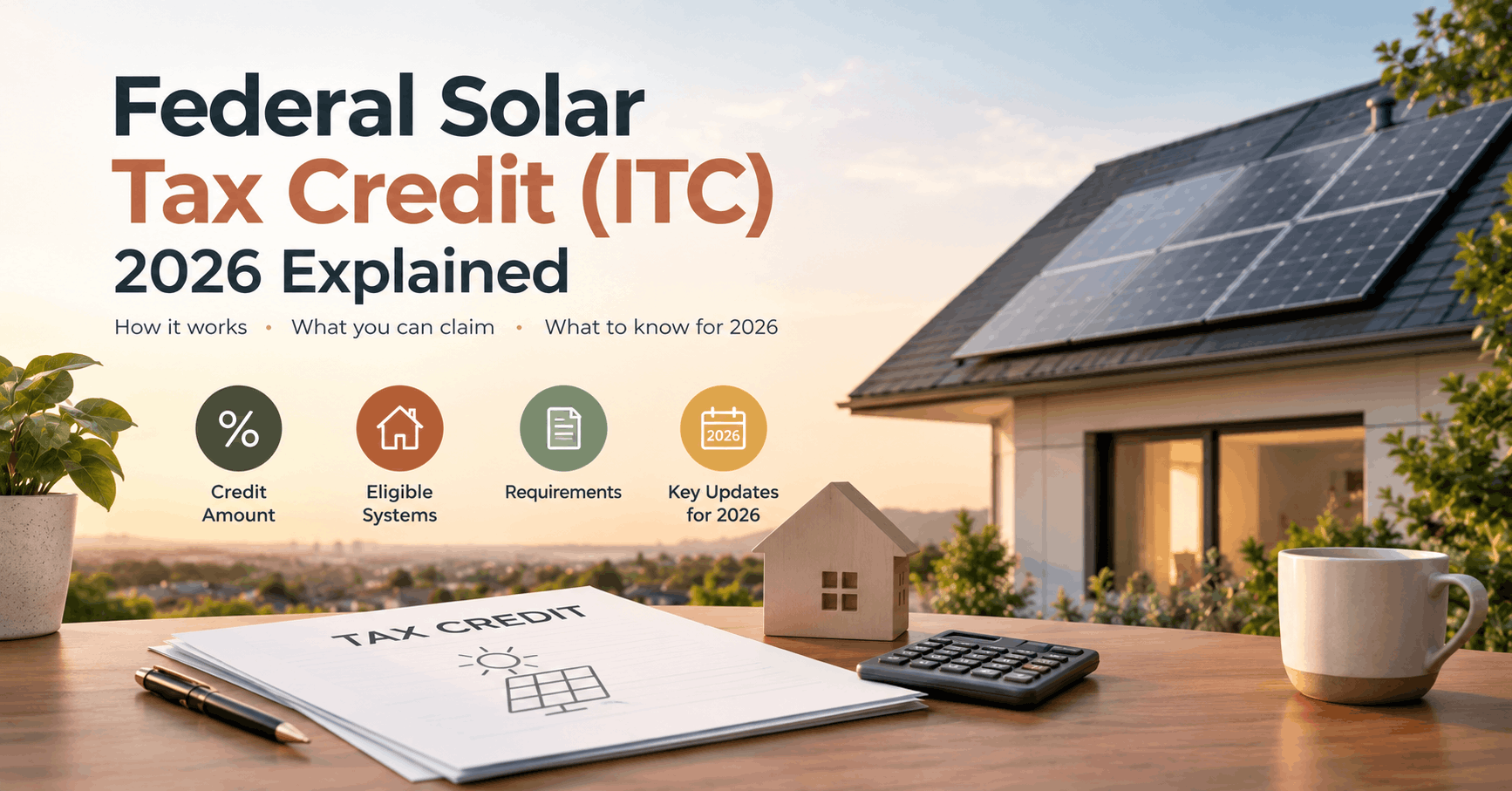
Quick answer: The 30% federal solar tax credit for purchased systems ended after December 31, 2025, only leased/PPA systems still qualify (Section 48E) in 2026.
State-level incentives like tax credits and net metering still exist separately, but they vary significantly by state.
Table of Contents
The federal solar tax credit just changed for the first time in almost twenty years, and most homeowners haven’t caught up yet.
If you bought a solar system in 2025, you got 30% back at tax time. If you buy one in 2026, you get nothing from that same federal credit, unless you go a completely different route. That’s not a typo, and it’s not a scare tactic. It’s what Congress actually passed.
This guide breaks down what changed at the federal level, how state and utility incentives fill some of that gap, and what’s actually available in your state right now, based on government sources, not sales pitches.
Key Takeaways
- The 30% federal solar tax credit (Section 25D) ended for homeowner-purchased systems installed after December 31, 2025.
- A separate federal credit (Section 48E) still exists, but only for leased or power-purchase-agreement (PPA) systems, and it’s claimed by the company, not you.
- State tax credits, utility rebates, net metering, and property/sales tax exemptions still exist and vary enormously by state.
- Some states offer very little beyond net metering. Others still stack multiple programs worth thousands of dollars.
- Incentive rules change often, always confirm current terms with your state energy office before signing a contract.
What Changed With the Federal Solar Tax Credit in 2026
For homeowners, this is the single biggest shift in solar economics in over a decade, so it’s worth getting exactly right.
The 30% Credit for Purchased Systems Is Gone
On July 4, 2025, the One Big Beautiful Bill Act (Public Law 119-21) was signed into law. It repealed Section 25D of the tax code, the Residential Clean Energy Credit, for any system where installation is completed after December 31, 2025.
Under the Inflation Reduction Act, that 30% credit was supposed to run at full strength through 2032. The repeal cut roughly seven years off that timeline with no phase-down period. One day it was 30%. The next, it was zero, for anyone paying cash or financing with a loan.
The IRS counts an expenditure as “made” when installation is complete and the system is operational, not when you sign the contract. A system finished in 2025 still qualifies. A system finished in 2026, even under a 2025 contract, does not.
What Still Qualifies: The Lease and PPA Path
There’s a separate credit, Section 48E, that survived the repeal for commercial and third-party-owned solar. If you sign a solar lease or a power purchase agreement (PPA), the company that owns the equipment on your roof can still claim this credit, currently through 2027 for projects meeting construction deadlines.
The catch: you don’t own the system, so you don’t get the tax benefit directly. In practice, some of that savings gets passed to you through a lower monthly lease rate, but it’s the installer’s call, not a guaranteed pass-through.
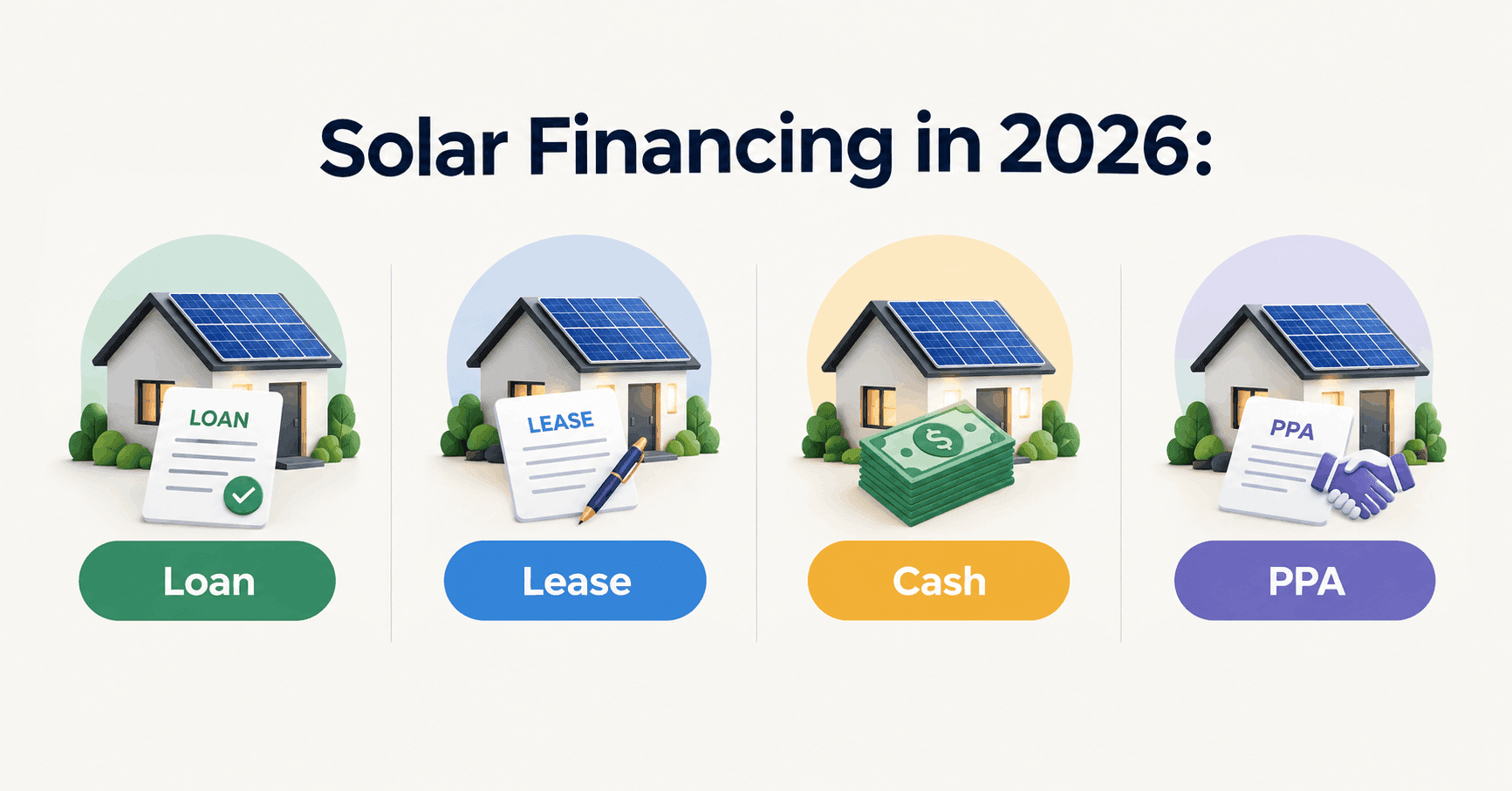
This turns a simple “buy vs. lease” decision into a real financial trade-off for 2026 buyers:
| Ownership Type | Federal Tax Credit | Who Claims It | Access to State/Local Incentives |
|---|---|---|---|
| Cash or loan purchase | None (25D expired) | N/A | Full access, in your name |
| Lease or PPA | 48E credit still active | The solar company | Often limited or unavailable to you directly |
Battery Storage Follows the Same Rule
Home batteries purchased outright lost the same 30% credit on the same date. Leased or PPA-financed batteries can still fall under 48E, following the same ownership logic as the panels themselves.
How State and Local Solar Incentives Actually Work

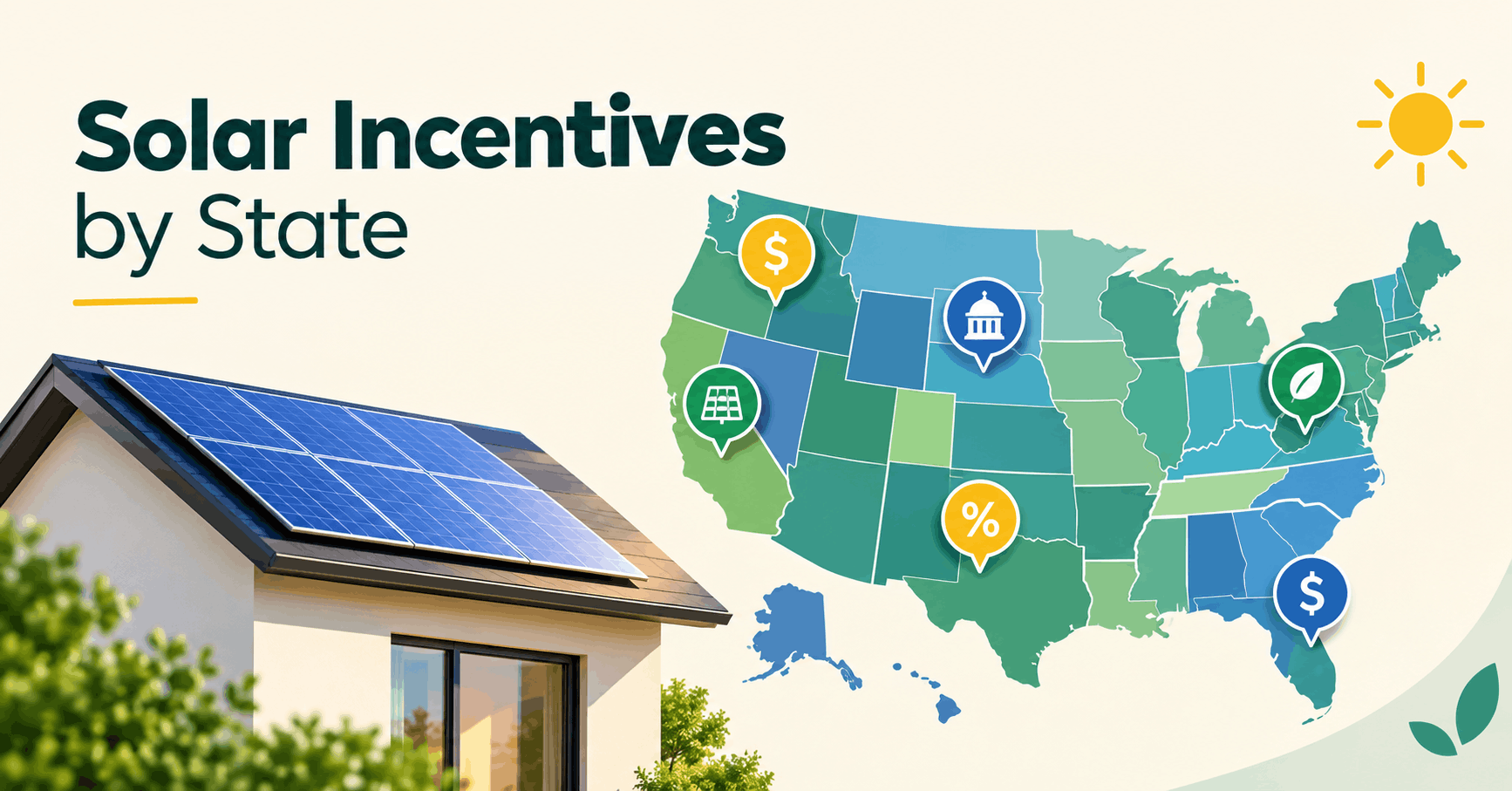
With the federal credit gone for buyers, state and local programs matter more than they have in years. They generally fall into five categories, and most states only offer some of them.
State tax credits reduce what you owe on your state income tax, separate from anything at the federal level. New York’s is one of the most generous still standing: 25% of your project cost, up to $5,000, and it applies even if you don’t owe federal tax that year.
Rebates are cash paid back after installation, usually by your utility company rather than the state government. These vary by provider, not just by state, two neighbors on different utilities can get very different rebates.
Net metering lets you sell extra solar power back to the grid for bill credits. It’s not flashy, but in states with strong net metering, it often outperforms one-time rebates over the life of the system.
Performance-based incentives (like SRECs) pay you per kilowatt-hour your system actually produces, over months or years, instead of a lump sum upfront. Massachusetts’ SMART program is a working example of this model.
Tax exemptions stop your solar system from raising your property taxes or adding sales tax at purchase. These are quiet but meaningful, a $20,000 system with a 6% sales tax exemption is $1,200 back before you even factor in anything else.
Can You Combine These?
Usually yes, and this is where most guides get vague. Property tax exemptions, sales tax exemptions, net metering, and a state tax credit can typically all apply to the same system, since they operate through different agencies. Utility rebates sometimes have exclusions if you’re already receiving a state incentive for the same equipment, so this is the one combination worth double-checking with your utility directly.
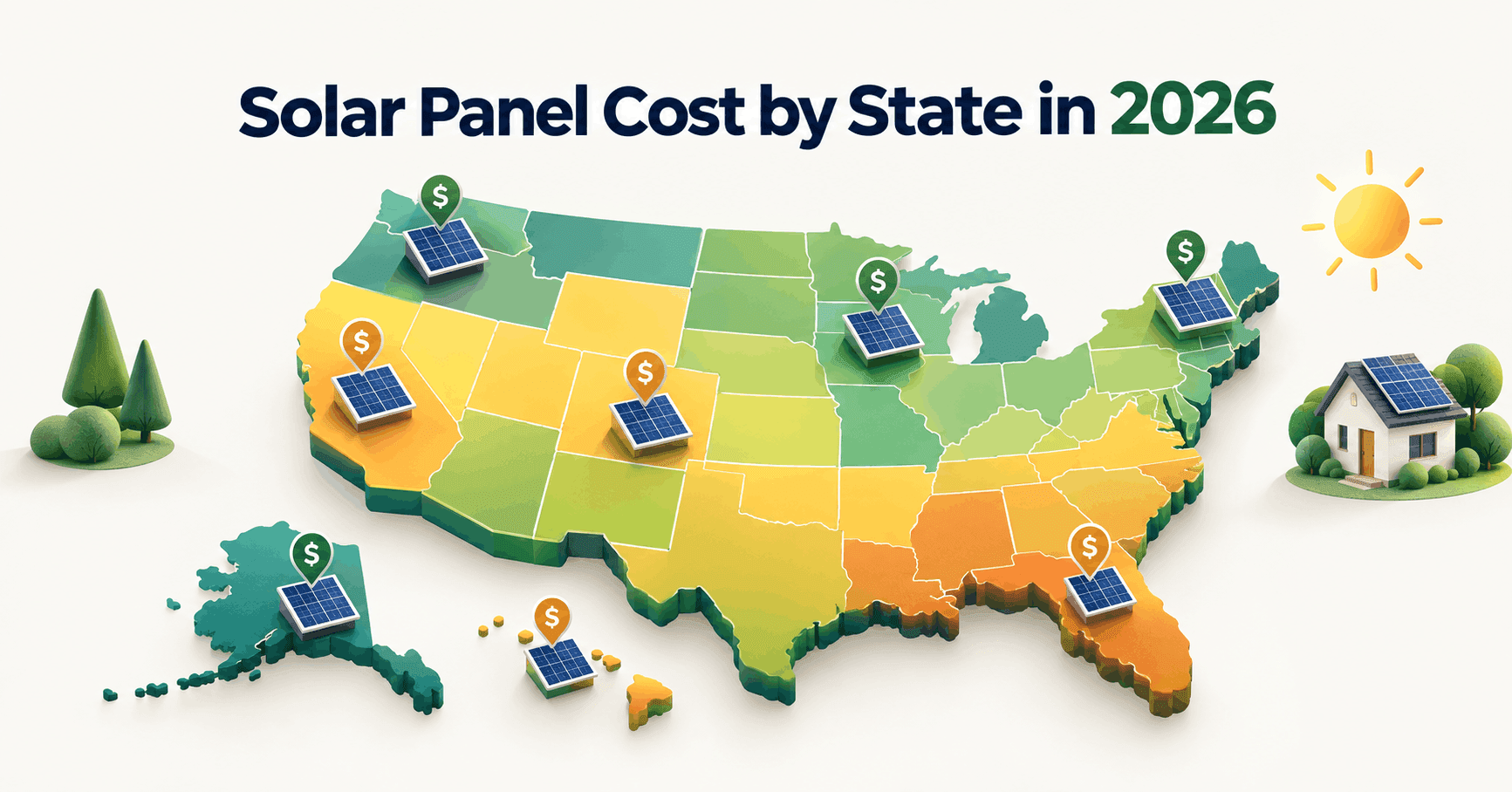
Solar Incentives by State: Verified Examples

Incentive programs change on a rolling basis, sometimes mid-year, so treat the figures below as a snapshot, not a permanent number. Each one is sourced to a state program or utility filing.
New York
New York offers a state tax credit worth 25% of your solar project cost, capped at $5,000. It applies whether you purchase your system outright or finance it through certain long-term leases, and it stacks with net metering.
Massachusetts
Massachusetts pays solar owners for the electricity they generate through the SMART 3.0 program, a per-kilowatt-hour incentive that resets annually. On top of that, the state exempts solar equipment from both sales tax and added property tax assessments.
Texas
Texas has no state-level solar tax credit, but several utilities, including American Electric Power, run their own per-watt rebate programs. Net metering rules vary significantly by utility provider rather than by state law here, so the details depend heavily on who supplies your power.
Florida
Florida skips a state tax credit too, but its property tax exemption and sales tax exemption on solar equipment are both still active. Combined with historically strong net metering, that’s typically where Florida homeowners see most of their savings.
Washington
Washington exempts solar equipment from its 6.5% state sales tax. Net metering compensates excess generation at 50% of the retail electricity rate, with unused credits rolling forward instead of expiring at year-end.
Minnesota
Xcel Energy customers in Minnesota can enroll in a solar rewards program paying a per-kilowatt-hour rate for production, with a higher upfront payment available for income-qualified participants specifically.
Arizona
Arizona’s state tax credit covers 25% of installation costs, capped at $1,000, smaller than New York’s, but still stackable with any local utility rebate.
Don’t see your state here? That’s intentional, we’re not filling gaps with guessed numbers. Check your state energy office or your utility’s rebate page directly; we’ve linked the primary sources below.
States With Little to No State-Level Incentive
Some states rely almost entirely on net metering and the (now-limited) federal picture, without a dedicated state tax credit or rebate program. That doesn’t necessarily mean solar performs poorly there, a sunny state with strong net metering and no state income tax at all can still produce a solid payback period. It just means the “incentive” doing most of the work is your electricity bill itself, not a check from the state.
Who Actually Qualifies for These Incentives
Eligibility rules trip up more homeowners than the incentive amounts themselves.
- Ownership matters most. Most state tax credits require you to own the system. Lessees and PPA customers are usually excluded from state-level credits, even when they can still access net metering.
- HOAs can complicate things, not incentives directly, but installation timelines, many states have solar-access laws limiting how much an HOA can restrict panels, though rules differ widely.
- Income-qualified programs exist in several states, often layered on top of standard incentives rather than replacing them, with lower or no cost for qualifying households.
- Funding caps are real. Some rebate and performance-based programs have an annual budget. Once it’s spent, the program pauses until the next cycle, regardless of your eligibility otherwise.
How to Actually Claim These Incentives

- Confirm ownership structure first, purchase versus lease changes which incentives are even available to you, before you compare dollar amounts.
- Get your utility account details ready, most rebate applications ask for your account number and service address, not just your name.
- Keep every receipt and permit document, state tax credits generally require proof of the installed cost, not an estimate.
- File state paperwork separately from federal paperwork, they’re different forms, different agencies, and different deadlines.
- Ask your installer directly whether they handle utility rebate paperwork, some do, some don’t, and this alone can save weeks.
The most common mistake isn’t missing an incentive, it’s assuming one applies automatically. Net metering is usually automatic once you’re grid-connected. Almost everything else requires an application.
FAQs
Is the federal solar tax credit really gone in 2026?
For purchased systems, yes, the 30% Section 25D credit ended for installations completed after December 31, 2025. A separate credit still applies to leased and PPA systems, claimed by the solar company rather than the homeowner.
Which state has the best solar incentives right now?
There’s no single answer that holds for every household, since utility rebates vary within a state and program funding changes throughout the year. States combining a state tax credit with strong net metering, like New York, tend to offer the most stacked value currently.
Can I still get solar for free through incentives?
No program makes solar fully free through incentives alone. Some lease and PPA offers advertise no upfront cost, but you’re paying through a monthly rate over the contract term instead.
Do incentives apply to home batteries too?
Often yes, though rules vary. Purchased batteries followed the same federal cutoff as solar panels. State and utility battery-specific rebates exist in some areas and are worth checking separately from your solar quote.
What happens to my incentive if I sell my house?
Tax credits already claimed stay with the original filer. Net metering and performance-based payments typically transfer to the new owner along with the system, though it’s worth confirming with your utility before closing.
A Quick Note Before You Get Quotes
None of this replaces a conversation with someone who can look at your actual electric bill, your roof, and your state’s current program rules side by side. If you’re weighing whether to buy, lease, or wait, it’s worth running your specific numbers past a solar advisor before committing to anything.
Sources & Methodology
Federal tax credit details are drawn from the text of the One Big Beautiful Bill Act (Public Law 119-21) and IRS guidance on Section 25D and Section 48E. State-level incentive figures are drawn from official state energy office publications and utility program filings, cross-checked against multiple independent reporting sources at the time of writing. This article is for general informational purposes only and is not tax or legal advice, confirm current eligibility with a licensed tax professional and your state energy office before making a purchase decision. Programs, caps, and dollar amounts change without notice; verify details directly before relying on any figure here.
Primary sources to verify current details:
- Database of State Incentives for Renewables & Efficiency (DSIRE), dsireusa.org
- U.S. Department of Energy, energy.gov
- IRS Section 25D and Section 48E guidance, irs.gov
- Your state’s official energy office and your electric utility’s rebate program page