Table of Contents
So You’re Looking at Solar Panels?
I started looking into solar energy last year because my electricity bills were getting ridiculous. That’s when I kept hearing about Jinko Solar and their Hot 3.0 technology. At first, I had no idea what that meant. Was it something to do with temperature? Some fancy marketing thing? I decided to dig into it properly, and honestly, it’s pretty interesting stuff if you actually understand what’s going on.
Let me break down what Jinko Hot 3.0 is in a way that makes sense. This isn’t some mysterious thing that only engineers understand.
The Basic Idea Behind Jinko Hot 3.0
Think about your phone battery. You know how it gets hot when you’re using it a lot? Heat isn’t your friend when it comes to electronics. The same thing happens with solar panels. They get hot under the sun, and that heat actually makes them less effective at doing their job.
Jinko Solar figured out something clever during the manufacturing process. They use a specific heating technique when they’re making the solar cells. It sounds counterintuitive, right? You heat them up to make them work better? But that’s basically what’s happening.
Here’s the thing: during manufacturing, they heat the silicon in a special way that actually makes the internal structure of the cell better. It’s like organizing a messy room so people can move around more freely. When the cell is organized properly, electricity flows through it more easily. That means more power output from the same size panel.
How This Actually Works
When sunlight hits a solar panel, it knocks electrons loose from atoms in the silicon. Those loose electrons need to move through the cell to create electricity. The better organized your cell is, the easier it is for those electrons to move. The easier they move, the more electricity you get.
Jinko Hot 3.0 does a few specific things. The manufacturing process reduces defects in the silicon structure. Think of defects like obstacles in a hallway. Fewer obstacles mean people walk through faster. Same principle with electrons.
They also improved the contact points where metal collects the electrical current. Imagine water flowing through a pipe. If the pipe entrance is small and rough, water flows slowly. Make it bigger and smooth, water flows faster. That’s what they did with these contact points.
The Real Benefits You’ll Actually Notice
If you’re thinking about getting solar panels, here’s what Jinko Hot 3.0 means for you practically.
First, efficiency. Traditional panels are around 20 to 22 percent efficient. Jinko Hot 3.0 gets you higher numbers. That means if you have a smaller roof, you don’t need as many panels to generate the same amount of power. Less panels means less money. That matters a lot if your roof space is tight.
Second, heat performance. This one’s actually huge if you live somewhere hot like Pakistan, India, or the Middle East. Most solar panels lose efficiency when temperatures climb. I’m talking about losing 0.4 percent of output for every degree Celsius increase. That adds up fast in summer. Jinko Hot 3.0 holds up better in heat. Your panels don’t drop off as much when things get scorching outside.
Third, the panels don’t degrade as fast. All panels lose a bit of efficiency every year. It’s normal. But Jinko Hot 3.0 panels degrade slower. You’re looking at better performance ten years from now, fifteen years from now, twenty-five years from now. When you’re making an investment in solar, that matters.
Comparing This to Standard Panels
Look, standard solar panels are solid. They’ve been around for years. They work. But if you want to understand why someone might choose Jinko Hot 3.0 instead, you need to see the actual differences.
A typical panel loses about 0.7 to 0.8 percent efficiency per year. Over 25 years, that’s significant. Jinko Hot 3.0 panels keep their performance better over time. Your panel at year 20 will be producing closer to what it did at year 5.
The temperature thing I mentioned earlier is real. If you live in a hot area, this isn’t a minor detail. It’s substantial. You’re getting meaningful extra power when temperatures are high, and that’s when you actually need to run air conditioning.
One more thing: standard panels are cheaper upfront. Jinko Hot 3.0 technology costs more because it’s newer and more advanced. You’re paying extra for better performance. For some people, that makes sense. For others, it doesn’t.
This is something we cover in detail in our guide on LONGI VS JINKO Solar Panels
Where This Technology Actually Gets Used
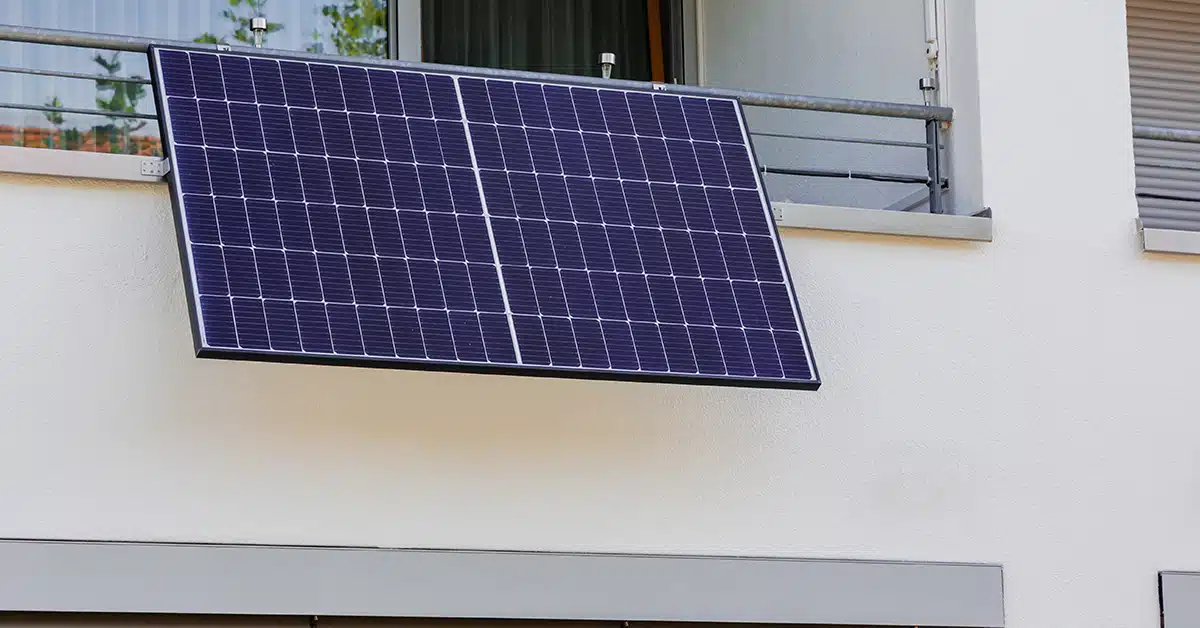
Homeowners put these on their roofs when space is tight or when they live somewhere hot. That’s straightforward. More power from fewer panels makes sense economically.
Businesses use them on large buildings and parking structures. A warehouse roof with Jinko Hot 3.0 panels produces noticeably more electricity than standard panels. That adds up on your energy bill.
Solar farms use them too. When you’re building a utility-scale installation, even small efficiency improvements matter hugely. An extra 2 percent efficiency across a large farm is real money.
The Good Stuff and the Problems
Look, I’ll be honest about both sides.
Good stuff: You get more electricity from the same space. That’s factual. The panels perform better in hot weather. If you live in a warm climate, that’s a real advantage. They degrade slower over time. That extends the value of your investment. The technology works well with standard solar equipment. You don’t need special inverters or weird wiring. Installation is normal.
The problems: These panels cost more initially. You’re paying for advanced technology, and that shows in the price. You won’t find them everywhere yet. Availability depends on your location. This tech is relatively new, so we don’t have 30-year performance data yet. We know it should work great for 25 years, but we haven’t actually seen a full lifespan yet in the real world. If you have plenty of space and moderate climate, you might not need this technology. Standard panels might be fine.
Why Should You Care About This Stuff?
Your electricity bill affects your pocket directly. That’s real. Choosing better solar technology means lower bills for decades. You’re literally saving money every month.
There’s the environmental angle too. Better solar panels mean cleaner energy. Less reliance on traditional power grids. That matters if you care about that sort of thing.
Plus, solar technology is improving because companies like Jinko are competing. Competition drives innovation. You benefit from that competition through better products. Technology gets cheaper over time as manufacturing improves.
Installing and Maintaining Jinko Hot 3.0
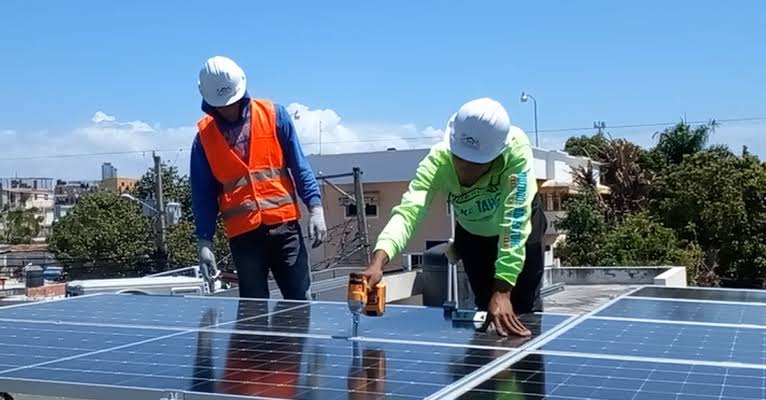
Here’s the good news: installation isn’t different or complicated. Your solar installer handles it the same way as standard panels. No special equipment needed. No weird modifications. It goes on your roof like normal solar.
Maintenance is the same too. Occasional cleaning. Regular checks. Nothing unusual. The better construction quality actually means fewer headaches down the line.
Should You Actually Get These?
Honestly, it depends on your situation. If your roof is small and you need maximum power generation, yes. If you live somewhere hot, yes. If you’re planning to stay in your house for 20 plus years, yes. The long-term performance advantage pays off.
If you have plenty of roof space, live in a moderate climate, and want to keep costs low, standard panels work fine. Nothing wrong with that choice.
Think about what matters in your specific situation. Then decide. Don’t let anyone convince you that you absolutely need this technology if it doesn’t fit your needs.
Summary
Jinko Hot 3.0 is advanced solar cell technology that comes down to smart manufacturing. Jinko Solar heats silicon in a specific way during production to create cells with fewer defects and better organization. This means more electricity output, better performance in hot weather, and slower efficiency loss over time. The technology delivers real benefits if you have limited roof space, live in a hot climate, or want panels that perform well for decades. The trade-off is higher upfront costs compared to standard panels. This technology works with normal solar equipment and installation processes. If your situation matches the benefits, Jinko Hot 3.0 makes sense. If not, regular solar panels do the job just fine.