Table of Contents
Do solar lights need electricity? My dad asked me this when I put solar lights along his driveway last summer. He kept looking for the extension cord. I told him there wasn’t one. He didn’t believe me for like three days.
The confusion makes sense. Lights need power. Power comes from outlets. That’s how most people think about it. Solar lights flip that whole idea upside down.
Here’s the simple truth. Solar lights make their own power and don’t need your house electricity at all. They’re completely independent. No wires to your electrical panel. No monthly charges on your power bill. Nothing plugged into the wall.
How Solar Lights Create Their Own Power
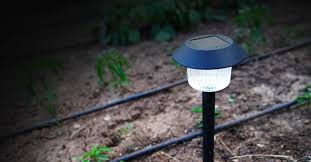
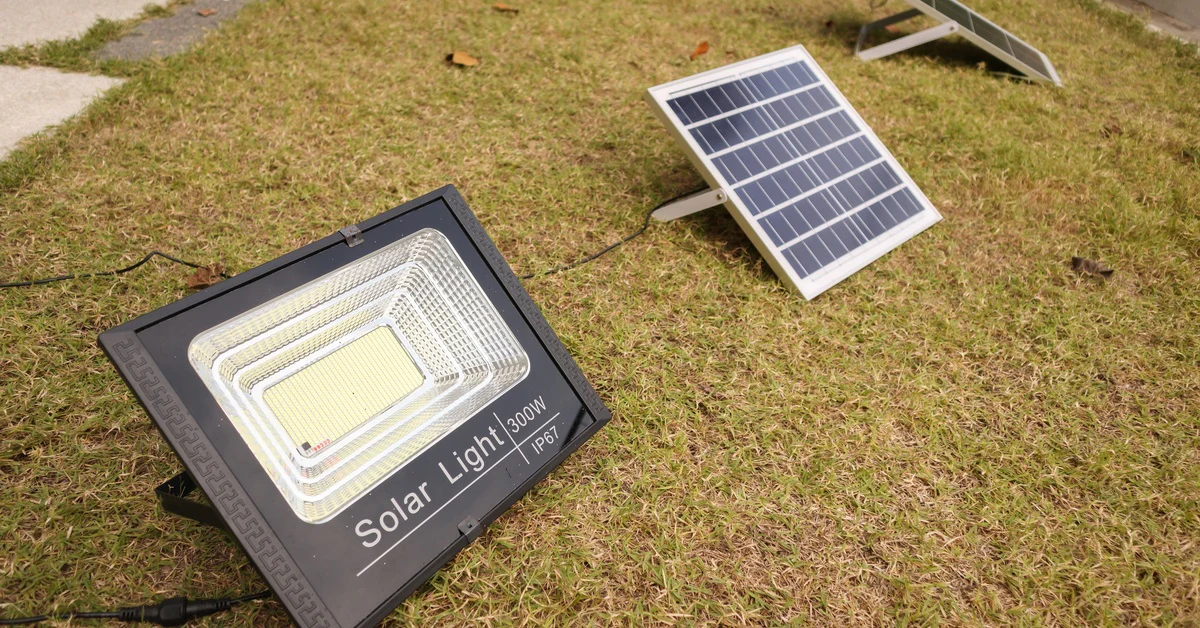
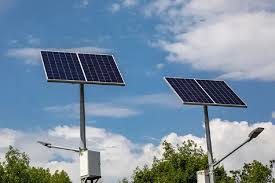
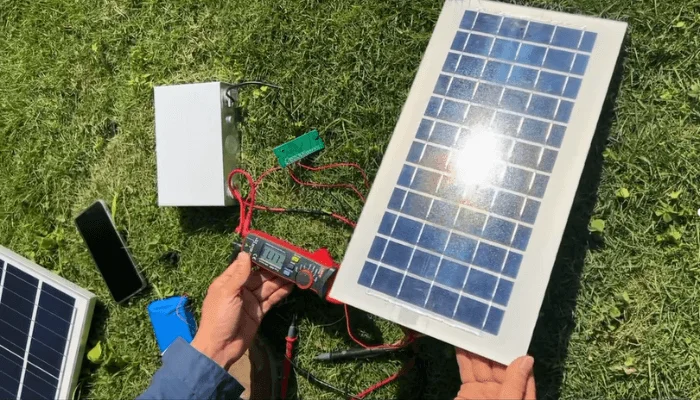
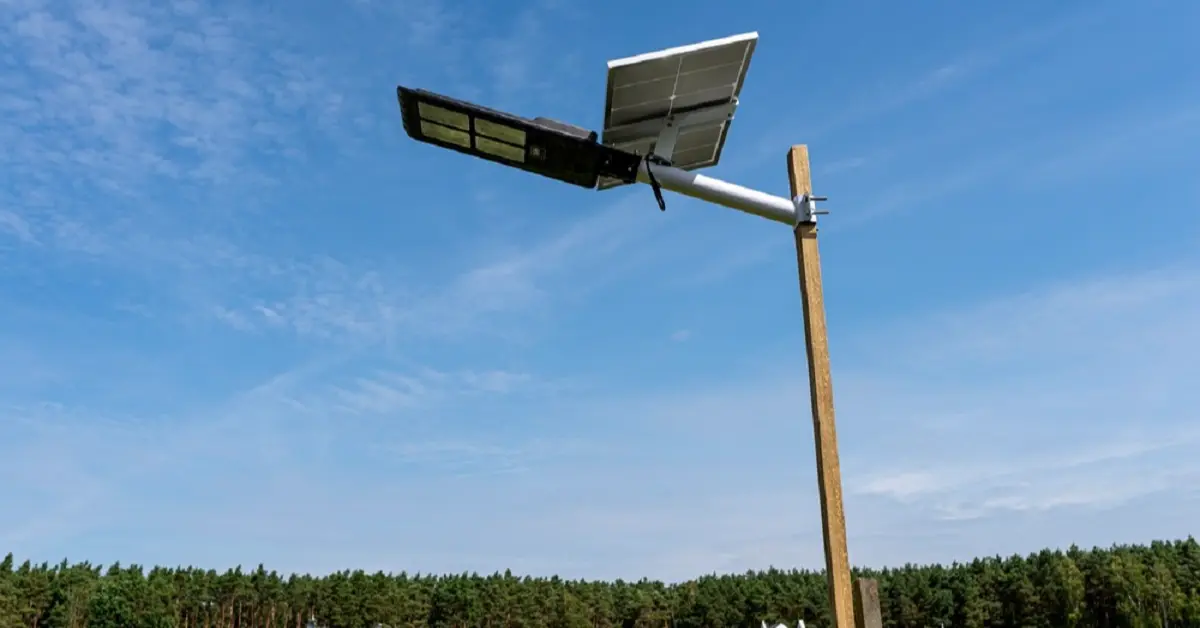
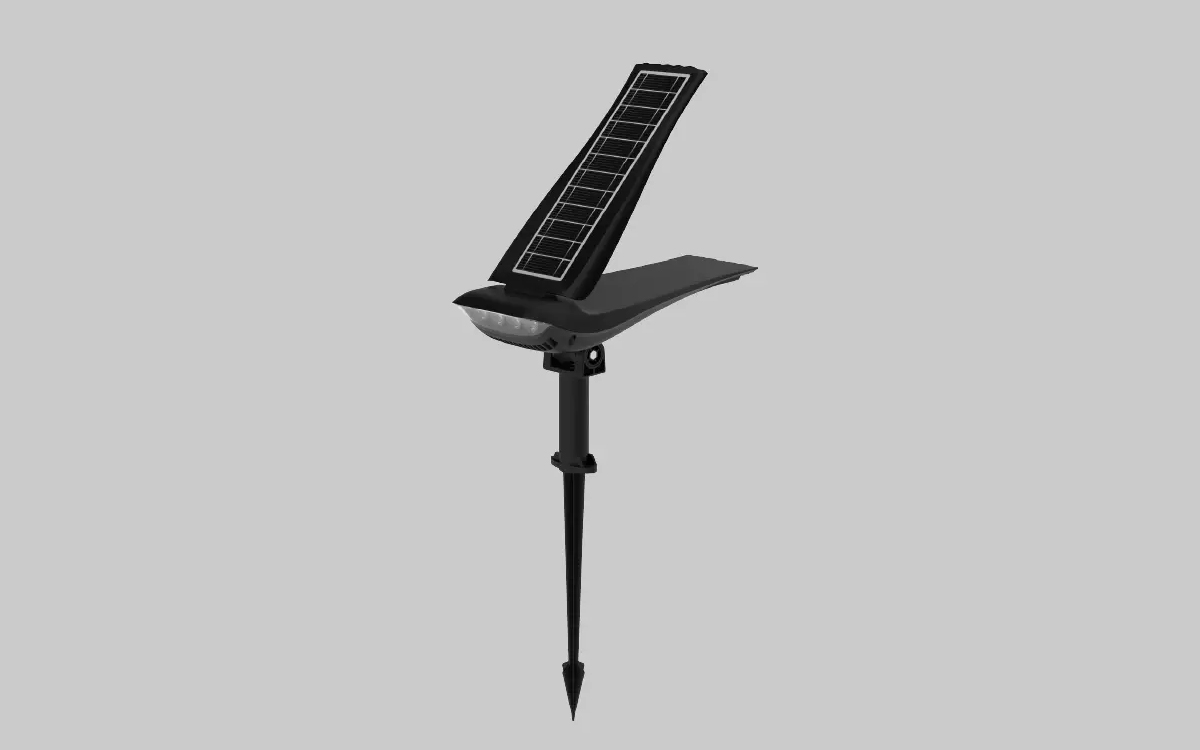
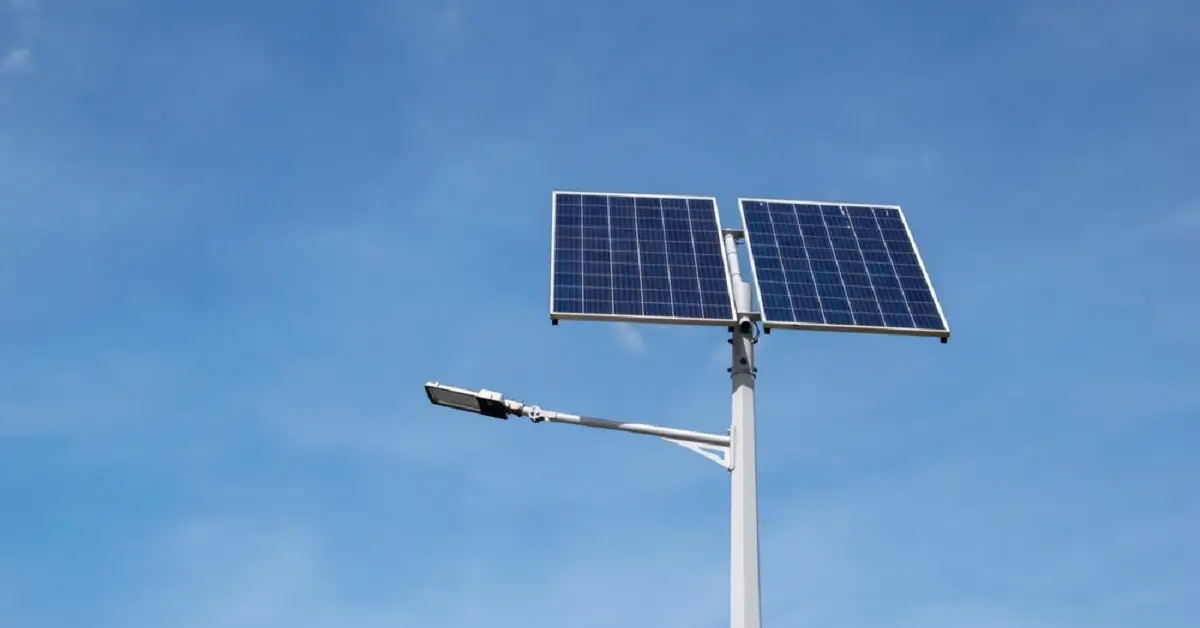
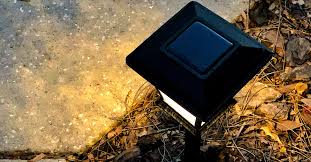
Every solar light has a small panel somewhere on it. Usually on top. That panel is doing actual work during the day even though you don’t see anything happening.
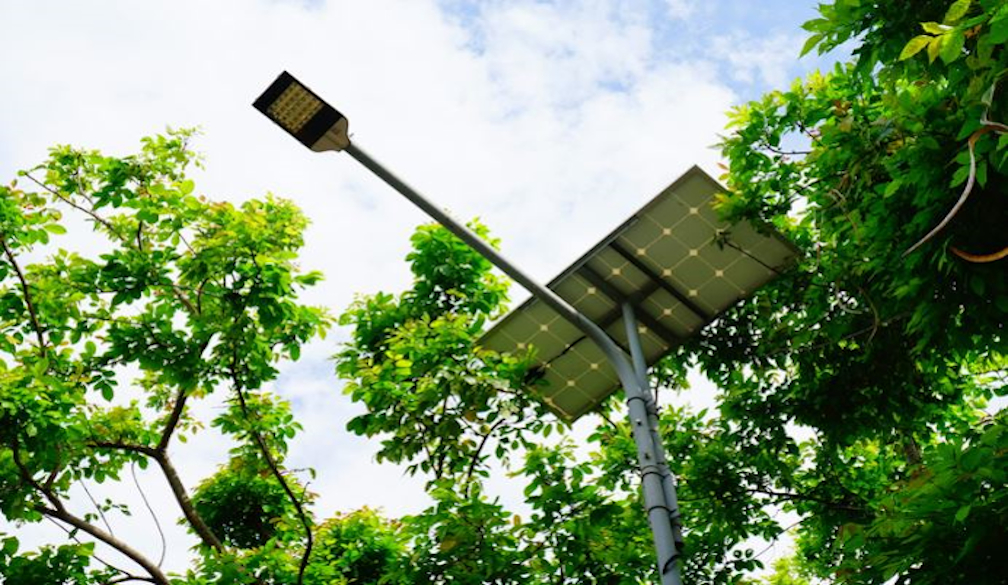
Inside the panel are photovoltaic cells. Fancy name for parts that turn sunlight into electrical current. When light hits these cells, electrons start moving around and create electricity right there on the spot.
That electricity flows into a rechargeable battery tucked inside the light. The battery stores the power all day long. When darkness hits, a light sensor notices and turns the LED bulb on. The battery runs that bulb through the night using the energy it collected during the day.
Next morning the cycle starts over. The battery charges again from the panel. Night comes and the light turns on again. This repeats forever as long as the parts keep working.
I’ve got solar lights that have been doing this same routine for four years straight. Never touched my house power once.
Why This Confuses So Many People
The word electricity throws people off. When you say a light uses electricity, most folks picture wall outlets and circuit breakers and electric bills.
Solar lights do use electricity. They just don’t use grid electricity. They use electricity they generate themselves.
It’s like asking if a campfire needs natural gas. No, it makes its own heat from burning wood. Solar lights make their own electricity from sunlight. Same basic idea.
My neighbor Bill swore my solar lights were connected to my house somehow. He walked around looking for hidden wires. There aren’t any. He finally accepted it when I took one light completely off its stake and walked it around the yard. Still worked fine sitting on my picnic table.
The Battery Situation That Trips People Up
Solar lights have rechargeable batteries inside. When people learn this, they assume you need to charge those batteries with house power first.
You don’t. The batteries arrive ready to charge from the solar panel immediately.
First time you set up new solar lights, you stick them in a sunny spot for a day or two. The panel charges the battery from scratch. After that initial charge, the system maintains itself. No plugging in required ever.
The batteries do wear out eventually. Mine lasted about three years before I noticed the lights dying earlier each night. Swapped in fresh rechargeable batteries and they worked like new again.
Those replacement batteries cost me maybe two dollars each. I bought them at a regular store. Popped open the solar light case, pulled out the old battery, dropped in the new one, closed it back up. Took five minutes per light.
Still never connected anything to house electricity.
What About Solar Lights That Have Plugs?
Okay, full disclosure. Some products sold as solar lights do have plug options.
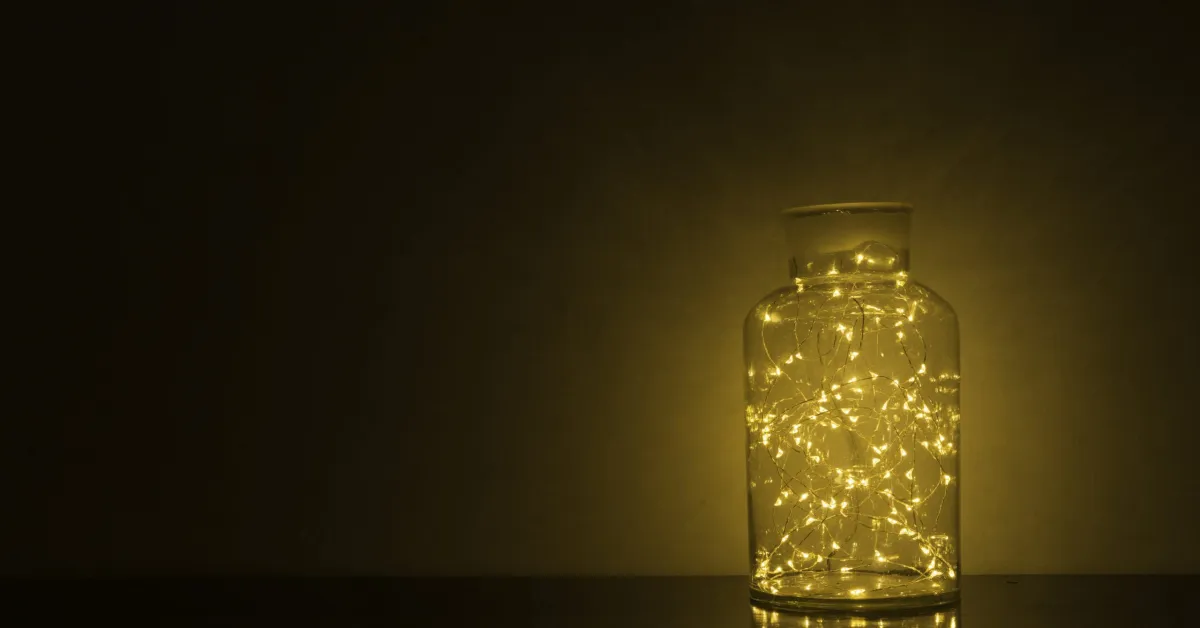
I’ve seen decorative string lights with both a solar panel and a wall adapter. You pick which power source you want. The plug is a backup for when the solar panel can’t collect enough sun.
These hybrid lights confuse the whole situation. People buy them thinking all solar lights work this way.
Real solar lights have no plug option. They’re solar only. The whole unit is self-contained. Panel, battery, bulb, sensor. Everything needed to operate without outside power.
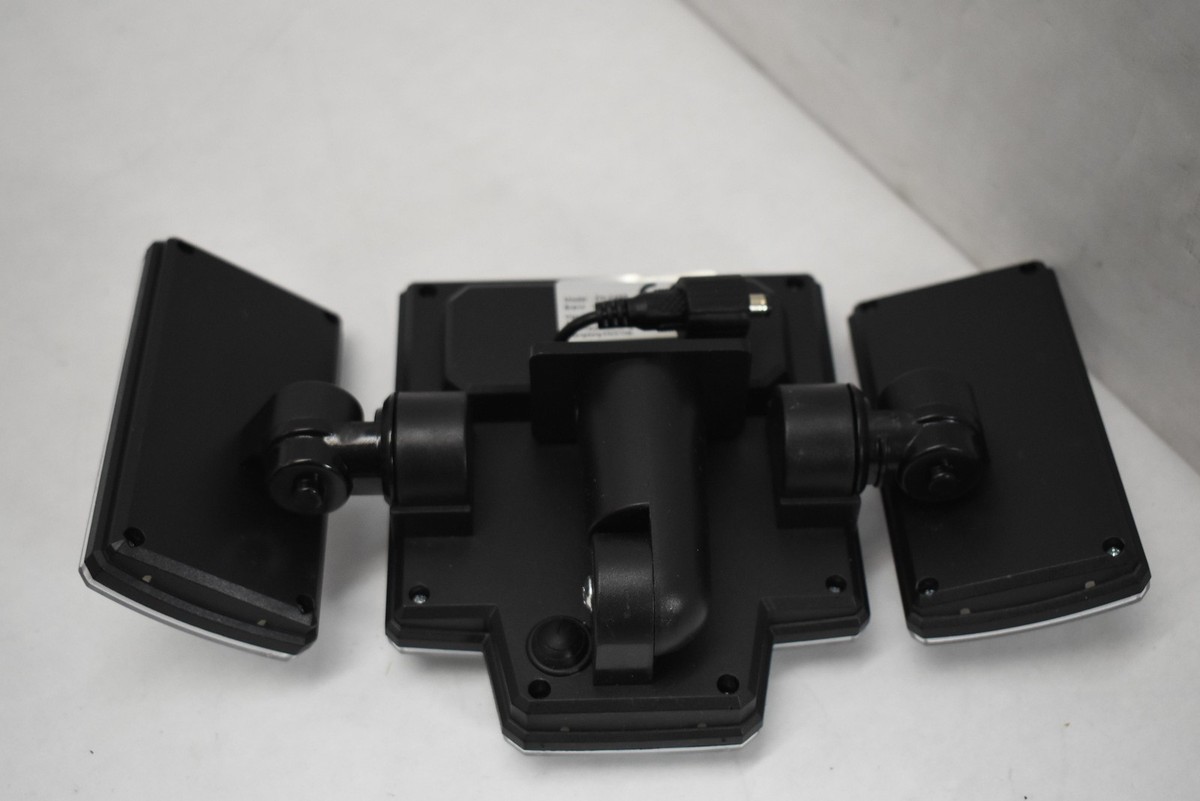
My sister bought cheap solar lights online last year. They came with a USB cable and instructions saying to charge them indoors before first use. I looked closer and realized they weren’t actually solar lights. They were regular rechargeable lights with a decorative fake panel on top.
She returned them and bought actual solar lights. Those work fine without any charging cables or adapters.
Grid Power vs Solar Power
Grid power comes from the electric company. Flows through wires to your house. You pay for every bit you use.
Solar power comes from the sun. Free. Unlimited. No wires needed. No monthly bills.
When you run regular electric landscape lights, you’re pulling power from the grid. That meter on your house spins faster. Your bill goes up a few bucks each month.
When you run solar landscape lights, nothing changes on your electric bill. The power company doesn’t even know those lights exist. They’re operating completely off your electrical system.
I compared costs once. My old electric pathway lights cost about $4 per month to run. Switched to solar lights and that cost dropped to zero. Over a year that’s $48 saved. The solar lights paid for themselves in less than two years.
Do Solar Lights Work During Power Outages?
This question proves why people get confused about solar lights and electricity.
Yes, solar lights work during power outages. They keep working during hurricanes, blackouts, grid failures, whatever. Because they don’t depend on grid power at all.
We lost power for three days after a bad storm two winters ago. House was dark. Street lights were out. My solar pathway lights? Worked perfectly every night. They had no idea the power was out because they never used it in the first place.
My electric outdoor lights were dead. The solar ones kept going like nothing happened.
This is actually a huge advantage nobody thinks about until they need it. Solar lights give you automatic backup lighting that never goes down when the grid fails.
What Solar Lights Actually Need to Work
Solar lights need sunlight. That’s it. That’s the only input they require.
Good sun exposure during the day means full battery charge. Full charge means lights running all night. Simple equation.
Cloudy weather or shady spots reduce the charge. Lights still work but maybe only for a few hours instead of all night.
I have some solar lights under a tree that only get about four hours of direct sun per day. They turn on at dusk and run until maybe midnight. The ones in open sun run from dusk until dawn no problem.
Neither setup uses house electricity. Both make their own power from whatever sunlight they get.
The Installation Difference
Installing regular electric outdoor lights means running wire. Either you bury cable from your house to where the lights go or you hire an electrician to do it properly.
Digging trenches. Connecting to your electrical panel. Maybe pulling permits. Dealing with circuit breakers and GFCI outlets. It’s a whole project.
Installing solar lights means sticking them in the ground. That’s it.
I put in twelve solar pathway lights in about twenty minutes. Pushed the stakes into the soil along my walkway. Turned them on. Done. No tools required beyond maybe a rubber mallet for hard ground.
No electrician needed. No permits. No digging. No wiring. No connection to house power whatsoever.
My brother-in-law paid $800 to have electric landscape lights installed. Electrician spent two days running wire and connecting everything properly. They look nice but man, that’s expensive.
My solar lights cost $120 total and I installed them myself during lunch break.
When You Might Actually Need Electricity
Some outdoor lighting situations genuinely require grid power.
Super bright security lights that run all night at full power need more juice than small solar panels provide. Those pull from house electricity.
Lights in locations that never get direct sun won’t charge properly. A completely enclosed patio under a roof overhang needs electric lights because solar won’t work there.
Permanent architectural lighting integrated into your home’s design usually runs on grid power. It’s more reliable for those applications.
But for pathway lights, garden lights, decorative lights, accent lights, and most outdoor lighting needs? Solar works fine without any electricity from your house.
The Bottom Line on Solar Lights and Electricity
Do solar lights need electricity? Yes and no.
Yes, they need electricity to operate. The LED bulb runs on electrical current just like any other light.
No, they don’t need electricity from the power grid or your house. They generate their own electricity from sunlight during the day and store it in an internal battery.
It’s a self-contained system. Nothing plugs in. Nothing connects to your electrical panel. No impact on your power bill.
I’ve been using solar lights for years now. Never ran a wire to them. Never plugged them into anything. Never saw them show up on my electric bill. They just sit there making free light from sunshine every single night.
That’s the beauty of solar. You stick them where you want light. The sun does the rest. No electricity from your house needed at all.
Summary
Do solar lights need electricity? No, not from your house or the grid. Solar lights generate their own electricity from sunlight using photovoltaic cells. They store power in rechargeable batteries and operate independently. No wires connect to your electrical system. No impact on your power bill. They work during power outages. Installation requires no electrician or permits. Just stick them in sunny spots and they run themselves.