Table of Contents
Do solar lights need direct sunlight? I get this question all the time from friends who want to add some outdoor lighting but worry their yard doesn’t get enough sun. Most people think solar lights are useless unless you have a wide open, sunny space. That’s not true at all.
The whole idea behind solar lights is pretty straightforward once you understand how they work. You’ll save yourself a lot of frustration if you know what to expect before you buy them.
How Solar Lights Actually Work
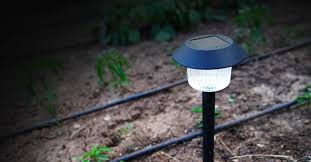
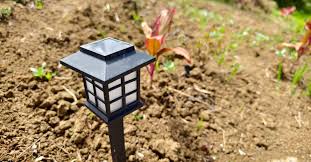
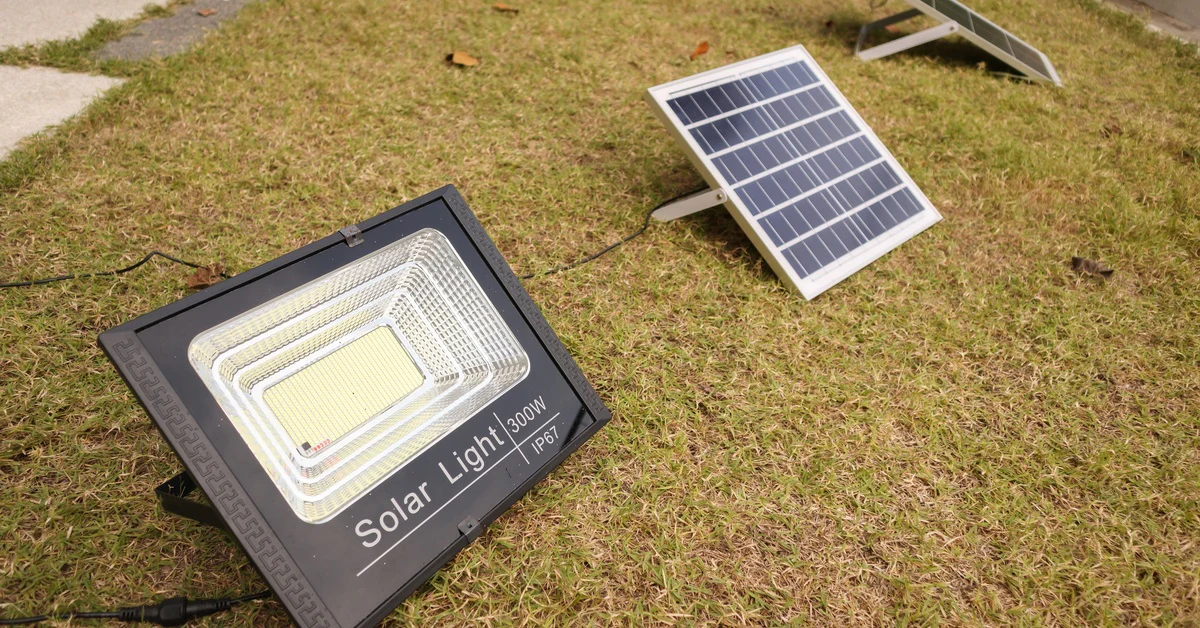
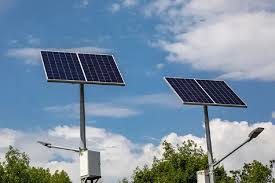
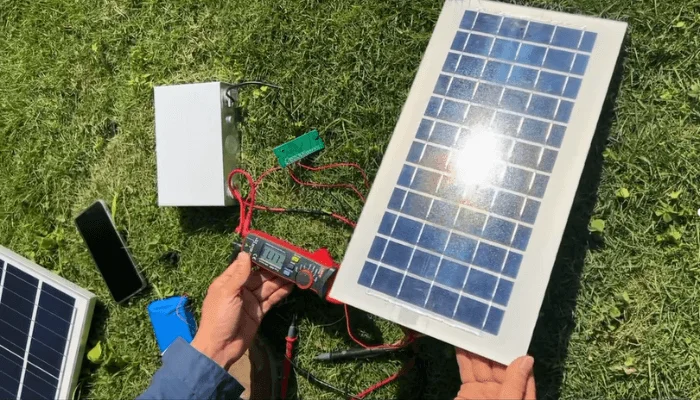
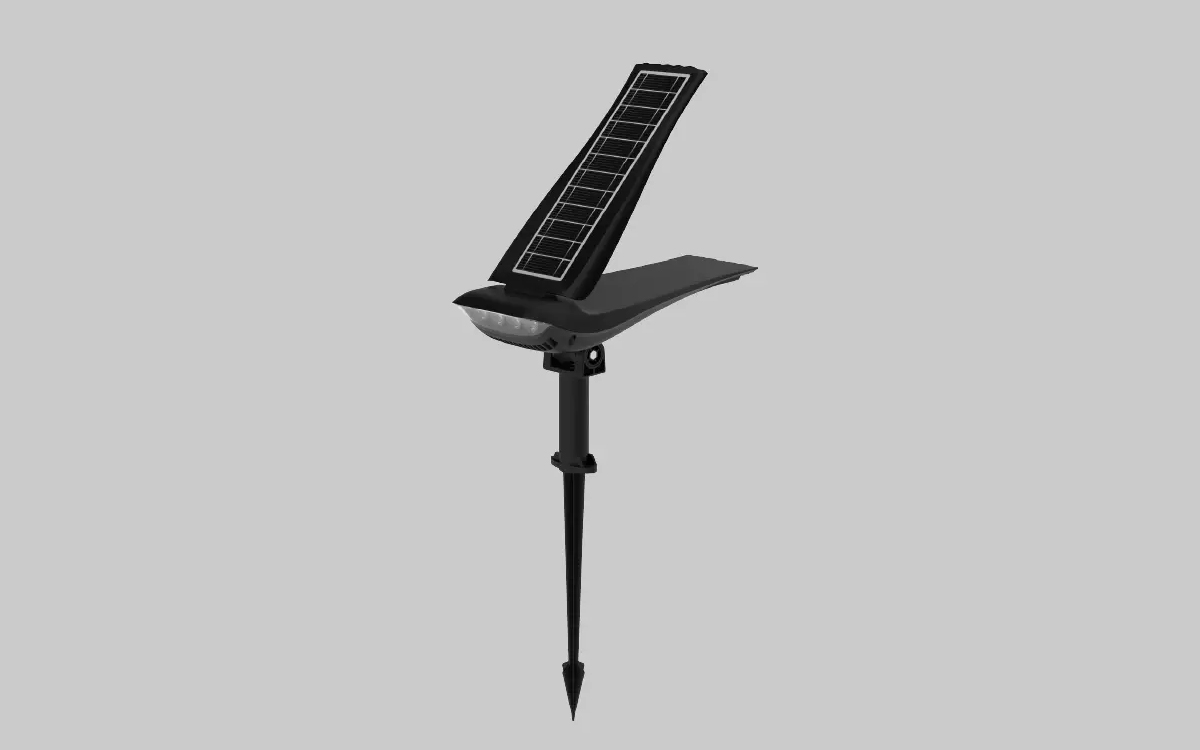
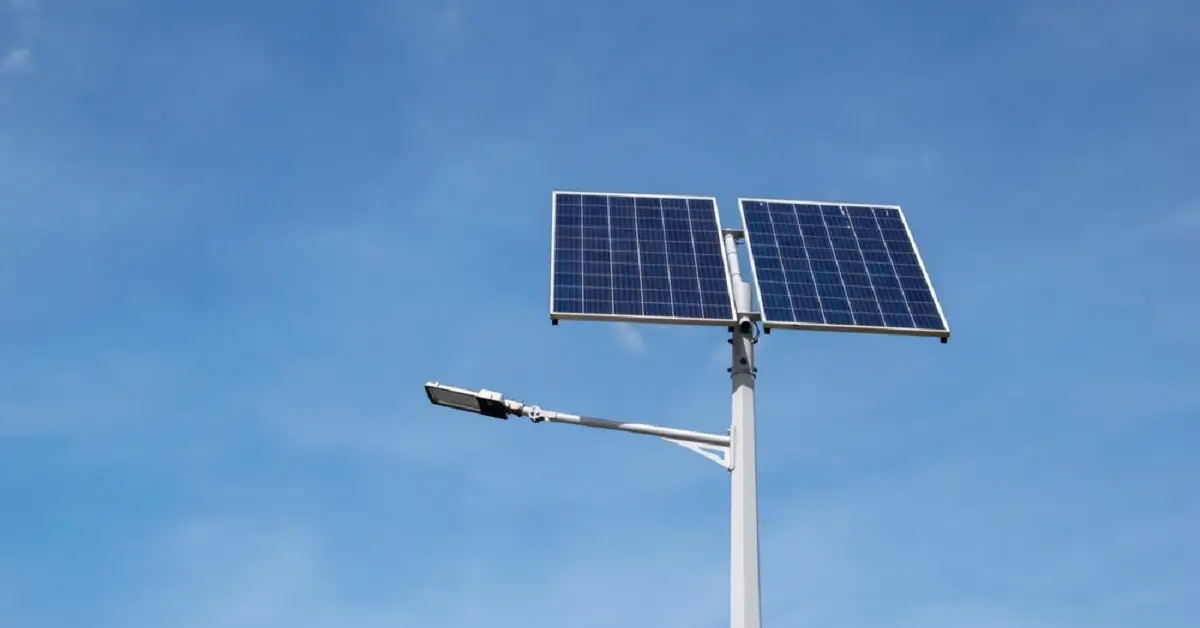
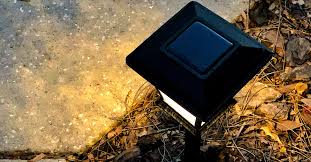
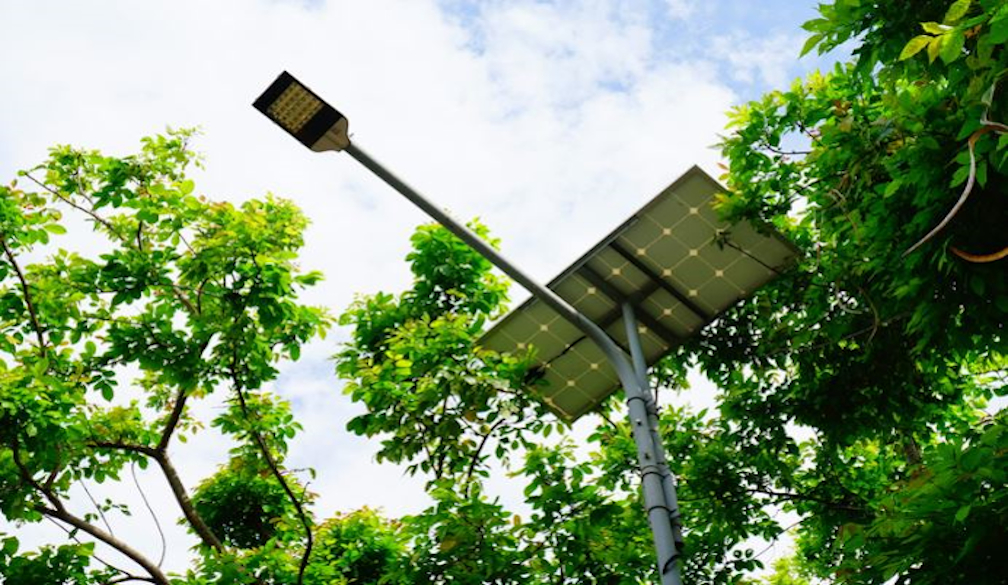
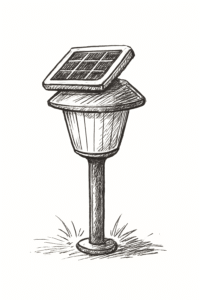
Here’s the simple version. Solar lights have tiny panels on top. Those panels soak up light during the day. Inside the light, there’s a small battery storing that energy. When it gets dark outside, a sensor notices and flips the light on. The battery powers it through the night.
What most people don’t realize is that these panels don’t need blazing sunshine to work. They respond to any kind of light. Cloudy days work. Shaded spots work. Even winter days with weak sunlight work. The panels convert light into electricity no matter where it comes from.
Now, does stronger light charge them faster? Absolutely. But thinking they need perfect conditions is what stops people from using them in spots where they’d work fine.
Do Solar Lights Need Direct Sunlight to Charge?
No. They don’t need it. They prefer it, sure. But they’ll charge without it.
Solar panels grab energy from any light source hitting them. Direct sunlight gives you the fastest charge because it’s intense and concentrated. Indirect light takes longer but still works. Your lights will charge on a cloudy Tuesday in January. They’ll charge under a tree that blocks half the sky. They’ll even charge sitting on a north-facing porch that never sees direct rays.
The difference shows up at night. Lights with full sun exposure run brighter and longer. Lights in shadier spots dim out faster or don’t make it through the whole night. But they still work. You just need realistic expectations about runtime.
Think about charging your phone. Plug it into a fast charger and you’re done in an hour. Use a slow charger and it takes three hours. Same battery, different charging speed. Solar lights work the same way.
How Solar Lights Handle Cloudy Days
Cloudy weather is where people get nervous. They picture their lights sitting there doing nothing all day.
On a super cloudy day, your solar panels pull in about 10 to 25 percent of what they’d get in full sun. On a lighter overcast day, you’re looking at closer to 50 or 70 percent. One cloudy day won’t kill your lights. They’ll still turn on that night. Maybe not as bright. Maybe not for as long. But they’ll work.
String together four or five cloudy days and yeah, you’ll notice the battery draining. The lights get dimmer each night. By the fifth night they might barely glow.
The good news is that solar technology keeps getting better. Lights made in 2025 and 2026 handle cloudy stretches way better than older models. I’ve seen newer units run for two or three days straight on weak light without completely dying out.
What Happens in Shaded Areas
Shade is trickier than clouds. Clouds pass. Shade stays put.
If you stick solar lights under a dense roof overhang or beneath thick trees, they’re going to struggle. Here’s what you get at different shade levels:
- Heavy shade all day: Barely any charge. Lights might glow weakly for an hour after dark, then quit.
- Partial shade: A few hours of decent light each day. Lights work but don’t last all night.
- Dappled shade: Light sneaks through leaves and branches. Performance depends on how thick the canopy is.
I learned this the hard way with pathway lights I put under a big oak tree. They looked great during the day. At night? Pathetic. Moved them three feet to the left where they caught morning sun and the problem fixed itself.
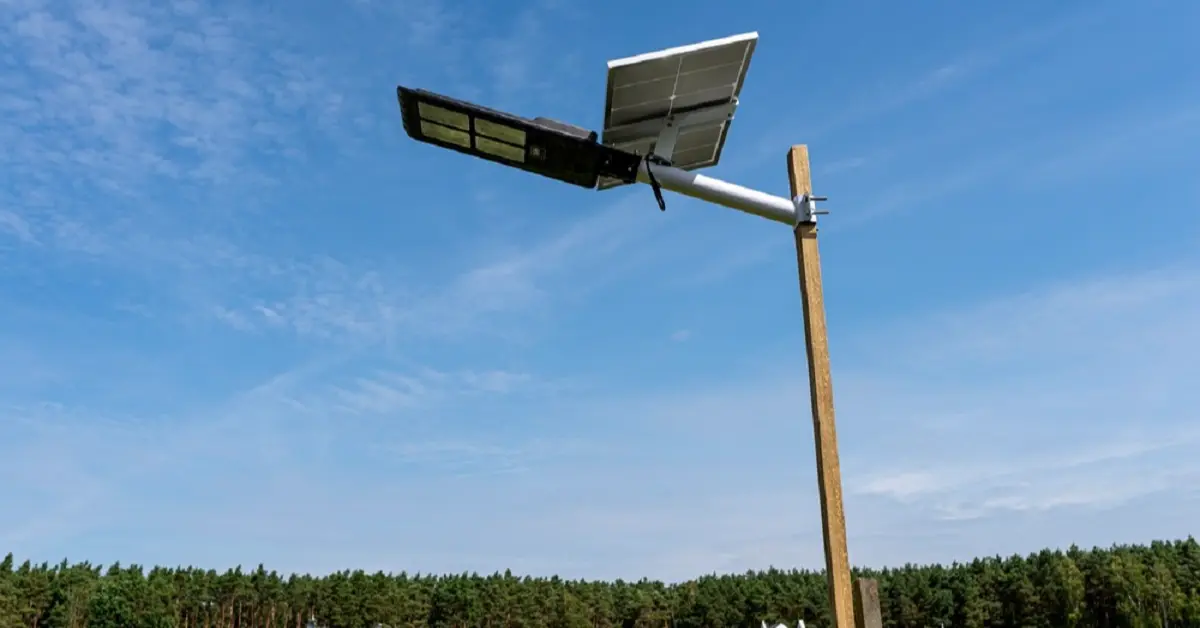
If you’re stuck with a shady spot, get lights with detachable panels. You run a cable between the panel and the light. Panel goes in the sun. Light goes wherever you need it. Problem solved.
This is something we cover in detail in our guide on Do Solar Lights Work Under Trees?
Where to Put Solar Lights for Best Results
Location matters more than anything else. A cheap solar light in a good spot beats an expensive one in a bad spot every time.
Here’s what works:
- Get the panel 6 to 8 hours of light exposure each day. More is better.
- Point the panel south if you’re in the northern hemisphere. That’s where the sun travels.
- Keep the light sensor away from porch lights and street lamps. Those confuse the sensor and your light won’t turn on.
- Wipe the panel down every few weeks. Dust and pollen block light just like dirt on a window.
- Check your placement when seasons change. A sunny spot in July might be shaded by November when the sun drops lower.
I’ve moved my lights around three times before finding spots that work year round. It takes some trial and error.
Making Your Solar Lights Work Better
Small habits keep solar lights running strong for years.
Clean those panels. Seriously. A dirty panel loses power fast. Takes two minutes with a damp cloth every couple weeks.
Replace batteries when they die. Batteries last about two to three years. When your lights start dimming or shutting off early, swap the battery. Costs a few dollars and your lights work like new again.
Buy the right lights for your area. Live somewhere cloudy? Get lights with bigger panels and better batteries. Check the specs before buying. Not all solar lights handle low light equally.
Give new lights a proper first charge. When you first set up solar lights, let them sit in direct sun for a full day or two before using them. Charges the battery completely and helps it last longer.
Mistakes That Kill Solar Light Performance
Most dead solar lights aren’t broken. They’re just placed wrong.
People put them under roof edges where the panel sits in permanent shade. They install them next to bright outdoor lamps that trick the sensor. They forget that winter sun sits lower and shades spots that were sunny in summer.
One mistake I see constantly is people leaving the battery tab in. New lights come with a little plastic tab protecting the battery during shipping. Pull that tab out or your light will never work. Sounds obvious but it happens all the time.
Before you decide a solar light is garbage, check these things first. Nine times out of ten, moving the light or cleaning the panel fixes everything.
Before you decide a solar light is garbage, check these things first. Nine times out of ten, moving the light or cleaning the panel fixes everything.
To understand the full purpose of solar lights and how they’re designed to work, What Is the Purpose of Solar Lights? Everything You Need to Know
Do Solar Lights Work Inside Your House?
They work near windows with good light. Put one by a south-facing window and it’ll charge fine for small indoor needs. Glass blocks some UV light but not enough to matter for most uses.
Windows that face north or rooms with little natural light won’t charge solar lights well. For those spots, get lights with external panels. Panel goes outside or in a window. Light unit goes wherever you want it inside.
I’ve used small solar lights in my garage near the door window. Works great for when the power goes out.
This is something we cover in detail in our guide on Can I Use Solar Lights Indoors?
Final Thoughts
Do solar lights need direct sunlight? No. They work with whatever light they get. Direct sun charges them fastest and runs them longest, but it’s not required. Put them where they get decent light exposure. Keep the panels clean. Replace batteries when they wear out. Do those things and your solar lights will work fine in most outdoor spaces.
Understanding what solar lights need and what they don’t helps you set them up right from the start. You’ll get better results and fewer headaches.
Summary
Solar lights don’t need direct sunlight. They charge with any light, including cloudy days and shade. Direct sun gives the best charge, but indirect light still works. Performance depends on placement, clean panels, and battery health. Understanding how solar lights charge helps you set them up correctly and get reliable results year round in most outdoor spaces.