Table of Contents
Nobody talks about the disadvantages of solar panels when they are trying to sell you one. The pitch is always clean energy, lower bills, saving the planet. All of that is true to some degree. But there is a whole other side to this conversation that most people only find out after the installation crew has packed up and left.
So here it is. The full picture. Not to put you off solar panels but to make sure you walk into this decision with your eyes open.
This is something we cover in detail in our guide on 10 Disadvantages of Solar Energy Every Homeowner Should Know in 2026
The Upfront Cost Hits Hard
This is the one that stops most people in their tracks and honestly it should give you pause before anything else. A full residential solar system in 2026 runs anywhere from ten thousand to thirty thousand dollars. That is before installation complications, before any upgrades your electrical panel might need, and before you factor in battery storage if you want it.
Yes, tax credits and government incentives bring that number down. But the out of pocket cost is still significant for most households. The savings on your electricity bill recover that investment over seven to twelve years on average. If you own your home and plan to stay there long term, that math works out fine. If you move every few years, you are essentially funding a solar upgrade for whoever buys your house next.
Financing stretches the pain out but adds interest on top. By the time you finish paying off a ten year solar loan you have paid more than the system originally cost. That is worth sitting with before you sign anything.
Disadvantages of Solar Panels in Cloudy and Cold Regions
Here is something the sales brochures never lead with. Solar panels need actual sunlight to do their job. Not warmth. Sunlight. And in large parts of the world, consistent strong sunlight is not something you get year round.
If you live somewhere with long grey winters, a rainy climate, or heavy seasonal cloud cover, your panels are going to sit there generating a fraction of what they would in sunnier regions. A system sized to cover 90% of your electricity needs in a sunny southern state might cover 50 to 60% of the same needs in a northern climate or a coastal region with frequent overcast weeks.
The people selling solar in your area will quote you national average figures. Push them for location-specific data. Ask what output looks like in December and January specifically. The honest ones will tell you. The ones who dodge the question are telling you something too.
Your Roof Might Not Be Suitable
A lot of buyers get deep into the process before finding out their roof is not a good candidate. This wastes everyone’s time and is genuinely frustrating.
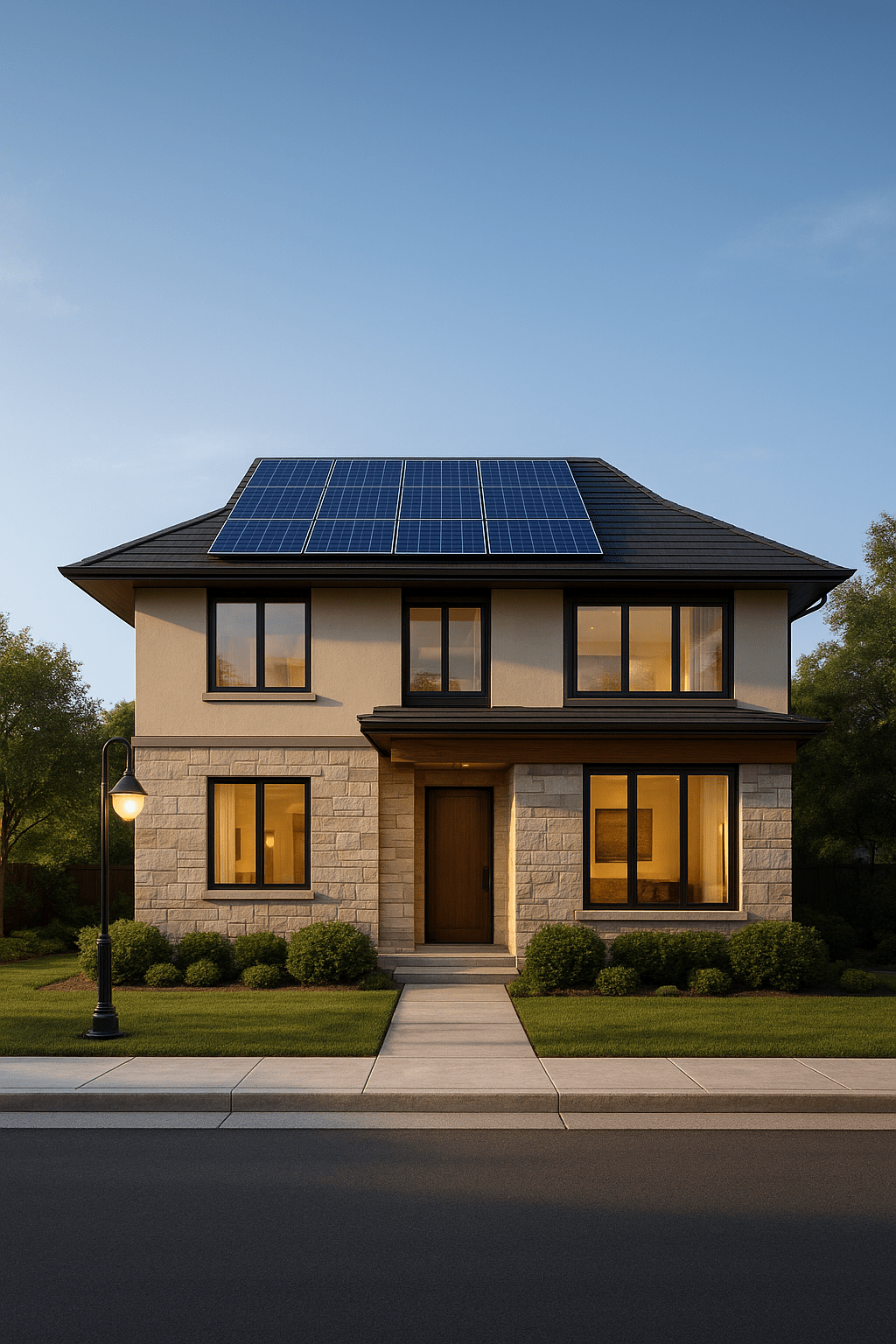
South-facing roofs in the northern hemisphere work best. East and west facing roofs work but generate less. North-facing roofs are often not worth the investment at all from a pure output perspective. Then there is roof age. If your roof needs replacing in the next five years, installers will tell you to replace it first. Taking panels off and putting them back on during a roof replacement adds cost you were not planning for.
Complex roof shapes with multiple sections, chimneys, skylights, and dormers reduce available panel space fast. Trees that shade sections of your roof for parts of the day reduce output more than most people expect. Some properties simply do not have the right roof for a system worth installing.
Battery Storage Costs Are a Separate Conversation
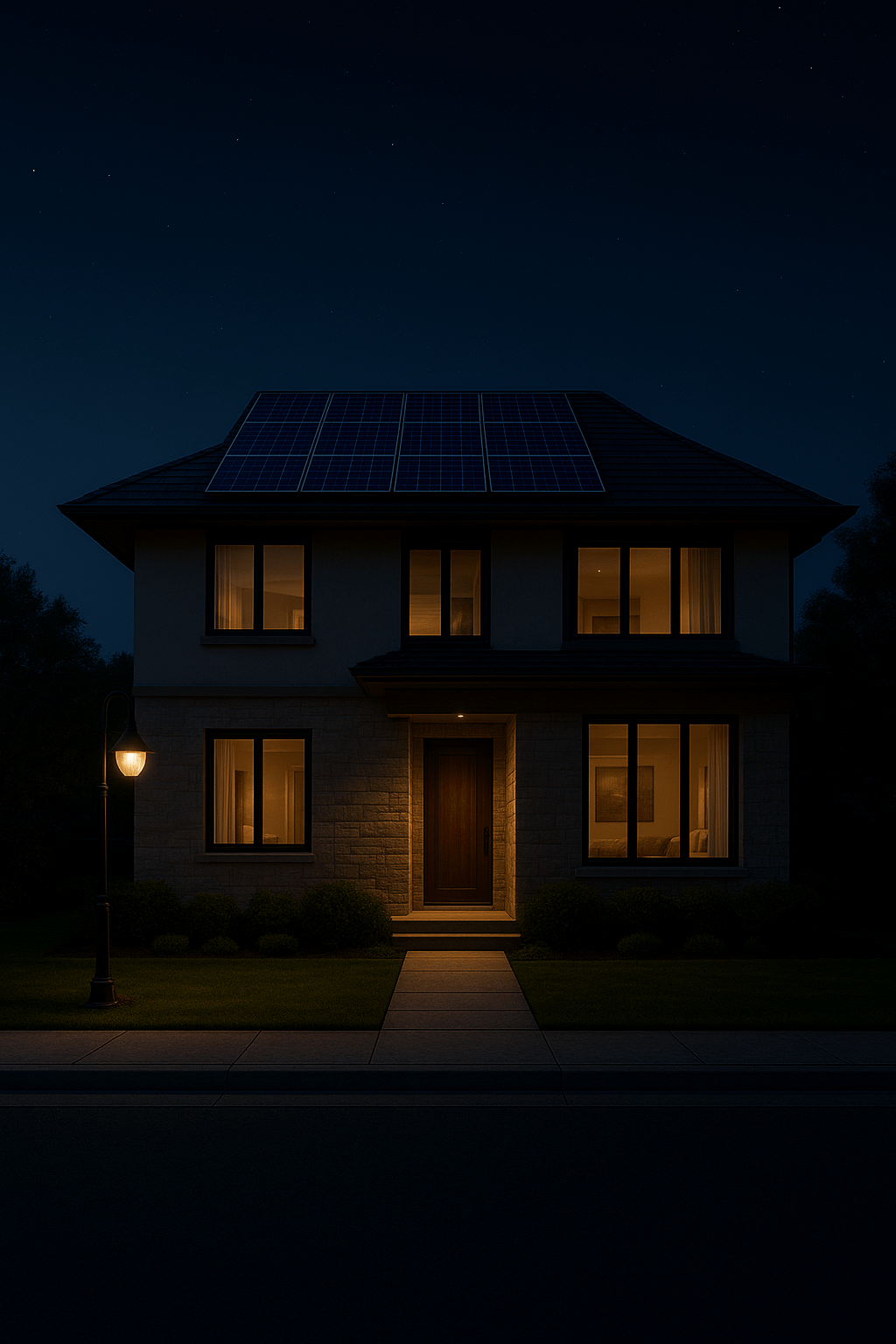
This is where a lot of buyers feel misled and the feeling is understandable. Solar panels generate electricity during daylight hours. Your household uses most of its electricity in the morning and evening. Without battery storage, that mismatch means you export cheap daytime power to the grid and buy it back at peak rates in the evening.
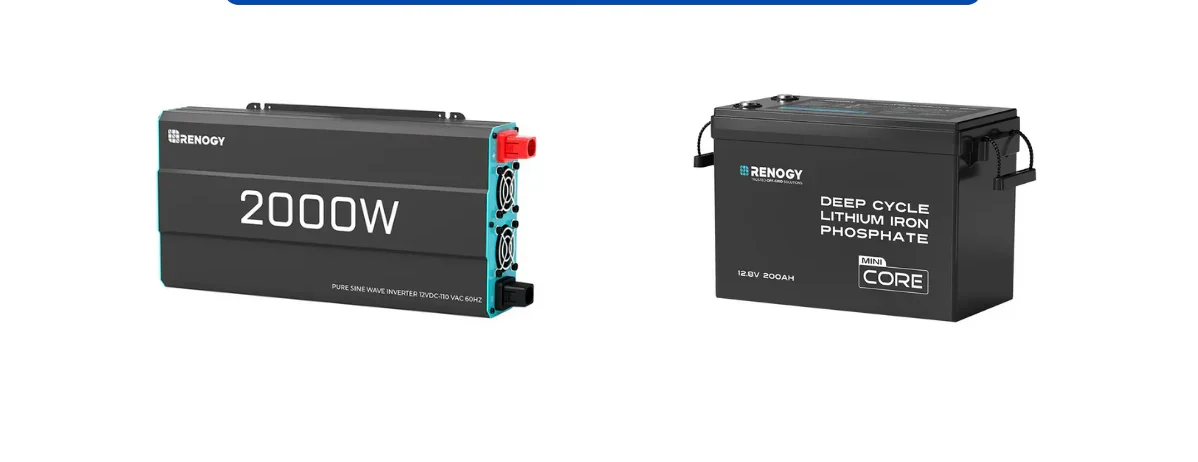
To actually store your own solar energy and use it when you need it, you need a home battery system. In 2026 a quality home battery adds eight thousand to fifteen thousand dollars on top of your panel installation. That is a serious additional investment on top of an already large purchase.
Without storage you are still grid dependent for evening and overnight power. Your bill goes down but it does not disappear. Full independence from the grid costs significantly more than most initial solar quotes suggest.
Disadvantages of Solar Panels You Notice Over Time
Panel efficiency drops slowly over the years. Around half a percent per year is the standard figure for quality panels. After twenty five years your panels are running at roughly 87 to 88% of their original output. That is manageable but it means the system produces less in year twenty than it did in year one.
Inverters need replacing. This is the component that converts solar electricity into the current your home appliances actually use. Most inverters last ten to fifteen years before needing replacement. Replacement costs between one thousand and three thousand dollars depending on system size. It is a predictable cost but one that often gets left out of the long term financial picture buyers are shown upfront.
Cleaning matters more than people realize. Dust, pollen, and bird activity coat panels and reduce output noticeably over time. In dusty climates or areas with heavy bird traffic, dirty panels lose 15 to 25% of their output without regular maintenance. Low maintenance is not the same as no maintenance.
This is something we cover in detail in our guide on Solar Panel Risks Homeowners Should Know Before Installing in 2026
The Aesthetic and Neighborhood Reality
Not every neighborhood welcomes solar panels. Some homeowner associations restrict them. Heritage buildings and conservation areas often prohibit them outright. Even where there are no formal restrictions, some buyers find that panels affect how their home looks in ways they did not fully anticipate from a brochure photo.
Property value impact is positive in most markets but not in all of them. In certain neighborhoods solar installations add little to resale value despite the cost of installation. Buyers who install and then sell within a few years sometimes recover less from the sale than they spent putting the system in.
Leased solar systems create a specific complication during property sales. If you lease rather than own your panels, the lease transfers to the new buyer or gets paid out at sale. Some buyers walk away from properties with solar leases attached because the paperwork and financial obligation feels complicated. It is a real friction point in transactions that agents do not always warn you about upfront.
Manufacturing and Disposal Are Not Clean Topics
Solar panels produce clean energy over their lifetime. That part is true and the numbers support it strongly. But manufacturing them is not a clean process. Silicon purification, rare earth material extraction, and the energy used in production all carry environmental costs. Most of that manufacturing happens in regions where the energy powering the factories is not renewable.
Panel disposal at end of life is a growing problem with no fully clean solution yet. Most panels contain materials that need careful handling. Recycling infrastructure is still developing in most countries. A large wave of panels installed in the early 2010s is approaching end of life and the disposal question is not fully answered.
None of this cancels out the clean energy benefit of a panel running for 25 to 30 years. The lifetime carbon math still favors solar strongly. But calling it entirely without environmental cost is not an accurate picture.
Summary
The disadvantages of solar panels include high upfront installation costs, dependence on sunlight availability, significant space requirements, and the added expense of battery storage for full energy independence. Roof compatibility, gradual efficiency degradation, inverter replacement costs, and end-of-life disposal questions add further complexity. Solar panels work well for many households but they are not the right financial or practical fit for everyone. Knowing the full picture before buying leads to better decisions and fewer regrets.