Table of Contents
The best solar security lights for UK homes in 2026 are nothing like the faded, flimsy things you might have tried years ago. Today’s options are brighter, tougher, and far more reliable. With energy bills still hitting hard across Britain, more homeowners are ditching wired security lights and switching to solar. No electrician, no running costs, no fuss. If you have been thinking about making the switch but are not sure where to start, this guide walks you through everything in plain English.
Do Solar Security Lights Actually Work in the UK?
This is the first thing most UK homeowners ask. And it is a fair question. Britain is not exactly famous for sunshine. Grey skies, short winter days, and weeks of overcast weather are all very real concerns when you are relying on a solar panel to charge your security light.
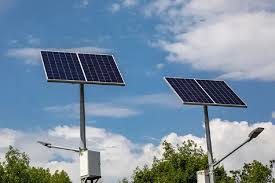
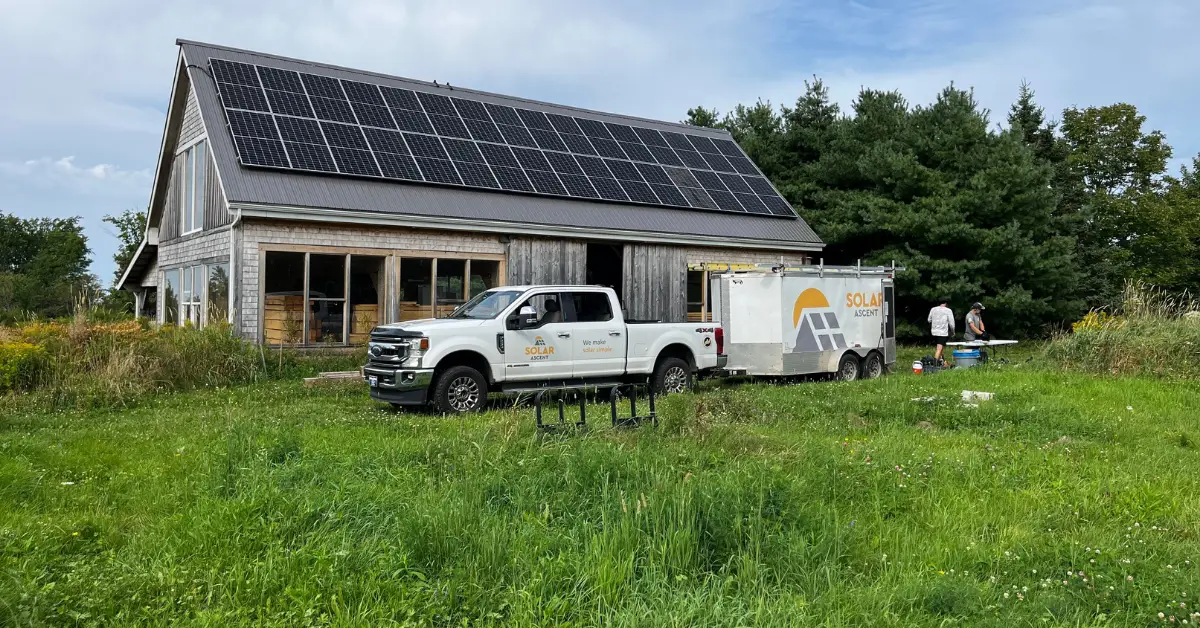
The good news is that modern solar panels do not need direct sunshine to charge. They work from daylight, even on cloudy days. A decent solar security light in the UK will charge during the day and run reliably through the night. In deep winter, performance does dip a little, but a quality light with a good battery and efficient power management will still cover you through the dark months. The key is choosing the right light and placing the solar panel in the right spot, and we will get to both of those shortly.
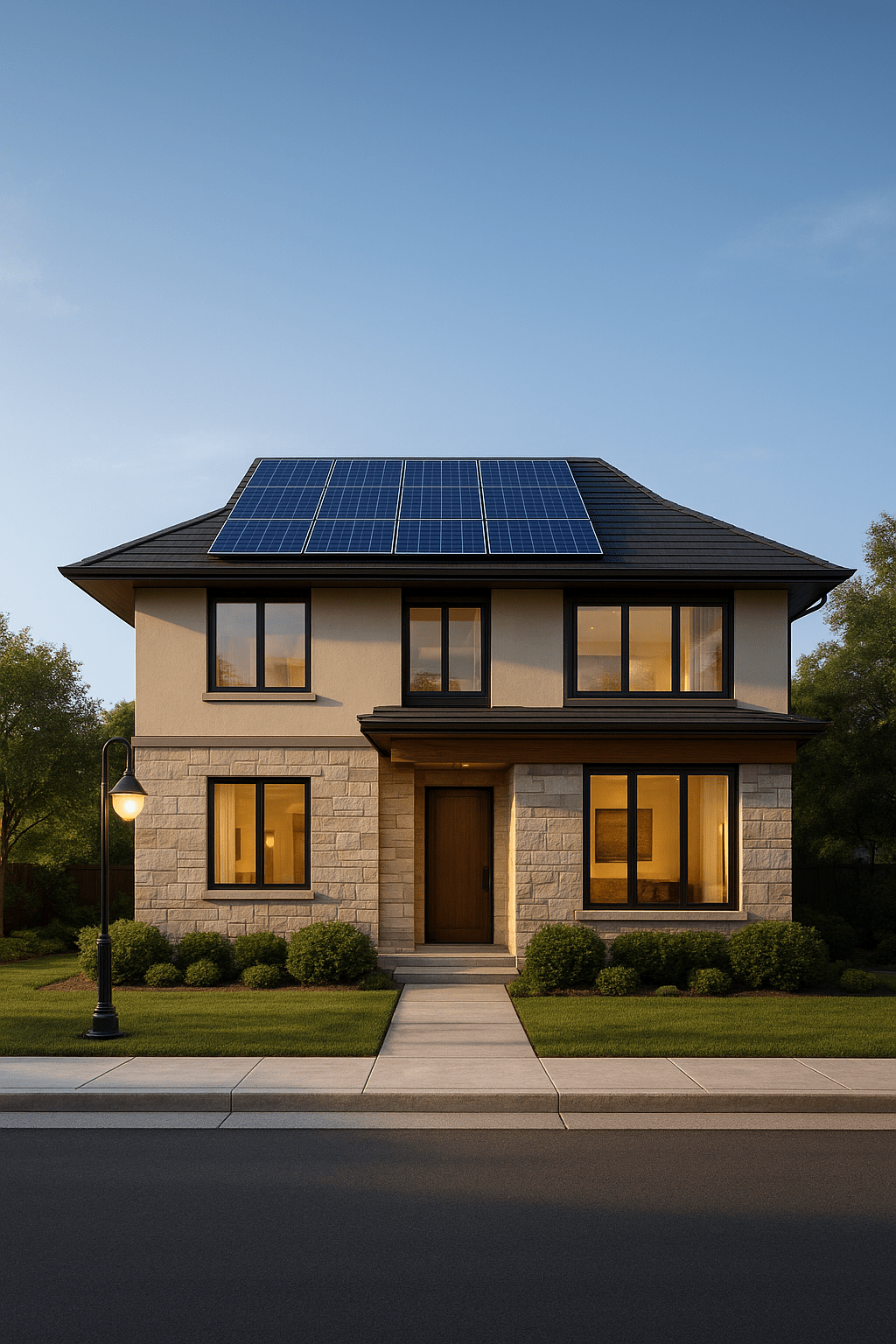
South-facing walls get the most available daylight in the UK. If your solar panel faces south and is not blocked by trees, roof overhangs, or nearby buildings, you are going to get the best performance year-round. That one placement decision makes more difference than almost anything else.
What Makes a Solar Security Light Worth Buying in 2026?
There is a huge range of solar security lights available in the UK right now, from under a tenner to well over a hundred pounds. Price alone does not tell you much. What matters is what you are actually getting for your money. Here are the features that separate a good light from a waste of money.
PIR Motion Sensor
PIR stands for Passive Infrared. It is the technology inside the sensor that detects body heat from a moving person. When someone walks into the detection zone, the light fires up instantly. A PIR sensor is what turns a basic outdoor light into a proper security light. Without it, the light either stays on all night draining the battery, or it does not react to movement at all. Every good solar security light for UK homes should have one built in.
IP65 Weatherproof Rating
In the UK, your outdoor light is going to face driving rain, frost, and damp for a good portion of the year. IP65 is the minimum rating you should accept for any outdoor solar security light. It means the unit is completely protected from dust and handles sustained jets of water from any direction. Anything rated below IP65 is a risk in British weather conditions. Some premium models go to IP66 or IP67, which gives you even more peace of mind during particularly wet winters.
Lumen Output
Lumens measure how bright a light actually is. For a front door or garden path, 400 to 800 lumens is usually plenty. For a driveway, garage entrance, or wider open area, you want at least 1000 to 2000 lumens. Security floodlights covering large back gardens or side passages should go higher, up to 3000 lumens or more. Do not just go by the number of LEDs on the product listing. Lumen count is the only honest measure of brightness.
Detection Range and Angle
A motion sensor that only picks up movement five metres away is not much use above a garage door. Look for sensors with at least 8 to 10 metre detection range. The coverage angle matters too. A 120-degree angle works fine for a front door or narrow passage. For corners of a property, gates, or open areas, a 270-degree coverage angle is far more useful. It means one light covers a much wider sweep of your property without needing multiple units.
Battery Quality and Replaceability
Lithium-ion batteries are the standard to look for. They handle cold temperatures better than older battery types, which matters a great deal during UK winters. More importantly, check whether the battery is replaceable. Some cheap solar lights seal the battery inside permanently. When it dies, the whole unit goes in the bin. A light with a replaceable battery is a much smarter long-term buy. You replace the battery for a few pounds rather than buying a whole new light.
The Best Places Around a UK Home to Put Solar Security Lights
Where you mount your lights makes a bigger difference than most people realise. The best spots for UK homes are:
- Above the front door, angled down to cover the path and porch area.
- At the top of the driveway or garage entrance, covering the approach from the street.
- On side gates or side passages, which are common entry points for intruders.
- Above the back door or near patio doors at the rear of the property.
- In corners of the garden where the street lighting does not reach.
- On fences or walls covering outbuildings, sheds, or bike storage areas.
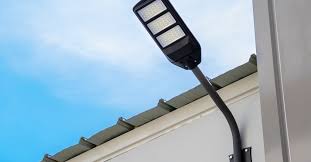
The recommended mounting height for most solar security lights in the UK is between two and three metres. Too low and the detection zone is limited. Too high and the angle of the sensor misses people walking close to the wall directly below it.
One practical tip that many people overlook is testing the motion sensor before you commit to the final mount position. Most lights let you switch to a test mode where the light reacts to movement in real time. Walk around the area you want covered before you drill the final holes. It takes five minutes and saves a lot of frustration.
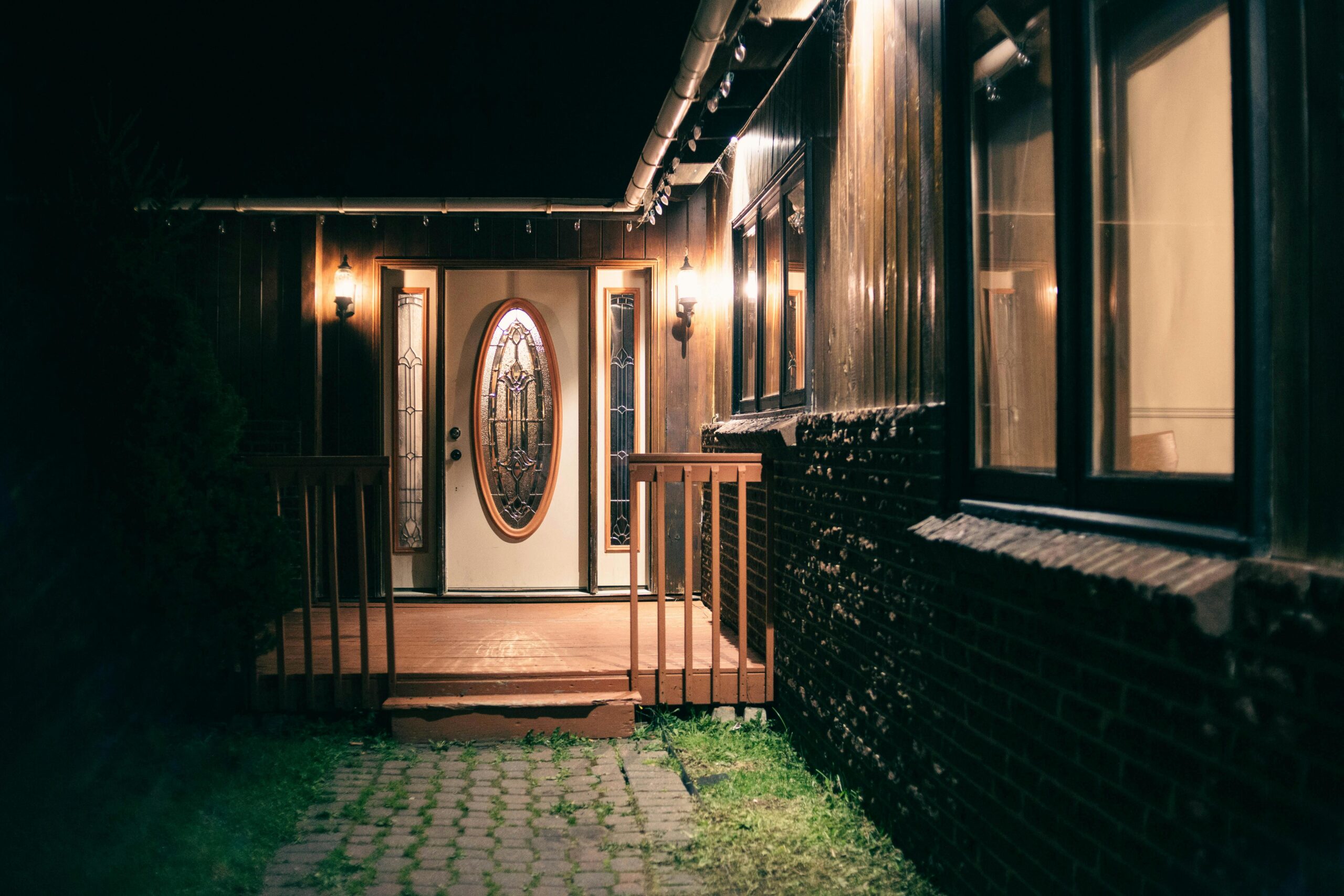
This is something we cover in detail in our guide on Best Solar Entryway Lights for Home Security and Curb Appeal in 2026
How Solar Security Lights Help Deter Burglars
Burglars do not want attention. A sudden flood of bright light is one of the most effective deterrents you have as a homeowner. It removes the cover of darkness, draws attention from neighbours and passers-by, and signals that the property has active security measures in place. Most opportunistic intruders move on immediately when a security light activates.
When you pair solar security lights with an outdoor CCTV camera or a video doorbell, the combination is even more effective. The light illuminates the area so the camera captures clear footage. Without light, a camera in the dark records very little of use. Together, they create a visible security presence that most would-be intruders simply do not want to deal with.
For UK homeowners who are away regularly, or who have a driveway or garden that is not visible from the road, solar security lights are one of the simplest improvements you make. They work every night automatically, with no ongoing effort from you whatsoever.
What to Expect From Solar Security Lights in UK Winter
Winter is where a lot of cheaper solar security lights let UK homeowners down. Short daylight hours and frequent overcast skies mean the solar panel gets less charging time than it does in summer. A light that performs brilliantly in July sometimes struggles to get through a full winter night in December.
There are a few things that help. First, buy a light with a larger solar panel surface area. More panel means more energy collected even from weak winter daylight. Second, look for lights with intelligent power management that adjusts brightness based on available battery charge. These lights dim slightly when the battery is low rather than switching off completely, keeping some level of security lighting active throughout the night.
Third, and most importantly, position the solar panel facing south. A south-facing solar panel in the UK collects significantly more daylight through autumn and winter than one facing north or east. It is the single most effective thing you do to improve winter performance without spending an extra penny.
How Much Do Good Solar Security Lights Cost in the UK?
You get what you pay for, but you do not need to spend a fortune. Here is a rough breakdown of what different price ranges get you in 2026.
Under £25: Basic motion-activated solar lights that work well for paths and low-traffic areas. Battery life and build quality are limited. Suitable for supplementary lighting rather than main security coverage.
£25 to £50: The sweet spot for most UK homeowners. This range gets you IP65 weatherproofing, a decent lumen output, good PIR detection, and a battery that handles the UK winter reasonably well. Brands like Luceco and PowerBee sit in this range and have strong track records in UK conditions.
Over £50: Premium solar security lights with wider detection angles, higher lumen outputs, larger solar panels, and in some cases built-in cameras with two-way audio. If you want the best solar motion sensor lights for a larger property or want camera integration, this is the range to shop in.
Installing Solar Security Lights: What You Need to Know
One of the biggest selling points of solar outdoor security lights is how simple they are to install. No electrician, no chasing wires through walls, no fuse board work. Most UK homeowners get a single light up in under 30 minutes with nothing more than a drill and the screws included in the box.
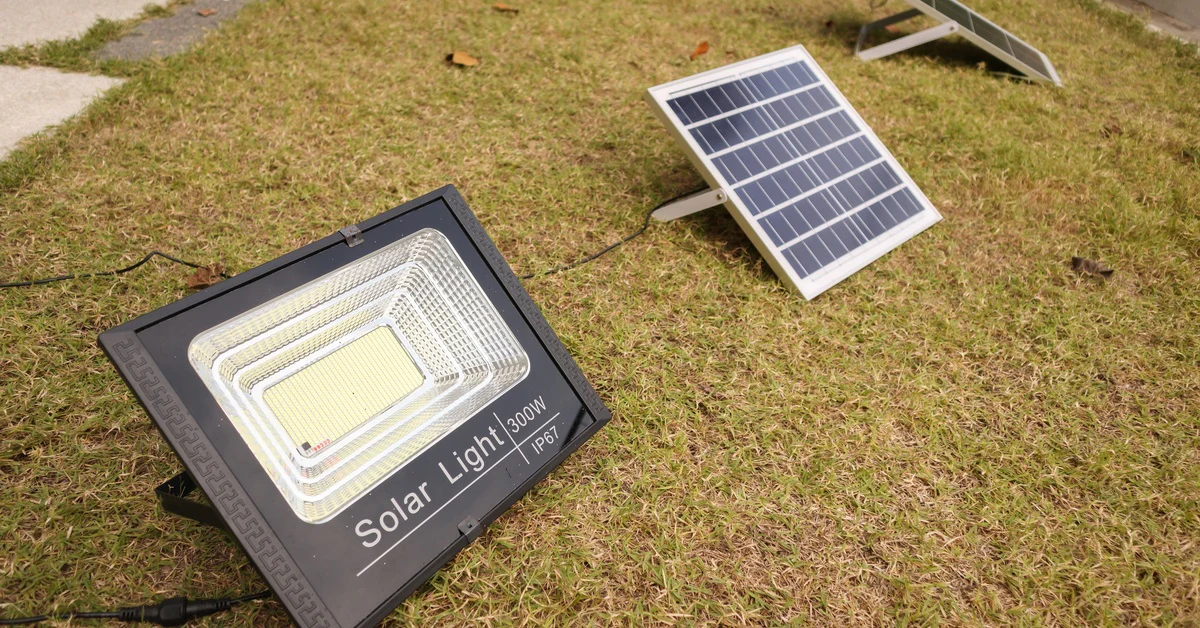
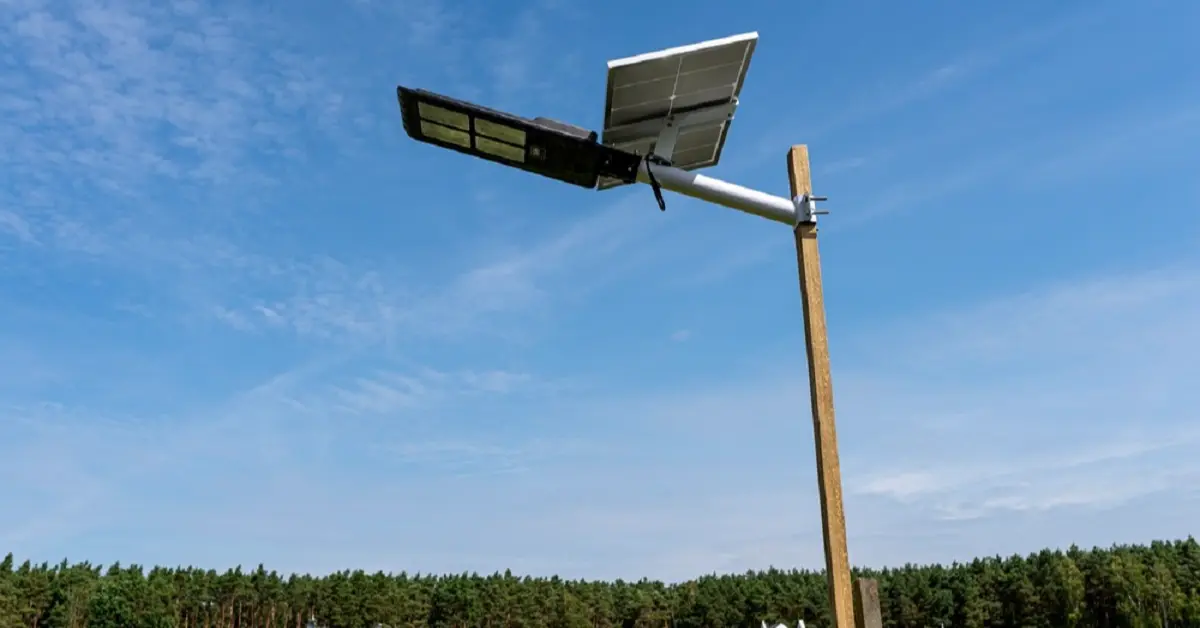
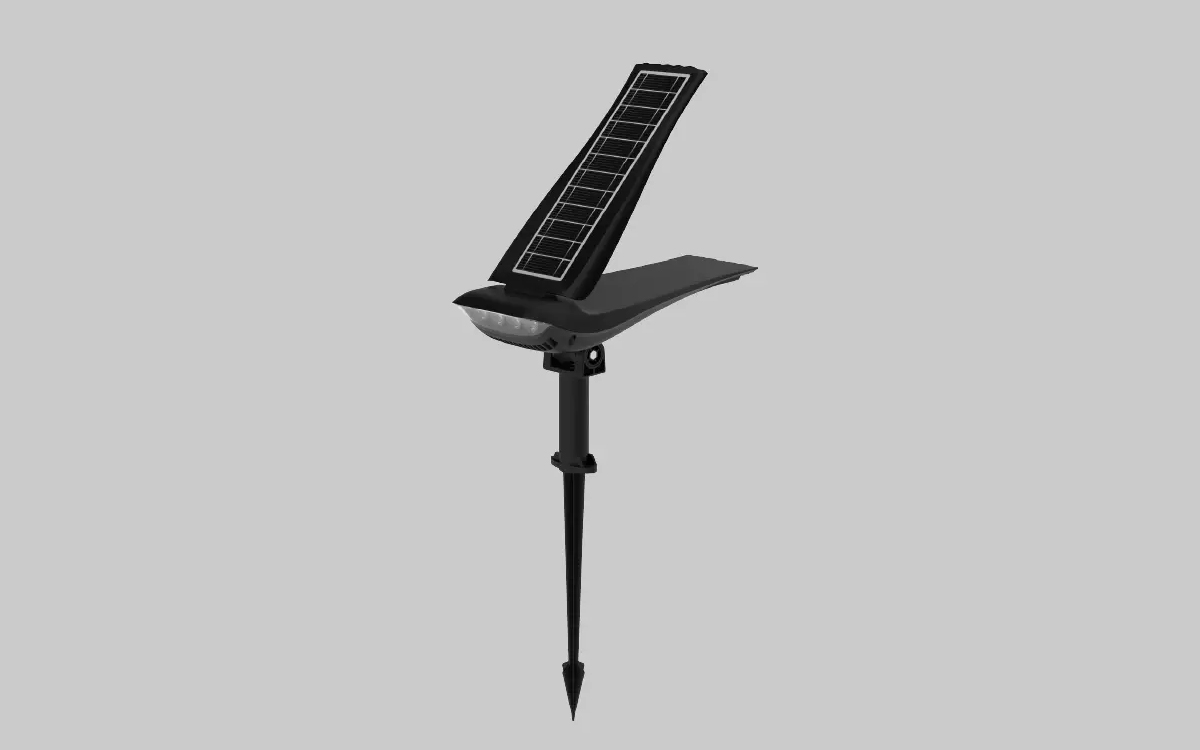
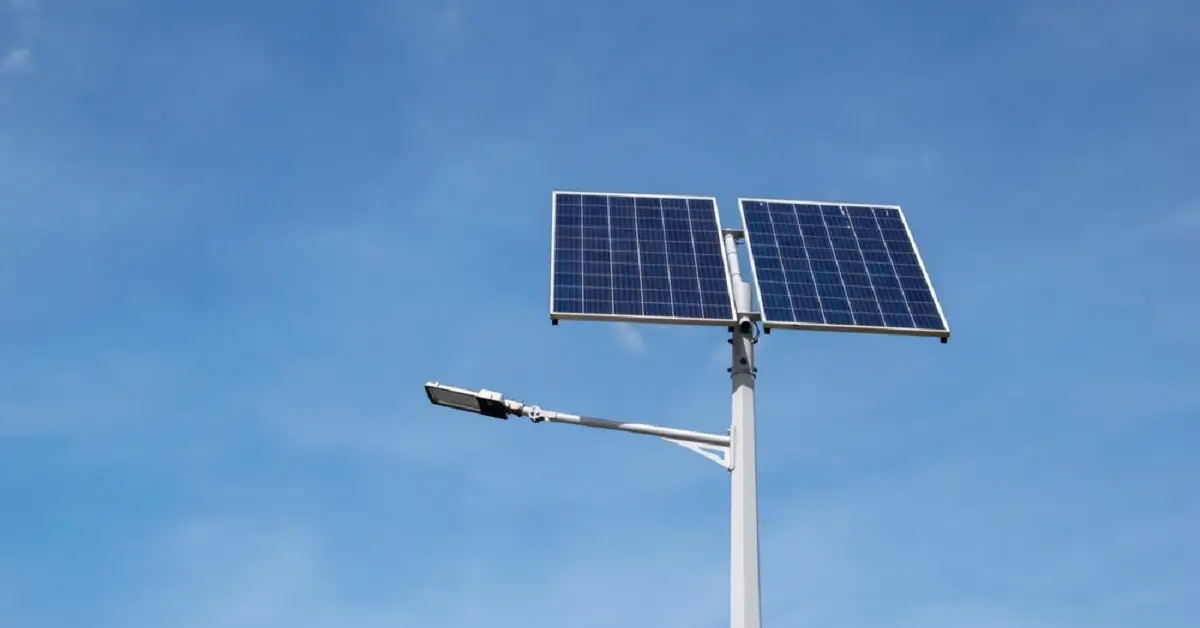
The process is usually the same across most models. You mark and drill two or three fixing holes, screw the mounting bracket to the wall, attach the light to the bracket, angle the solar panel towards the south, and switch the unit on. The light handles the rest automatically from that point. Some all-in-one units have the solar panel built into the same housing as the light. Others have a separate panel connected by a short cable, which gives you more flexibility in positioning.
The only real skill needed is drilling into the right surface material. Brick, rendered walls, and timber fences all need slightly different drill bits and fixings. If you have done any basic DIY around the house before, installing a solar security light is well within reach.
Terms You Will See When Shopping for Solar Security Lights UK
Product pages and comparison sites throw a lot of terminology at you. Here is what the most common ones actually mean in plain terms.
PIR solar security light means the light uses a Passive Infrared sensor to detect movement. Solar PIR floodlight is the same thing but with a wider, more powerful beam spread. Outdoor solar motion sensor light is another way of saying the same thing. Solar powered garden security light covers any solar light designed for outdoor security use. Wireless solar security light just means there are no mains cables involved. Dusk to dawn solar light refers to a light that stays on at low brightness from sunset to sunrise, brightening when motion is detected.
All of these terms describe products in the same broad category. Knowing what they mean helps you filter your search results and compare options without getting confused by marketing language.
The Bottom Line for UK Homeowners
The best solar security lights for UK homes in 2026 are genuinely worth the investment. They work in British weather, they install without professional help, they cost nothing to run, and they do a real job of keeping your home safer after dark. Focus on IP65 weatherproofing, a proper PIR sensor, a lumen count suited to your space, a south-facing panel position, and a replaceable lithium-ion battery. Get those five things right and your solar security lighting will serve you well through every British season, grey skies included.
Summary
The best solar security lights for UK homes work reliably even in British weather, provided you choose the right features and place the solar panel correctly. Look for IP65 weatherproofing, a PIR motion sensor, strong lumen output, and a replaceable lithium-ion battery. Mount them at two to three metres on south-facing walls for best year-round performance. The £25 to £50 price range covers most homeowners well. No wiring, no running costs, and no electrician needed.