Table of Contents
Most people do not think much about their front door at night. Then a guest calls saying they cannot find the house, or someone trips on the porch step, and suddenly it becomes a problem worth fixing.
A dark entryway is not just inconvenient. It feels unwelcoming, and it creates a genuine safety issue. Solar lights for doorway areas fix this without any electrical work, no permits, no contractor. You handle the whole thing yourself on a Saturday afternoon.
What makes 2026 different from five years ago is the quality of solar fixtures available now. Older solar lights were dim, inconsistent, and dead by midnight. Today’s models push 500 lumens or more, hold charge through cloudy stretches, and turn on automatically the second the sun goes down.
The Types That Actually Work at an Entryway
Walk into any hardware store and you will find dozens of solar light options. Most of them are not built for a front door. These three types are the ones worth your attention.
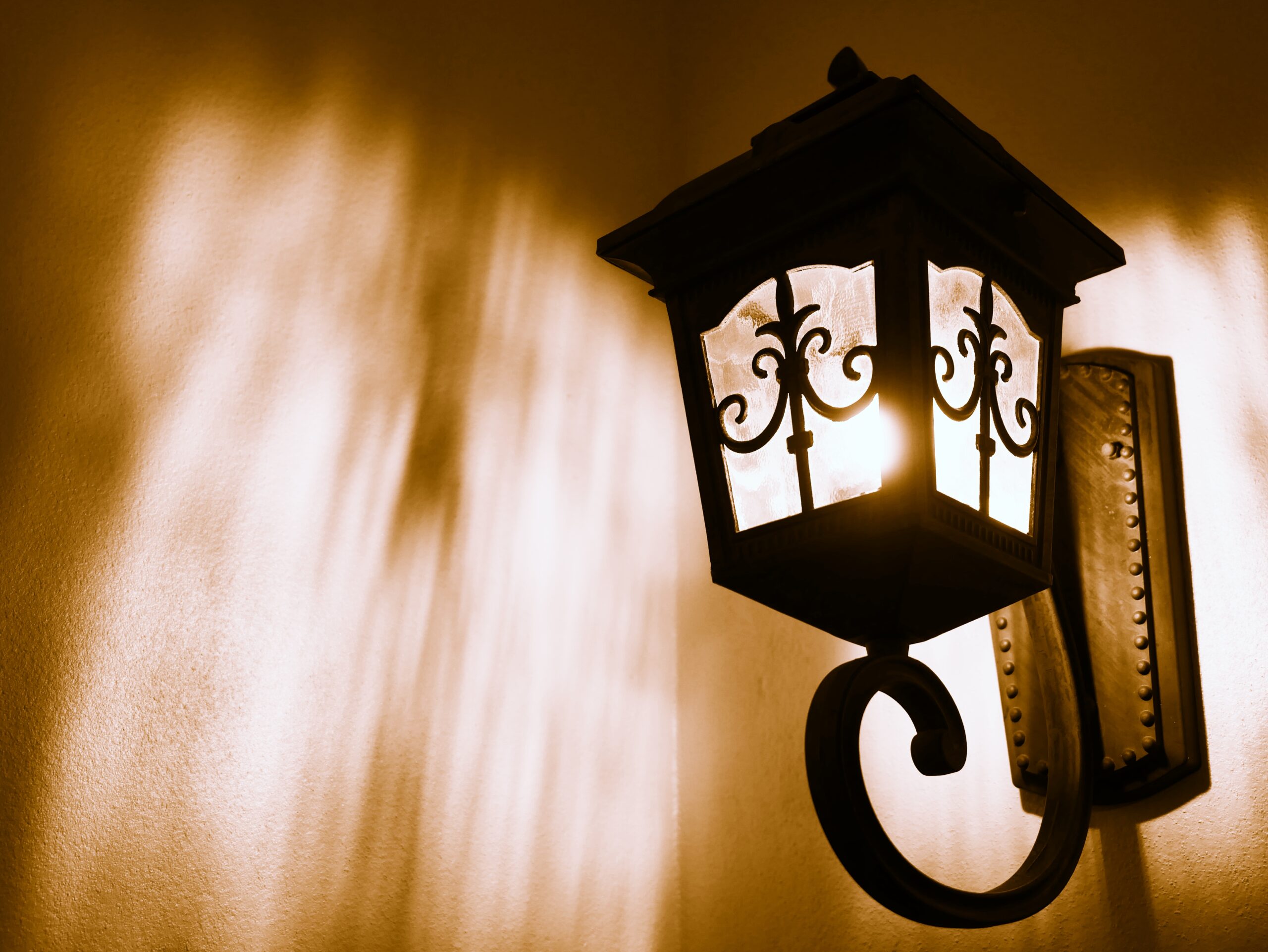
Solar Wall Lights
These are the workhorses of doorway lighting. You mount them on the wall on either side of your front door, and they spread light evenly across the entrance. Most models come with a built-in dusk-to-dawn sensor, meaning they handle themselves without any input from you. Good ones stay on all night. Cheap ones die by 2am.
Look for a model with at least 200 lumens for a standard entryway. If your porch is wide or deep, go closer to 400.
Motion Sensor Solar Lights
These are smarter and more efficient. They stay in low-glow mode most of the time and blast to full brightness when they detect movement. For a front door, this is a solid choice. Visitors get a bright welcome, and the battery lasts longer because the light is not running at full power all night.
Studies show motion-activated lights use 30 to 50 percent less battery than always-on models. Over winter when sunlight is short, that matters a lot.
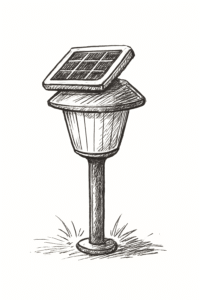
Solar Stake Pathway Lights Near the Entry
If you have a walkway leading to your front door, stake lights along the path make the whole approach feel intentional and safe. Spaced around six feet apart, they create a natural guide from the street to your door. Combine them with a wall light at the door itself and you have a complete entryway lighting setup.
What the Specs Actually Mean When You Are Shopping
Spec sheets on solar lights look intimidating. Here is what each one means in plain terms.
- Lumens: This is brightness. Under 100 lumens is decorative. 200 to 500 lumens works well for a doorway. Motion sensor burst models go up to 2,000 lumens or more for security.
- IP Rating: This tells you how waterproof the light is. IP65 handles rain fine. IP67 survives being submerged briefly. For an exposed entryway, IP65 is the minimum you should accept.
- Color Temperature: Measured in Kelvin. 2700K to 3000K is warm white, the kind that looks inviting and residential. 6000K is cold and blue. At a front door, warm white wins every time.
- Battery Runtime: A decent solar light runs 8 to 12 hours on a full charge. That covers a full night easily. Anything under 6 hours is too short for reliable overnight use.
- Solar Panel Efficiency: Better panels convert more sunlight into stored energy. Look for 20 percent conversion efficiency or above. This matters most in winter or in regions with less consistent sunshine.
Placement Is Everything
You can spend good money on a quality solar light and still get poor results if placement is wrong.
The panel needs direct sun. Not shade, not filtered light through trees. Direct sun for at least six hours daily. If your front door faces north or sits under a deep overhang, look for models that have a separate solar panel on a cable. You mount the panel somewhere it catches sun and run the cable to the light at the door.
Mount wall lights between seven and eight feet off the ground. Lower than that and the light beam is too narrow. Higher than that and it starts to lose effectiveness at ground level where it matters.
For pathway stakes, keep them out of garden beds where plants will eventually block the panel. Place them along the open edge of your walkway where they get clean exposure.
One thing most people skip: clean the panel. Dust and grime cut charging efficiency noticeably. A quick wipe with a damp cloth once a month keeps everything running at full performance.
2026 Style Trends for Solar Entryway Lights
Function matters most, but nobody wants an ugly fixture screwed to their front wall.
The trend in 2026 is moving clearly toward warm tones and minimalist shapes. Matte black finishes, brushed nickel, and oil-rubbed bronze are the most popular right now. They work with both modern and traditional architecture without clashing.
Warm white light at 2700K to 3000K is also dominating the residential market this year. Designers and homeowners alike are stepping away from cool white LEDs at entry points because they feel cold and commercial. Warm tones make a front door feel like a home, not a storage unit.
Geometric, low-profile fixtures are replacing the chunky traditional lantern shapes. Sleek mounts, clean edges, and subtle designs that complement the wall rather than compete with it.
The other big shift is autonomous operation. Homeowners in 2026 do not want to manage lighting apps or set timers. Motion sensors and ambient light sensors handle everything. The light reacts to the environment on its own.
This is something we cover in detail in our guide on Best Square Solar Lights for Modern Outdoor Spaces in 2026
Mistakes That Cost People Money
These are the most common errors, and they are all avoidable.
- Buying lights and placing the panel under an overhang where it gets minimal sun. The light dims by 9pm and is dead by midnight.
- Choosing lights based on price alone. Very cheap solar lights use low-grade batteries that lose capacity within one season.
- Ignoring color temperature and ending up with a harsh, blue-tinted doorway that looks like a parking garage.
- Picking a fixture without a replaceable battery. When the battery dies in two years, the whole unit goes in the bin.
- Not checking the IP rating and watching the light fail after the first rainy week.
Spend a little more on a quality fixture with replaceable batteries, a solid IP rating, and warm-toned LEDs. It lasts years longer and performs every single night.
Quick Setup Guide for First-Timers
Setting up solar lights for doorway areas is simpler than most people expect.
- Unbox the light and expose the panel to full sun for 24 to 48 hours before installing. This gives the battery a proper first charge.
- Use a stud finder before mounting wall lights. A secure mount matters more than a fast one.
- Angle the panel toward the direction that gets the most direct sun at your property.
- Test the sensor at dusk before you fully commit to a mounting position.
- Leave the light on its initial charging cycle for two full days before judging performance.
That is genuinely all there is to it.
Summary
Solar entryway lights are one of the smartest upgrades you can make for your home in 2026. They run on sunlight, need no wiring, and turn on automatically at night. Whether you want to improve safety, lower electricity costs, or simply make your front door look better, solar lights for doorway areas deliver on all fronts. This guide covers everything you need to know, from choosing the right type to placing them correctly, so your entryway stays bright, safe, and stylish year-round.