Table of Contents
Solar strobe lights outdoor have changed the way people think about home security and road safety. No cables, no electrician, no monthly electricity cost. You charge them with sunlight, and they handle the rest. In 2026, more homeowners, truck drivers, and construction crews are switching to solar powered strobe lights than ever before, and for good reason. This guide covers everything you need to know before buying one.
What Exactly Are Solar Strobe Lights Outdoor?
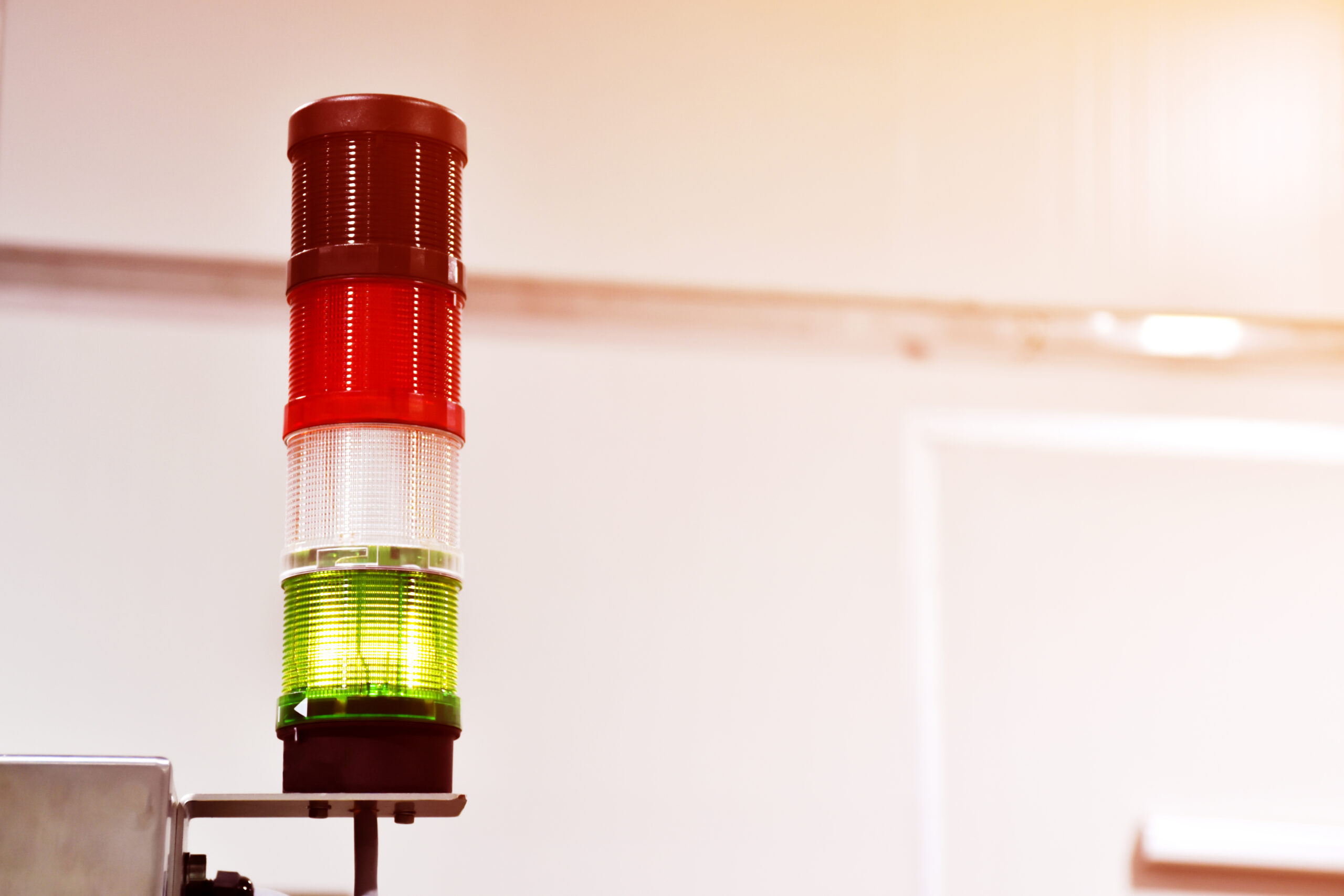
Think of solar strobe lights as your regular solar light but with a flashing function built in. Instead of glowing steadily through the night, they blink. That blinking is intentional. It grabs attention in a way a steady light simply does not.
Your eyes are wired to notice movement and flashing. A solar strobe warning beacon sitting on a fence or a rooftop pulls your attention instantly, even from a distance. That is the whole point.
How Do Solar Strobe Lights Actually Work?
The process is easier to understand than you think. During the day, a solar panel on the unit absorbs sunlight and pushes that energy into a rechargeable battery sitting inside the housing. Once night falls, a small light sensor inside the unit detects the darkness and switches the light on automatically.
The flashing itself comes from the LED driver circuit inside. This circuit pulses the LEDs at set intervals. Most outdoor solar warning lights flash somewhere between 60 and 120 times per minute. Some models give you a remote control so you switch between flash speeds and colors without climbing up to reach the unit.
Five to six hours of direct sunlight gives you a full charge. A quality solar LED strobe beacon runs through an entire night on that charge without issue.
Types of Solar Strobe Lights Outdoor
There is no single type. Depending on what you need, you will find quite different products under this category.
Solar Security Strobe Lights
These go on walls, gates, and garden posts. When someone walks into the detection zone, the light switches to a rapid flashing mode. The sudden bright pulse startles intruders and draws your attention to the area immediately.
Solar Road Warning Beacons
Construction sites and traffic management crews rely heavily on these. They sit on barricades and cones and flash amber or red to warn drivers about hazards ahead. One full charge keeps them flashing for up to five consecutive nights, which is why road crews prefer them over battery-powered alternatives.
Vehicle Roof Solar Strobe Lights
Truck owners love these. Solar cab strobe lights mount on the rooftop of trucks, SUVs, and motorcycles. They charge from sunlight while the vehicle sits parked and activate automatically when driving at night. RGB models let you choose from eight colors and control everything through a remote.
Solar Path Strobe Lights
These sit along garden paths and walkways. Most of the time they glow softly. Switch them to strobe mode and they keep nocturnal animals like foxes and deer away from your garden without harming anything.
Personal Safety Solar Strobe Lights
Small, lightweight, and portable. These clip onto clothing, bags, or metal surfaces using a magnetic base. They flash 360 degrees around, and a single eight-hour charge keeps them strobing for a full 24 hours. Cyclists, joggers, and outdoor workers use them regularly.
Where People Actually Use Solar Strobe Lights Outdoor
Understanding the real-world applications helps you figure out which type you need.
Home Security
A solar strobe security light at your entrance does two things well. It alerts you the moment someone approaches, and it makes the visitor think twice about continuing. The flashing is unsettling in a way that a normal light is not. No wiring, no installation cost, no running electricity bill attached.
Driveways and Pathways
Place solar flashing lights along driveway edges and your property boundary becomes clear at night. Drivers know exactly where to stop. Visitors stop guessing. Accidents along poorly lit driveways drop significantly with even a few units placed correctly.
Keeping Animals Out of Gardens
Foxes, deer, and raccoons all dislike sudden flashing lights. Placing solar strobe lights outdoor along garden borders is one of the simplest, chemical-free ways to protect your plants. Gardeners who struggle with nighttime animal damage swear by this method.
Road and Construction Safety
A solar powered strobe light on a construction barricade works through the night without anyone touching it. No battery swap needed. No power cable running across the road. Workers set them up once and leave them to do their job.
Trucks and Off-Road Vehicles
Visibility on dark roads matters enormously for truck drivers. Solar cab strobe lights on the rooftop make the vehicle visible from much farther away. RGB options also add a personal style element for off-road enthusiasts.
Key Features Worth Checking Before You Buy
Not all solar strobe lights outdoor are built to the same standard. Here is what separates a reliable unit from a disappointing one.
Lumen Output
Security and road warning lights need at least 200 lumens to be effective. Lower lumen units work fine for decorative garden paths but fall short when real safety visibility is required.
IP Waterproof Rating
This one matters more than most buyers realize. IP65 handles heavy rain and dust. IP68 is the best option for year-round outdoor use and withstands submersion in water. Anything below IP65 is a risk in wet or coastal climates.
Battery Capacity
Look for units with at least 1200mAh lithium-ion batteries. These run reliably through long winter nights when sunlight hours are shorter. Budget models with weaker batteries often fail within the first few months of daily use.
Motion Sensor Range
For security purposes, you want detection from at least 30 feet away. A detection angle of 120 degrees or more gives you wide coverage across your property without leaving blind spots.
Adjustable Flash Modes
A good solar strobe light outdoor gives you options. Slow pulse, rapid strobe, constant glow, and RGB color cycling are the modes worth having. Remote control access makes switching between them effortless.
Why Solar Powered Strobe Lights Make Sense in 2026
The shift toward solar powered strobe lights is not a passing trend. The benefits are practical and the savings are real.
Running cost is zero once the light is installed. Sunlight covers the charging entirely. Your electricity bill does not move regardless of how many nights the light runs. Over a single year, the savings against a wired electric equivalent are significant.
Installation takes under ten minutes for most models. Adhesive backing or a simple ground stake is all you need. No trenches, no cables, no hiring an electrician. Renters and homeowners both benefit equally from this.
During power cuts, solar strobe lights keep working without interruption. Their stored solar energy is independent of the grid. This reliability makes them genuinely useful for security applications where you need the light most.
The environmental side is straightforward too. Solar LED strobe beacons consume no grid electricity during operation and produce zero emissions. In 2026, buyers are weighing sustainability more heavily in their purchase decisions, and solar strobe lights check that box without any compromise on performance.
Installing Solar Strobe Lights the Right Way
Position matters more than most people expect. The solar panel needs direct sunlight for at least five to six hours daily. South-facing spots work best in the Northern Hemisphere.
For ground stake models, push the stake firmly into soil in a clear, open spot. Keep it away from overhanging branches or walls that cast afternoon shade.
For wall-mounted units, drive two screws into the wall or apply the adhesive backing to a clean flat surface. Tilt the solar panel upward at roughly 45 degrees for the best daily charging angle.
For vehicle roof models, clean the mounting area thoroughly before pressing the adhesive pad down. The light charges while the vehicle sits outside during daylight hours without any extra setup required.
Common Issues and Quick Fixes
Light Not Turning On
Clean the solar panel with a damp cloth. Dust and grime build up and block absorption over time. Also check if a new structure or tree has started shading the panel during peak daylight hours.
Battery Running Out Too Quickly
Replace the internal battery if the light runs for fewer than four hours per night. Most models use standard AA NiMH batteries available at any hardware store for a few dollars.
Strobe Flashing Too Slowly
Switch to a higher flash mode using the remote or the mode button. Units often default to slow blink on first use to conserve battery. A faster strobe rate uses slightly more power but improves visibility meaningfully.
Water Getting Inside the Unit
Check the IP rating. Units below IP65 are not built for year-round outdoor exposure in rainy climates. Replacing a low-rated unit with an IP68-rated solar strobe light solves this permanently.
Summary
Solar strobe lights outdoor are solar powered flashing LED lights that charge in sunlight and activate automatically at night. They work across home security, vehicle safety, road warnings, and garden animal deterrence. No wiring is needed, and running costs are zero. In 2026, demand for solar powered strobe lights is growing due to easy installation, sustainability, and reliability during power outages. This guide covers how they work, types, key features, installation tips, and common fixes.