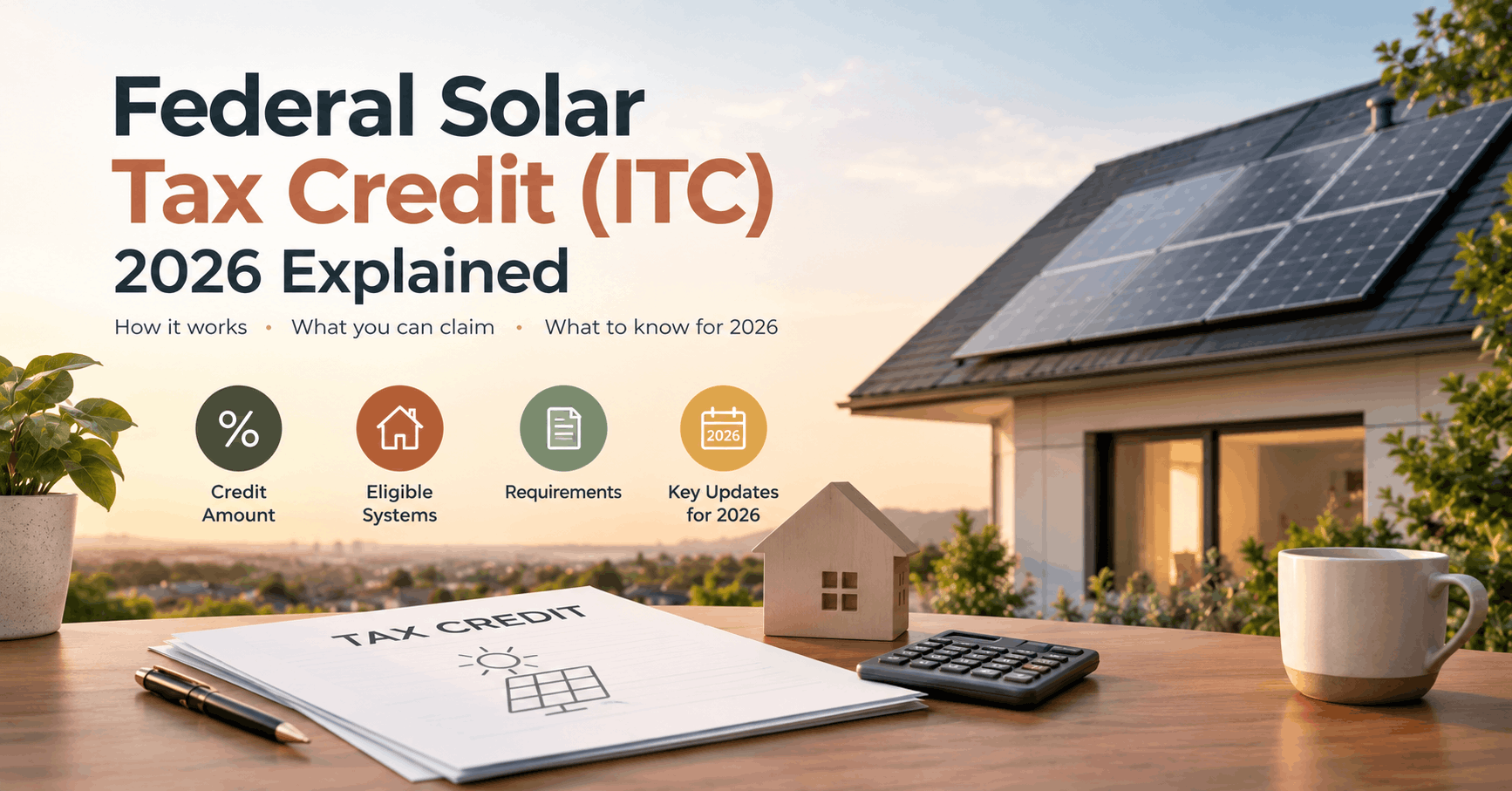
Quick Answer: The 30% federal solar tax credit still exists in 2026, but only for businesses and solar leases/PPAs under Section 48E, homeowners who buy or finance their own system get 0% since Section 25D expired December 31, 2025.
Table of Contents
Here’s a myth you’ve probably heard: “Solar panels still get you 30% off with the federal tax credit.”
That myth is only half true in 2026. If you own your home and you’re paying cash or taking a loan, the answer is no. That credit is gone. If you’re a business, or you sign a lease instead of buying, the answer is still yes.
Confusing? It should be. Congress changed the rules in the middle of the game, and most solar websites haven’t caught up yet. This guide breaks down exactly what’s real right now, what expired, and what you can still claim.
Key Takeaways
- The 30% residential credit (Section 25D) ended on December 31, 2025. No phase-down, no extension.
- Homeowners who buy or finance their own system in 2026 get 0% federal credit.
- The 30% commercial credit (Section 48E) is still active. It applies to businesses, and to solar leases or power purchase agreements (PPAs), because a company technically owns the system.
- If your system was installed and running before the end of 2025, you can still claim the old credit on your 2025 tax return.
- State incentives, net metering, and battery rebates haven’t disappeared. Only the federal residential piece did.
What Is the Federal Solar Tax Credit (ITC)?
The Investment Tax Credit, or ITC, is a federal incentive that lets you subtract a share of your solar costs from what you owe in taxes. It’s not a rebate check. It’s a dollar-for-dollar reduction on your tax bill.
For years, it lived under two sections of the tax code:
- Section 25D, the residential version, for homeowners who buy their own system.
- Section 48E, the commercial version, for businesses, utilities, and third-party-owned systems like leases.
Both used to offer 30%. Only one of them still does.
What Changed in 2026: The One Big Beautiful Bill Act
In July 2025, Congress passed the One Big Beautiful Bill Act, known as OBBBA. It rewrote the clean-energy tax rules that had been running since the Inflation Reduction Act.
For homeowners, the change was blunt. Section 25D didn’t get smaller. It got deleted, with no grace period. According to current IRS guidance, any residential system placed in service on or after January 1, 2026 gets zero federal credit under 25D.
Note the phrase “placed in service.” That’s the date your system is inspected, approved, and actually turned on, not the date you signed a contract or made a deposit. This one detail has caught a lot of homeowners off guard.
Is the Solar Tax Credit Still Available in 2026?
Yes and no, depending on who technically owns the panels on your roof.
| Ownership Type | Federal Credit in 2026 | Why |
|---|---|---|
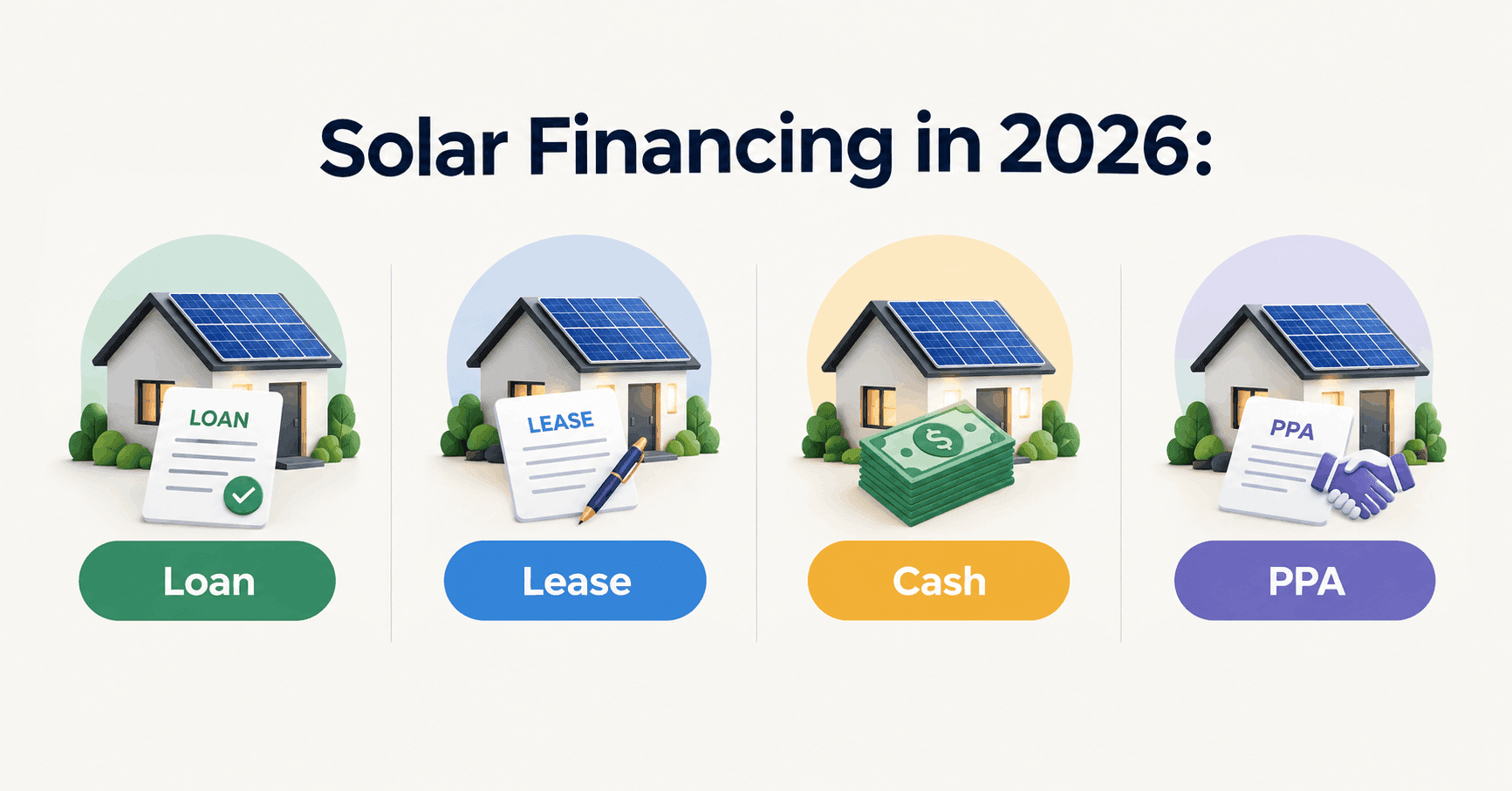
| You buy outright (cash) | 0% | Section 25D expired |
| You finance with a loan | 0% | You’re still the owner, so 25D applies |
| Solar lease or PPA | Up to 30% (indirectly) | The leasing company owns it and claims 48E |
| Business or commercial system | 30%, sometimes more | Section 48E is technology-neutral and still active |
Homeowners Who Buy Outright: The 0% Reality
If you pay cash or take out a solar loan, you own the system. That means Section 25D applies to you. And Section 25D no longer exists for 2026 installations. There’s no partial credit, no reduced percentage. It’s a flat zero.
Leases and PPAs: The Door That’s Still Open
Here’s the part most people miss. When you sign a solar lease or a power purchase agreement, you don’t own the panels. A solar company does. That company can still claim the 30% commercial credit under Section 48E, because it’s a business, not a homeowner.
Some providers pass part of that savings to you through a lower monthly rate. You won’t get a tax credit yourself, but you might still pay less over time than you would with a loan. It’s worth running the numbers both ways before you sign anything.
Commercial and Business Solar: 30% (or More) Through 2027
If you own a business, a warehouse, or a commercial property, Section 48E is still very much alive. It applies to solar, storage, and other zero-emission projects.
Businesses can also stack bonus percentages on top of the base 30%:
- Domestic content bonus, up to 10% extra for using enough US-made equipment.
- Energy community bonus, up to 10% extra for projects sited in specific former fossil-fuel regions.
Stack both, and some commercial projects can reach 40–50% in total federal credit. Larger projects over 1 megawatt also need to meet prevailing wage and apprenticeship standards to unlock the full rate.
There’s a catch worth knowing about too: new “Foreign Entity of Concern” sourcing rules limit how much of a project’s equipment can come from restricted foreign suppliers, and that threshold gets stricter each year starting in 2026.
Key Deadlines You Cannot Miss

If you’re going the commercial or lease route, the calendar matters more than the percentage.
- December 31, 2025, Last day for a residential system to be placed in service and still qualify for the old 30% credit under 25D. This date has already passed.
- July 4, 2026, Commercial and lease projects that begin construction by this date lock in a four-year safe harbor window. That means the project can be finished as late as 2030 and still get the full 30%.
- December 31, 2027, If construction didn’t begin by July 2026, the project must be fully installed and generating power by this date instead. Miss it, and the credit is gone, not reduced.
- April 15, 2026, Standard deadline to file your 2025 tax return and claim the old residential credit, if your system qualified before the cutoff.
Commercial installs routinely take over a year once you count permitting, equipment lead times, and utility interconnection queues. If you’re planning a business project, treat these dates as a sprint, not a leisurely walk.
Already Installed Solar in 2025? Here’s How to Claim It
If your system was placed in service before January 1, 2026, you’re still in luck. You can claim the full 30% credit on your 2025 tax return.
Here’s the short version of the process:
- Get IRS Form 5695 (Residential Energy Credits).
- Enter your total qualified solar costs, including panels, inverters, wiring, and eligible battery storage.
- Calculate 30% of that amount as your credit.
- Apply it against your 2025 federal tax liability.
- If your tax bill is smaller than your credit, the leftover amount rolls forward to future tax years.
There’s no cap on the dollar value you can claim, and no income limit that disqualifies you. If you already installed and simply haven’t filed yet, don’t leave this money on the table.
What You Can Still Get in 2026, Federal Credit or Not
Losing the federal residential credit stings, but it’s not the whole picture. Several other savings paths are still open:
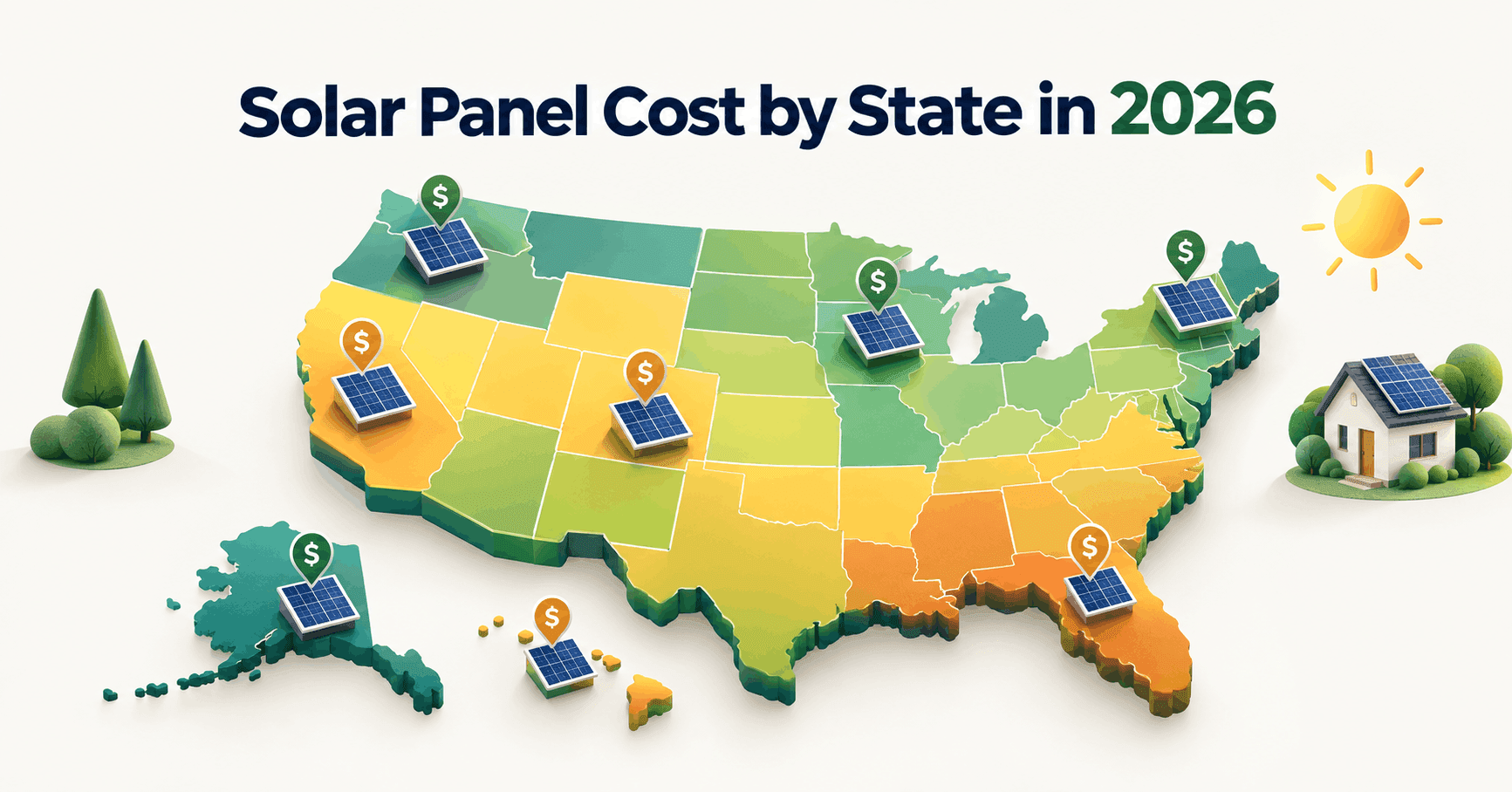
- State tax credits and rebates, many states run their own solar incentives independent of federal rules.
- Solar Renewable Energy Certificates (SRECs, available in certain states, letting you sell credits generated by your system’s production.
- Net metering, utility programs that credit you for excess power your system sends back to the grid.
- Property and sales tax exemptions — several states won’t tax the added home value or the purchase itself.
- Battery storage incentives, some rebate programs specifically target home battery systems, separate from the old federal solar credit.
Check your state energy office or utility website, since these programs vary a lot by location and change often.
Is Solar Still Worth It Without the Federal Credit?

Honestly, for a lot of homeowners, yes. Here’s the logic.
Solar panels aren’t just a tax play. They’re a hedge against rising electricity rates over 25 to 30 years. Even without the 30% credit, your monthly savings on utility bills still add up over that timeline, especially in areas with high electricity prices.
That said, the payback period does stretch out. A system that used to pay for itself in 7 to 9 years, thanks to the tax credit, may now take a few years longer without it. Whether that math works for you depends on your local electricity rates, your roof, and your state incentives. This is exactly the kind of calculation worth running with a licensed tax professional or a solar advisor before you sign anything.
Glossary of Terms
- ITC (Investment Tax Credit), A federal tax credit for renewable energy investments, including solar.
- Section 25D, The residential solar tax credit; expired for systems placed in service after 2025.
- Section 48E, The commercial/business solar tax credit; still active through 2027, with safe harbor extensions to 2030.
- PTO (Permission to Operate), The official date your utility approves your system to generate power. This date, not your contract date, determines your eligibility.
- PPA (Power Purchase Agreement), A contract where a third party owns your solar system and sells you the electricity it produces, usually at a lower rate than your utility.
- TPO (Third-Party Owned), Any system owned by a company rather than the homeowner, including leases and PPAs.
- FEOC (Foreign Entity of Concern), Restrictions on how much equipment in a project can come from certain foreign suppliers.
- MACRS, A depreciation method that lets businesses write off solar equipment costs faster, on top of the tax credit.
FAQs
Does leasing solar still qualify for any tax credit in 2026?
Not directly for you. The leasing company owns the system and claims the 30% commercial credit under Section 48E. Some pass part of that savings to you through your monthly rate.
What is the difference between Section 25D and Section 48E?
Section 25D was for homeowners who own their system outright; it expired at the end of 2025. Section 48E is for businesses and third-party-owned systems, and it’s still active.
Can businesses get more than 30% under Section 48E?
Yes. Stacking the domestic content and energy community bonuses can push the total credit to 40–50% for qualifying projects.
Do state solar incentives still exist in 2026?
Yes. State tax credits, SREC programs, net metering, and battery rebates operate independently of the federal residential credit and remain available in many states.
What happens if I signed a solar contract in 2025 but installation finishes in 2026?
Eligibility depends on your “placed in service” date, not your contract date. If your system wasn’t installed and operating by December 31, 2025, the old 30% residential credit does not apply.
Sources
This article draws on current IRS guidance, the text of the One Big Beautiful Bill Act, and national industry reporting on federal clean-energy tax policy. Tax rules can shift with new legislation or IRS guidance, so always confirm your specific eligibility with a licensed tax professional before filing or signing a solar contract.
Disclaimer: This article is for general information only and isn’t tax advice. Talk to a CPA or licensed tax professional about your specific situation before you file.