The Author
Table of Contents
Quick Answer: True solar grow lights, not decorative solar garden lights, can support fruiting when they deliver enough lux intensity and red-spectrum light. Decorative solar lights lack both, so they won’t help. If you’re shopping for one, check the lux/spectrum specs before anything else.
The Short Answer: Solar Lights vs. Solar Grow Lights (Know This First)
The single biggest reason solar lights “don’t work” for people isn’t solar power failing, it’s buying the wrong category of product entirely.
What Most People Buy by Mistake
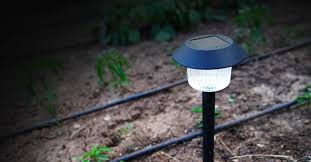
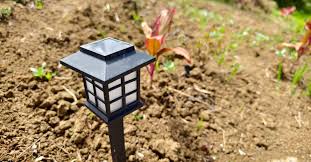
Decorative solar garden stakes and string lights are built for ambiance, not plant biology. They put out a small amount of warm-white light with no meaningful spectrum control, usually far below the intensity a fruiting plant needs.
What Actually Works
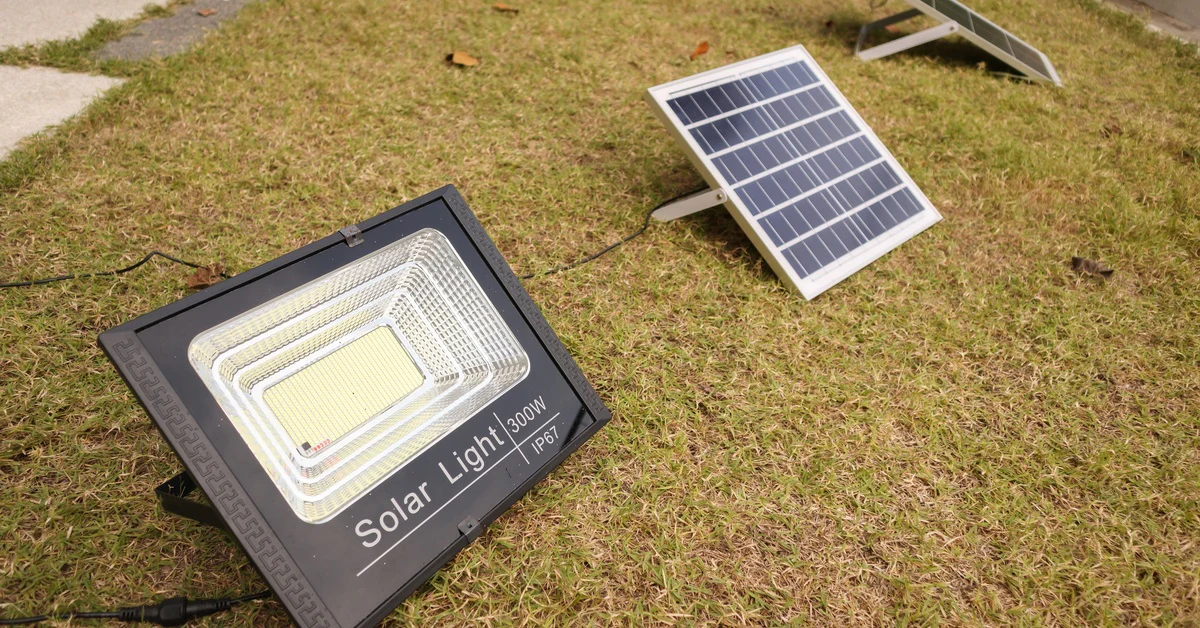
Solar-powered grow lights are purpose-built: full-spectrum or red-heavy LEDs, paired with a properly sized solar panel and battery, designed specifically to trigger flowering and fruiting responses in plants.
Quick Comparison Table, Decorative vs. Grow-Light Specs
| Feature | Decorative Solar Light | Solar Grow Light |
|---|---|---|
| Typical lux output | Under 100 lux | 2,000–5,000+ lux |
| Spectrum | Warm white, uncontrolled | Full spectrum or red/blue targeted (600–700nm) |
| Purpose | Pathway/ambiance | Plant flowering & fruiting |
| Price range | $10–20 | $30–200+ |
| Spec sheet | Rarely lists wattage/lux | Lists wattage, spectrum, lux/PAR |
Why Fruiting Plants Need More Light Than Leafy Plants
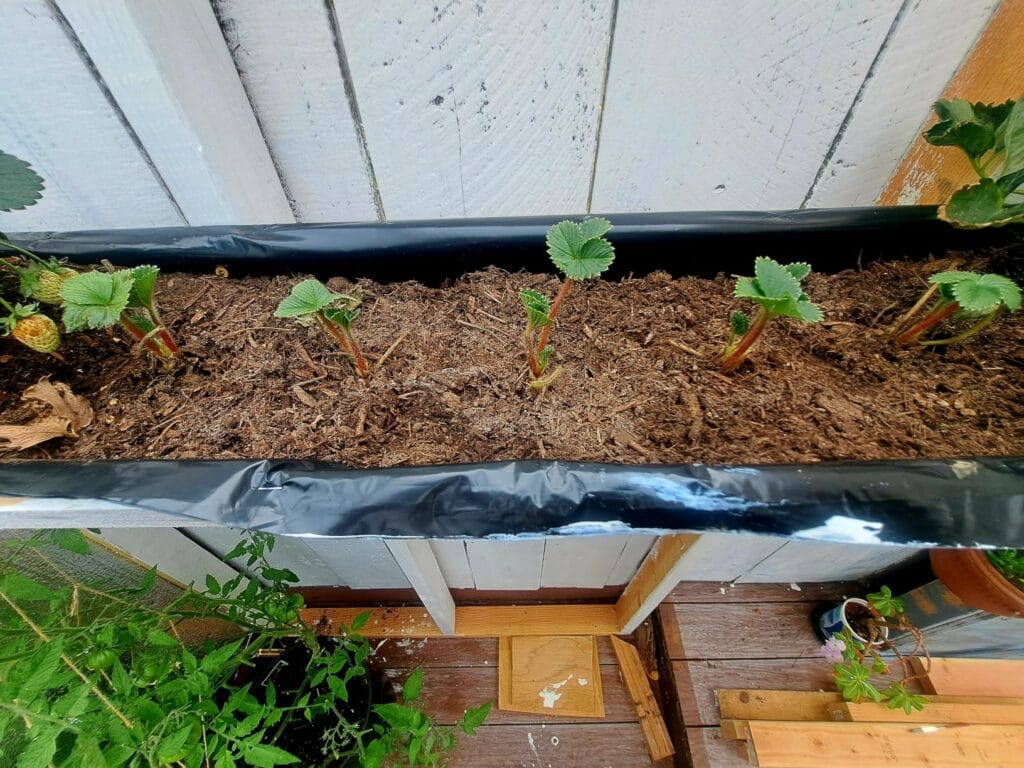
Fruiting is a higher-energy process than simple leaf growth, which is why a light that’s “good enough” for herbs often fails tomatoes, peppers, strawberries, or citrus.
The Role of Red Light (600–700nm) in Flowering & Fruiting
Red light in this range is the primary trigger for flowering and fruiting responses. A bright light with the wrong spectrum can grow a leafy, stretched plant that never fruits well, brightness alone isn’t the deciding factor.
Light Intensity (Lux) Needed for Fruit Development
Fruit-bearing plants generally need a sustained 4,000–5,000 lux at the leaf surface for solid fruit development. For comparison, natural light near an indoor window can drop to just 300–800 lux on a cloudy day or in winter, nowhere near enough on its own.
Daily Light Hours Fruiting Plants Require (14–16 hrs)
Fruiting-stage plants typically need 14–16 hours of light per day, compared to around 12 hours for leafy greens. This directly affects how much battery capacity a solar light needs to carry it through.
How Solar Grow Lights Work (Solar Panel → Battery → LED)
Solar Panel & Wattage Basics
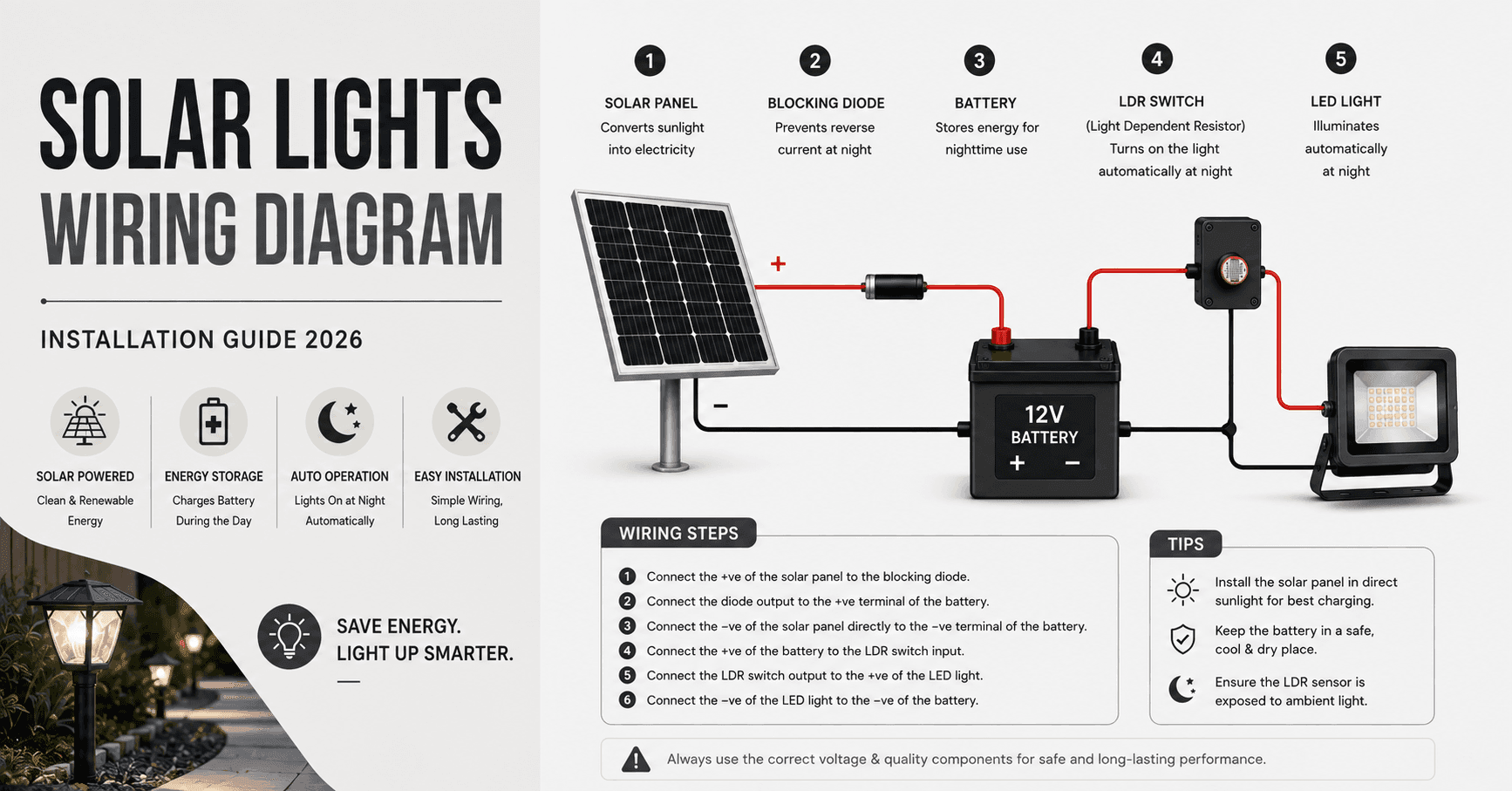
A photovoltaic panel collects sunlight during the day and converts it into stored electricity. Higher wattage panels charge faster and support longer daily output.
Battery Capacity and Runtime
The battery stores that energy and powers the LED array, usually on a timer or light sensor. Battery capacity (measured in mAh or Wh) directly determines how many hours of light the unit can realistically deliver per night or cloudy stretch.
Charge Time vs. Light Output Trade-offs
This is the most overlooked spec: how much sun-charging time it takes to produce how many hours of usable grow-light output. A unit that needs 8 hours of full sun to produce 2 hours of grow-light output won’t get a fruiting plant anywhere near its required 14–16 daily hours.
Do Solar Grow Lights Really Work for Fruiting Plants? (The Honest Answer)
When They Work Well
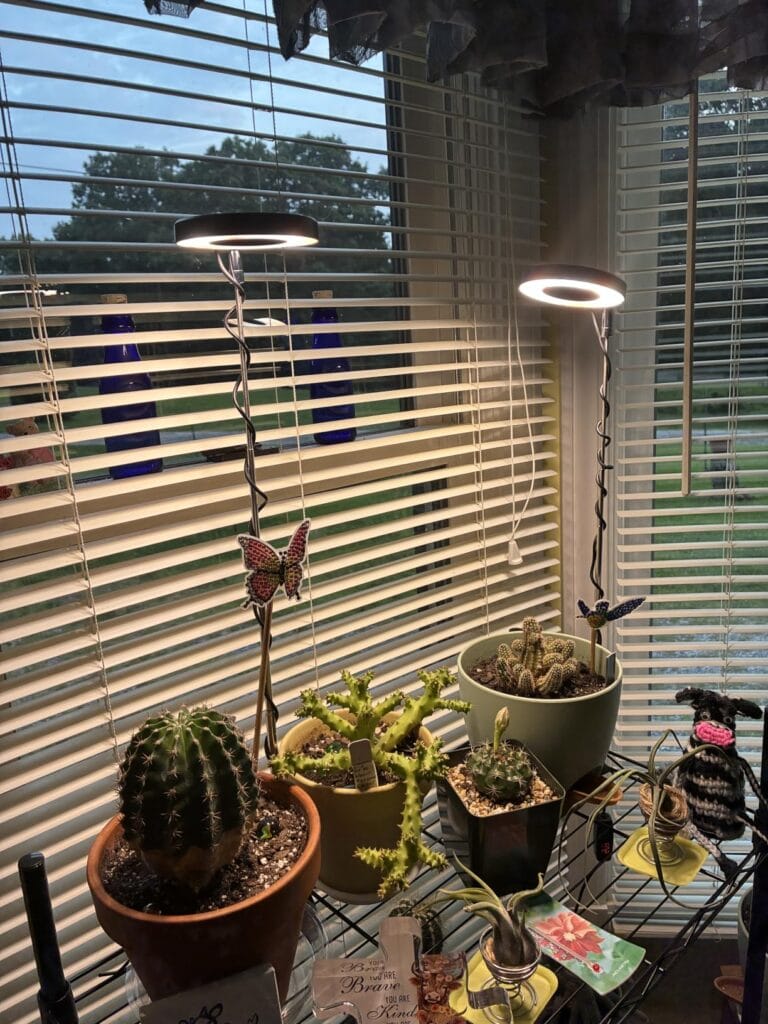
As supplemental light, topping up a partly shaded garden bed, a greenhouse during weak winter light, or a windowsill that already gets some direct sun, solar grow lights genuinely help. They also do well with faster-cycling, smaller fruiting plants like strawberries, peppers, and compact tomato varieties.
When They Fall Short
In low-sun regions or during extended cloudy/rainy stretches, the entire solar chain weakens at the source. They also struggle to fully support true fruit trees, citrus especially, which need sustained high-intensity light over long daily durations that most solar setups can’t reliably deliver through winter.
What the Research Says About Spectrum and Yield
Horticultural research consistently points to red-spectrum light (roughly 630–660nm) as a key driver of flowering and fruiting response, while full-spectrum lighting supports overall plant health across all growth stages. This is why serious grow lights list their spectrum numbers clearly, while decorative lights never do.
Best Use Cases for Solar Grow Lights
Indoor Windowsill & Houseplant Growers
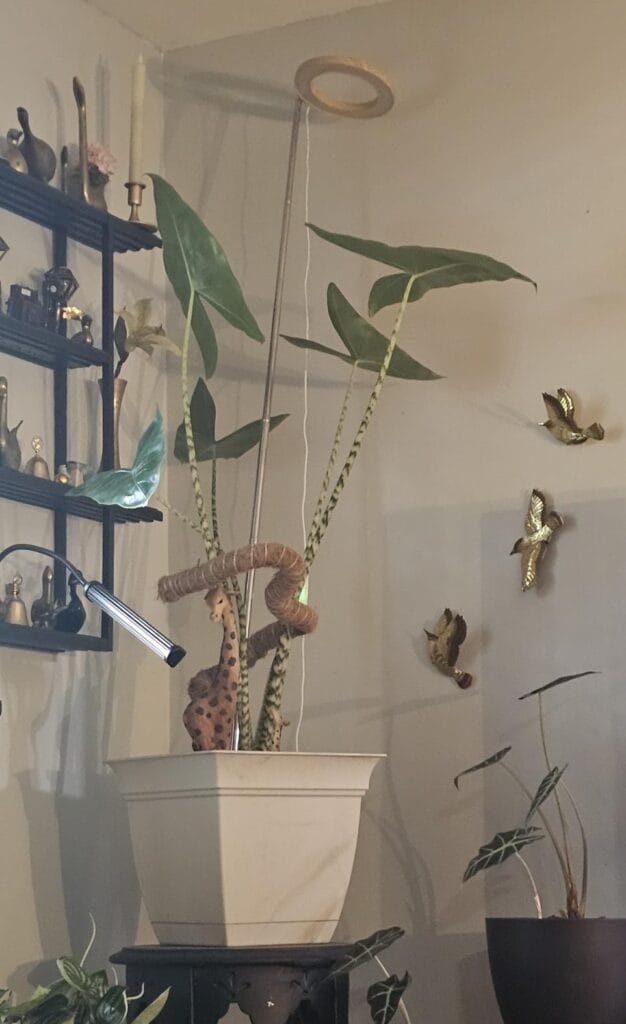
A compact full-spectrum solar grow light, positioned 6–24 inches above the plant, works well to supplement whatever natural window light is already present.
Outdoor Gardens & Greenhouses
Weatherproof units with larger battery capacity handle longer unattended use and worse weather exposure, making them a good fit for filling shade gaps or extending short growing seasons.
Off-Grid or No-Electricity Setups
This is where solar does its most essential job. Go for the highest wattage panel and battery capacity that’s practical to mount, and set expectations around what the setup can realistically support rather than expecting full grow-tent-level output.
How to Choose a Solar Grow Light for Fruiting Plants (Buying Framework)
Lux/PAR Rating to Look For
Prioritize listed lux or PAR ratings, if a product doesn’t list one, treat that as a red flag, not an oversight.
Spectrum (Full Spectrum vs. Red/Blue Targeted)
Choose full spectrum for mixed gardens with plants at different growth stages; choose red-heavy (630–660nm) targeted spectrum if you’re focused specifically on fruiting or flowering.
Battery Capacity & Backup Runtime
Check the manufacturer’s stated runtime on a full charge, not just battery size in isolation, this number varies a lot between models with similar-looking specs.
Weatherproofing (IP65/IP67) for Outdoor Use
Any outdoor unit should carry at least an IP65 rating to handle rain and humidity without damage.
Best Solar Grow Lights for Fruiting Plants (2026 Picks)
The picks below are pulled from current, live listings rather than generic recommendations, and reflect the same lux/spectrum/battery framework covered above. Always double-check current price and stock before buying, since these change often.
Best Overall: BestDrop Bright Solar Powered Grow Light
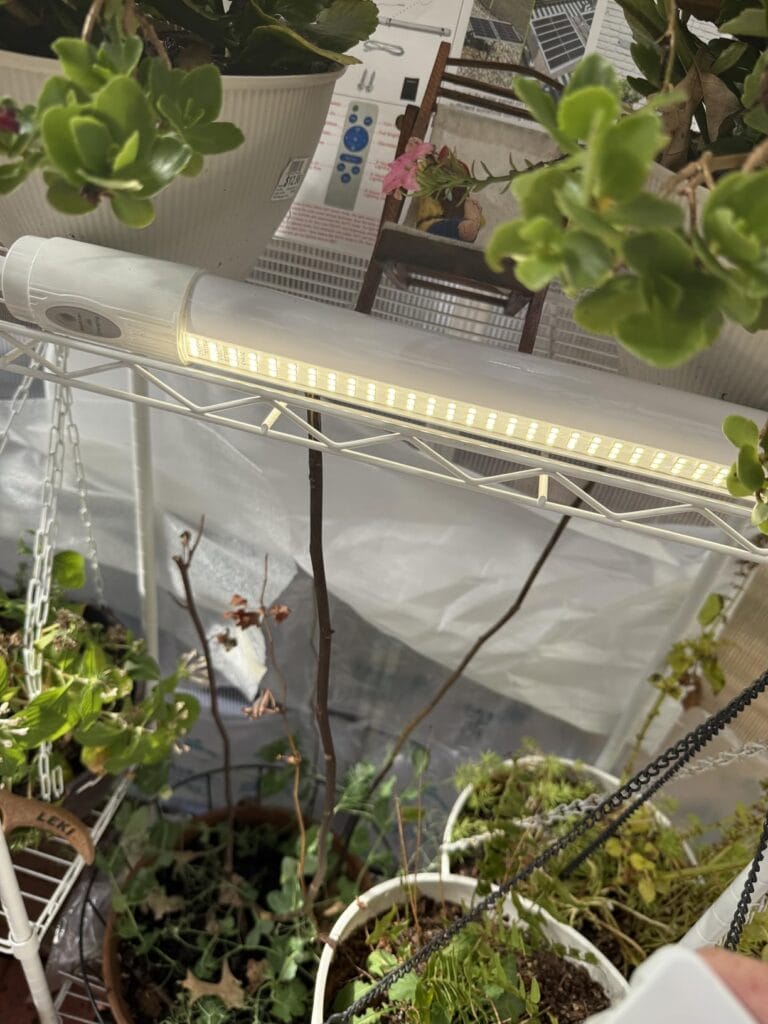
A full-spectrum unit built specifically as a grow light, not a decorative fixture. It runs 108 high-efficiency LEDs across the 390–780nm range with a large 14″x18″ solar panel and a 20,000mAh battery bank, big enough to fully charge in around 5 hours of direct sun and then run 12+ hours at medium brightness. That runtime comfortably covers the 14–16 daily light hours fruiting plants need, which is why it’s the strongest all-around pick here.
Best for Indoor/Windowsill Use: Ufelizor Solar Plant Grow Light (Clip-On, 2-Head)
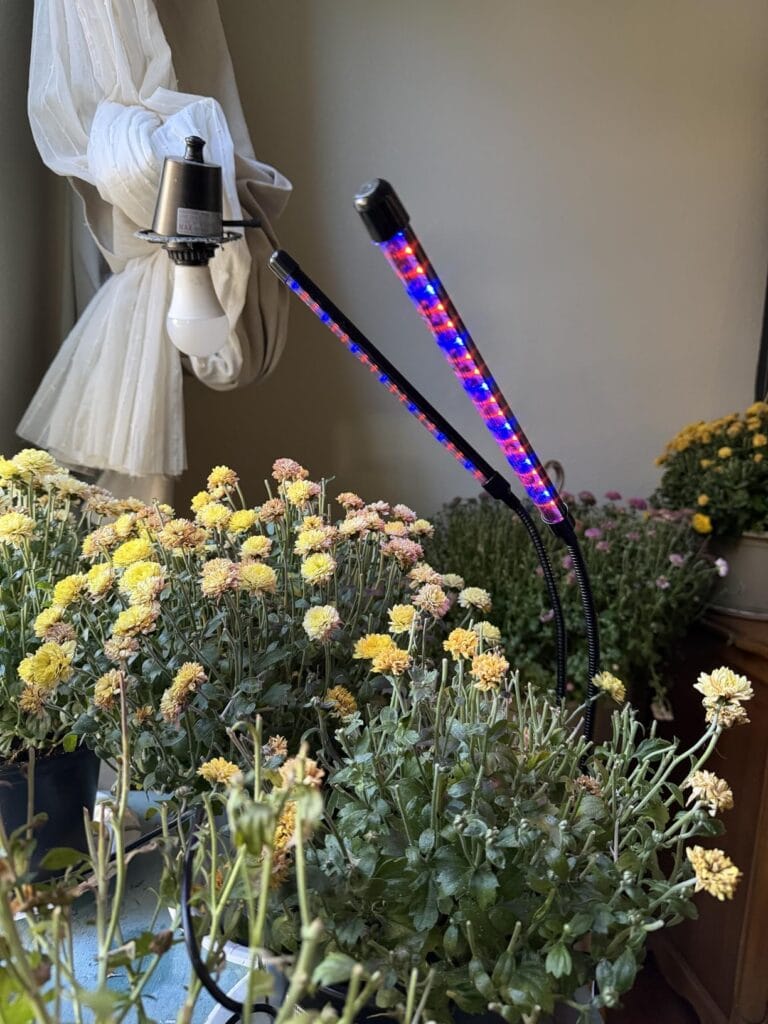
A compact 40-LED clip-on unit designed for small spaces, windowsills, desks, kitchen herb setups. It includes USB charging as a backup when window light isn’t enough to keep the battery topped up, plus a built-in timer and dimmer so you can match output to a specific plant’s needs. The smaller footprint trades raw power for flexibility, which fits typical indoor supplemental use well.
Best for Outdoor/Greenhouse Use: Ufelizor 96-LED Full Spectrum Solar Hanging Light
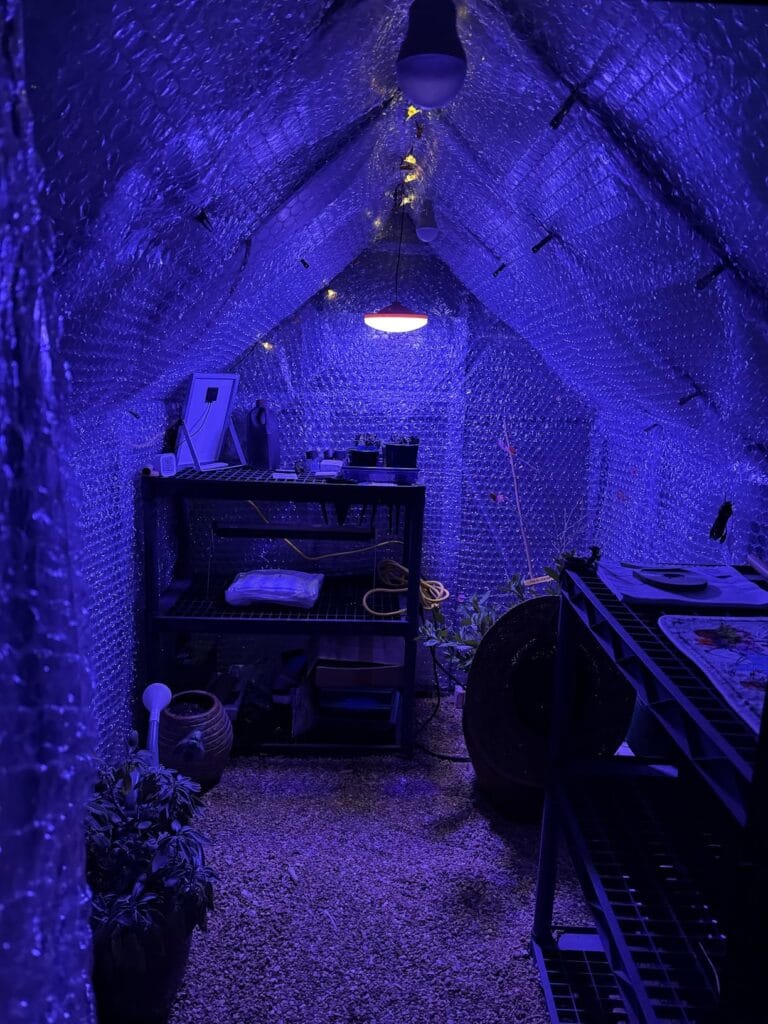
Built for hanging in greenhouses, balconies, or garden beds, this unit pairs a 96-LED full-spectrum array with a 16.4ft cable so the solar panel can sit in direct sun while the light hangs closer to the plants. It carries an IP65 waterproof rating, making it durable through rain and humidity, an important spec for anything left outdoors long-term.
Best Budget Option: QANYEGN 30W Solar Plant Grow Light Strip
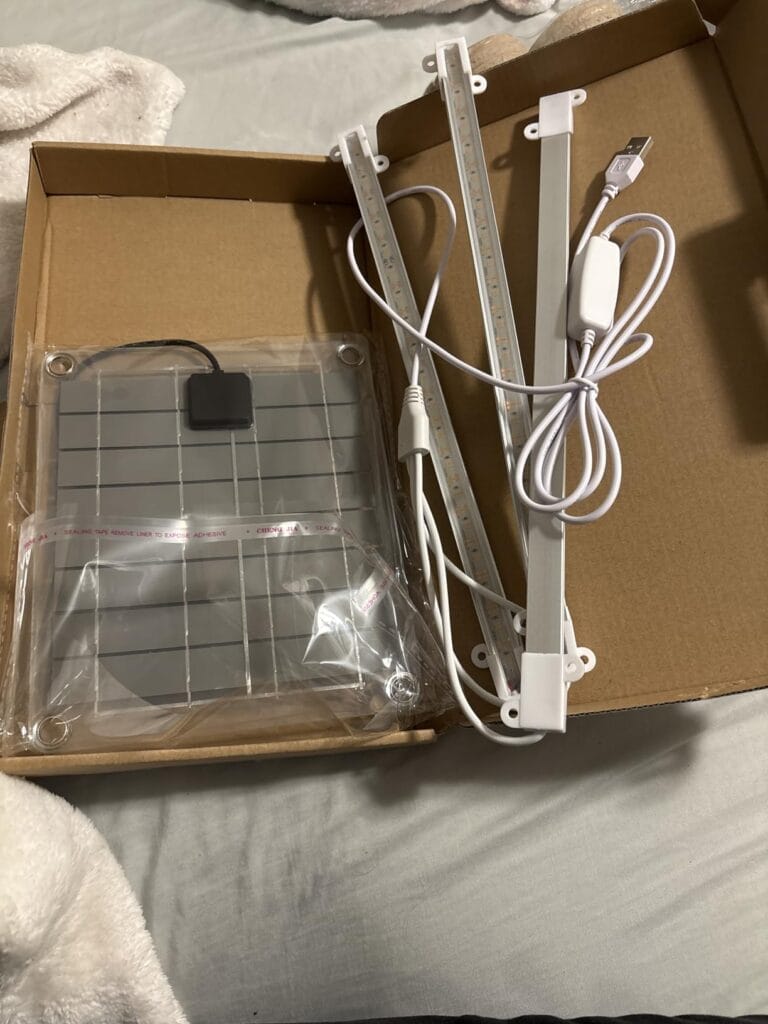
A lower-wattage strip light aimed at smaller-scale supplemental use rather than full-room coverage. It won’t match the output of the higher-wattage picks above, but it’s a reasonable low-cost entry point for testing whether supplemental solar lighting helps a specific plant before committing to a larger setup.
Comparison table:
| Product | Wattage/Panel | Output | Spectrum | Battery | Best For |
|---|---|---|---|---|---|
| BestDrop Bright Solar Grow Light | 14″x18″ panel, 108 LEDs | ~3,000 lumens | Full spectrum, 390–780nm | 20,000mAh (~12+ hr runtime) | Best overall / greenhouse & outdoor beds |
| Ufelizor Clip-On (2-Head, 40 LED) | Compact panel + USB backup | Lower output, targeted | Full spectrum | Smaller capacity, USB-supplemented | Indoor windowsill/desk use |
| Ufelizor 96-LED Hanging Light | Remote panel, 16.4ft cable | Higher output | Full spectrum | Mid-large capacity | Outdoor/greenhouse hanging setups |
| QANYEGN 30W Strip Light | 30W panel | Lower output | Full spectrum | Smaller capacity | Budget entry point / small supplemental use |
Note: exact lux/PAR ratings and current prices aren’t always published by manufacturers, check the current listing for up-to-date figures before buying, since specs and pricing on these products shift over time.
Limitations to Know Before You Buy
Cloudy-Day and Winter Charging Issues
Extended low-sun periods reduce how much charge the panel collects, directly cutting into nightly light output when plants often need it most.
Battery Degradation Over Time
Like all rechargeable batteries, capacity gradually declines with age and charge cycles, meaning runtime slowly shrinks over the life of the product.
Why Solar Alone May Not Replace Full Sun for Heavy Fruiters (Citrus, Tomatoes)
Heavy-fruiting plants demand sustained high lux for many hours daily — a bar that’s difficult for most solar setups to consistently clear, especially through weaker-sun seasons.
FAQs
Do solar lights help plants grow fruit indoors?
Only if they’re purpose-built grow lights with adequate lux and red-spectrum output, not decorative solar lights. Indoors, they work best as a supplement to whatever natural window light you already have.
How many lumens or lux do fruiting plants need?
Aim for 4,000–5,000 lux at the leaf surface for solid fruit development. Below roughly 2,000 lux sustained for several hours a day, most fruiting plants will struggle to develop fruit well even if they survive.
Can solar lights fully replace sunlight for fruit trees?
Generally no. Fruit trees, especially citrus, need consistent high-intensity light for many hours daily, a demand that’s hard for most solar setups to meet reliably through low-sun seasons. Solar works better as a supplement than a full replacement for trees.
Are solar grow lights worth it compared to plugged-in electric grow lights?
It depends on your priority. Electric grow lights are more consistent and predictable regardless of weather, but cost more to run. Solar grow lights have zero electricity cost and work well off-grid, but their output is weather-dependent and generally lower-capacity than plugged-in options.
How long do solar grow lights run on a single charge?
This varies significantly by battery capacity and LED wattage, always check the manufacturer’s stated runtime rather than assuming based on panel size, since this figure differs a lot between models.
Summary
Solar lights can genuinely help fruiting plants — but only the ones actually engineered as grow lights, not decorative ones. Treat them as a supplemental boost for weak window light, short greenhouse days, or off-grid setups rather than a full sunlight replacement. Match the light to your specific limitation, check the lux, spectrum, and battery runtime before buying, and keep expectations realistic for demanding plants like true fruit trees.