Table of Contents
A buddy called me last winter, panicked. His power had been out for seven hours. His wife’s CPAP machine was down to its last hour of battery backup. He needed a solution fast, and he needed to know what to buy. That conversation sent me down a rabbit hole of testing portable power stations. The 4Patriots AlphaCase Elite review process started with that phone call in mind. What would I tell him now after three months with this unit?
The portable power market exploded in recent years. Everyone claims to have the perfect solution for outages, camping, or off-grid living. But most of these units have the same problems. They come in generic plastic boxes. The cables get lost. The solar panels are sold separately. When you need them most, you find yourself searching for pieces that should have been organized from the start. The AlphaCase Elite takes a different approach. It packs everything into a rugged briefcase, and the design choices reflect a clear understanding of how people actually use emergency equipment.
A Rugged Case Instead of a Box and a Bag
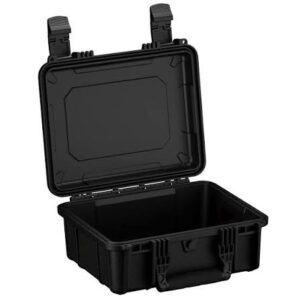
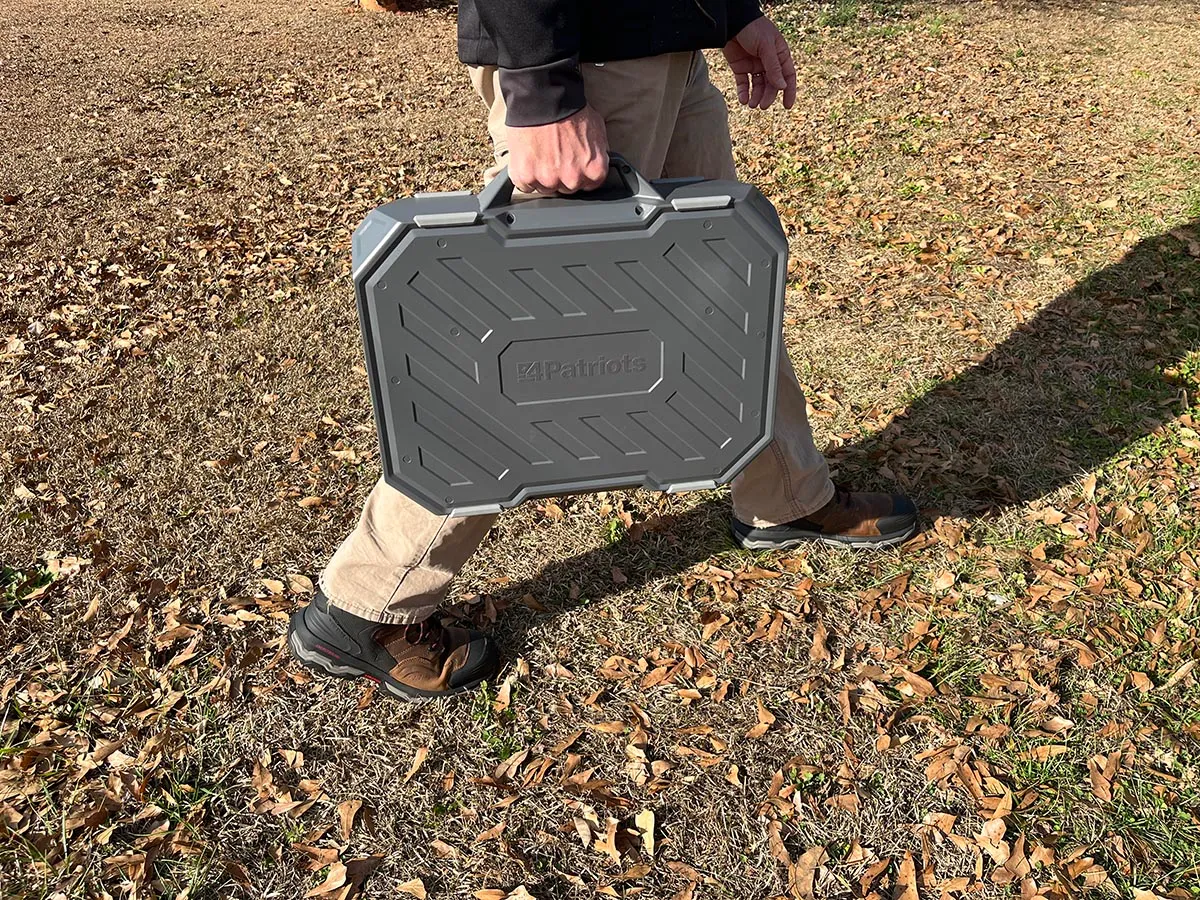
Pull this thing out of the box and the weight distribution is the first thing that stands out. At 35 pounds, it is not the lightest unit on the market. But the briefcase shape makes it easier to carry than many 25-pound boxes. The handle sits at the balance point, so the unit does not tilt forward or backward when you pick it up. Carrying it from the garage to the kitchen or from the truck to a campsite feels natural, not awkward.
The exterior shell uses a thick, textured plastic that resists scratches and impacts. During testing, the unit took a fall from tailgate height onto gravel. The case absorbed the shock without transferring it to the internals. The locking latches snap shut with authority, and the hinges show no signs of wear after dozens of open-close cycles. The ventilation grilles sit recessed on the sides, which keeps dust and debris from clogging the fan. The fan itself runs quietly, even when the inverter is pushing 800 watts. You hear it, but it fades into background noise after a few minutes.
Open the case and the organization becomes clear. The 60-watt solar panel folds flat into the lid. The AC charging cord has a dedicated slot. The DC Powerpole connector fits into its own compartment. A small flashlight sits in a molded holder. Every accessory has a home, and nothing rattles around when you close the case. Compare that to other generators where you stuff cables into a separate bag and hope you remember which pocket holds the AC cord. This design saves time and frustration, especially when you are dealing with an outage at 2 AM.
Clean Power for a CPAP When the Grid Goes Down

The battery inside the AlphaCase Elite is a 736-watt-hour lithium iron phosphate unit. LiFePo4 chemistry matters for one reason above all others. Cycle life. This battery maintains 80 percent of its capacity after 4,000 charge cycles. Use it every single day, and it takes over a decade to wear down to 80 percent. Use it once a week, and it outlasts you. The inverter puts out 800 watts continuous with a 1,600-watt surge. Pure sine wave output means the power is clean enough for medical devices and sensitive electronics.
The CPAP test was the most important part of this evaluation. A ResMed AirSense 10 pulls about 60 watts during normal operation. The AlphaCase Elite ran it for a full night and showed 45 percent battery remaining in the morning. That means the unit would have powered the machine for about 14.5 hours total on a single charge, assuming the same load. This aligns with the 12-14 hour range expected from a 736Wh battery powering a 60-watt device. For someone who depends on a CPAP machine, this performance is the difference between a good night’s sleep and a trip to the emergency room. A gas generator is too loud and produces carbon monoxide. A smaller power station does not have the capacity for a full night. The AlphaCase Elite hits the right balance.
The operating temperature range is another factor that sets this unit apart. Discharge works from 14 degrees Fahrenheit to 104 degrees Fahrenheit. The battery management system prevents charging below freezing, which is a safety feature that protects the cells. But you can still run the unit in cold conditions. Leaving it in an unheated garage overnight and powering a space heater the next morning worked without any problems. In hot conditions, the fan kicks in to keep the internal temperature under control. The unit never shut down due to overheating, even when running at full load on a 90-degree day.
736 Watt-Hours and What Else Is in the Case
The 736Wh capacity translates to practical runtimes that matter in real-world scenarios. A 100-watt LED TV runs for about 7 hours. A 200-watt mini-fridge runs for 3.5 hours. A 60-watt CPAP machine runs for roughly 12 hours. These numbers assume full capacity and no pass-through charging. The LCD screen shows estimated remaining time based on current draw, which helps with power management. Watch the screen while you turn devices on and off, and you get a feel for how long the battery will last under your specific load.
The output panel covers just about everything you might need. Two AC outlets handle standard appliances. Two USB-A ports with Quick Charge 3.0 charge phones and tablets quickly. Two USB-C ports support laptops and other modern devices. A 12V car outlet powers automotive accessories, and a 12V DC output connects to specialized equipment. Separate buttons control the AC and DC outputs, so you can turn off unused ports to save power. The master power button activates the entire system, and the LCD screen lights up when you press it.
The LCD screen provides more information than most competitors. Input and output wattage appear in real time. The battery percentage is clearly displayed. Estimated time to full or empty changes as the load changes. A button cycles through different display screens, giving access to detailed charging status and power usage data. The screen is readable in direct sunlight, which matters when you are charging from solar panels outdoors. At night, the backlight is dim enough not to be distracting.
Charging speed is one of the strongest features. Plugged into a wall outlet, the unit goes from 0 to 80 percent in under an hour. The 800-watt AC adapter draws significant power, so you need a dedicated circuit to hit those numbers. On a standard household outlet, a full charge takes about 2 hours. The pass-through charging feature lets you run devices while the battery recharges. That means you can keep your refrigerator running while topping off the battery from solar or wall power. The system handles input and output simultaneously without any hiccups.
A Battery Backup Is Only As Good As The Operator Using It
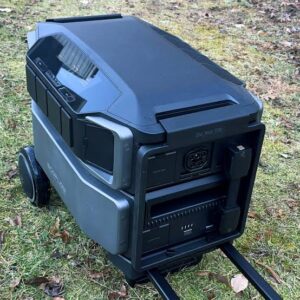
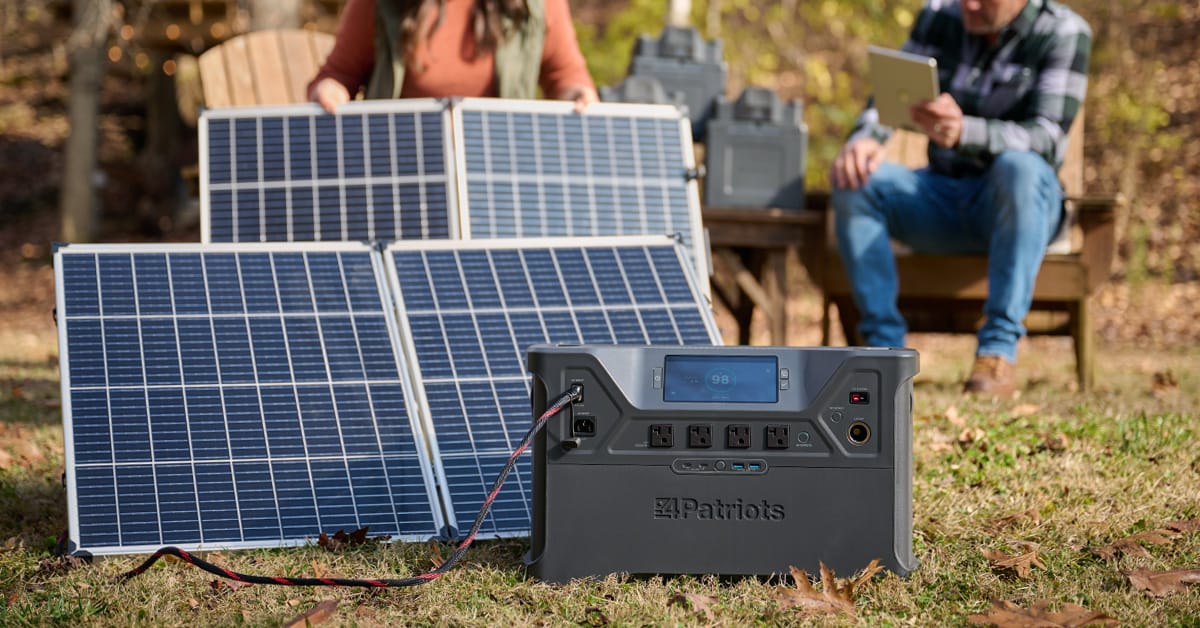
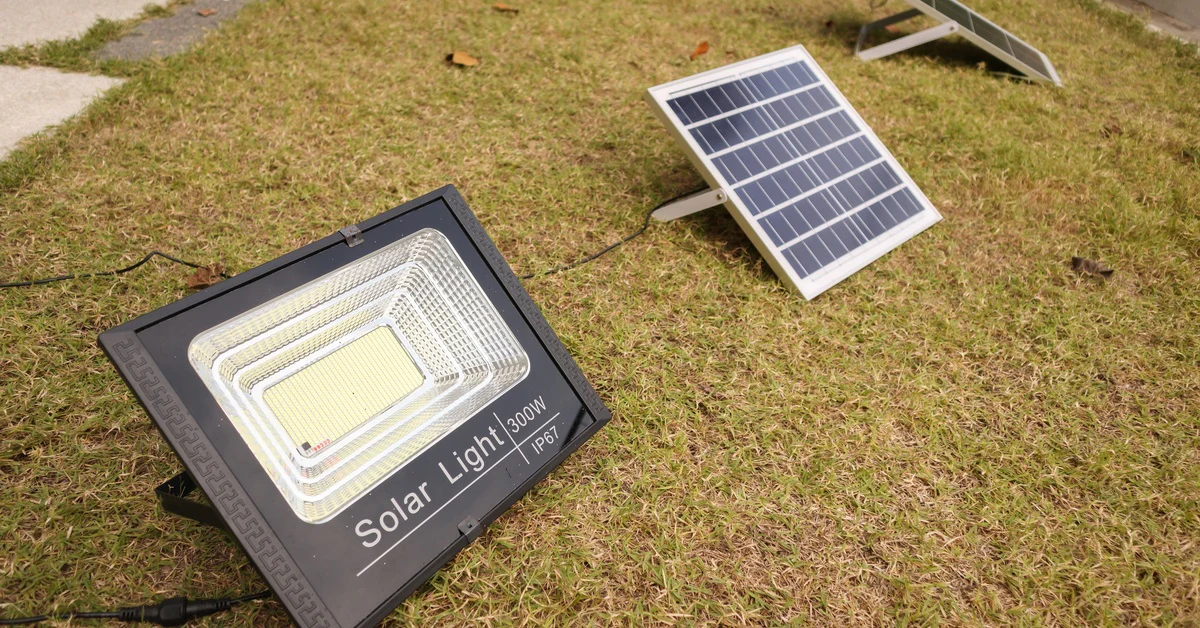
The 60-watt solar panel stores neatly in the lid. It deploys in seconds, and the built-in USB ports allow direct device charging without connecting to the generator. The panel connects to the generator through the DC Powerpole connector cord. In perfect conditions, the panel produces its full 60 watts. In real-world conditions, expect 45 to 50 watts on a sunny day with the panel angled correctly toward the sun. The manufacturer states that solar charging takes about 15 hours from empty to full under optimal conditions , which matches my experience.
Positioning the panel correctly makes a huge difference. Direct sunlight is essential. The panel output drops by 30 to 50 percent if placed behind a window . Shade kills output almost entirely. Adjust the angle throughout the day to keep the sun’s rays hitting the panel perpendicularly. On a sunny day with optimal placement, the unit charges from 50 percent to full in about 6 hours. On an overcast day, that time doubles. The panel is not the most powerful on the market, but it is built into the case, which means it never gets left behind.
The flashlight stored in the lid is a small but thoughtful addition. It charges from the generator’s USB port and provides a bright beam that lights up a dark room. The battery lasts for hours on a full charge, and the flashlight uses a standard USB cable. You can charge it from any USB port, including the panel’s direct ports. Having a dedicated light source in the case means you are not fumbling for your phone’s flashlight when the power goes out.
The storage compartment has room for extra cables. A USB-C cable for a laptop and a Lightning cable for a phone fit alongside the included accessories. The compartment closes securely, and the cables stay in place during transport. This organization means you never leave a critical cable behind when you grab the case. The manufacturer recommends 6 inches of clearance on all sides for ventilation . The fans run at low speed during light loads and speed up under heavy use. The unit never overheated during testing, even when running at full capacity for extended periods.
One thing worth mentioning – the solar input uses a proprietary DC Powerpole connector. If you already own third-party solar panels, they probably won’t work with this unit without an adapter. For someone building a modular system with existing gear, that is a limitation worth considering. The official 4Patriots panels are designed to daisy-chain together, but mixing brands requires extra parts.
FAQs
What is the price of the 4Patriots AlphaCase Elite?
The price varies depending on promotions and bundle deals. Check the official 4Patriots website for current pricing and availability. The all-in-one design includes the solar panel, cables, and flashlight, so you do not need to buy separate accessories. That saves money compared to competitors that sell panels and cables individually.
How long does the battery last on a full charge?
Runtime depends on the power draw of connected devices. A 736Wh battery runs a 100-watt device for about 7 hours. The LCD screen shows estimated remaining time based on current output. These estimates assume no pass-through charging and optimal battery condition.
Can I use this generator while it is charging?
Yes. The pass-through charging feature allows simultaneous use and recharging from solar or wall power. This is useful during extended outages when continuous power is needed. The system manages input and output without compromising performance or battery health.
Is it safe to use this generator indoors?
Yes. The unit produces no fumes and operates safely indoors. Maintain proper clearance for ventilation and avoid using it in wet conditions. The LiFePo4 battery chemistry is stable and does not present the fire risks associated with older lithium-ion batteries.
Summary
The 4Patriots AlphaCase Elite review examines this 736Wh portable power station in a rugged briefcase design. It includes a 60W solar panel, pure sine wave inverter, and LiFePo4 battery with 4,000 cycles. The system powers CPAP machines, small appliances, and electronics. The all-in-one design ensures quick deployment during emergencies. The unit offers quiet, fume-free operation for indoor use, though it is not the cheapest option. It excels for those needing a grab-and-go generator for outages, camping, or travel.