Table of Contents
A guy in an online forum claimed he installed six solar floodlights and his power bill dropped to zero. He said the lights saved him two hundred dollars per month. I laughed when I read that. Then I felt bad for anyone who believed him.
Solar lights do not plug into your house. They do not offset your air conditioner or your refrigerator or your washing machine. They run on their own tiny batteries and light up your garden. That is it.
But the idea of a zero electricity bill keeps coming up. People see the words “solar” and “lights” and they dream of cutting the cord from the utility company.
So let me clear this up. Solar lights and zero electricity bill: what you need to know is simple. Outdoor solar lights will not lower your power bill by one cent. But a properly sized solar electric system for your whole home can get you close to zero. I have tested both sides of this equation for three years. Here is the difference.
This is something we cover in detail in our guide on do solar lights need direct sunlight.
Outdoor solar lights save you nothing on your power bill
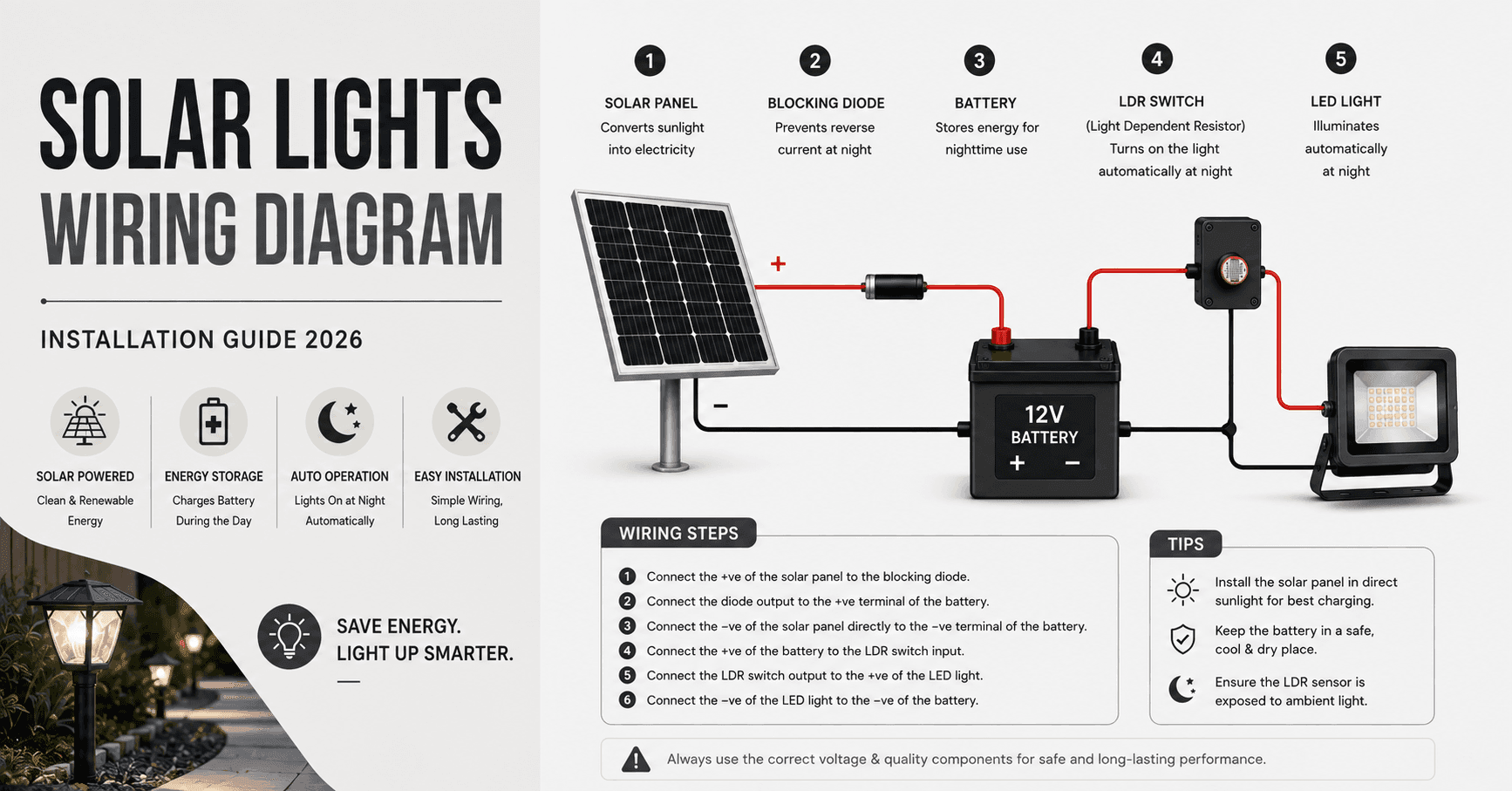
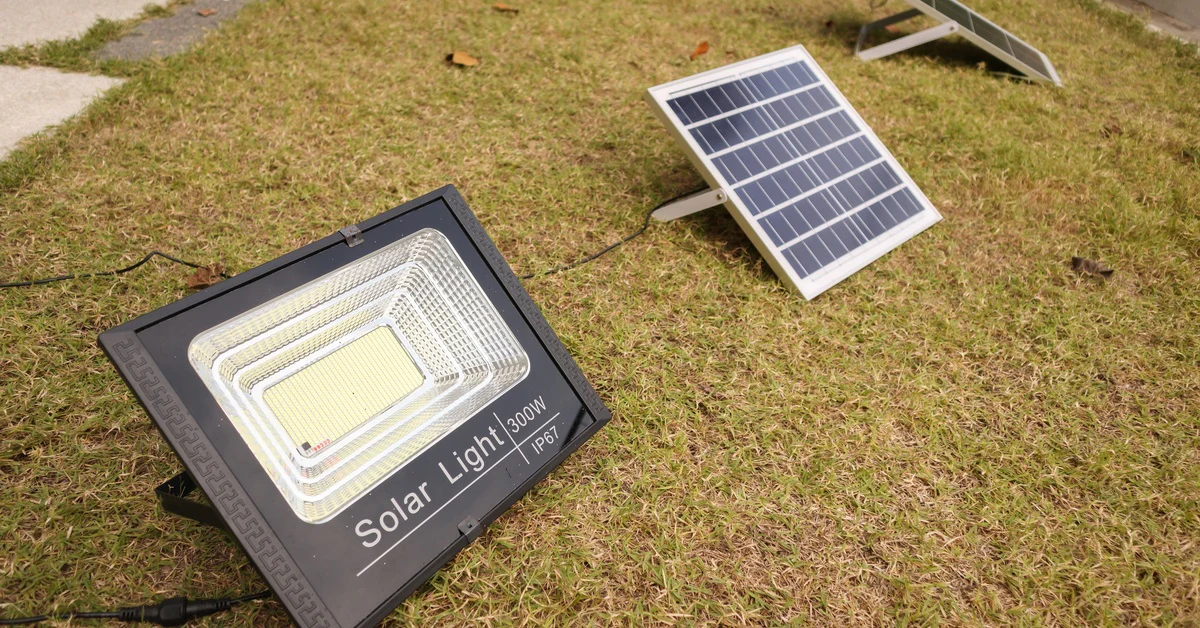
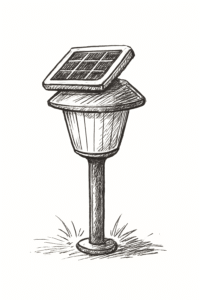
Let me be direct. A solar path light, a solar floodlight, or a solar string light does not connect to your home’s electrical system. It charges a small internal battery during the day. It lights an LED at night. It touches nothing else in your house.
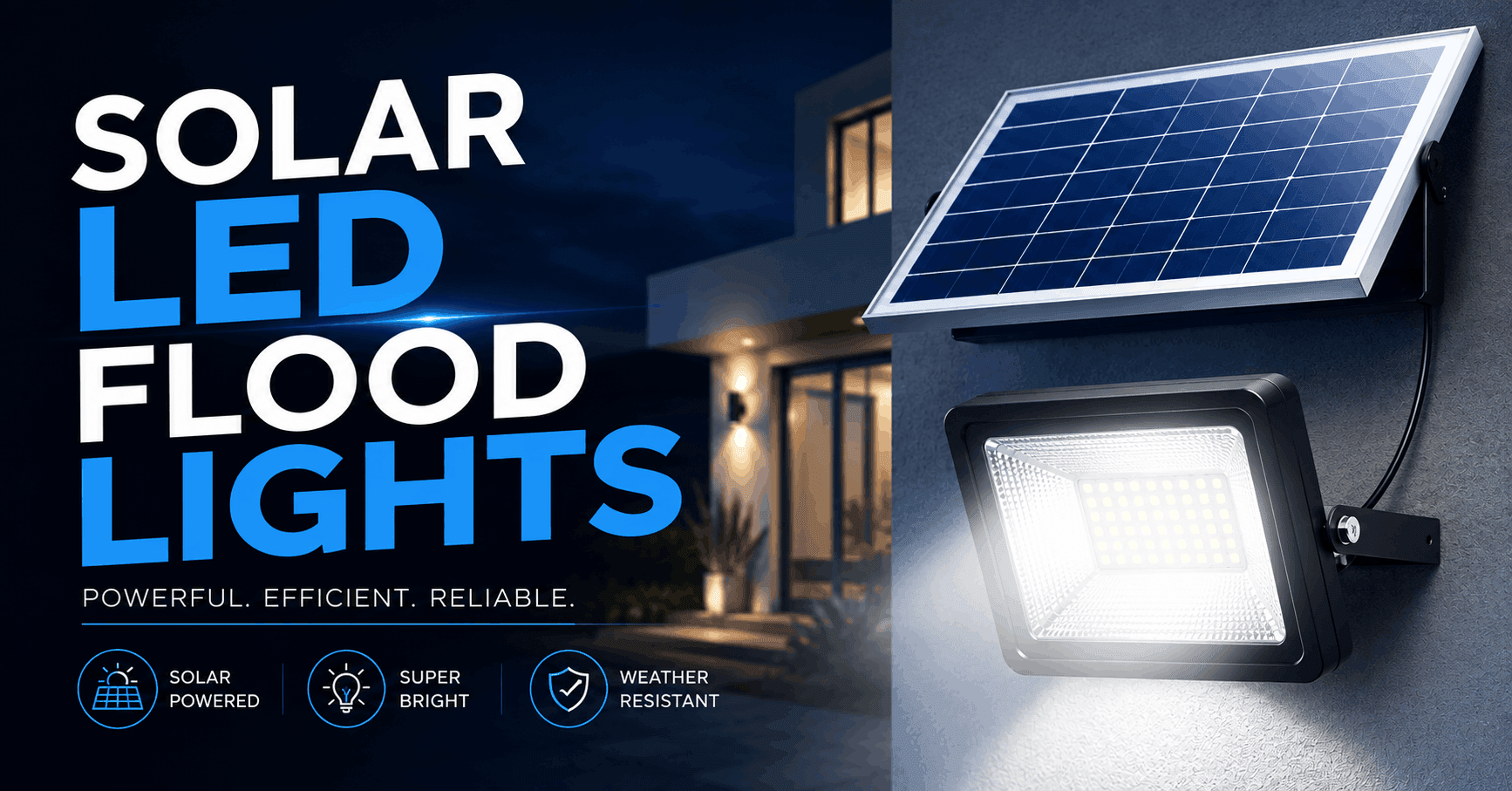
That LITOM floodlight you mounted on your garage runs on a battery inside the light. It does not pull power from your outlets. It also does not send power to your outlets. It exists completely separate from your home’s electrical system.
So when someone says solar lights cut their power bill, they are either confused or lying.
I ran a test. I had twelve solar path lights around my walkway. I replaced them with regular low voltage path lights connected to a transformer. My power bill changed by zero dollars. The transformer cost me about two dollars per month to run. The solar lights saved me two dollars per month.
Two dollars.
Here is what outdoor solar lights actually do: They eliminate the wiring cost. You do not pay an electrician to run cable. They eliminate the transformer cost. You do not buy a fifty dollar transformer. They eliminate the monthly operating cost of that transformer, which runs about two to five dollars per month for a typical set of path lights.
So solar lights save you money compared to low voltage lights. But they do not lower your overall home power bill because you never paid for those path lights from your utility bill in the first place.
A friend asked me whether he should buy solar path lights or low voltage lights for his new walkway. I told him to buy solar. He would save the cost of hiring an electrician to run wire. I did not tell him solar would lower his power bill. Because it will not.
The zero electricity bill myth comes from whole home solar
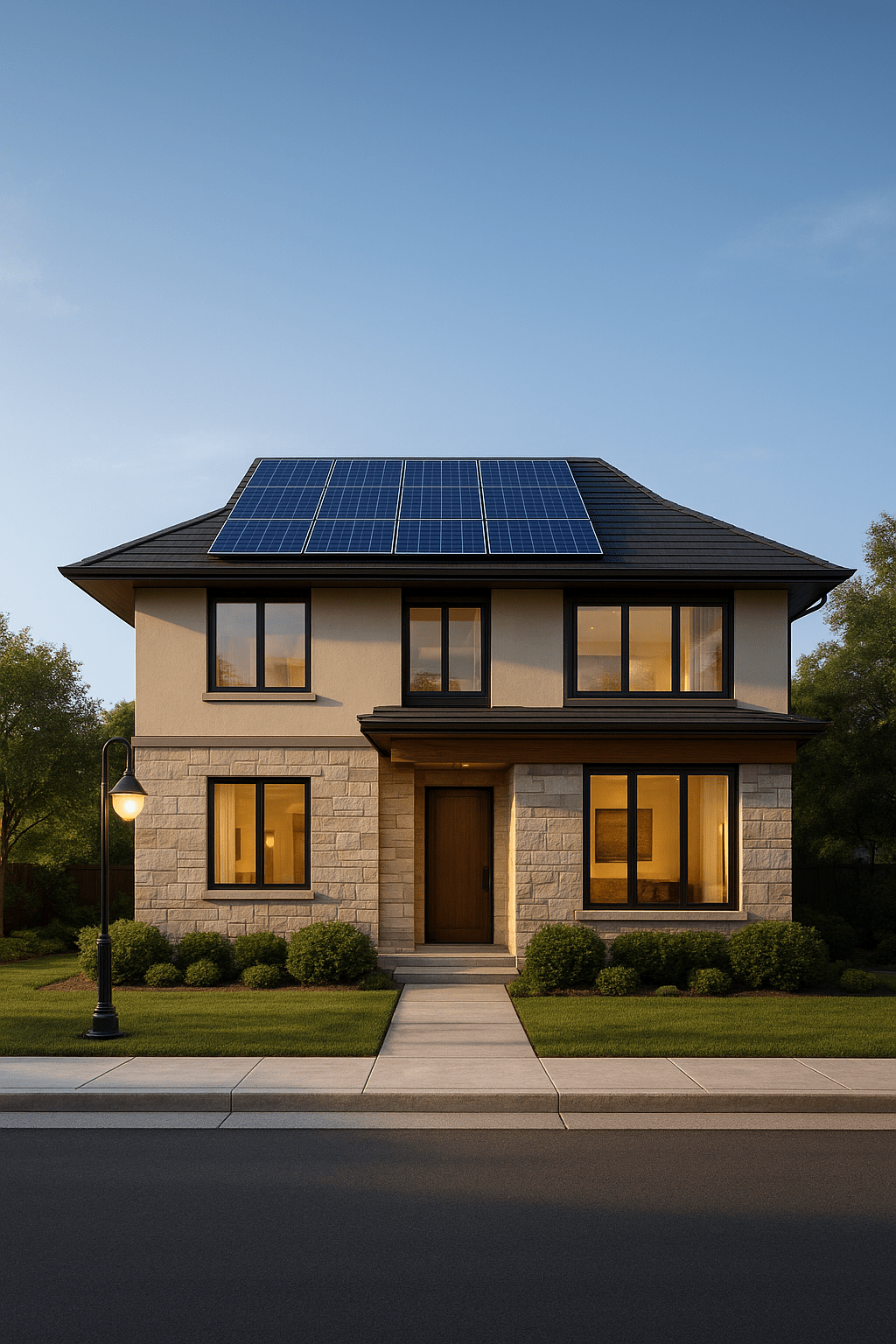
People confuse solar lights with solar panels. A solar light is a small, self contained unit. A solar panel is a large glass rectangle that mounts on your roof and feeds power into your home’s electrical system.
A whole home solar system can zero out your power bill. I have seen it happen. A neighbor of mine installed a 6000 watt solar array on his south facing roof. He paid fourteen thousand dollars before the tax credit. After the thirty percent federal credit, he paid ninety eight hundred dollars.
His average monthly power bill before solar was one hundred fifty dollars. After solar, his bill dropped to about fifteen dollars per month. Those fifteen dollars are fixed utility charges he cannot avoid. His energy usage charges went to zero.
He did not use solar lights to get there. He used rooftop solar panels, an inverter, and a grid connection.
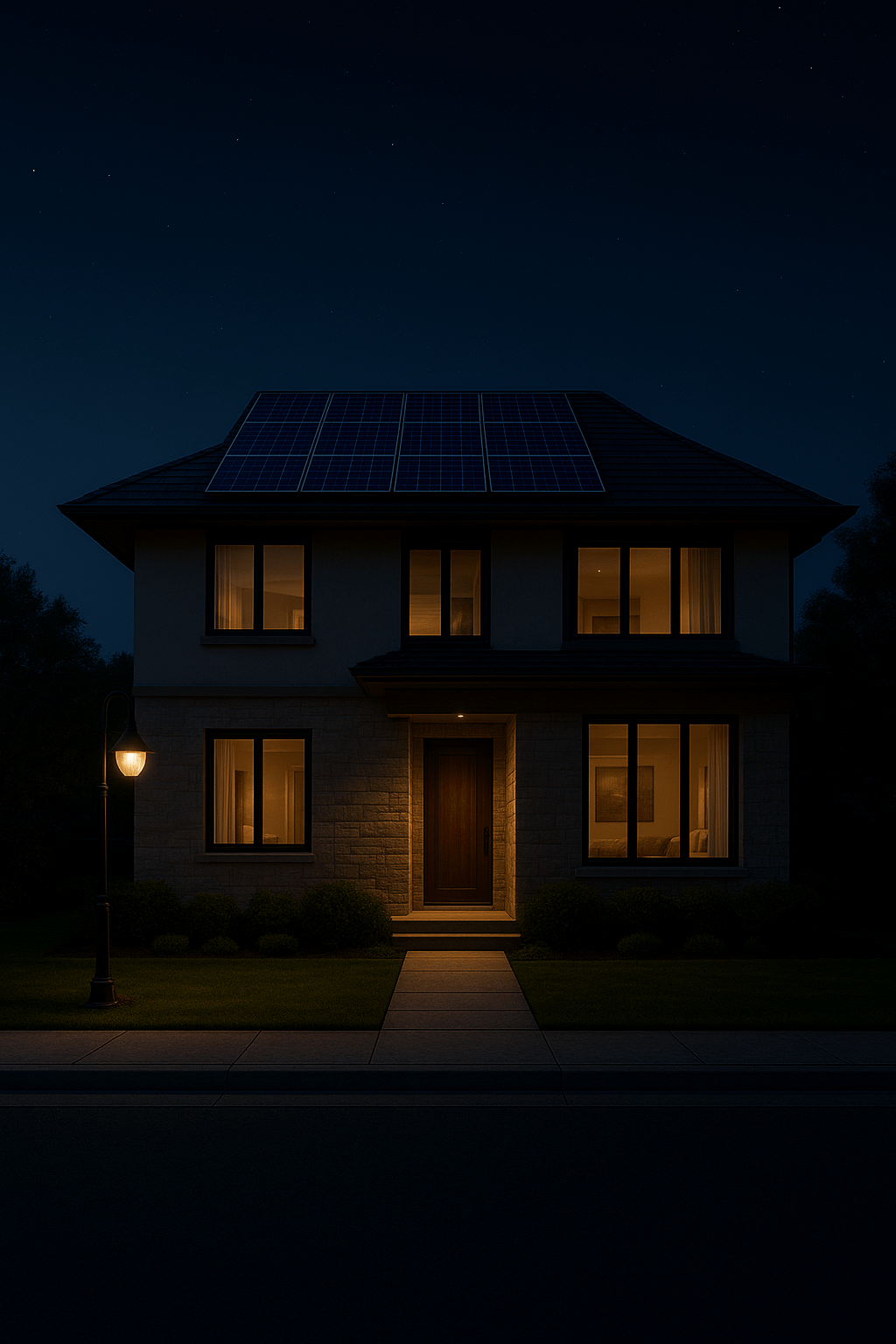
How whole home solar eliminates your power bill: Your solar panels produce power during the day. Your home uses that power first. Any extra power goes to the grid. Your utility credits you for that extra power. At night, you draw power from the grid using those credits. If you size your system correctly, your credits cover your night usage. Your bill ends up at zero or close to it.
This only works if your utility offers net metering. Many still do. Some have cut back the credits.
What a zero bill actually looks like in real life
I tracked my neighbor’s power bills for a year after he installed solar. His numbers tell the real story.
Before solar, he paid one hundred fifty dollars per month on average. Summer months with AC ran higher at two hundred twenty dollars. Winter months ran lower at one hundred dollars.
After solar, his lowest bill hit four dollars in May. That was pure fixed fees. His highest bill hit forty five dollars in August. That happened because his AC ran harder than his solar array could cover. He used more power than his panels produced.
He did not hit absolute zero. He got close. Over twelve months, he saved about one thousand six hundred dollars. His system cost ninety eight hundred dollars after the credit. His payback period sits at about six years.
What he did not do: He did not add batteries. His system is grid tied without storage. When the sun goes down, he pulls from the grid. His net metering credits cover that pull most months. In summer, his AC pulls more than his credits cover, so he pays a small bill.
If he added a Tesla Powerwall for fifteen thousand dollars, he could store his daytime power and use it at night. That would eliminate his grid pull entirely. His bill would drop to the fixed monthly fee only, about ten to fifteen dollars. But the Powerwall would add ten years to his payback period. He decided against it.
The size of the system matters more than anything
You cannot buy a small solar setup and expect a zero bill. The system needs to match your annual power usage.
The math: Find your annual kilowatt hours from your power bill. The average US home uses 10,000 to 12,000 kilowatt hours per year. Divide that by the number of peak sun hours in your location. Phoenix gets about 5.5 peak sun hours per day. Seattle gets about 3.5. Multiply by 365 days.
For Phoenix: 10,000 kilowatt hours divided by 2000 peak sun hours per year equals 5000 watts of solar panels. For Seattle: 10,000 kilowatt hours divided by 1277 peak sun hours per year equals 7800 watts of solar panels.
A 5000 watt system in Phoenix costs about ten to twelve thousand dollars. A 7800 watt system in Seattle costs about fifteen to eighteen thousand dollars. That is the price of a zero bill before batteries.
I ran these numbers for my own house. I use about 8000 kilowatt hours per year. I live in the mid Atlantic with about 4.2 peak sun hours per day. That gives me 1533 peak sun hours per year. 8000 divided by 1533 equals 5200 watts. A 5200 watt system would cost me about eleven thousand dollars before the credit. My average power bill runs one hundred twenty dollars per month. Payback period would be about seven years.
I have not installed it yet because I plan to move in three years.
Net metering rules decide whether zero bill is possible
You can install the perfect sized solar array. If your utility changes its net metering rules, your bill will not hit zero.
Net metering gives you credit for the power you send to the grid. In a one to one net metering system, you get full retail credit. Send one kilowatt hour at noon, get credit for one kilowatt hour at 8 PM. That is the best deal for solar owners.
Some utilities have moved to avoided cost net metering. They pay you the wholesale rate for your power, about two to four cents per kilowatt hour. Then you buy power back at the retail rate, about fifteen to twenty five cents per kilowatt hour. That kills the zero bill dream.
What to check before you buy: Call your utility. Ask if they offer net metering. Ask if it is one to one or avoided cost. Ask if there is a cap on how many solar customers can join. Ask if they have time of use rates that shift prices based on time of day.
A friend in Kentucky called his utility. They told him they offer one to one net metering but only for systems under 10,000 watts. His planned 8000 watt system qualified. He installed it. His bill dropped to fourteen dollars per month fixed fee. He got his zero bill.
Another friend in Florida called his utility. They told him they moved to avoided cost net metering two years ago. He would get paid three cents per kilowatt hour for his exports. He would pay fourteen cents per kilowatt hour for his imports. He did not install solar. The math did not work.
Batteries can force a zero bill even with bad net metering
If your utility offers poor net metering, batteries fix the problem. You store your daytime power. You use it at night. You never send power to the grid. You never get paid low rates. You never buy high rate power at night.
The catch is battery cost. A 10,000 watt hour battery bank costs five to ten thousand dollars for LiFePO4 chemistry. Add installation and a hybrid inverter and you hit fifteen to twenty thousand dollars.
The math with batteries: Solar array costs twelve thousand dollars. Battery bank costs ten thousand dollars. Total twenty two thousand dollars. Your monthly power bill was one hundred fifty dollars. Annual savings one thousand eight hundred dollars. Payback period jumps to twelve years.
That is why most people skip batteries. They accept a small monthly bill instead of a long payback period.
I priced a battery for my hypothetical system. A 10,000 watt hour LiFePO4 rack mount battery from EG4 costs about three thousand eight hundred dollars. Add shipping and taxes and I hit four thousand five hundred dollars. Add a hybrid inverter for another two thousand dollars. My battery cost would add six thousand five hundred dollars to my eleven thousand dollar solar array. Total seventeen thousand five hundred dollars. My payback period would move from seven years to ten years. I might still do it. But I understand why others would not.
Solar lights do one thing well but not that thing
I have tested over fifty solar lights in three years. They work great for outdoor illumination. They fail completely at lowering your power bill.
What solar lights do well: They light up walkways. They illuminate gardens. They provide security lighting. They work during power outages because they run on batteries. They cost nothing to operate after purchase. They install in minutes with no wiring.
What solar lights do not do: They do not offset your HVAC usage. They do not run your refrigerator. They do not charge your electric car. They do not lower your utility bill by any measurable amount.
The LITOM floodlight I tested produces about 2000 lumens at night. It runs for eight hours on a full charge. That light consumes about 20 watt hours per night. My home power bill charges me about fifteen cents per kilowatt hour. That floodlight saves me about one tenth of one cent per night. Thirty six cents per year.
Buy solar lights for convenience and for free operation. Do not buy them to zero out your bill.
The path to a zero electricity bill
If you want a zero electricity bill, here is the actual path.
Step one: Reduce your home’s power usage. Swap incandescent bulbs for LEDs. Replace old appliances with energy efficient models. Add insulation to your attic. Seal air leaks around windows and doors. Every kilowatt hour you do not use is a kilowatt hour you do not need to produce.
Step two: Install a whole home solar array sized to your annual usage. Use the calculation I showed above. Hire a local installer or DIY if you have the skills. Expect to spend ten to twenty thousand dollars before tax credits.
Step three: Enroll in net metering with your utility. Make sure they offer one to one credits. If they do not, add batteries to your system. Expect to spend another five to fifteen thousand dollars for batteries.
Step four: Monitor your system. Clean your panels. Replace inverters when they fail after ten to fifteen years. Maintain your batteries if you have them.
A family I know followed this path. They spent eighteen thousand dollars on a 7000 watt solar array with a 10,000 watt hour battery bank. Their average monthly power bill before solar was two hundred dollars. After solar, their bill dropped to twelve dollars per month fixed fee. Their system will pay for itself in about eight years. They plan to stay in their house for twenty years. The math works for them.
The bottom line on solar lights and your power bill
Solar lights and zero electricity bill: what you need to know comes down to this. Outdoor solar lights will not lower your power bill. They operate completely separate from your home’s electrical system. They save you the cost of wiring and transformers, not the cost of electricity.
Whole home solar panels can zero out your power bill. A properly sized system with good net metering or batteries offsets your entire home’s power usage. Expect to spend ten to twenty thousand dollars. Expect a payback period of seven to twelve years.
The guy in the online forum claiming solar lights saved him two hundred dollars per month was wrong. He either misunderstood his own system or he wanted attention. Do not believe that claim.
But do believe that a zero electricity bill is possible. Just not from a six pack of solar path lights from Amazon.
Summary
Solar lights do not lower your power bill. They operate completely separate from your home’s electrical system. Whole home solar panels can zero out your bill with a properly sized system, good net metering, or batteries. A 5000 to 8000 watt solar array costs ten to eighteen thousand dollars before tax credits. Payback period runs seven to twelve years. Net metering rules vary by utility. Batteries add five to fifteen thousand dollars but fix poor net metering. Buy solar lights for free outdoor lighting, not for bill reduction.