Table of Contents
People buy a 500 watt panel and think they can run their whole garage. You cannot. I have seen guys hook up a panel like this and plug in a space heater. The heater does not even get warm. Then they blame the solar company. Not the company’s fault. You just bought the wrong size.
Here is the real list. No hype. No marketing lies.
A mini fridge.
Yes. A small one. The kind you put in a dorm room or a basement bar. It pulls 50 to 80 watts when the compressor runs. It does not run all the time. Maybe 10 minutes every hour. So over a full day, it eats 300 to 500 watt hours. Your panel makes 2,000 to 2,500 watt hours on a sunny day. So the fridge is fine.
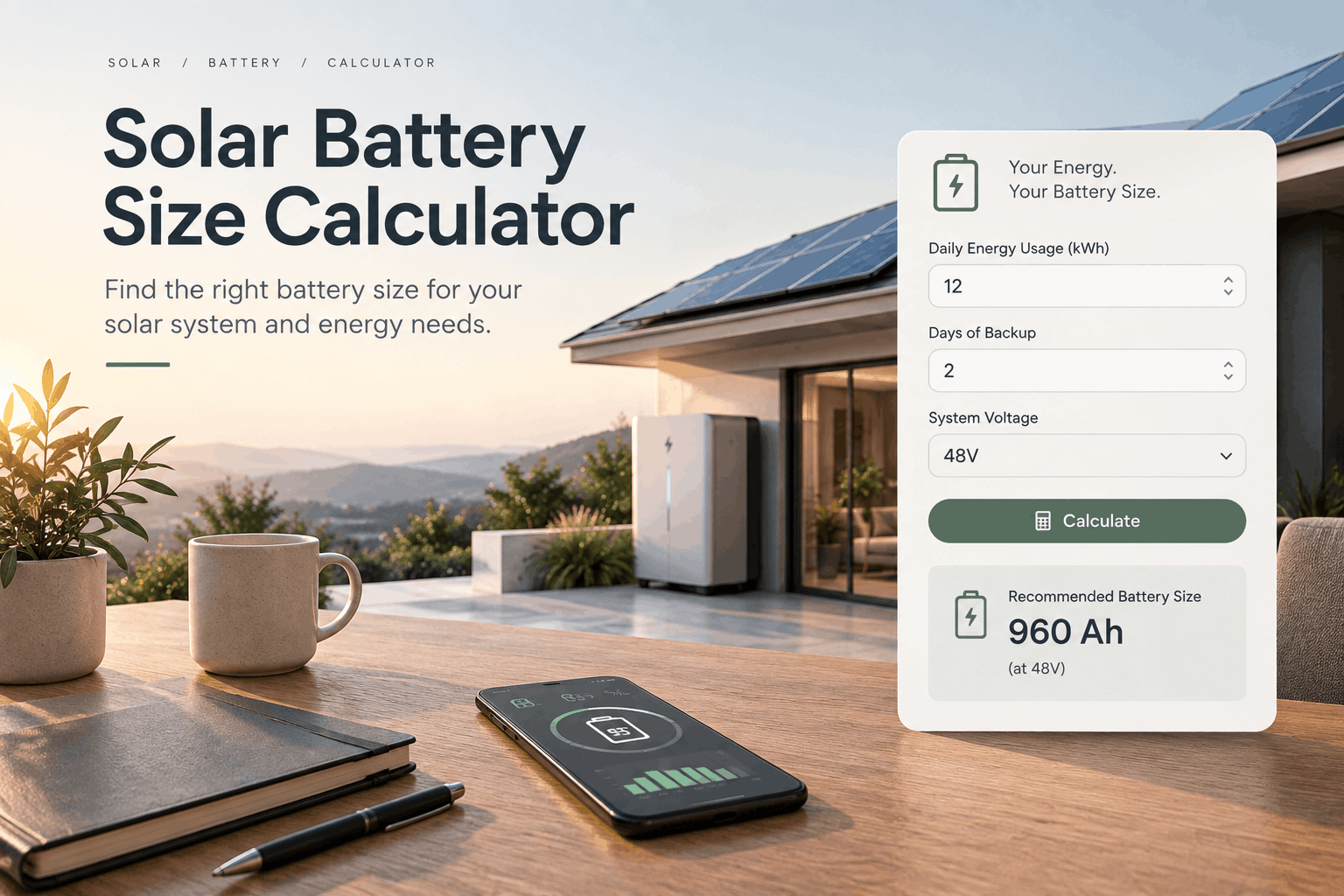
But you need a battery. The fridge runs at night. Your panel sleeps when the sun goes down. So store daytime power in a battery. Get at least 2,000 watt hours. That is 165 amp hours at 12 volts. With that, your mini fridge runs all night.
A full size fridge uses 150 to 300 watts. That works too but leaves little power for anything else. You run the fridge and maybe some lights. No TV. No fan. Pick your priority.
A TV.
Yes. A 40 inch LED pulls 50 to 80 watts. Watch for 5 hours. That is 250 to 400 watt hours. Your panel barely notices. A big 65 inch TV uses 100 to 150 watts. Still fine. You could watch the super bowl on a 65 inch and your panel would not break a sweat.
But do not run the TV and the coffee maker at the same time. That is too much.
LED lights.
Yes. Lots of them. One LED bulb pulls 8 to 12 watts. Run 10 bulbs for 6 hours. That is 480 to 720 watt hours. Easy. You could run 20 bulbs and still be fine. LED lights are not the problem. They never are.
A laptop.
Yes. Charges fine. A laptop pulls 30 to 60 watts. Charge it for 4 hours. That is 120 to 240 watt hours. Nothing.
A phone.
Yes. Trivial. A phone pulls 5 to 10 watts. Charge it for 3 hours. That is 15 to 30 watt hours. You could charge twenty phones.
A fan.
Yes. Ceiling fan or box fan. A ceiling fan pulls 30 to 60 watts. Run it for 8 hours. That is 240 to 480 watt hours. A box fan pulls 50 to 100 watts. Eight hours is 400 to 800 watt hours. Both work fine. On a hot night, run the fan and the TV at the same time. No problem.
A coffee maker.
Yes but careful. A coffee maker pulls 800 to 1,200 watts. Only for 5 minutes. Five minutes at 1,000 watts is 83 watt hours. That is nothing.
But here is the catch. The coffee maker pulls 1,000 watts all at once. If your fridge compressor kicks on at that same moment, your inverter will trip. Everything shuts off. So run the coffee maker alone. Turn off the TV. Unplug the fan. Make your coffee. Then turn everything back on.
A microwave.
Same as coffee maker. Short bursts only. A microwave pulls 600 to 1,200 watts. Five minutes is 50 to 100 watt hours. Run it alone. Do not run anything else at the same time.
A router and modem.
Yes. These run 24 hours. A router and modem together pull 5 to 15 watts. Over 24 hours, that is 120 to 360 watt hours. Your panel covers that easily. So yes, you can work from home on solar. Just do it during the day.
A small space heater.
No. Do not try this. A small space heater pulls 1,000 to 1,500 watts constantly. Not for 5 minutes. Constantly. Eight hours of heat needs 8,000 to 12,000 watt hours. Your panel makes 2,500 on a good day. So you would need four or five panels just for the heater.
And heaters run at night when you are cold. Solar panels make nothing at night. So you would need huge batteries too. Not practical. Buy a blanket.
A window AC unit.
No. A small window AC pulls 500 to 1,500 watts constantly. Even the smallest 500 watt AC running for 8 hours needs 4,000 watt hours. Your panel makes 2,500. So you need two panels just for the AC. And again, AC runs during the day when the sun is out. So that helps. But two panels for one AC unit. Then nothing for lights or fridge.
A washing machine.
Maybe. A small washing machine pulls 500 to 1,500 watts for 30 to 60 minutes. That is 250 to 1,500 watt hours per load. Your panel makes 2,500 on a sunny day. So you can run one load per day. But only when the sun is high. Between 11 AM and 2 PM. And do not run anything else at the same time.
A well pump.
Depends. A small 1/4 HP well pump pulls 500 to 800 watts for 5 to 10 minutes. That is fine. A large 1 HP pump pulls 2,000 watts. That is four times what your panel makes at once. So no. Check your pump size before buying anything.
An electric car.
Yes but very slowly. An electric car uses 300 to 400 watt hours per mile. Your panel makes 2,500 watt hours per sunny day. That gives you 6 to 8 miles of range per day. To fully charge a typical EV with 300 miles of range, you need 40 sunny days. So it works if you drive very little and have a lot of patience.
The battery problem explained.
Your panel makes power only when the sun shines. At night it makes zero. On cloudy days it makes very little. So you need batteries. The battery stores daytime power for night time use.
For a 500 watt panel, get at least 2,000 watt hours of battery. That is 165 amp hours at 12 volts. With that, you run lights, a fan, a TV, and phone chargers all night.
If you want a mini fridge to run all night too, get 4,000 watt hours of battery. That is 330 amp hours at 12 volts. Two batteries.
The inverter problem explained.
Your panel makes DC power. Your house devices use AC power. An inverter converts DC to AC.
For a 500 watt panel, buy a 1,000 watt inverter. That gives you room for surges. A fridge can surge to three times its running watts when the compressor starts. A 70 watt fridge might need 210 watts for one second. A 1,000 watt inverter handles that fine.
But if you run a 1,000 watt coffee maker and the fridge kicks on, your inverter trips. Pick one high power device at a time.
Cloudy days are a problem.
Sunny day gives you 2,500 watt hours. Cloudy day gives you 500 to 1,000. Rainy day gives you 200. So you need a backup plan.
Three options. One, add more panels. Two, add more batteries. Three, keep your fridge on the grid and use solar only for lights and TV. Most people pick option three.
Do not forget the charge controller.
This is not optional. A 500 watt panel at 12 volts makes 41 amps. That much current will destroy your battery in days without a controller. The controller stops the battery from overcharging.
Get a 50 amp MPPT controller. MPPT stands for maximum power point tracking. It gets more power from your panel than cheaper controllers. Spend the money.
One realistic setup that works.
One 500 watt solar panel. One 2,000 watt hour battery. One 50 amp MPPT charge controller. One 1,000 watt inverter.
With that, you run a mini fridge all day and all night. You run LED lights for 6 hours in the evening. You run a TV for 4 hours. You charge two laptops and three phones. You run a ceiling fan for 8 hours.
You cannot run the microwave while the fridge is running. You cannot run the coffee maker while the TV is on. You have to manage your loads.
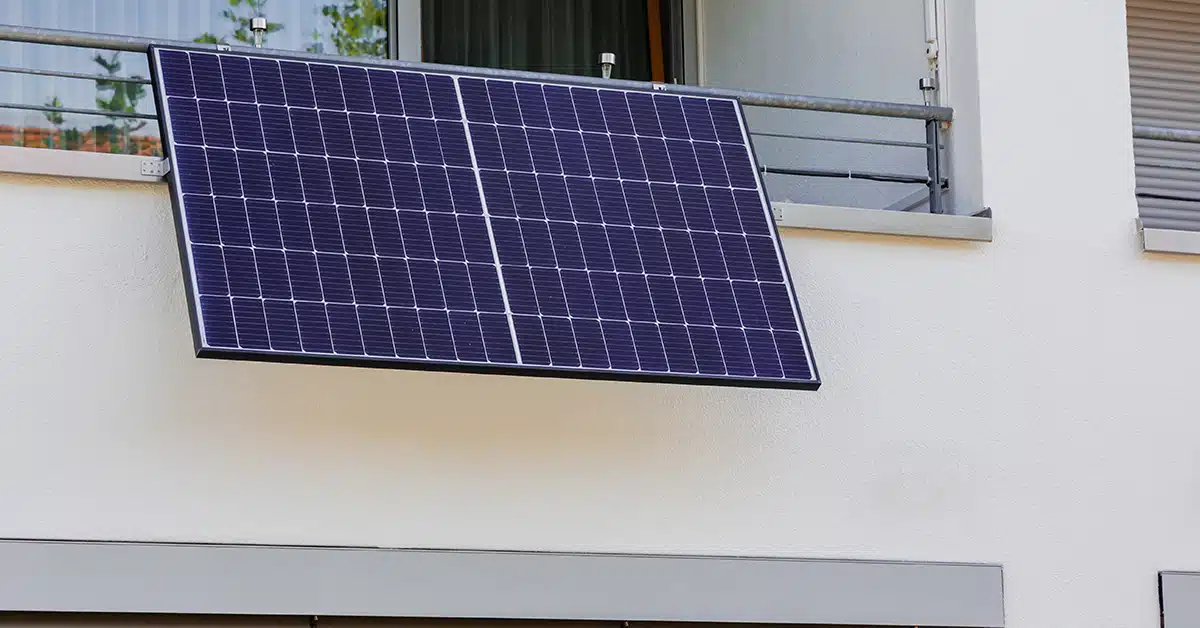
For a shed, an RV, a tiny cabin, or emergency backup, this works great. For a normal house, you need 10 to 12 panels.
FAQs
Q1: Can it run a full size fridge?
Barely. It leaves no power for anything else. Get a second panel if you need a full size fridge.
Q2: Can it run a well pump?
Only a small one. 1/4 HP or less. Check your pump wattage first.
Q3: How many batteries do I need?
One at minimum. Two is better. Three if you want to run a fridge all night.
Q4: Can I charge my EV with it?
Yes. You get 6 to 8 miles of range per sunny day. Good for emergency charging. Not good for daily driving.
Q5: Does it work on cloudy days?
Barely. Production drops 60 to 80%. Have a backup plan.
Q6: Do I need an electrician to install this?
No. A 500 watt system is DIY friendly. But read the manual. And respect the wires.
Summary
A 500 watt solar panel runs small things. A mini fridge. A TV. LED lights. A fan. A laptop. A phone. A coffee maker in short bursts. It runs a router and modem all day. It does not run AC, space heaters, water heaters, electric stoves, or clothes dryers. You need a battery for night time. You need a charge controller. You need an inverter. Cloudy days hurt production badly. A single 500 watt panel is good for a shed, an RV, a tiny cabin, or emergency backup. It is not enough for a normal house. For that, you need 10 to 12 panels.