
Table of Contents
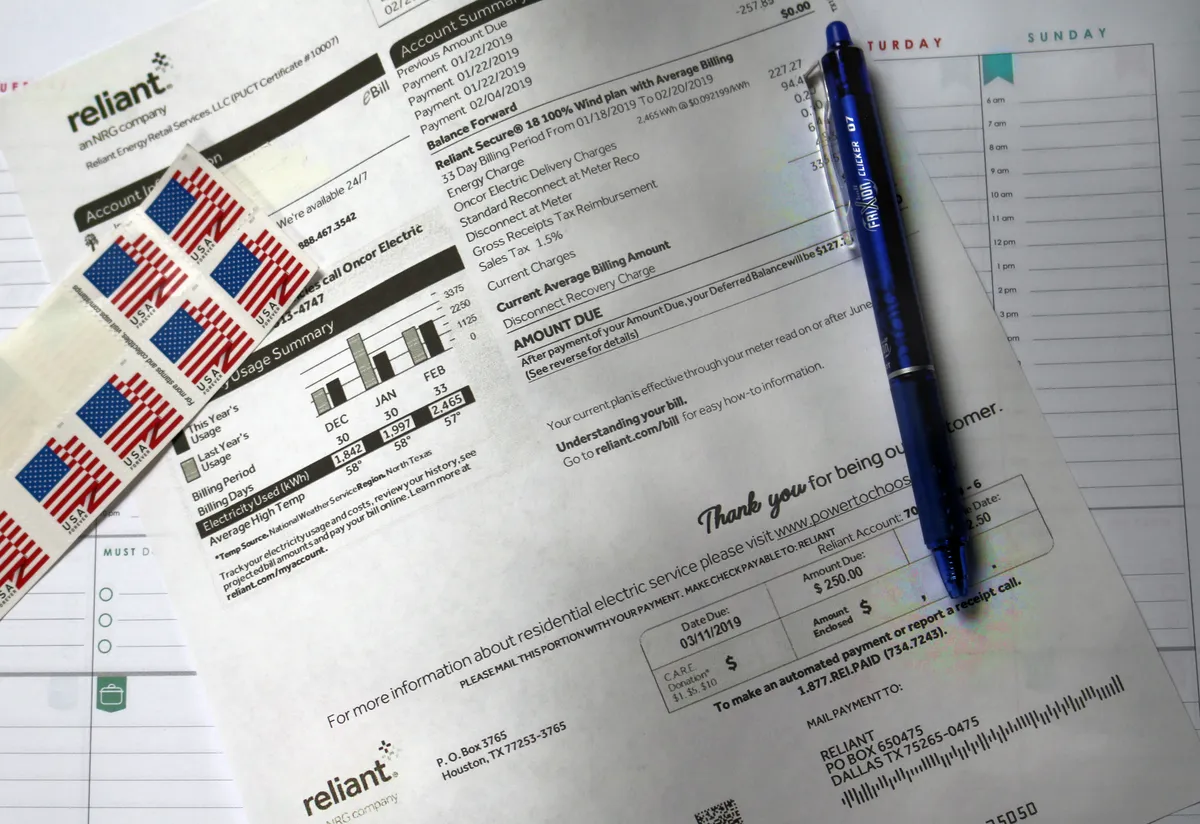
You paid for solar panels. You sat through the installation. You watched your roof get covered in panels and thought, finally, lower bills. Then the first electric bill arrived and your stomach dropped.
This is not a rare situation. Across the country in 2026, homeowners with solar panels are opening bills that do not match what they were promised. Some bills are just higher than expected. Others are barely different from before the panels went up. Either way, something feels wrong.
The good news is that there are specific, identifiable reasons your electric bill is high with solar panels. None of them are mysteries. Let us go through each one so you know exactly what you are dealing with.
Your System Was Never Big Enough to Cover Your Whole Home
Picture a small generator running your entire house. If your house needs more power than the generator produces, you pull the rest from somewhere else and pay for it. Solar works the same way.
When your system was installed, it was sized based on your energy use at that time. If your household has grown since then, if you added an electric vehicle, a new air conditioning unit, or even just started spending more time at home, your energy use went up. Your panels did not grow with it.
If your panels are only producing 60% to 80% of what your home needs, your system is undersized. Every kilowatt-hour that gap represents gets purchased from the grid at full retail price. Over a month, that cost adds up fast. Log into your solar monitoring app and check how much your system actually produces each day versus how much your home consumes. That single comparison tells you a lot.
Your Panels Work During the Day. Your Family Does Not.
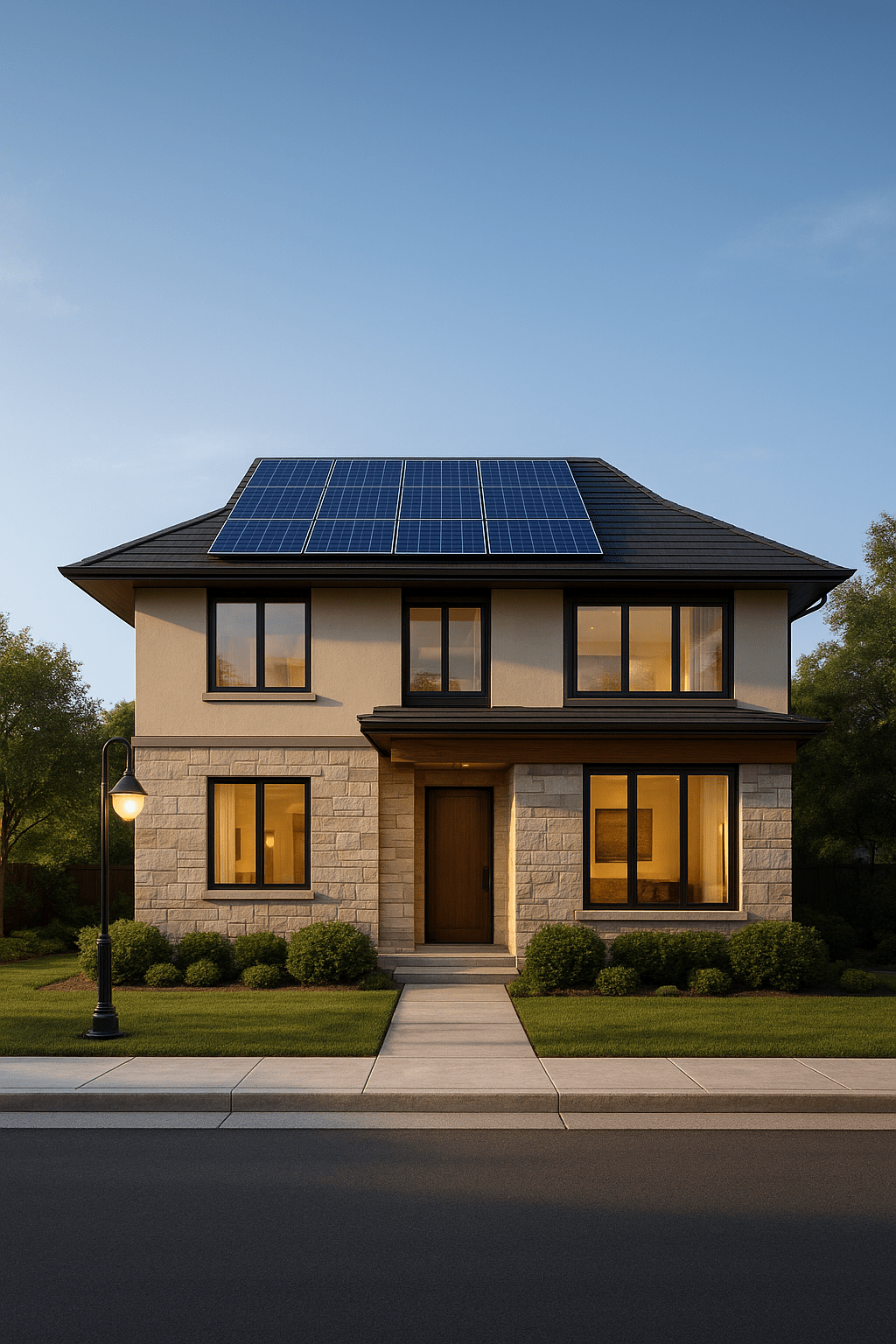
This is the timing problem that catches almost every solar owner off guard. Your panels produce the most electricity between 10 AM and 2 PM. That is peak sun. That is also when most homes sit empty. Kids are at school. Adults are at work. Nobody is running appliances.
That extra power your panels produce goes straight back to the utility company. They pay you almost nothing for it, somewhere around 3 to 5 cents per kilowatt-hour in most states right now. Some states pay even less than that.
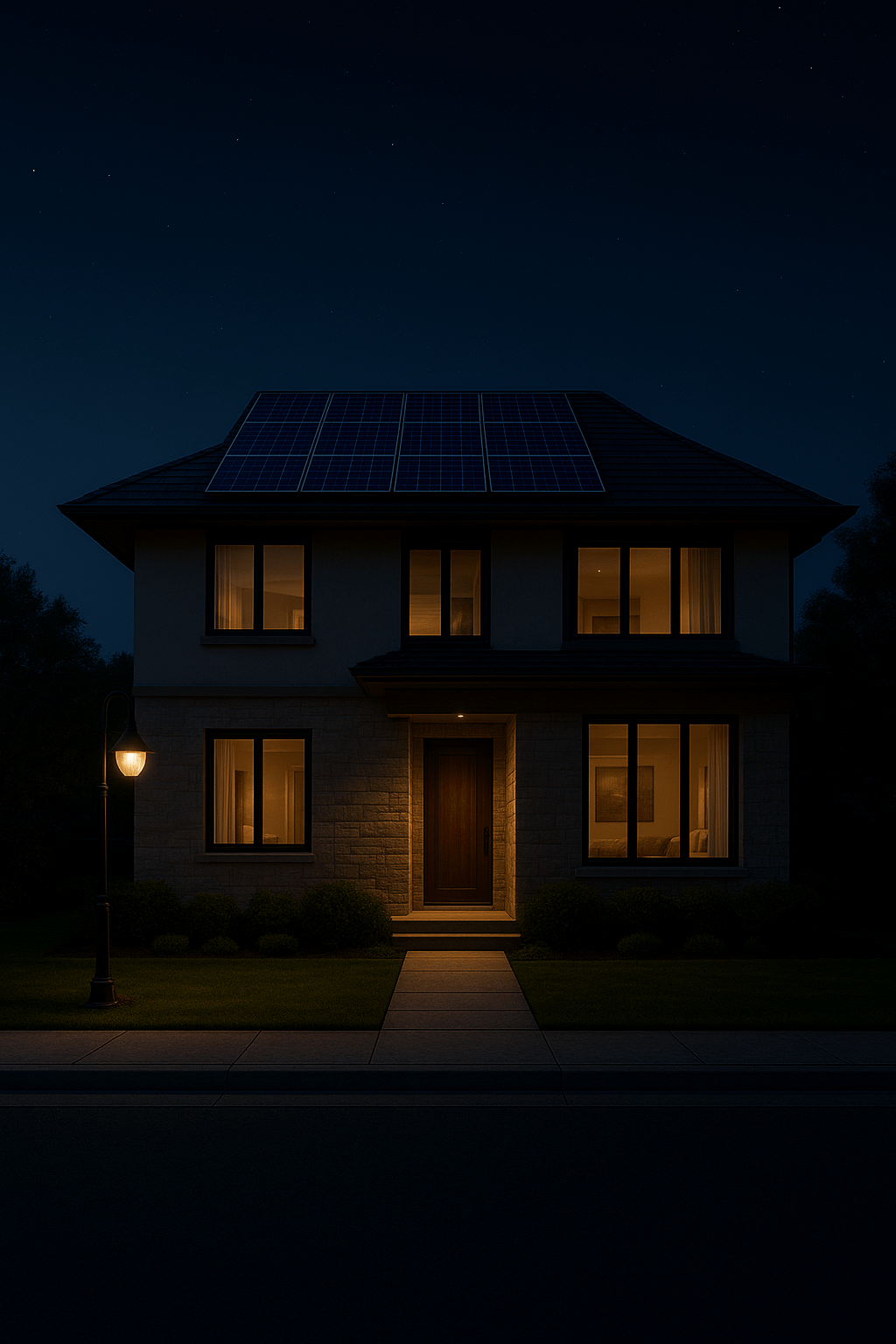
Then at 6 PM, the house fills up. Dinner gets made. Screens turn on. The laundry starts. You are now pulling electricity from the grid during the most expensive hours of the day, paying 25 to 30 cents per kilowatt-hour. You gave your power away cheap in the afternoon and bought expensive power at night. Without a battery, this cycle repeats every single day.
Net Metering Gave You Credits. Then the Rules Changed.
Net metering used to mean your extra solar power went to the grid, and your utility gave you credits worth roughly the same amount as what you would have paid for that electricity. That deal made solar work financially for millions of homeowners.
That deal has changed in many states, and it changed fast.
California cut export credits by 75% under its new billing policy. Hawaii ended the program entirely for new customers. Arizona, Nevada, and several other states slashed their credit rates. What used to be a fair one-for-one exchange is now worth only 20% to 30% of retail electricity rates in many places.
As of 2026, roughly one third of U.S. states have reduced, replaced, or are actively changing their net metering rules. If you were sold solar under the old calculations, and your state has changed its policy since then, your savings projections from the sales presentation are no longer accurate. Nobody called you to update the numbers.
Time-of-Use Rates Are Designed to Work Against Solar Owners
Many utility companies now charge different prices depending on what time of day you use electricity. This billing structure is called Time-of-Use pricing, or TOU pricing, and it has become far more common in 2026.
The timing is almost painful for solar owners. Utilities charge the highest rates between 4 PM and 9 PM. That is when everyone comes home from work, turns on appliances, and starts cooking dinner. Rates during those peak hours run 2 to 3 times higher than off-peak rates. That is also the exact moment your solar panels stop producing.
Your panels quietly push low-value power to the grid during the afternoon. The moment rates spike in the evening, the panels go quiet and your meter starts running. A home battery breaks this cycle completely. It stores your afternoon solar production and lets you use it during those expensive evening hours instead of buying from the grid.
Your Panels May Be Dirty, Shaded, or Silently Failing
Solar panels sit on your roof, exposed to wind, dust, pollen, birds, and everything else the weather brings. They do not clean themselves. And the output loss from dirt builds up slowly enough that most homeowners never notice it happening.
Dust, pollen, bird droppings, and leaf debris pile up on the surface and block sunlight from reaching the cells. In dry climates and areas near farmland, this builds up particularly fast. A panel with heavy soiling can lose 15% to 25% of its normal power output. If your panels have not been cleaned in a year or more, you could easily be running 20% below your expected production without any alarm going off.
Trees cause a similar problem but more slowly. A tree that was small and harmless when your system was installed five years ago might now shade your roof for two or three hours every afternoon. Even partial shading on one panel affects the output of your whole system in many older configurations. Open your monitoring app and look for any panel producing significantly less than the others. That is where your problem is hiding.
The Utility Still Charges You Just for Being Connected
Here is something that surprises most solar owners. Even if your panels produced every single kilowatt-hour your home needed, you would still receive a bill every month. Utility companies charge fixed monthly fees for maintaining your grid connection, reading your meter, and keeping the lines running to your house. Your solar production does not reduce these fees by a single dollar.
In California, new rules effective in 2026 require most customers of the major utilities to pay a fixed monthly charge of around $24, regardless of how little electricity they actually pull from the grid. Similar fixed charges have been introduced or increased in Florida, Arizona, Texas, and several other states.
Even if your solar panels zero out your actual energy consumption completely, those fixed charges keep adding up. A $25 monthly charge works out to $300 per year, every year, just for staying connected to the grid. That cost adds more than a year to most solar payback timelines and is rarely explained clearly during the sales process.
Steps You Can Take Starting This Week
You do not need a major overhaul to improve your situation. These actions make a real, measurable difference:
- Check your monitoring app and compare your daily production against your daily usage. Look for consistent gaps between the two numbers.
- Clean your panels. Once a year at minimum, more frequently if you live in a dry or dusty area or near farmland.
- Trim trees that have grown taller or wider since your panels were installed and may now cast shade during peak production hours.
- Run major appliances during the day. Move your dishwasher, washing machine, dryer, and electric vehicle charging to midday hours when your panels are producing at full output.
- Call your utility and ask specifically what billing plan you are currently on. Some TOU plans are structured in ways that hurt solar owners more than standard plans.
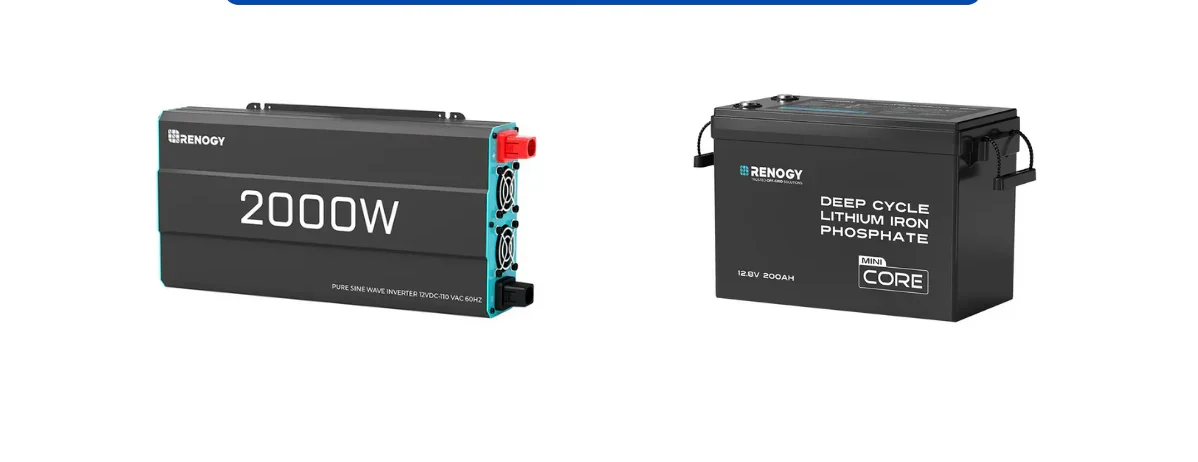
- Talk to your installer about adding a home battery. Storing your own power and using it at night is the most direct way to fix the timing problem that drives most high bills.
Does Adding a Battery Actually Fix the Problem?
For most homeowners dealing with high bills despite having solar, yes. A home battery stores the power your panels generate during the day. Instead of sending that energy to the grid for 3 to 5 cents per kilowatt-hour, you keep it. Then at night, when grid rates are highest, you use your stored power instead of buying from the utility.
Every kilowatt-hour you use from a battery saves you the full retail cost of electricity at that moment. In many states that runs from 25 to 40 cents per kilowatt-hour during evening peak hours. That is a completely different financial equation than selling power cheap and buying it back expensive.
Popular home battery options in 2026 include the Tesla Powerwall, Enphase IQ Battery, and Franklin WH series. Pairing any of these with your existing solar system shifts the economics significantly in your favor, especially in states where net metering credits have been reduced.
Your Bill Is High Because the Rules Around Solar Changed
Solar panels still work. The technology is solid and the sun still rises every morning. What changed is everything built around the panels: billing structures, net metering policies, time-of-use rate designs, and rising fixed charges. Your system is doing its job. The financial environment it operates in is different from what you were shown at the kitchen table.
Your electric bill is high with solar panels not because solar failed you, but because the rules were rewritten after you signed the contract. Understanding that gives you something concrete to act on. Clean the panels, track your production numbers, shift your energy habits to daytime hours, and take a serious look at battery storage. Every one of those steps puts money back in your pocket.
Summary
Your electric bill stays high with solar panels because of undersized systems, net metering cuts, time-of-use pricing, and fixed utility charges that solar cannot reduce. Panels produce power during the day when nobody is home, and you buy expensive electricity at night. Rules changed in 2026 across many states, cutting what utilities pay for exported solar. Dirty panels and shading silently cut your output too. Shifting energy use to daytime hours and adding a home battery fixes most of these problems directly.