Table of Contents
Solar energy pros and cons are something worth sitting with before you spend a significant amount of money. And right now in 2026, more people are making this decision than ever before. Electricity costs have climbed steadily across most of the US, UK, and Australia. The grid has had reliability issues that nobody expected five years ago. So people are looking at solar not as some eco-luxury but as a practical financial decision. Which is exactly the right way to look at it.
But there is a lot of noise out there. Installers want to sell you a system. Energy companies want you to stay dependent on them. Most articles give you a tidy balanced list that reads like a school project. This one will not do that.
This is something we cover in detail in our guide on 10 Disadvantages of Solar Energy Every Homeowner Should Know in 2026
What Solar Actually Gets Right
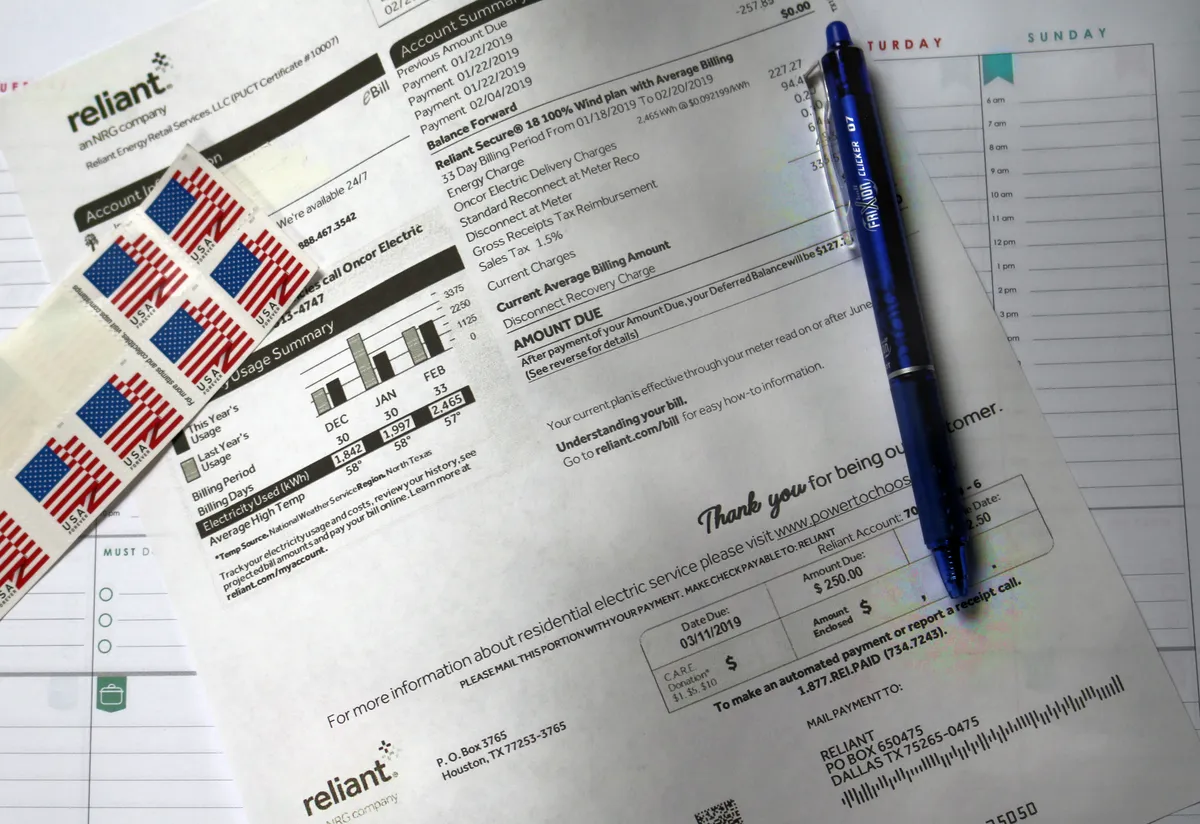
Your Electricity Bill Goes Down and Stays Down
This is the real reason most people go solar. Not the environment, not energy independence, the bill. And the drop is genuine. Most homeowners with a properly sized photovoltaic system cut their electricity costs by 50 to 90 percent within the first year. Some households with efficient appliances and a larger system installation get to near zero. Over a 25-year system lifespan, total savings for an average household often exceed $25,000 to $30,000 depending on local utility rates.
What makes this different from other home investments is that the savings do not stop. Every month your panels produce electricity is a month you are not paying full rate to a utility company that raises prices whenever it feels like it. The financial math gets better over time, not worse.
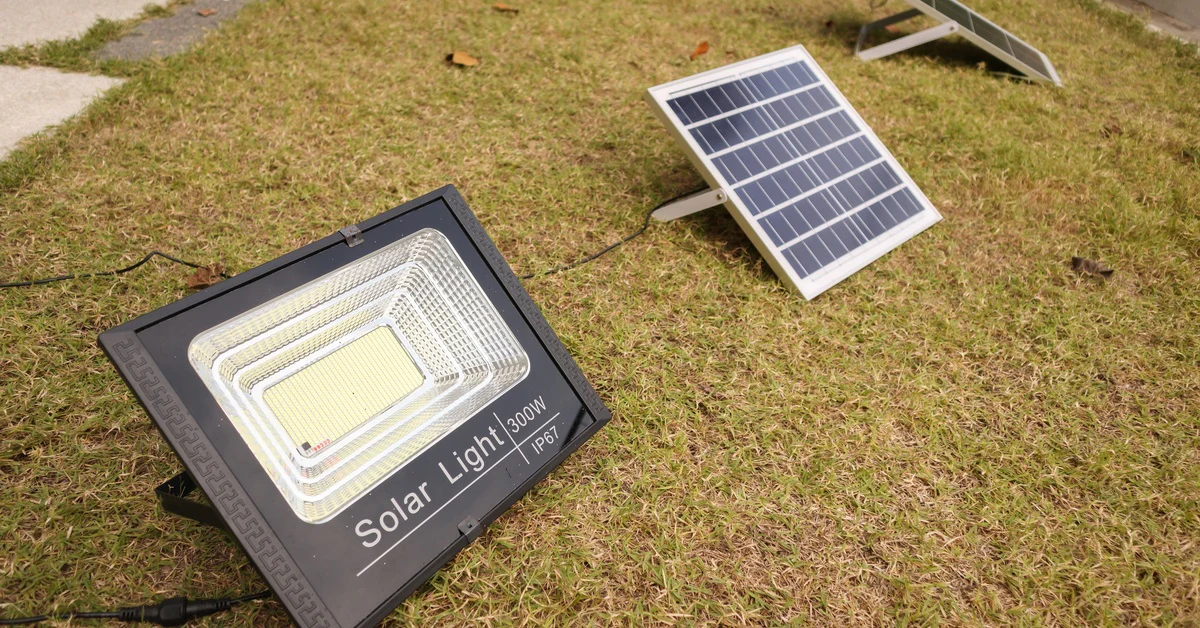
This is something we cover in detail in our guide on do solar lights need direct sunlight.
Grid Independence Is Worth More Than People Admit
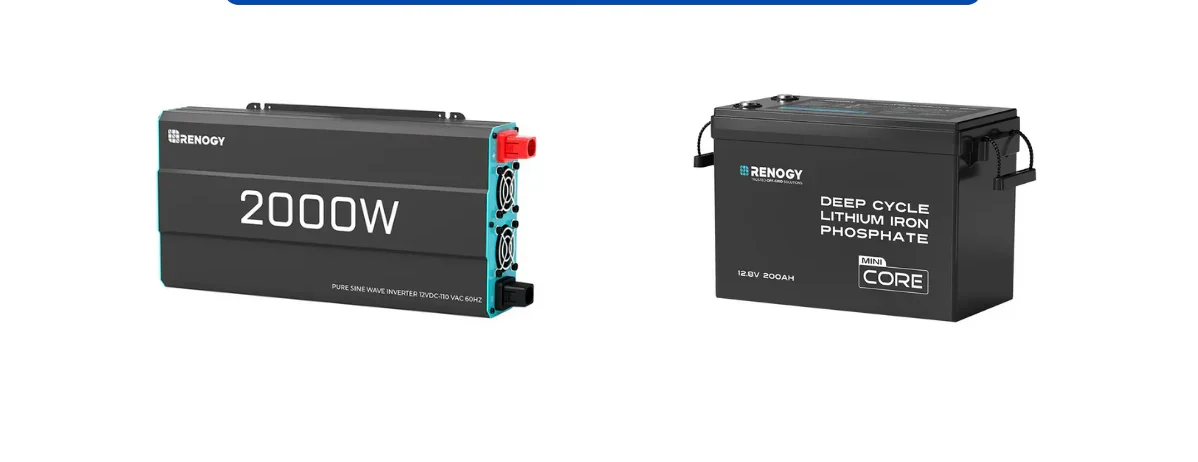
Utility companies are not your friends. They raise rates. They have outages. They operate aging infrastructure held together with decades-old equipment in many regions. When you combine rooftop solar with a home battery storage system like the Tesla Powerwall or the Enphase IQ Battery, you start controlling your own supply. You generate during the day. You store for the night. When your street loses power, your house keeps running.
For people in regions where blackouts happen seasonally, or where electricity pricing spikes during summer and winter peaks, this is not a small thing. It changes your relationship with energy completely. You stop being a passive consumer waiting for a bill and start being someone who actually manages their own power.
This is something we cover in detail in our guide on Top Solar Companies 2026
Clean Energy Without the Lecture
Solar panels produce electricity from sunlight. Nothing burns. Nothing gets released into the atmosphere during operation. Your carbon footprint, meaning the total greenhouse gas output tied to your household, drops in a direct and measurable way. Not in a vague aspirational sense. In a documented, quantifiable sense.
This matters more in 2026 than it did five years ago. Governments are tightening clean energy regulations. Carbon pricing is expanding. The cost of staying fossil-fuel dependent is rising not just in your electricity bill but in broader economic ways. Switching to solar positions your household ahead of where policy and pricing are clearly heading.
Almost Zero Maintenance
There are no moving parts in a standard rooftop solar system. Nothing to oil. Nothing to adjust monthly. You rinse dust and bird droppings off the panels a couple times a year. Quality panels from manufacturers like SunPower, REC Group, and Canadian Solar carry 25-year performance warranties. The inverter gets replaced once around the 10 to 15 year mark. That is it. The system runs quietly every single day without asking for your time or attention.
Your Home Value Increases
Homes with solar sell for more. Real estate data across North American and European markets puts the added value between 3% and 4% of total home price. On a $400,000 property that is $12,000 to $16,000 extra when you sell. Buyers see a solar system as a built-in financial asset. They are buying lower electricity costs along with the house. In competitive markets that difference closes deals.
Where Solar Falls Short
The Upfront Cost Is a Real Problem
A standard residential installation in the United States runs $15,000 to $30,000 before incentives. The federal solar investment tax credit currently covers 30% of that. But you still need to manage the remaining cost somehow. Solar loans carry interest. Lease agreements lower your upfront spend but reduce your long-term savings because you do not own the system. The payback period sits between 6 and 12 years for most households.
That is a long horizon. Some people are comfortable with it. A lot of people are not in a financial position to think that far ahead, and no article should pretend otherwise.
Where You Live Determines a Lot
A solar system in Phoenix and a solar system in Seattle are not the same investment. The amount of usable sunlight your panels receive directly controls how much electricity they produce. In low-sun regions with heavy cloud cover and long winters, your annual output drops and your payback period stretches. Solar still works in those areas. The numbers just look different. Before signing anything, ask your installer for solar irradiance data specific to your address. Not regional averages. Your actual address. If they cannot provide that, walk away.
Night Is Still a Gap Without Storage
Panels stop producing when the sun goes down. Without battery storage you are back on the grid at night, same as always. The Tesla Powerwall costs around $9,000 to $11,000 installed. Most homes need more than one unit to cover overnight usage comfortably. That adds a large chunk to an already significant project cost. Battery prices are coming down but slowly. Right now, full overnight independence through storage is out of reach for many households financially. This is a real limitation and worth factoring into your total cost calculation from the start.
Your Roof May Not Work
Old roofs that need replacing within five years should get that work done before panels go up. Removing and reinstalling panels for a roof replacement adds labor costs that hurt your savings. Heavily shaded roofs, north-facing roofs, and unusual roofing materials like slate or cedar shake create complications. South-facing roofs at the right pitch produce the best output. East and west-facing roofs work but less efficiently. Your roof situation needs an honest assessment from your installer before you commit to anything.
Manufacturing and Disposal Are Unfinished Business
Panels run clean during operation. Making them does not. Production requires energy-intensive processes and raw materials including silicon and silver. That carries a carbon cost upfront. And when panels reach the end of their operating life after 25 to 30 years, most countries still lack proper recycling infrastructure for them. Many decommissioned panels end up in landfill. The industry is working on this. Progress is happening. But the problem is not solved yet and you deserve to know it exists before you make this investment.
So What Do You Actually Do With This
If you own your home, live somewhere with reasonable sunlight, plan to stay for at least a decade, and have a way to handle the upfront cost, solar makes solid financial and practical sense in 2026. The electricity savings are real. The property value increase is real. The grid independence is real.
If you rent, expect to move soon, or live somewhere with consistently poor sunlight, the investment does not pay off fast enough to make sense right now. Community solar programs and green energy tariffs through your utility provider give you access to renewable electricity without the full installation commitment. Those are worth exploring if full rooftop solar does not fit your situation.
Solar is not a perfect product. It is a good product for the right situation.
Summary
Solar energy pros and cons in 2026 go beyond a clean list. Benefits include lower electricity bills, grid independence, clean energy, minimal maintenance, and higher home value. Drawbacks include high upfront costs, location-dependent output, expensive battery storage, roof limitations, and unresolved manufacturing and disposal issues. Your location, budget, and how long you stay in your home determine whether solar genuinely works for you.