Table of Contents
Should solar lights stay on all night? I wondered the same thing when I first got solar lights for my walkway. The first few nights they glowed bright until around 2 AM, then nothing. I thought I got ripped off. Turns out I had no idea how solar lights actually work.
Most people expect their solar lights to burn from dusk until dawn every single night. Sometimes they do. Sometimes they don’t. Whether your lights should stay on all night depends on a bunch of factors you probably haven’t thought about yet.
How Long Solar Lights Actually Run
Solar lights don’t all run the same length of time. Some stay lit for 4 hours. Some make it 12 hours. The cheap ones I bought at a hardware store barely made it 3 hours before dying out.
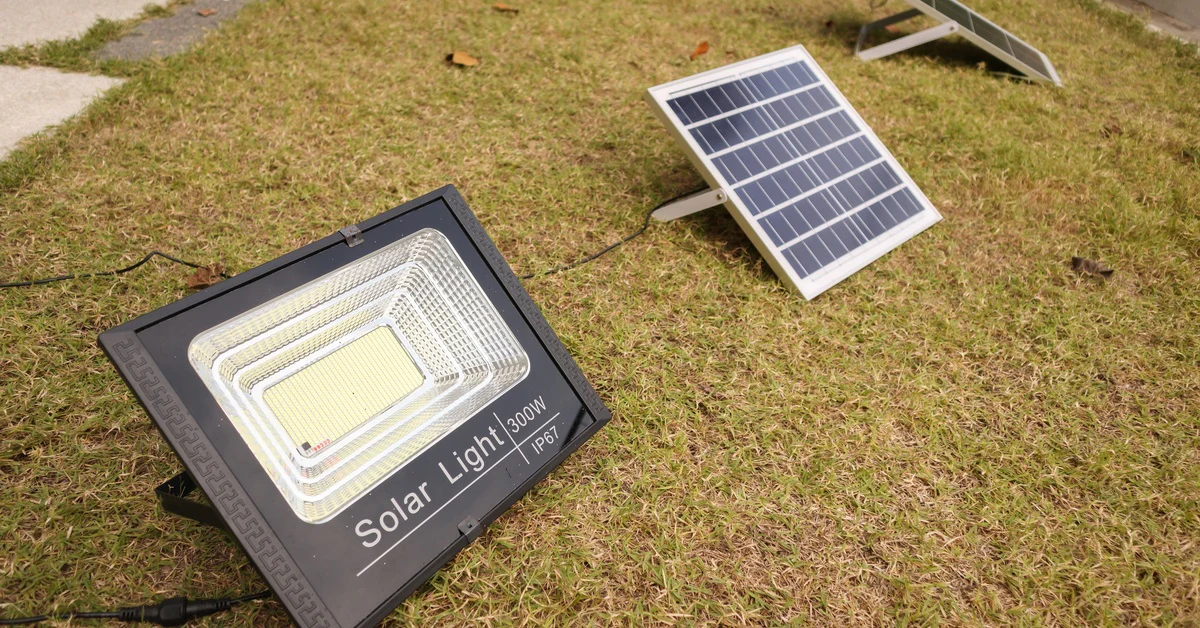
Runtime depends on three main things. The size of the battery inside the light. How much charge the battery got that day. How bright the LED bulb burns.
A light with a tiny battery and a bright bulb drains fast. A light with a bigger battery and a dimmer bulb lasts longer. Simple math. You use up stored energy faster when you burn brighter.
Most decent solar lights run between 6 and 10 hours on a full charge. That’s enough to cover the typical night in most places. But getting a full charge is where things get complicated.
What Affects How Long Solar Lights Stay On
Here’s where it gets real. Your lights don’t charge the same amount every day.
Sunny day in June? Full charge. Your lights run all night no problem. Cloudy day in December? Weak charge. Your lights quit by midnight.
Weather makes a huge difference. I live in a place where we get stretches of cloudy weather in winter. My solar lights struggle during those weeks. They turn on at dusk looking normal, then fade out by 10 PM. Once the sun comes back, they’re fine again.
Placement matters just as much. I moved one light from under a tree to an open spot and gained three hours of runtime. Same light, same battery. Just better sun exposure during the day.
Dirty panels kill performance. Last spring I noticed my lights dying early every night. Checked the panels and they were covered in pollen and dust. Wiped them down and boom, back to normal. Takes two minutes but most people never do it.
Battery age is the sneaky one. Batteries wear out over time. A light that used to run 8 hours might only make it 4 hours after two years. The battery is dying, not the light itself.
Should Solar Lights Stay On All Night?
It depends what you need them for.
Security lights near your door? Yeah, you want those staying on all night. Someone checking your house at 3 AM needs to see that light on.
Decorative lights around a garden bed? Those don’t need to burn until sunrise. They look nice for the evening hours when you’re outside. After midnight nobody’s looking at your petunias anyway.
Pathway lights? Depends on your household. If people come home late or leave early for work, you need lights running through the night. If everyone’s home by 9 PM and nobody leaves before dawn, shorter runtime works fine.
I use different types of lights for different spots. The ones by my front door have bigger batteries and stay on until morning. The ones along the fence are just for looks, so I don’t care if they shut off at midnight.
How to Make Solar Lights Last All Night
You want your lights running until sunrise? Here’s what works.
Buy lights designed for long runtime. Check the specs before buying. Look for batteries rated at least 600mAh or higher. Anything smaller won’t make it through a full night unless the bulb is super dim.
Put them where they get maximum sun. I know this sounds obvious but people mess it up constantly. They put lights in spots that look good but get terrible sun exposure. Form follows function. Find the sunny spots first, then figure out where the lights go.
Clean the panels regularly. I keep a rag near my back door and wipe panels down every couple weeks. Takes five minutes for all my lights. Makes a massive difference in how long they run.
Replace old batteries on schedule. Most solar light batteries last two to three years. After that, performance drops hard. New batteries cost a few bucks. Way cheaper than buying new lights.
Adjust your expectations in winter. Short days mean less charging time. Weaker sun means slower charging. Your lights won’t perform the same in January as they do in July. That’s normal. Not a defect.
I learned this after getting mad at my lights every winter. Once I accepted they’d run shorter in cold months, I stopped stressing about it.
Lights with Auto Shutoff Features
Some newer solar lights have settings where they dim or shut off after a certain time. I thought this was a ripoff feature when I first saw it. Why would I want lights that turn themselves off?
Turns out it’s pretty smart. The light burns bright for the first few hours when you actually use your outdoor space. Then it either dims way down or shuts off completely to save battery. This extends the functional hours when you need them.
I have motion sensor solar lights by my garage. They stay dim all night, then blast full brightness when they detect movement. The battery lasts forever because they’re not burning full power nonstop.
For decorative lights, auto shutoff makes less sense. But for functional lighting, it’s a good feature.
Common Problems That Stop Lights from Staying On
The battery tab is still in. New lights come with a plastic tab protecting the battery. Pull it out. I watched my neighbor complain about dead lights for a week before I noticed she never removed the tab.
The sensor is confused. Solar lights have sensors that detect darkness. Put them near a porch light or street lamp and the sensor thinks it’s daytime. The light never turns on. Move it away from other light sources.
The panel is in permanent shade. Sounds dumb but it happens. People put lights in spots that look sunny at noon but are shaded the rest of the day. The panel gets maybe an hour of weak light. Not enough to charge properly.
The battery is dead. Batteries don’t last forever. If your lights used to run all night and now quit after two hours, replace the battery. Simple fix most people never try.
You bought cheap lights. Some solar lights are garbage. Tiny panels, weak batteries, poor construction. They never work well even when new. You get what you pay for sometimes.
Do You Need Lights On All Night Anyway?
Here’s a question nobody asks. Do you actually need your solar lights burning until dawn?
Think about when you use your outdoor spaces. Most people are inside by 10 or 11 PM. Unless you work night shifts or have teenagers coming home at odd hours, you probably don’t need lights running past midnight.
I used to stress about my garden lights shutting off early. Then I realized nobody was outside looking at them after 10 PM anyway. Now I don’t care. They look nice during the evening. That’s enough.
For security purposes, yeah, all night coverage matters. Motion sensor lights solve this better than constant light anyway. They save battery and only light up when needed.
Winter Performance Reality Check
Winter is rough on solar lights. Short days. Weak sun. Cold temperatures that slow battery performance.
In December where I live, the sun sets around 5 PM and rises around 7 AM. That’s 14 hours of darkness. Even with perfect charging conditions, most solar lights struggle to run 14 hours straight.
Add in cloudy weather and cold temps? Forget it. My lights run maybe 5 or 6 hours on a good winter night.
I used to think my lights were broken every winter. They’re not. They’re doing exactly what they’re designed to do with limited charging time. Once I understood this, I stopped expecting summer performance in winter conditions.
Some people bring their solar lights inside during winter. Store them until spring. I think that’s overkill unless you live somewhere with brutal winters and the lights genuinely don’t work at all.
What Good Solar Lights Should Do
A quality solar light with good placement and a healthy battery should run 8 to 10 hours on a full charge during spring and summer. That covers most nights.
In fall and winter, expect 5 to 7 hours. Still useful. Just shorter.
If your lights quit after 2 or 3 hours during good weather, something’s wrong. Check placement, clean the panel, or replace the battery.
If they run all night every night year round? You got lucky with good lights in perfect spots. That’s the exception, not the rule.
Wrapping This Up
Should solar lights stay on all night? Ideally yes, but reality is messier. Good lights in sunny spots with clean panels and healthy batteries will run most of the night. Cheap lights in shady spots with old batteries won’t.
Figure out what you actually need from your lights. Security? Go for models with bigger batteries or motion sensors. Decoration? Shorter runtime probably works fine.
Clean your panels. Replace batteries when they wear out. Put lights where they get good sun. Do these things and you’ll get the best performance your lights are capable of delivering. Sometimes that’s all night. Sometimes it’s not. Either way, you’ll know what to expect.
Summary
Should solar lights stay on all night? It depends on battery size, daily charge, and your needs. Quality lights run 8 to 10 hours in summer, less in winter. Runtime depends on sun exposure, clean panels, battery health, and placement. Security lights need all-night coverage. Decorative lights don’t. Understanding solar light limitations and maintaining them properly gets you the best performance possible year round.