Table of Contents
A patio umbrella with solar lights sounds like an easy win. Shade during the day. Soft light after the sun goes down. One product, two jobs.
Several models later, from cheap imports to premium builds, the picture got more complicated. The idea itself holds up fine. What separates a good umbrella from a frustrating one is build quality, plain and simple. Some units ran three seasons without a hiccup. Others started dimming, rusting, or refusing to charge within months.
This breaks down what held up, what didn’t, and what to check before you buy one.
What Is a Solar-Powered Patio Umbrella
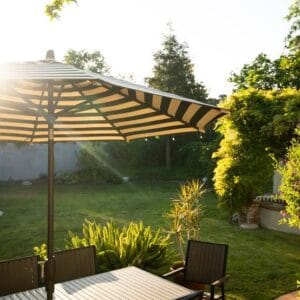
Picture a normal patio umbrella. Now add a thin photovoltaic panel bolted to the top of the canopy, quietly pulling in sunlight all day. This is the whole trick. The panel feeds a rechargeable battery tucked inside the pole, and when the sun drops, the stored charge lights up LED strips running along the ribs. No cords. No outlets. No timer to set.
Four parts make the system work: the panel, the battery, the LEDs, and a small controller with a light sensor deciding when to switch on.
Price tells part of the story too. A plain umbrella runs fifty to seventy dollars. Add solar lighting and you’re looking at a hundred dollars minimum, climbing past three hundred for aluminum frames and lithium batteries. Whether the jump makes sense depends entirely on how much you use your patio after dark.
How Solar Umbrella Lights Work

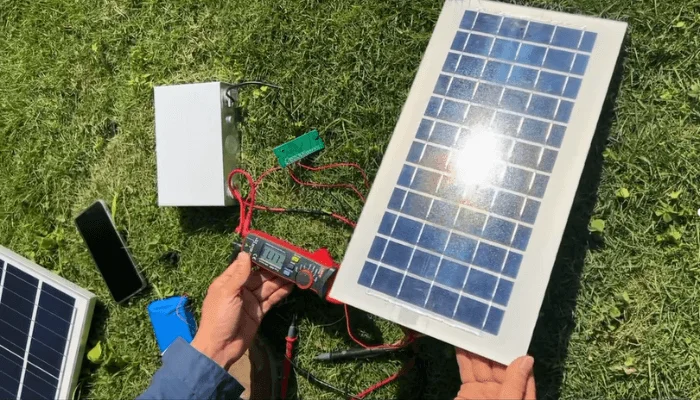
The panel does the heavy lifting during daylight hours, converting sunlight into a small trickle of electricity. Not much, but enough. Older umbrellas store it in NiMH batteries. Newer ones lean on lithium-ion, which holds a charge longer and doesn’t degrade as fast.
Once it gets dark, a sensor picks up the change and flips the switch. LEDs sip power slowly, so even a modest battery carries the umbrella through several hours of evening light.
Sun exposure matters more than anything else. A clear day banks four to seven hours of runtime. String together a few overcast afternoons and the number drops fast, because the battery never tops off. Pollen and dust on the panel do the same thing quietly, cutting the charge without anyone noticing until the lights start fading early.
Don’t expect floodlight brightness. This is ambient lighting, the kind meant for dinner conversations, not backyard security. Adjust your expectations early, and the whole thing feels a lot more satisfying.
What Worked Well
The light itself surprised me. No harsh glare, no washed-out patio. A warm pool of light around the table, enough to see faces clearly without squinting.
Automation turned out to matter more than expected. Nobody wants to remember flipping a switch every evening, and this umbrella never asked anyone to. Charge during the day, glow at night, repeat.
Setup took about fifteen minutes on the better-built models. Pole in, base secured, canopy open. Done. And because the lighting lives inside the umbrella itself, there’s nothing else cluttering the patio. No cords snaking across the pavers.
The sturdier models handled rain better than I expected too. Aluminum frames shrugged off repeated storms without a spot of rust. Panels rated IP65 kept working even after downpours. LEDs needed zero upkeep across the whole test period, no bulbs, no replacements. Solution-dyed fabric on premium umbrellas held its color much longer than I’d have guessed, and the crank mechanisms stayed smooth long after cheaper ones would have started sticking.
What Did Not Work
Battery life was the real letdown. Six hours of light in week one turned into three hours by month three on several entry-level models, a steep drop tracing straight back to the NiMH batteries most budget umbrellas ship with. They lose capacity fast. Getting a replacement battery in, unfortunately, isn’t always simple either.
Brightness fades unevenly too. The first hour looks great. By hour four, you’re squinting at your plate.
The flat mounting angle doesn’t help. A panel lying parallel to the canopy rarely catches direct sun for long, so charging depends heavily on the weather cooperating. A run of cloudy days leaves the battery half-charged at best.
Cheaper builds showed their age fast. Loose fabric, stiff cranks, surface rust, all within the first season on some units. And when something electrical does fail, tracking down the right replacement part gets frustrating quickly. A torn canopy is easy to fix. A dead charging board sourced from a discontinued listing is not.
Wind is another quiet problem. The solar panel adds weight up top and shifts the balance. Strong gusts become a real risk to the ribs.
None of this points to a flawed concept. It points to corners cut in manufacturing.
Common Problems and Troubleshooting

Most issues aren’t fatal. A dead-looking umbrella usually needs attention, not replacement.
Lights not turning on at all? Check the battery terminals first. Corrosion builds up there more often than people expect, especially after a wet season, and it blocks the connection completely. A cotton swab and a dab of white vinegar usually clears it right up.
Dim or fading lights point somewhere else: a dirty panel. Dust and pollen block more sunlight than you’d think. Wipe it down with a damp cloth and charging often bounces right back.
Lights coming on during the day is almost always a sensor problem, dirt tricking it into thinking dusk has arrived. Clean it off. If cleaning doesn’t fix it, the sensor itself has likely failed.
Keep this in the back of your mind: clean the panel every few weeks, check for corrosion, swap batteries once runtime drops noticeably, and bring the umbrella indoors for winter.
Battery Life and Charging Performance
This is where umbrellas separate themselves. Good models hit a full charge in six to eight hours of sun and deliver four to six hours of usable light back, brightest right after sunset and gradually softer from there. A stretch of cloudy weather knocks it down to two or three hours without warning.
Battery chemistry drives most of the difference. NiMH is cheap and reliable early on but fades noticeably after a season or two. Lithium-ion costs more upfront and simply holds up better over time.
Where you store the umbrella matters more than people realize. Freezing temperatures and moisture wreck battery life fast, so leaving one outside all winter is a mistake. A garage or shed buys real longevity. Even a thin film of dust on the panel adds up over weeks, quietly stealing runtime nobody notices until the lights go out early.
Ignore the eight-hour claims on the box. Real-world use lands closer to four to six hours on a good day.
Cost vs Value

Is the extra money worth it? Depends how you use the space.
A basic umbrella costs fifty to seventy dollars. Solar versions start near a hundred and climb toward three hundred fifty for the good stuff, aluminum frame, premium fabric, better battery. The gap feels steep on paper. It feels a lot smaller after a few weeks of not running extension cords across the yard every evening.
Materials explain most of the price difference. Thin steel poles and small batteries keep costs down but shorten the umbrella’s working life. Pay more and you typically get corrosion-resistant aluminum, fade-resistant fabric, and a battery built to survive hundreds of charge cycles.
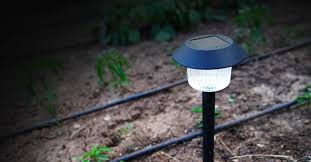
If your patio sees action twice a month, a plain umbrella with a few solar stake lights nearby usually makes more sense. Eat outside four nights a week, though, and the built-in system starts paying for itself in convenience alone.
Tips for Choosing a Reliable One

A little research before buying saves a lot of frustration later.
- Aluminum frame over painted steel. Steel rusts, aluminum doesn’t.
- Lithium-ion battery if the budget allows. It lasts longer, period.
- Easy-access battery compartment, so a swap takes minutes, not a full teardown.
- Solution-dyed canopy fabric holds color far longer than standard polyester.
- IP44 or IP65 rating on the panel, for real rain protection.
- Long-term reviews over star ratings. A one-week review won’t catch battery decline.
- Pick a brand known for keeping replacement parts in stock.
- Size to match your table: nine feet for most four-to-six seat setups, ten or eleven for anything bigger.
One more thing worth checking: where the panel sits relative to nearby trees or walls. Shade for even part of the day tanks charging performance, no matter how good the battery is.
Final Verdict
A patio umbrella with solar lights does exactly what it promises. Shade by day, soft light by night, no wires trailing across the patio.
Quality decides everything else. A well-built one keeps working for years with almost no effort. A cheap one starts disappointing you by August. If evenings on the patio are a regular thing for you, spend the extra money upfront. Aluminum frame, accessible battery, lithium-ion cells, good fabric. Those four things matter far more than the LED count printed on the box.
It won’t replace real outdoor lighting, and it isn’t meant to. What it does is make a patio feel finished, without extra clutter or extra wiring. Buy the right one, take care of it, and it earns its keep.
FAQs
Do solar umbrella lights work without direct sunlight?
Yes, but slowly. Indirect daylight still charges the battery, at a fraction of the speed. Direct sun remains the fastest route to a full evening of light.
How many hours of light do solar umbrella lights give on a full charge?
Four to six hours is realistic on most quality models. Weather and battery age both swing the number.
Can I replace the battery in a solar umbrella light?
Usually, yes. Look for models with removable battery compartments. Sealed units make this far more of a chore.
Are solar umbrella lights waterproof?
Rain-resistant, not submersible. They handle normal weather fine but shouldn’t stay open through a storm.
Why do solar umbrella lights turn on during the day?
Dirt on the sensor is the usual culprit, fooling it into thinking it’s dusk. Clean it first. A faulty controller is the next suspect if cleaning doesn’t help.
Can I add solar lights to an umbrella without them built in?
Yes. Clip-on solar LED kits work on most standard umbrellas. They won’t look quite as seamless as a built-in system, but they get the job done.
Summary
This guide breaks down months of real use with solar-powered patio umbrellas. It covers what worked, like reliable LED lighting, easy setup, and weather-resistant frames, and what didn’t, including battery decline, dimming lights, and rust on cheaper models. Expect troubleshooting tips, an honest cost breakdown, and a buying checklist for picking a solar patio umbrella built to last.