Table of Contents
How many units per day does a 3kW solar system produce in the US is honestly one of those questions that sounds simple until you start digging. You ask your installer. They give you a number. You nod. You sign the contract. Then six months later your bill is not dropping the way you expected and you start wondering what went wrong.
Nothing went wrong necessarily. You just never got the full picture upfront. And that happens to a lot of homeowners.
So let me give you the real numbers, the honest context behind those numbers, and a straightforward way to figure out whether a 3kW system actually makes sense for your specific home and location.
First, What Even Is a Unit of Electricity
A lot of homeowners throw around terms like kWh and units without being totally sure what they mean. So let me clear that up fast because everything else in this article builds on it.
One unit of electricity is one kilowatt hour. That is the same number on your monthly electricity bill. If your bill says you used 870 kWh last month, you used 870 units across 30 days. That is roughly 29 units per day for your whole house.
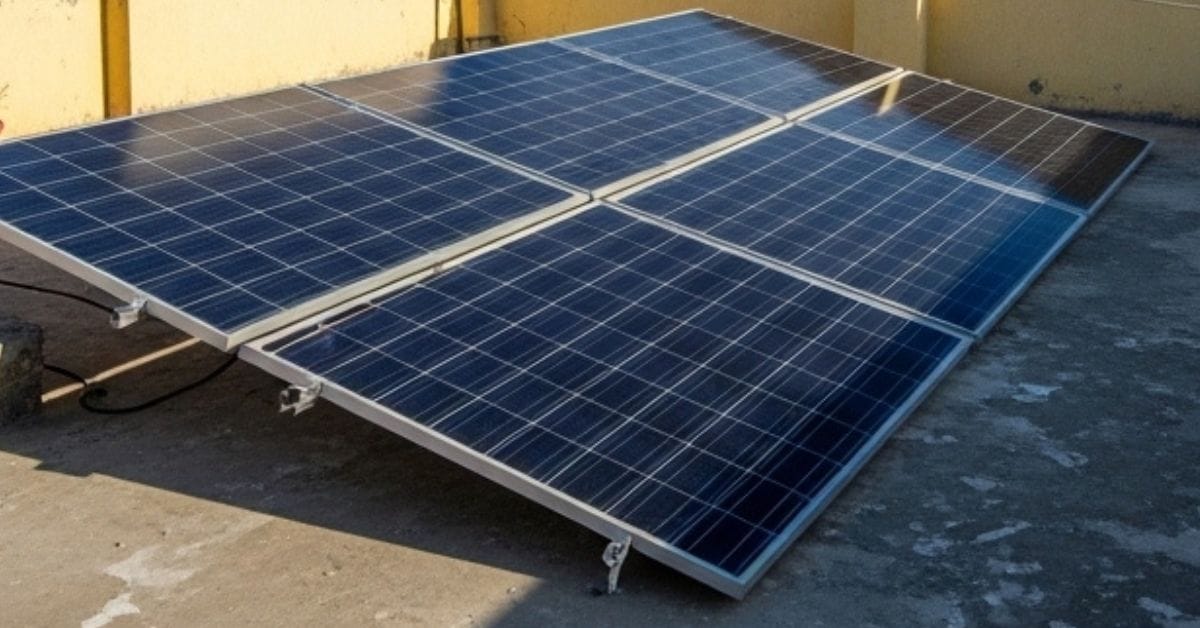
A 3kW solar system means your panels have a combined capacity of 3 kilowatts. Run that system for one hour under perfect sunlight and it produces 3 kWh. Three units. Simple enough.
The tricky part is that perfect sunlight does not last all day. The sun rises, moves across the sky, and sets. The hours when sunlight is actually strong enough to generate meaningful power from your panels are called peak sun hours. That number changes everything about what your system produces daily.
The Real Daily Output Numbers for a 3kW System
Here is what most installers will tell you. A 3kW system produces between 10 and 15 units per day. That range is real but it covers an enormous amount of variation that most salespeople gloss over.
The actual formula is straightforward. Take your system size, 3kW, and multiply it by your daily peak sun hours. Then reduce that figure by around 15 to 20 percent to account for real world losses from heat, dust, wiring, and inverter inefficiency. What is left is your realistic daily output.
In a high sun location like Phoenix Arizona, where peak sun hours average around 6 per day, a 3kW system produces roughly 15 units daily after losses. In Seattle Washington, where peak sun hours average closer to 3.5, that same system produces around 8 to 9 units on a typical day. Same system. Same panels. Completely different output just because of where you live.
That difference matters enormously when you are deciding whether a 3kW system covers your electricity needs or whether you need to go bigger.
How Output Changes Across US States
This is the part most buying guides skip over because it takes more than two sentences to explain properly. But it is genuinely the most important information you need before you commit to a system size.
Arizona, Nevada, New Mexico, Southern California
These states sit in the best solar zone in the entire country. Phoenix gets an average of 5.5 to 6.5 peak sun hours daily throughout the year. A 3kW system here produces 13 to 16 units per day on average. Summer days push that even higher. If you live in the Southwest, a 3kW system delivers serious output and pays itself back faster than almost anywhere else in the US.
Florida, Texas, Georgia
The Southeast gets strong sun with average peak hours between 4.5 and 5.5 daily. Florida homeowners see around 11 to 14 units per day from a 3kW system. Texas has seen a huge jump in solar adoption in 2026, partly because of grid reliability issues that left a lot of people looking for alternatives after recent years of outages. A 3kW system in Texas covers a meaningful chunk of daily household consumption.
Illinois, Ohio, Michigan
Midwest states land in the middle of the range. Chicago averages around 4 to 4.5 peak sun hours daily. A 3kW system there produces around 9 to 12 units per day across a full year. Winter months drop noticeably. Summer brings it back up. The annual average is solid enough to make solar worthwhile, especially with rising electricity rates in the region.
New York, Massachusetts, Pennsylvania
The Northeast gets decent sun but with serious seasonal swings. New York City averages 4 to 4.5 peak sun hours annually but January looks very different from July. Annual average output from a 3kW system sits around 9 to 12 units per day. The reason solar still makes financial sense here despite lower output is simple. Electricity rates in the Northeast are among the highest in the country. Every unit your panels produce replaces a unit you would otherwise pay a premium price for.
Washington, Oregon
The Pacific Northwest is the toughest solar market in the US. Seattle averages 3.5 to 4 peak sun hours daily and winters are genuinely difficult for solar production. A 3kW system in Seattle produces around 8 to 10 units per day on annual average. That is the honest number. It still offsets a meaningful portion of your bill but your expectations need to reflect the reality of where you live.
What Quietly Reduces Your Output Without You Realizing
This section is important because these are the factors nobody mentions during the sales process and then homeowners discover them after installation wondering why their output does not match the projection.
Your Roof Direction
South facing roofs produce the most solar energy in the United States. East or west facing roofs produce roughly 15 to 20 percent less. If your roof faces east or west and your installer quoted you south facing output numbers, your real world production will be lower than what you were told. Always ask your installer to specify which direction your panels will face and how that affects the output estimate.
Shade From Trees or Neighboring Buildings
Even a small shadow hitting one panel for part of the day affects your whole system more than you would expect. Traditional string inverter systems tie panels together so one shaded panel drags down the output of every panel connected to it. Microinverters or power optimizers solve this problem by letting each panel work independently. If your roof has any shading at all, ask your installer about these options before deciding on inverter type.
Summer Heat Actually Reduces Efficiency
This one surprises most homeowners. Solar panels produce less electricity as they get hotter. On a scorching summer day, panel efficiency drops by 10 to 25 percent compared to a cool spring morning. More sunlight hours in summer offset this loss for most locations but the efficiency reduction is real and worth knowing about. Your hottest days are not necessarily your highest output days.
Dust and Debris
A dirty panel is a less efficient panel. In dusty states like Arizona and Nevada, dust accumulation on panel surfaces reduces output noticeably over weeks and months. Rain handles cleaning naturally in wetter regions. In dry, dusty areas you need to clean panels manually every few months to keep output where it should be.
Does a 3kW System Actually Cover Your US Electricity Bill
The average American household uses around 886 kWh per month. That works out to roughly 29 to 30 units per day.
A 3kW system producing 9 to 15 units daily covers somewhere between 30 and 50 percent of that average consumption. So if you are an average household, a 3kW system cuts your bill significantly but does not eliminate it. You still pull power from the grid in evenings and on low production days.
For smaller households using 400 to 500 kWh monthly, a 3kW system covers a much larger share of daily needs and in high sun locations might get close to full coverage during summer months.
The honest answer is that a 3kW system is a strong partial offset for most American households. It is not a complete solution for high consumption homes but it is a genuinely meaningful reduction in monthly electricity costs from day one of operation.
The 30 Percent Federal Tax Credit Changes the Math Completely
In 2026, US homeowners who install solar panels qualify for a 30 percent federal Investment Tax Credit. A typical 3kW residential installation costs between 7,000 and 10,000 dollars before incentives. That 30 percent credit reduces your net cost by 2,100 to 3,000 dollars directly off your federal tax bill.
Several states add further incentives on top of that. California, New York, Massachusetts, and Texas all have state level rebates or net metering programs that improve your financial return further. Net metering lets you sell surplus energy back to the grid on high production days, which reduces your bill even on days when your system produces more than your home uses.
With these incentives, most 3kW systems in moderate to high sun locations pay themselves back within 6 to 9 years and then produce free electricity for the remaining 15 to 20 years of panel lifespan.
Brands US Homeowners Are Trusting in 2026
SunPower, Qcells, REC Group, and Enphase Energy are the names that consistently appear in positive reviews from US homeowners who have lived with their systems through multiple seasons. These brands back their panels with strong efficiency ratings and long warranties that actually mean something when you need to use them.
Get at least three installer quotes before committing. Ask each one to show you a production estimate based on your actual address and roof orientation, not a generic regional average. A good installer shows you realistic numbers. A rushed one shows you best case projections to close the sale faster.
Summary
A 3kW solar system produces between 9 and 15 units per day across most US locations after real world efficiency losses. Output varies widely by state, from 13 to 16 units daily in Arizona to 8 to 10 units in Seattle. Panel direction, shading, summer heat, dust, and inverter type all affect daily production. A 3kW system covers roughly 30 to 50 percent of average US household electricity consumption. The federal 30 percent Investment Tax Credit and state incentives make 3kW systems a strong financial decision for US homeowners in 2026.