Table of Contents
Common mistakes when installing solar lights outdoors are more widespread than most homeowners realize. You buy a good product, follow the basic instructions, fix everything in place, and then wonder why your lights are dim by 10pm or stop working after the first rainy week.
The problem is almost never the product itself. It is the installation. Small errors during setup lead to big performance problems later. And the frustrating part is that most of these mistakes are completely avoidable once you know what to look for.
This guide walks you through every major mistake homeowners make when installing outdoor solar lights, and exactly what to do instead.
This is something we cover in detail in our guide on Outdoor Solar Lights
Mistake 1: Placing the Solar Panel in the Wrong Spot
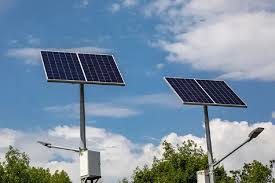
This is the single most common mistake homeowners make. You find a nice spot for your solar light, fix it to the wall or railing, and never think twice about where the panel is sitting. But if that panel spends most of the day in shade, nothing else you do will fix the performance problem.
Your solar panel needs a minimum of six hours of direct sunlight every day to fully charge the battery. Not partial sun. Not filtered light through leaves. Direct, unobstructed sunlight for at least six hours.
Before you install anything, spend one morning outside watching where sunlight actually falls on your property. Notice where the shade moves throughout the day. That fifteen minutes of observation saves you weeks of frustration later.
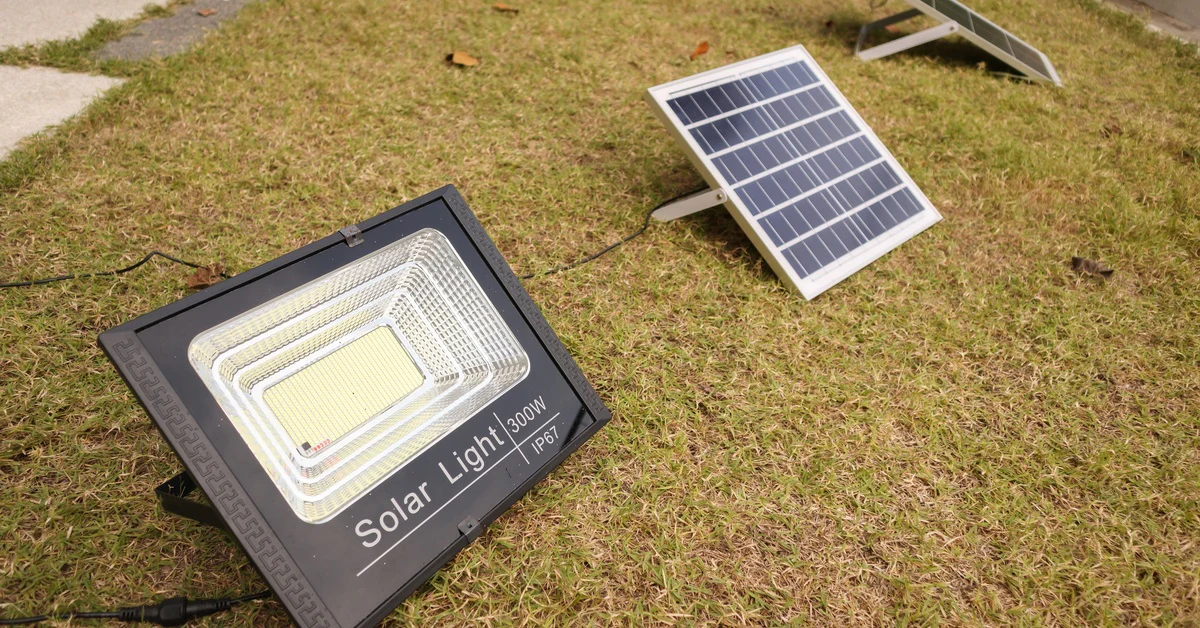
If your ideal spot for the light fixture itself sits in shade, look for solar lights that come with a separate panel on an extension wire. You position the panel in the sunniest spot available and run the wire to wherever the light needs to be. This simple feature solves one of the most common installation problems completely.
Mistake 2: Ignoring the IP Rating
A lot of homeowners buy solar lights based on brightness and price without checking the IP rating. Then the first heavy rainstorm arrives and the light stops working.
The IP rating tells you exactly how much water exposure a product handles safely. For any solar light installed outdoors, IP65 is the minimum acceptable rating. IP65 means the fixture handles rain and strong water jets from any direction without damage. IP67 means it handles brief submersion in water.
Anything below IP65 is not built for genuine outdoor use. A product rated IP44 handles splashing from a specific direction but fails under heavy rain. Installing an IP44 rated light on your veranda or garden and expecting it to survive through winter is a mistake that costs you money when the product fails early.
Always check the IP rating before you buy. If the product page does not mention an IP rating at all, treat that as a warning sign and move on.
Mistake 3: Not Cleaning the Solar Panel After Installation
Most homeowners install their solar lights and never touch the panel again. This is a mistake that quietly reduces your light performance over weeks and months without you noticing.
Dust, pollen, bird droppings, and general outdoor grime build up on the panel surface. That layer sits between your panel and the sun and reduces how much energy the panel collects each day. A panel covered in a thin layer of dust operates at significantly lower efficiency than a clean one.
Wiping the panel with a damp cloth every two to three weeks takes thirty seconds. That thirty seconds keeps your panel working at full efficiency all year round. It is one of the easiest maintenance habits you build and one of the most impactful.
After long rainy periods, give the panel a wipe even if rain has already cleaned most of the surface. Rain removes heavy dirt but sometimes leaves a thin residue behind when it dries. A quick wipe after the rain clears that residue and gets your panel back to full performance faster.
Mistake 4: Buying Cheap Without Checking Battery Type
Price is the first thing most homeowners look at when shopping for solar lights. That is understandable. But buying purely on price without checking the battery type leads to disappointing performance within months.
Cheap solar lights use low-quality batteries that drain quickly, degrade fast, and struggle in cold weather. A light that performs well in summer becomes almost useless by winter because the battery cannot hold a proper charge in lower temperatures.
Lithium-ion batteries are what you want. They charge faster, hold more energy, handle cold weather reliably, and degrade slowly over time compared to older nickel-metal hydride batteries. When you shop, check the product specifications for the battery type. If a product does not mention its battery type anywhere, that is usually because it is not worth mentioning.
A solar light with a quality lithium-ion battery costs a little more upfront. It performs consistently for two to three years before needing a battery replacement. A cheap alternative with a poor battery starts disappointing you within six months.
Mistake 5: Installing Lights at the Wrong Angle
Most homeowners mount solar lights completely flat against a wall or lay the panel horizontally. This works in some situations but causes problems in others.
A flat panel collects rainwater and lets it pool on the surface. When that water dries, it leaves mineral deposits and residue behind. Over time that residue builds into a film that reduces panel efficiency. A slight downward tilt of 10 to 15 degrees lets water run off the surface cleanly after every rain event.
Angle also affects how much direct sunlight the panel catches throughout the day. Depending on your location and the direction your home faces, tilting the panel slightly toward the strongest sun direction makes a noticeable difference in daily charging performance. This matters most during winter months when the sun sits lower in the sky and sunlight hours are shorter.
Mistake 6: Choosing the Wrong Light Type for the Space
Not every solar light suits every outdoor space. Homeowners often pick a light based on how it looks in a product photo without thinking about whether it suits the specific area being lit.
Here is a simple way to match the right light to the right space.
- String lights work best for verandas, pergolas, and seating areas where you want a warm, relaxed atmosphere.
- Wall lights work best beside doors, entryways, and steps where you need clear, directional visibility at night.
- Hanging lanterns work best in covered outdoor spaces where you want style alongside function.
- Flood lights with motion sensors work best for large open areas, driveways, and spaces where security matters more than atmosphere.
Putting a decorative hanging lantern in a spot that needs strong security lighting is a mismatch. Putting a bright flood light on a cozy veranda seating area kills the atmosphere completely. Think about what the space needs before you decide which light type to buy.
This is something we cover in detail in our guide on Best Solar Lights for Outdoor Veranda
Mistake 7: Not Replacing the Battery When Performance Drops
Solar lights do not last forever, but most of the fixture itself outlasts the battery by years. Homeowners often throw away a perfectly good solar light because it stopped performing well, when the only thing that needed replacing was the internal battery.
Rechargeable batteries in solar lights typically last two to three years with regular daily use. After that, they lose their ability to hold a full charge. Your light starts going dark earlier in the night. You assume the product is broken. You buy a new one and repeat the cycle.
Before you replace a solar light that has stopped performing well, check whether the battery is replaceable. Many solar lights allow you to open the back panel and swap the battery out for a fresh one. A replacement lithium-ion battery costs very little compared to buying an entirely new fixture. This one habit saves homeowners money repeatedly over the lifetime of their outdoor lighting setup.
Mistake 8: Skipping the First Full Charge
This mistake happens right at the start and sets up poor performance from day one. Most homeowners install their solar lights and expect them to work perfectly the first night without giving the battery a proper initial charge.
Before you use your solar lights for the first time, place them in direct sunlight for a full day, ideally two full days. This gives the battery a complete initial charge and sets it up for consistent performance going forward. Skipping this step means your lights run on a partial charge the first several nights and many homeowners mistakenly conclude the product is faulty when the light is simply underpowered from a partial first charge.
Brands That Make Installation Easier
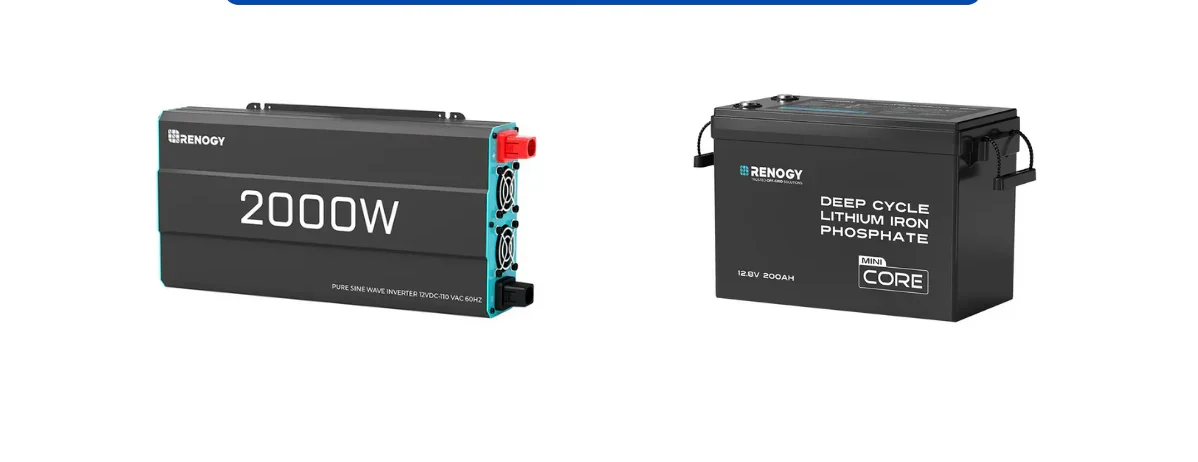
Some brands design their products with homeowners in mind, making installation straightforward and performance more consistent. Aootek, Litom, Renogy, Maggift, and Urpower all produce solar lights that include clear mounting hardware, adjustable panels, and proper IP ratings out of the box. Reading reviews from homeowners who have used these products through full seasons gives you the most honest picture of real-world performance.
Summary
Common mistakes when installing solar lights outdoors include placing the panel in shade, ignoring IP ratings, skipping panel cleaning, buying cheap batteries, and never replacing the battery when performance drops. Most solar light problems are installation problems, not product problems. Choosing the right light type for your space, angling the panel correctly, and giving the battery a full first charge before use makes a significant difference in long-term performance. Fix these mistakes early and your outdoor solar lights deliver consistent, reliable performance through every season.