Table of Contents
Nobody Thinks About This Until the Lights Go Out
There is a pattern with power outages. The lights go off, the house goes dark, and the immediate reaction is to grab a phone and use it as a torch. That works for about ten minutes before you start worrying about battery life. Then someone goes looking for the candles that have not been seen since three years ago. Then you find them but cannot find a lighter.
This is most households. Totally unprepared, every single time, even though outages are not exactly surprising events. Power cuts from storms, load shedding, grid overloads, equipment failures. They happen regularly and they keep getting worse. Research shows outages in the last decade increased by 64 percent compared to the decade before. In Pakistan alone, daily load shedding stretches for 6 to 10 hours in parts of the country. In parts of the US and UK, a single storm knocks out power for days.
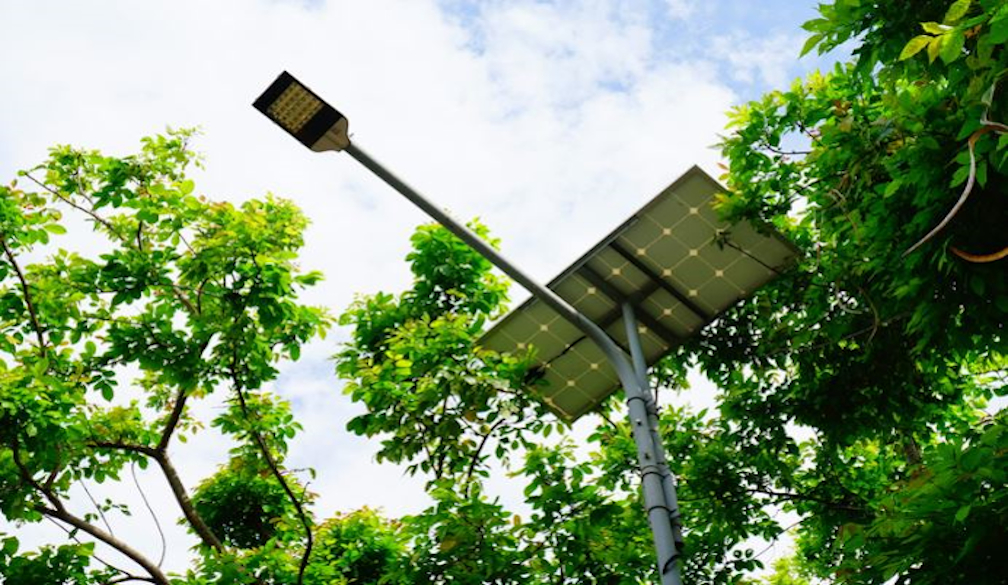
Solar lights for emergency use are not a luxury item or a camping accessory. For a household without backup lighting, they are the most practical solution available. They charge themselves during the day, turn on when it gets dark, and need absolutely nothing from the grid to do any of it.
The Types That Actually Belong in Your Home
There are several kinds of solar emergency lights. Not all of them are equally useful when things go wrong.
Solar Lanterns
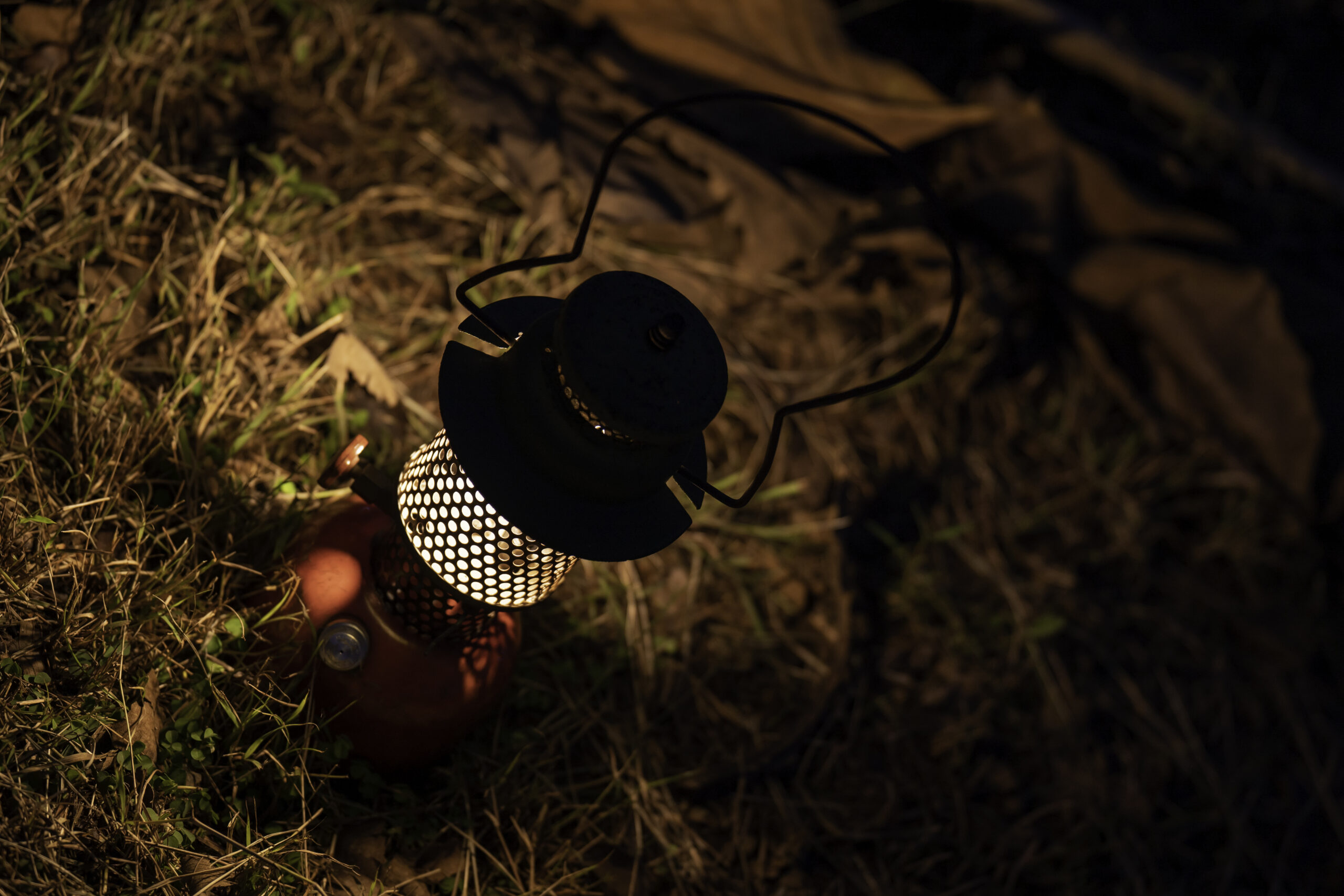
This is the one most households should start with. A solar lantern sits on a surface, hangs from a hook, or travels from room to room with whoever needs it. It spreads light in all directions around it, which is what you actually want during a blackout. A torch points a beam at one thing. A lantern lights up a room so you can move around, cook, find things, talk to people without squinting into each other’s phone screens.
Good ones run between 150 and 300 lumens, which is enough to make a bedroom or kitchen genuinely usable. They charge during the day through a built-in solar panel and most decent models run 10 to 15 hours on a full charge at medium brightness. That is a full night without touching a socket.
The collapsible versions are the most practical for home storage. They fold completely flat. You keep one in a kitchen drawer, one on a shelf in the bedroom, and you actually have them when you need them instead of discovering they are somewhere in the garage under camping gear.
Solar Lights With a USB Output Port
During a serious outage, your phone becoming dead is a bigger emergency than the darkness itself. A charged phone is how you reach family, check updates, call for help. A solar light that also charges your devices is worth significantly more in a real situation than one that only lights the room.
Look for models with a USB output port, not just a USB input for charging the light itself. Many cheap models have the input only. The output is what lets you plug your phone cable in and charge it from the light’s battery. A model with a 10,000mAh built-in battery holds enough to run the light for hours and charge a smartphone two or three times over.
This is not an optional feature for households with children, elderly family members, or anyone who relies on medical devices that need monitoring.
Fixed Wall Lights With Emergency Backup Mode
These are installed on your wall permanently. During normal times they work like any outdoor or indoor light. The moment the grid goes down, they switch automatically to their own solar-charged battery and stay on without anyone doing anything.
For hallways, staircases, and bathrooms, this type is genuinely important. A sudden blackout at 2am with children in the house and a dark staircase is where accidents happen. A fixed wall light that stays on regardless of what the grid is doing removes that risk. You install it once and it handles itself from that point forward.
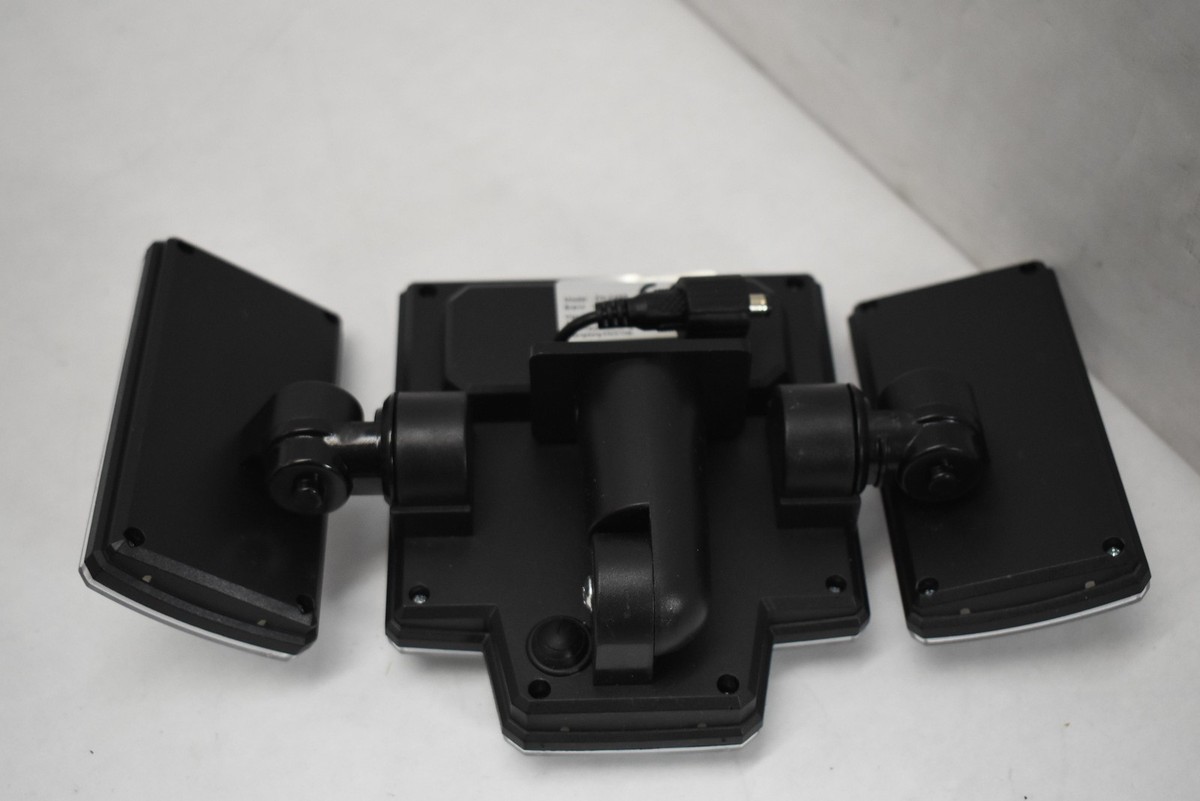
Outdoor Solar Floodlights for Security
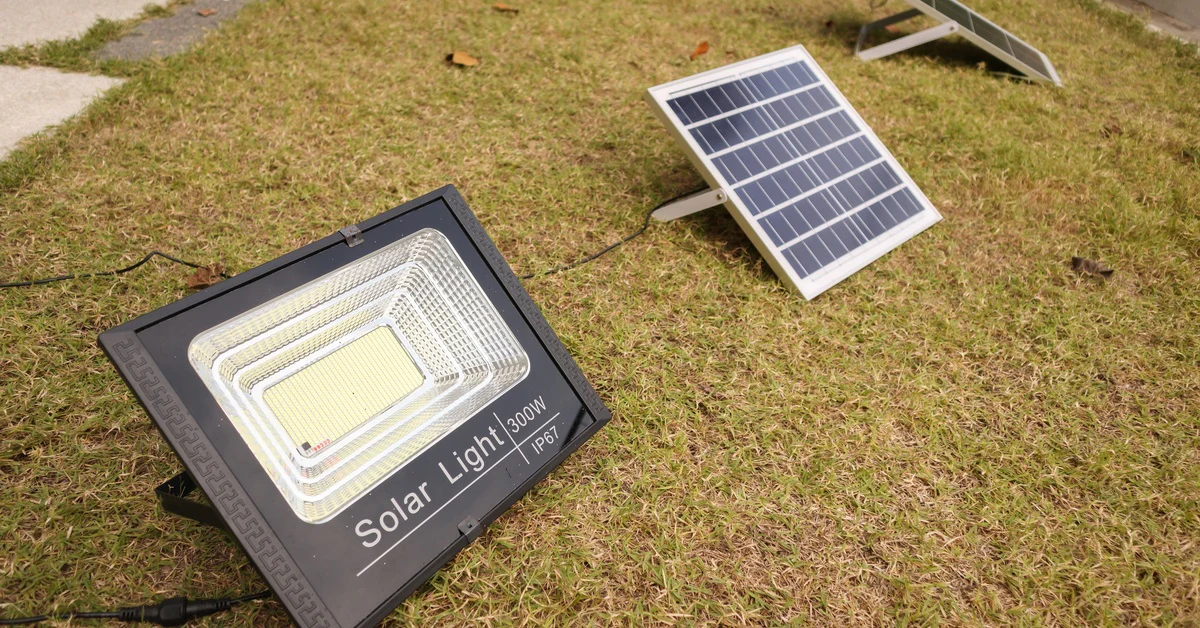
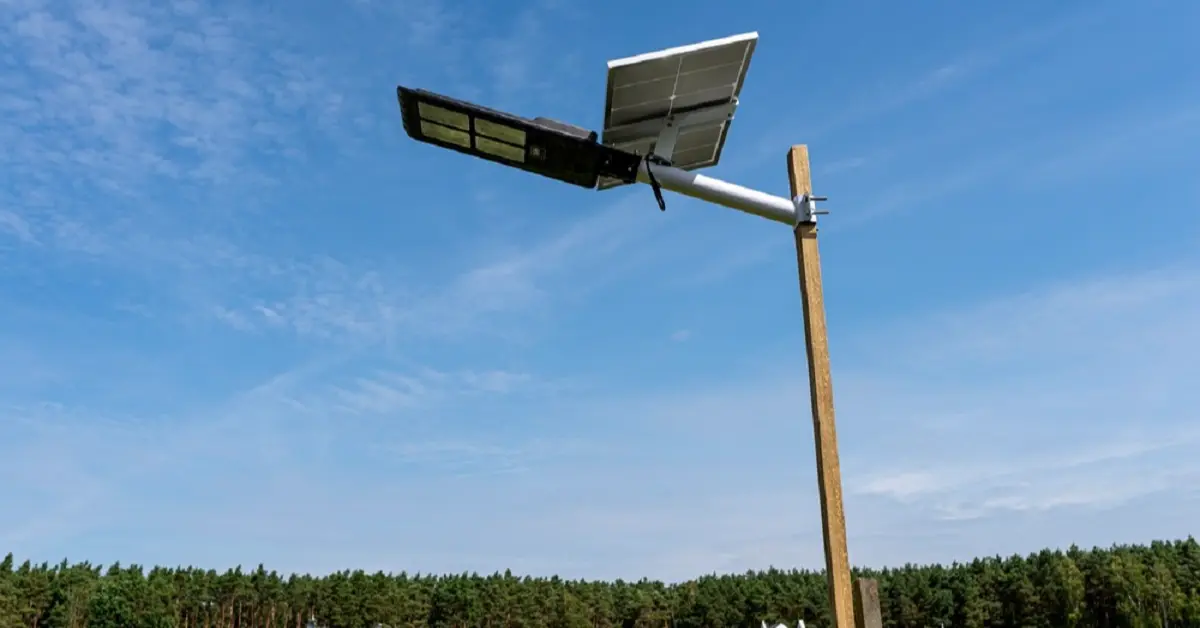
Darkness outside your home during an outage is its own problem. Street lights go down. The whole area gets darker than usual. If you have a gate, a driveway, or a back entrance, a solar security floodlight on the wall keeps working through any outage because it runs purely from its own charged battery.
Motion-activated ones are smarter for this purpose. They stay off until someone approaches, which stretches the battery significantly, then fire to full brightness immediately when triggered. For nighttime security during blackouts, this combination of motion sensing and solar independence is about as practical as outdoor lighting gets.
What Specs to Actually Read Before Buying
Most people buy solar emergency lights based on the photo and the price. Then they complain the product is useless. Here is what the numbers on the listing actually mean and which ones matter.
- Lumens: Brightness. Anything under 100 lumens looks nice on a porch but does not light a room. For actual emergency use inside a home you want 150 to 300 lumens minimum. Security floodlights should push 800 to 2,000 lumens for outdoor coverage.
- Runtime: This is the most important number. A solar emergency light that runs 4 hours is decorative. For overnight coverage you need 8 hours at medium brightness as a floor. Good models run 12 to 20 hours on low settings.
- Dual Charging: Solar panel input plus USB input. Both matters. Solar handles the daily charge. USB gives you a backup route through a power bank or car charger during a stretch of cloudy weather when solar alone is not cutting it.
- IP Rating: For anything outdoors, IP65 minimum. Outages often happen during storms. You need the light to keep working in rain without you having to bring it inside.
- Brightness Modes: High, medium, and low. This stretches battery life enormously. Full brightness when you are moving around. Low mode when you just need a small light on through the night while everyone is asleep.
How Many Do You Actually Need
One solar lantern for the whole house is not a plan. It is better than nothing, but not by as much as people think.
Think through your home practically. Kitchen needs light if anyone is going to eat or make drinks during the outage. Every bedroom needs something accessible in the dark. The hallway and stairs need a light that stays put rather than getting carried off. Bathroom needs something too.
For a standard three-bedroom home, four solar emergency lights is a realistic starting point. One lantern for the main living area. One per bedroom. One fixed backup wall light for the hallway. That covers the spaces where darkness creates actual problems. It costs nowhere near as much as most people assume and the difference during a real outage is enormous.
Where you store them matters as much as having them. Top kitchen drawer. Bedside table. Near the front door. If finding them during a blackout requires a search operation, they are in the wrong place.
The One Habit That Makes All of This Work
Solar emergency lights fail people for one reason more than any other. They are flat when the outage hits.
This entire system works on a simple daily reality. The light charges during daylight through its solar panel. If it lives in a dark cupboard all year and gets pulled out during a power cut, the battery is either completely flat or degraded from sitting uncharged for months.
Keep your solar lights somewhere with daylight access. A kitchen windowsill. Near a glass door. Outside during the day, brought in at night. Even indirect daylight charges them over time. The battery also stays healthier when it goes through regular charge cycles instead of sitting at zero for six months.
This is honestly the most important thing in this entire guide. The best solar emergency light in the world does nothing if it has not seen sunlight in three months.
What to Avoid When Buying
These mistakes come up constantly and every one of them is avoidable.
- Buying a sealed-battery model with no replacement option, then watching it hold no charge after one winter of sitting unused.
- Choosing something with no USB output port and being stuck with a dead phone during a multi-day outage.
- Buying one light for a whole house with multiple rooms, multiple family members, multiple floors.
- Ignoring runtime completely and ending up with a light that is dark before midnight.
- Storing everything in a box in a cupboard where nothing charges and nothing gets found quickly in the dark.
Solar lights for emergency use are genuinely simple and genuinely effective. The product does not fail people. The habit of keeping them charged and placed correctly does. Get that part right and the rest takes care of itself.
Summary
Power outages hit without warning and the first thing you lose is light. Solar lights for emergency situations are one of the smartest things you can keep in your home because they charge themselves during the day and need absolutely nothing from the grid. This guide covers the types that actually work during a blackout, what features matter, and how many you realistically need to get through a full night safely.