Quick Answer: Solar light warranties typically cover 1 to 2 years for budget models and 3 to 5 years for premium fixtures, protecting against manufacturing defects in the LED, solar panel, or wiring. Battery degradation, physical damage, and water exposure beyond the product’s IP rating are almost never covered, since batteries are treated as a consumable part rather than a defect.
Table of Contents
Myth: “My solar lights come with a warranty, so if they stop working, I get a free replacement, no questions asked.”
Reality: Most solar light warranties only cover manufacturing defects. They almost never cover the one part that actually dies first, the battery. That single gap is why so many people feel “scammed” by a warranty that was technically honored the whole time.
This guide breaks down exactly what solar light warranties cover, what they don’t, and how to file a claim without wasting your time.
Quick Answer
Most solar light warranties run 1 to 2 years for budget products and 3 to 5 years for premium fixtures, with high-end landscape brands offering 10 to 20 years on the housing only. Warranties typically cover manufacturing defects in the LED, solar panel, or wiring. They almost never cover battery degradation, water damage beyond the stated IP rating, or physical damage.
Key Takeaways
- Battery wear is treated as “normal use,” not a defect, so it’s rarely covered.
- IP rating matters more than the warranty document itself for water damage claims.
- Registering your product, when brands offer it, can extend coverage for free.
Types of Solar Lights and How Warranty Coverage Differs
Not all solar lights are built the same, and that changes what “covered” even means.
Solar Garden Stake and Pathway Lights
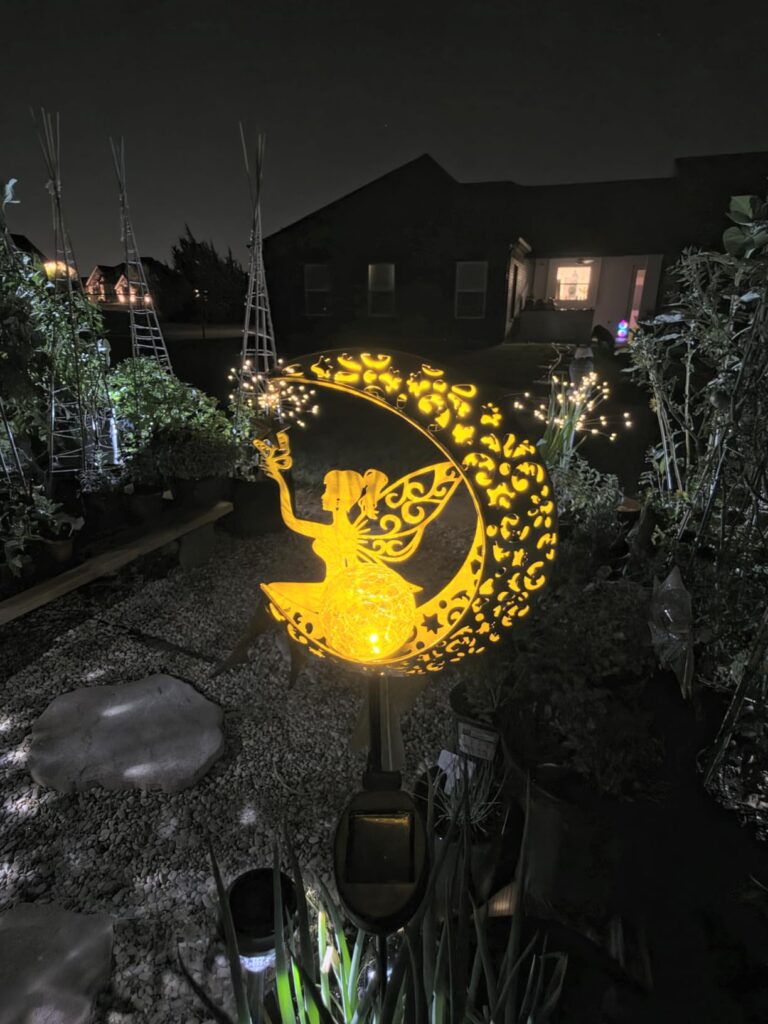
These are the cheapest and most disposable category. Expect basic 1-year coverage on defects only, with the battery excluded almost everywhere.
Solar String and Fairy Lights
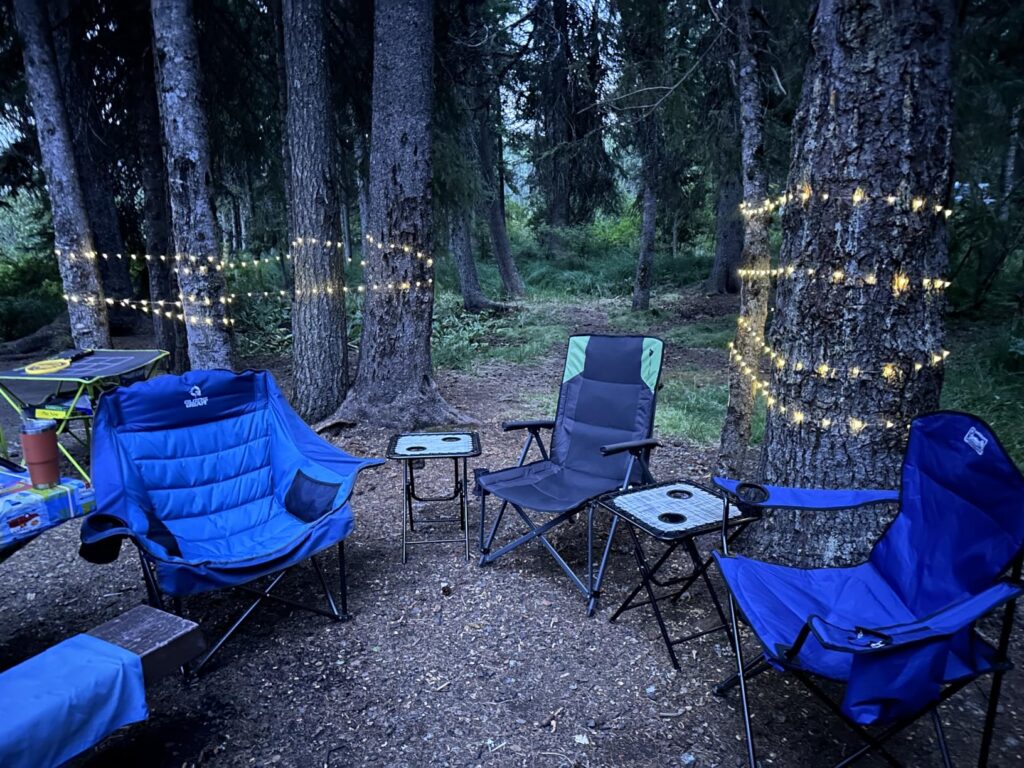
Coverage is usually short too, often 1 year. Because these run dozens of tiny bulbs on one circuit, a single failed connection can be misread as a “dead unit” when it’s actually a $2 fix.
Solar Security and Flood Lights
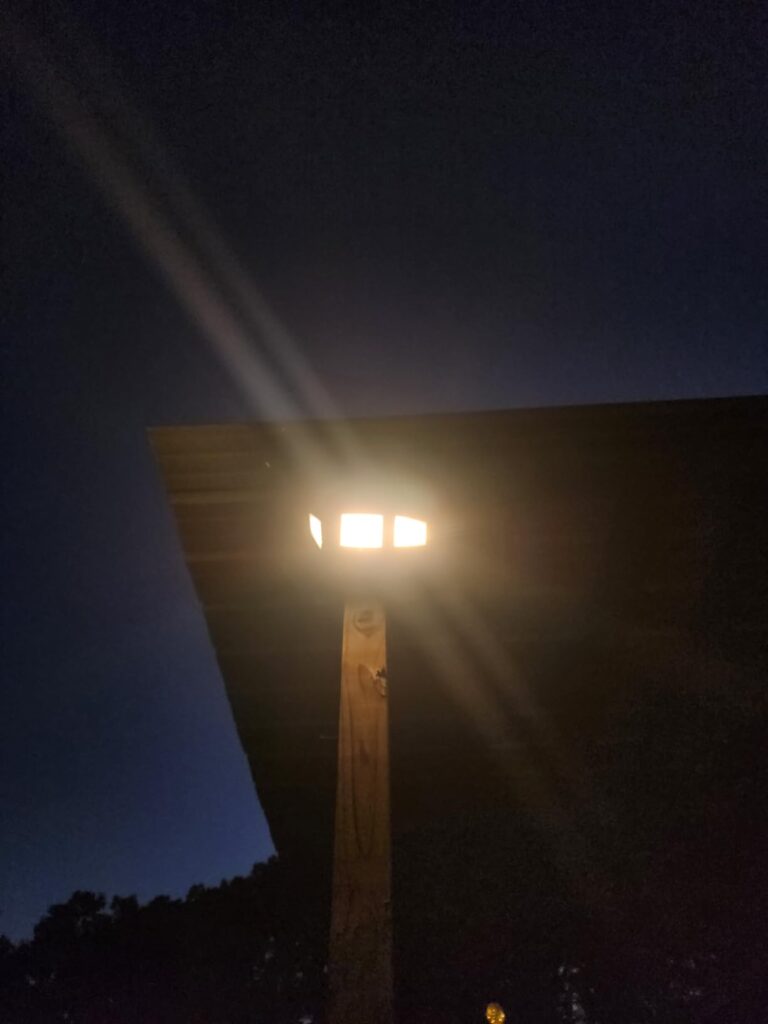
Slightly better protection here, since these products sit at a higher price point. Two to three years is common, and some brands cover the motion sensor separately from the light itself.
Solar Spotlights and Wall Lights
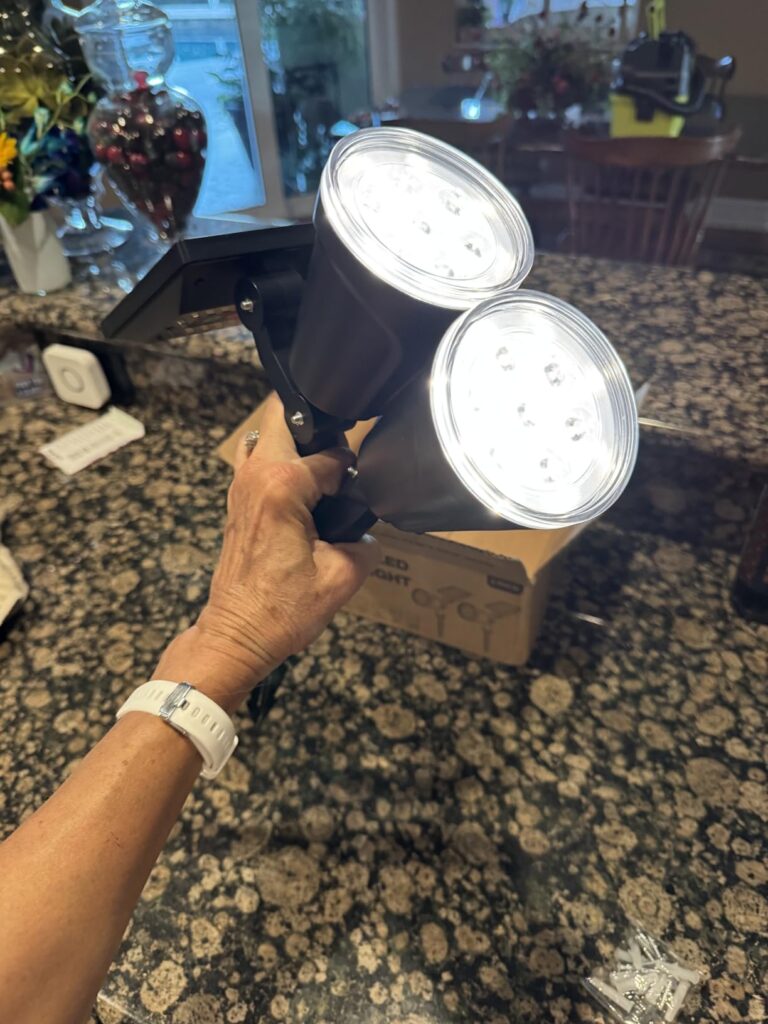
Mid-range coverage, generally 2 to 3 years, sometimes with the solar panel warrantied longer than the fixture body.
Solar Lanterns and Decorative Lights
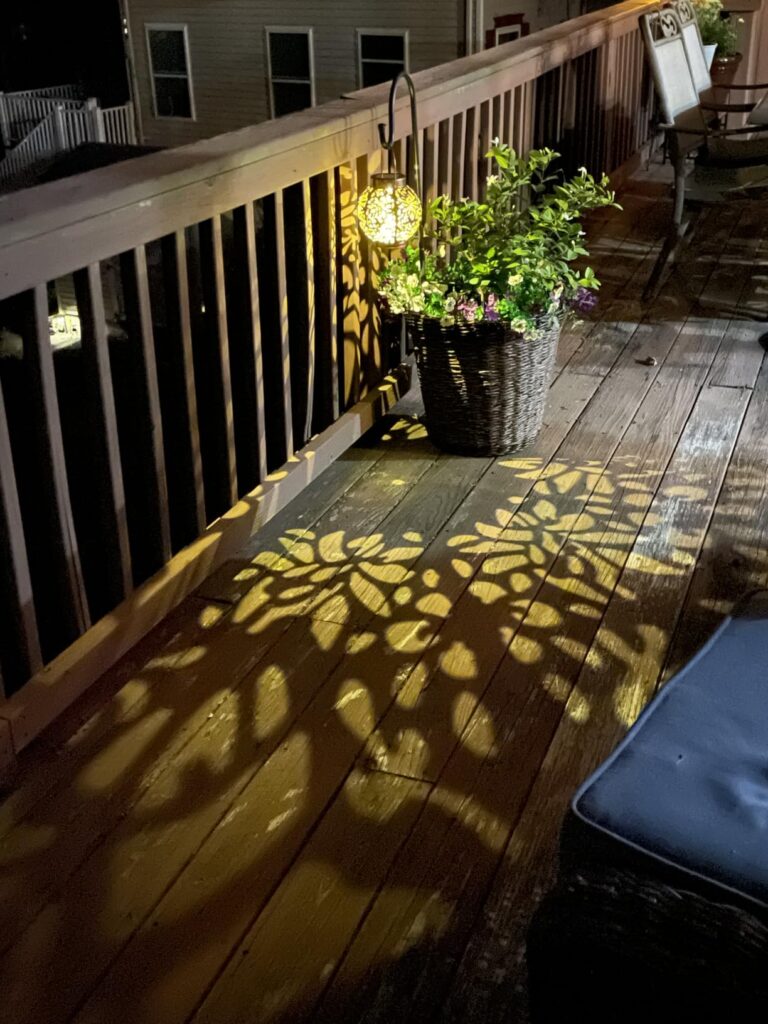
Treated more like consumer electronics, 1-year standard, occasionally extendable through product registration.
Solar Deck, Fence, and Step Lights
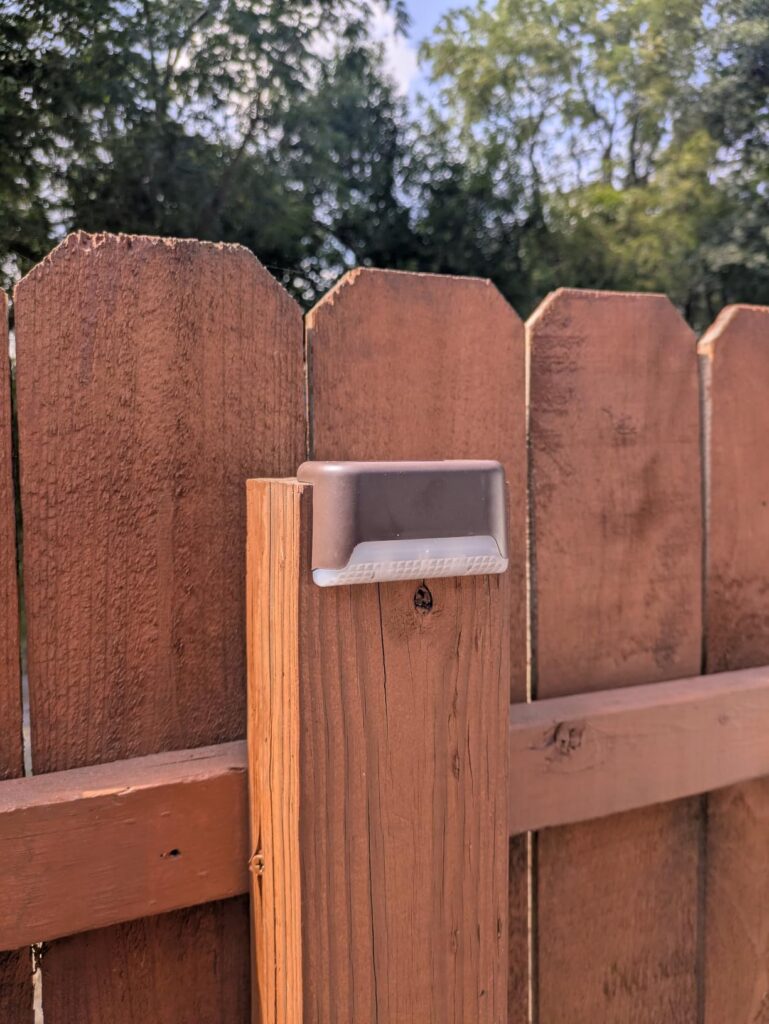
Premium landscape brands can offer 10 to 20 years on the metal housing, with LED components separately warrantied for 5 to 10 years and rated for 50,000 to 80,000 hours of use, according to industry benchmarking data.
Key Takeaways
- The more permanent the installation, the longer the warranty tends to be.
- Housing and LED components are frequently warrantied separately, so read the fine print for both numbers.
What’s Typically Covered
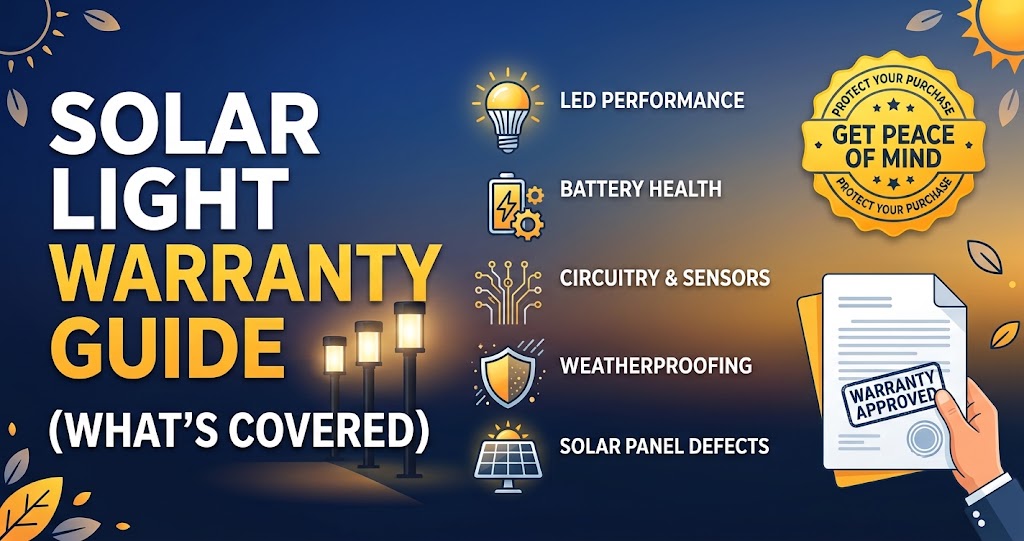
Manufacturers generally stand behind these issues during the warranty window:
- LED module defects, the bulb fails without ever performing correctly
- Solar panel manufacturing faults, panel doesn’t charge properly from day one
- Wiring or switch defects, internal short circuits, non-functioning on/off mechanism
- Water resistance failure within rated limits, if the product is IP65-rated and fails during ordinary rain exposure
This last point matters a lot, so let’s actually define it instead of hand-waving. IP65 means a fixture is fully dust-tight and can handle low-pressure water jets from any direction for at least 3 minutes, which covers normal rain and splashing. IP67 goes further, it can survive temporary submersion up to 1 meter for about 30 minutes. If your light drowns in a flooded flower bed and it’s only rated IP65, that’s outside the spec, and outside the warranty too.
What’s NOT Covered (The Part Nobody Reads)
Here’s where the myth from the intro falls apart.
Battery Degradation
This is the big one. Batteries are a consumable, not a defect, in almost every warranty policy. And they fail fast: NiMH batteries, the most common type in budget solar lights, typically last 500 to 800 charge cycles, or roughly 1 to 3 years, while Li-ion batteries stretch to 2 to 5 years, and premium LiFePO4 batteries can last 5 to 8 years. If your 18-month-old garden stake light is dim, it’s very likely the battery, not a “defect,” and that means no free replacement.
Physical and Accidental Damage
Cracked panels from a dropped rake, snapped stems from mowing too close, none of that is covered, ever.
Weather Beyond the IP Rating
Submerging an IP65 light isn’t a defect claim. It’s a mismatch between the product and where you put it.
Unauthorized Repairs
Opened it up to swap the battery yourself? That can void the remaining warranty on some brands, though many actually allow this, so check the specific policy.
Normal Wear and Tear
Sun-faded plastic, foggy lenses, corrosion after years outside, this is expected aging, not a defect.
Key Takeaways
- If the issue is dimming, shorter runtime, or “won’t hold a charge,” assume it’s the battery until proven otherwise.
- Physical damage claims get rejected almost automatically, so don’t waste time filing one.
Solar Light Warranty Comparison by Brand
| Brand/Segment | Standard Warranty | Extended Option | Notes |
|---|---|---|---|
| Govee (standard outdoor) | 1 year | None | 3 years on their permanent outdoor line |
| LITOM | 12 months | 24 months | Free extension by registering your product |
| Budget garden stake lights (generic) | 1–2 years | Rare | Battery excluded almost universally |
| Premium landscape brands | 5–20 years (housing) | Varies | LED separately warrantied, usually 5–10 years |
Coverage varies by product line even within the same brand, so this table is directional, always confirm against the specific product page before buying.
How to File a Solar Light Warranty Claim
- Find your proof of purchase. No receipt, no claim, this is non-negotiable almost everywhere.
- Document the problem. Photos or a short video of the issue, won’t turn on, flickering, cracked panel, speeds up approval.
- Identify who to contact. Bought directly from the manufacturer’s site? Go to them. Bought through a retailer like Amazon or a hardware store? Check the retailer’s own return window first, it’s often faster and less restrictive than the manufacturer process.
- Submit and wait. Response times vary by brand, budget 5–15 business days for review, plus shipping time for a replacement.
Under the U.S. Magnuson-Moss Warranty Act, any written warranty on a product over $15 must clearly state what’s covered, in plain language, before you buy, not buried in a manual after the sale. So if a warranty document reads like legal soup, that’s actually a compliance issue, and you can push back.
Common Problems, Is It Actually Covered?
| Problem | Likely Cause | Covered? |
|---|---|---|
| Light won’t turn on at night | Battery depleted or dead | Usually no |
| Dim or flickering light | Battery degradation or LED aging | Usually no |
| Never charges even in full sun | Panel defect (if new) or dirty panel | Yes, if defect |
| Cracked solar panel | Physical damage | No |
| Stopped working after heavy rain | IP rating exceeded | Depends on IP rating vs. exposure |
How to Extend the Life of Your Solar Lights (So You Never Need the Warranty)
- Placement matters more than people think. Full, unobstructed sun exposure directly affects both charge quality and battery lifespan.
- Bring lights indoors in winter where possible, cold cycling is hard on rechargeable batteries and can meaningfully extend their working life.
- Wipe panels clean every few weeks. Dust and pollen block charging more than most owners realize.
- Swap batteries proactively at the 1–2 year mark on budget units instead of waiting for total failure, it’s cheaper than you’d expect and often solves 90% of “broken” complaints.
Glossary
- NiMH (Nickel-Metal Hydride): The most common rechargeable battery in budget solar lights, shorter lifespan, lower cost.
- Li-ion (Lithium-ion): More durable battery type, longer charge-cycle life than NiMH.
- LiFePO4 (Lithium Iron Phosphate): Premium battery chemistry used in higher-end and commercial solar lighting, longest lifespan.
- IP Rating (Ingress Protection): A two-digit code (e.g., IP65) defined by international standard IEC 60529, describing dust and water resistance.
- Lumens: A measure of brightness output.
- Charge cycle: One full battery discharge-and-recharge, the standard unit for measuring battery lifespan.
FAQs
Are solar lights covered for water damage?
Only if the damage happens within the product’s stated IP rating limits. Submersion beyond what the rating allows isn’t covered.
How long do solar light batteries actually last?
NiMH: 1–3 years. Li-ion: 2–5 years. LiFePO4: 5–8 years. This is usually shorter than the warranty period itself.
Do I need to register my solar lights for warranty coverage?
Not always required, but some brands, like LITOM, use registration to extend coverage for free, worth doing in under two minutes.
Can I replace the battery myself without voiding the warranty?
Depends on the brand. Some explicitly allow it, others treat it as unauthorized repair. Check the specific policy before opening anything.
What’s the average solar light warranty period?
1–2 years for budget products, 3–5 years for mid-range, and up to 10–20 years on housing for premium landscape fixtures.
Summary
Most solar light “warranty disappointment” isn’t actually a broken promise, it’s a battery reaching the end of its natural lifespan, which was never covered in the first place. Before buying, check the IP rating and the battery type, not just the warranty length on the box. That combination tells you far more about how long the light will actually work than the warranty period alone.
![Best Solar Lights at Walmart & Home Depot [2026]](https://storyofsolar.com/wp-content/uploads/2026/09/Best-Solar-Lights-at-Walmart-Home-Depot-2026.jpg)

![Solar Light Waterproof Rating Chart [IP Guide]](https://storyofsolar.com/wp-content/uploads/2026/09/Solar-Light-Waterproof-Rating-Chart-IP-Guide.jpg)