Table of Contents
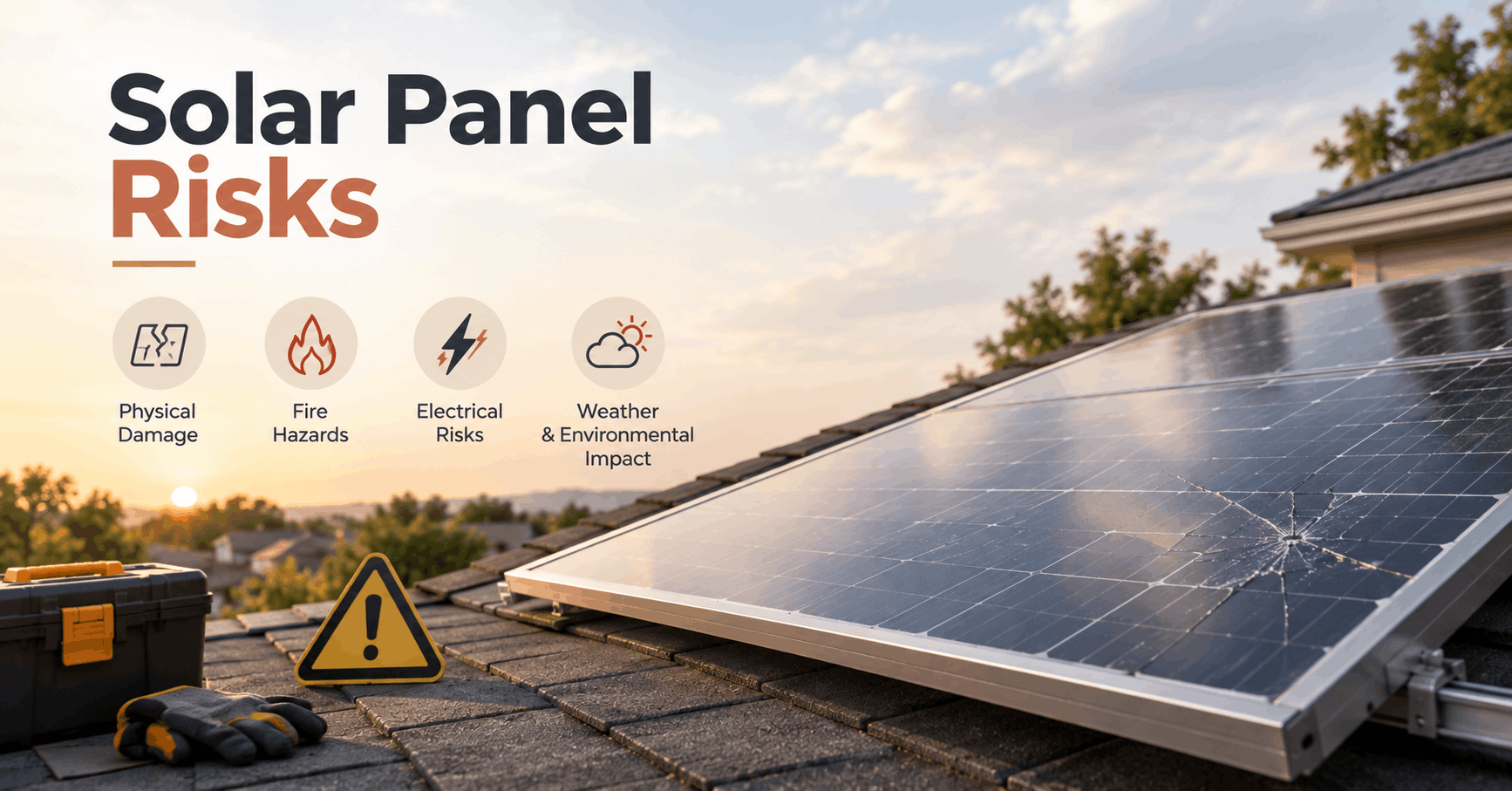
Solar panel risks are not something most installers bring up during their sales pitch. They show you the savings calculator, walk you through the federal tax credit, maybe throw in a free consultation, and by the end of the meeting you are half convinced to sign. But the risks are real. Some of them are financial. Some are structural. Some catch people completely off guard years after installation. If you are seriously considering solar, you need to understand what you are walking into before any money changes hands.
This is not an argument against solar. For a lot of households it makes genuine sense. But the full picture matters and most articles skip the uncomfortable parts.
The Financial Risk Nobody Calculates Properly
People focus on the upfront cost of a solar installation and stop there. That is a mistake. The real financial risk runs deeper than the initial price tag.
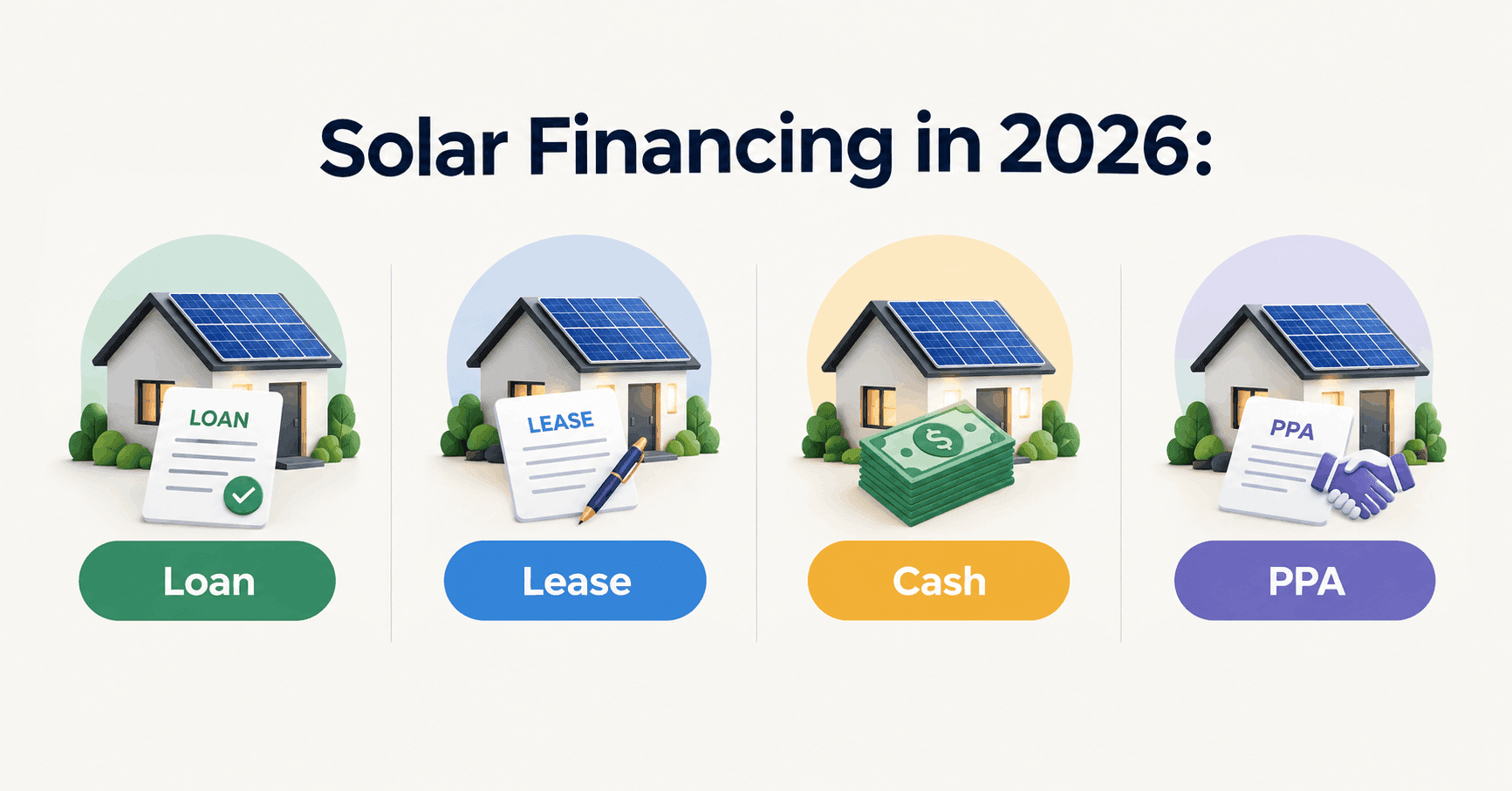
When you finance a solar system through a solar loan, you are locking yourself into years of fixed monthly payments. If your electricity rates drop, if your household energy usage changes, or if you need to sell the house before the payback period ends, the numbers stop working in your favor. A system that made perfect sense at installation looks different when your circumstances shift three years later.
Lease agreements carry their own risk. When you lease panels, you do not own them. The leasing company does. That means when you try to sell your home, the buyer has to either take over the lease agreement or you have to pay to have the system removed and the roof restored. Some buyers walk away from leased solar entirely because the contract terms are complicated. Real estate agents will tell you that leased solar has killed deals. Owned solar adds value. Leased solar sometimes does the opposite.
The federal solar investment tax credit currently sits at 30%. That is a significant incentive. But tax credits are policy decisions and policy changes. Anyone building a ten-year financial plan around a government incentive that could be reduced or restructured is taking a risk they should at least acknowledge.
Roof Damage Is More Common Than Installers Admit
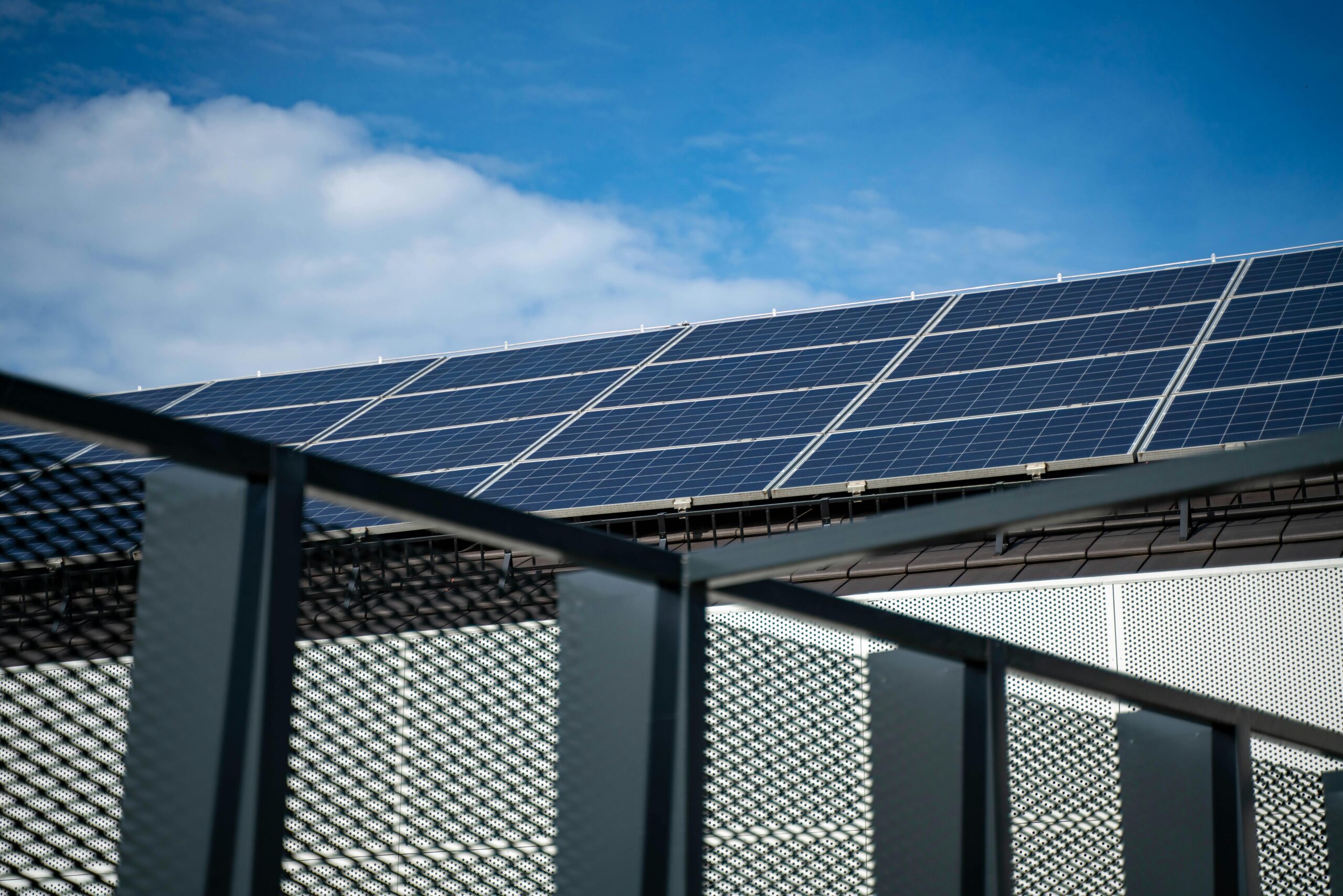
This one surprises people. The panels themselves are not usually the problem. The installation process is where things go wrong. Drilling into a roof creates penetration points. If those points are not sealed and flashed correctly, water finds its way in. Not immediately. Sometimes years later, after the installer is long gone and the warranty conversation gets complicated.
Older roofs are a particular concern. If your roof is more than 15 years old and you install panels on top of it, you are essentially trapping a deteriorating surface under equipment that is not easy to move. When that roof eventually needs replacement, removing the panels, doing the roof work, and reinstalling everything adds thousands of dollars to the project cost. Most homeowners do not price that in when they are calculating their solar savings.
The weight of the panels themselves also matters. Standard residential solar panels are not extremely heavy individually but a full rooftop system adds meaningful load. Roofs with existing structural issues, or homes in regions with heavy snow accumulation, need proper assessment before installation. Some roofs need reinforcement work done first. That adds cost and complication that the initial quote rarely includes.
The Installer Quality Problem
The solar industry expanded fast. Really fast. And fast expansion in any industry brings a wave of inexperienced operators who learn on your roof. The difference between a well-installed system and a poorly installed one is not always visible on the day of installation. It shows up over years through performance issues, water intrusion, wiring problems, and inverter failures that happen earlier than they should.
Choosing the wrong installer is one of the biggest risks in the entire solar decision. Checking licensing, reading verified reviews, asking for references from installations done three or more years ago, and confirming the installer carries proper liability insurance matters enormously. A cheap quote from an unproven company is not a deal. It is a gamble with your roof and your money.
Manufacturers like SunPower, Canadian Solar, and REC Group produce quality panels. But even the best panel underperforms when the installation behind it is sloppy. The product and the installer are two separate things. You need to vet both.
Performance Degradation Over Time
Solar panels do not maintain peak output forever. They degrade. The industry standard degradation rate sits around 0.5% to 0.8% per year for quality panels. That means after 25 years your panels are producing somewhere between 82% and 87% of their original rated output. For most households that degradation is manageable and factored into long-term savings projections.
The risk comes when degradation happens faster than expected. Panels exposed to extreme heat cycles, physical micro-cracking from hail or thermal stress, or manufacturing defects degrade more quickly. In regions with severe weather patterns, this is a legitimate concern. Hail damage in particular is a growing issue in parts of the American Midwest and South. Standard homeowner insurance policies do not always cover solar panel damage clearly. Some policies exclude it. Some require a separate rider. Many homeowners discover this gap only after something goes wrong.
Check your home insurance policy before installation. Ask specifically how solar panels are covered, what the claims process looks like, and whether your premiums change after installation. Get it in writing. Do not assume your existing coverage handles it.
This is something we cover in detail in our guide on How to Reduce Solar Overheating
Battery Storage Adds Risk Too
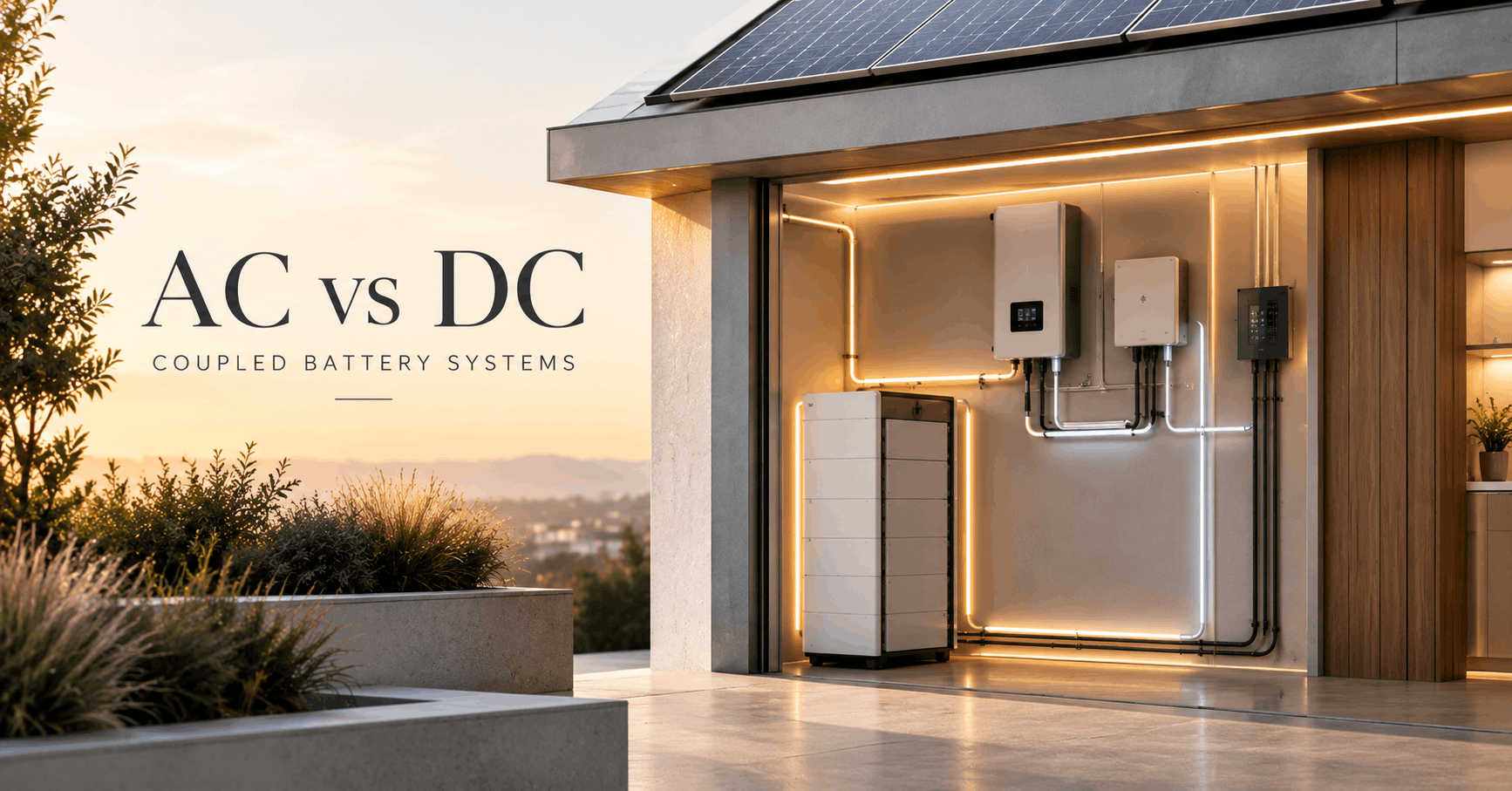
Home battery systems like the Tesla Powerwall and the Enphase IQ Battery have changed what residential solar does. But batteries introduce their own risk layer. Lithium-ion battery systems require proper installation in ventilated, temperature-controlled spaces. Installed incorrectly or in inappropriate locations, they carry fire risk. The incidents are rare but documented.
Battery warranties typically cover 10 years. After that, replacement is a significant cost that many homeowners have not planned for. And battery technology is evolving fast enough that the system you install today will feel outdated in a decade. That is not necessarily a problem but it is worth factoring into your long-term cost planning.
The Resale Complication
Selling a home with solar is not always the smooth value-add that solar advocates describe. Owned systems generally add value. But the conversation during a home sale gets complicated when buyers have questions about system age, remaining warranty, historical output data, and whether the system is properly permitted. Unpermitted solar installations, which exist more commonly than you might expect, create serious problems during property transactions. Some buyers simply do not want to deal with the complexity and walk away.
If you are installing solar with a future sale in mind, make sure every element of the installation is fully permitted and documented. Keep records of your system specs, installation date, warranty documents, and annual output data. That paperwork protects your investment when the time comes to sell.
So What Do You Do With All This
None of this means solar is a bad decision. For the right household in the right location with the right installer, it holds up well over a long time. But the risks above are real and most of them are manageable if you go in prepared.
Get multiple quotes. Check installer credentials properly. Assess your roof honestly before committing. Read your home insurance policy. Understand your financing terms completely. And if you are leasing rather than buying, think hard about what that means for your flexibility down the road.
Solar rewards people who do the work upfront. It catches off guard the ones who trust the sales pitch and skip the questions.
Summary
Solar panel risks go beyond what most installers discuss. Financial traps in lease agreements, roof damage from poor installation, performance degradation, insurance gaps, and battery storage concerns are all real issues. Installer quality varies widely and choosing the wrong one costs you years of problems. Understanding these risks before you commit protects your investment and helps you make a decision based on the full picture, not just the savings calculator.