Table of Contents
Solar lights 2026 models are not what they used to be, and that is genuinely good news if you gave up on them a few years back. The old complaint was always the same. They looked great in the store, worked fine for two weeks, and then slowly became useless dim glows that died before midnight. People stopped trusting them.
That has changed. The technology sitting inside these newer units is a different story altogether. Longer nights covered. Faster charging. Sensors that actually respond when someone walks past instead of flickering on three seconds too late.
If you are thinking about upgrading your outdoor lighting or buying solar lights for the first time, 2026 is genuinely a good year to do it.
What Actually Changed in Solar Lights 2026
The battery is the biggest thing. Most solar lights 2026 models now use lithium iron phosphate cells instead of the old nickel-metal hydride ones that came standard for years. Lithium iron phosphate handles cold temperatures better, keeps consistent brightness through the night instead of fading after a few hours, and survives far more charge cycles before the performance starts dropping.
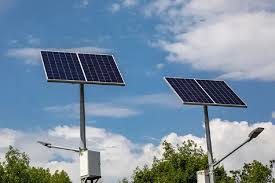
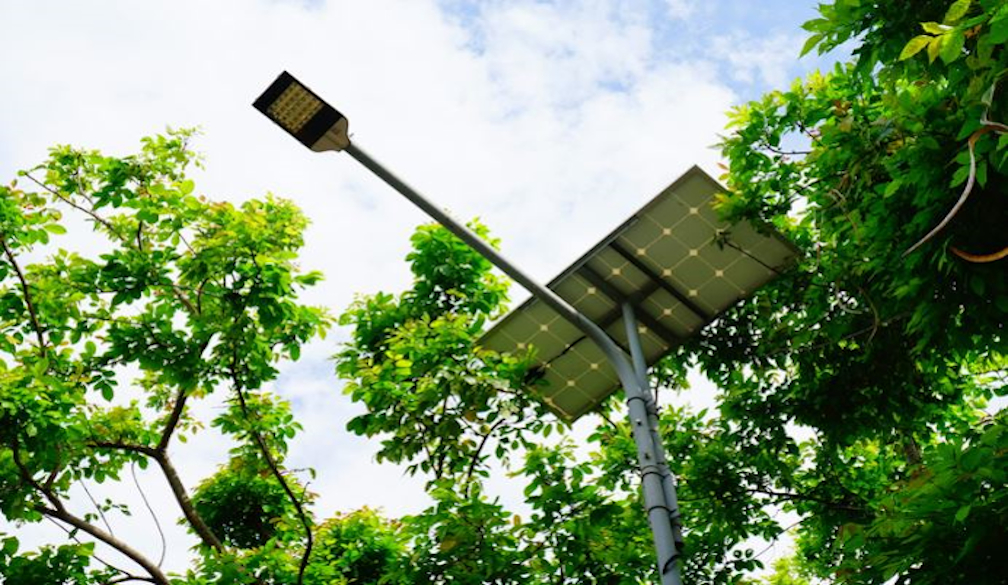
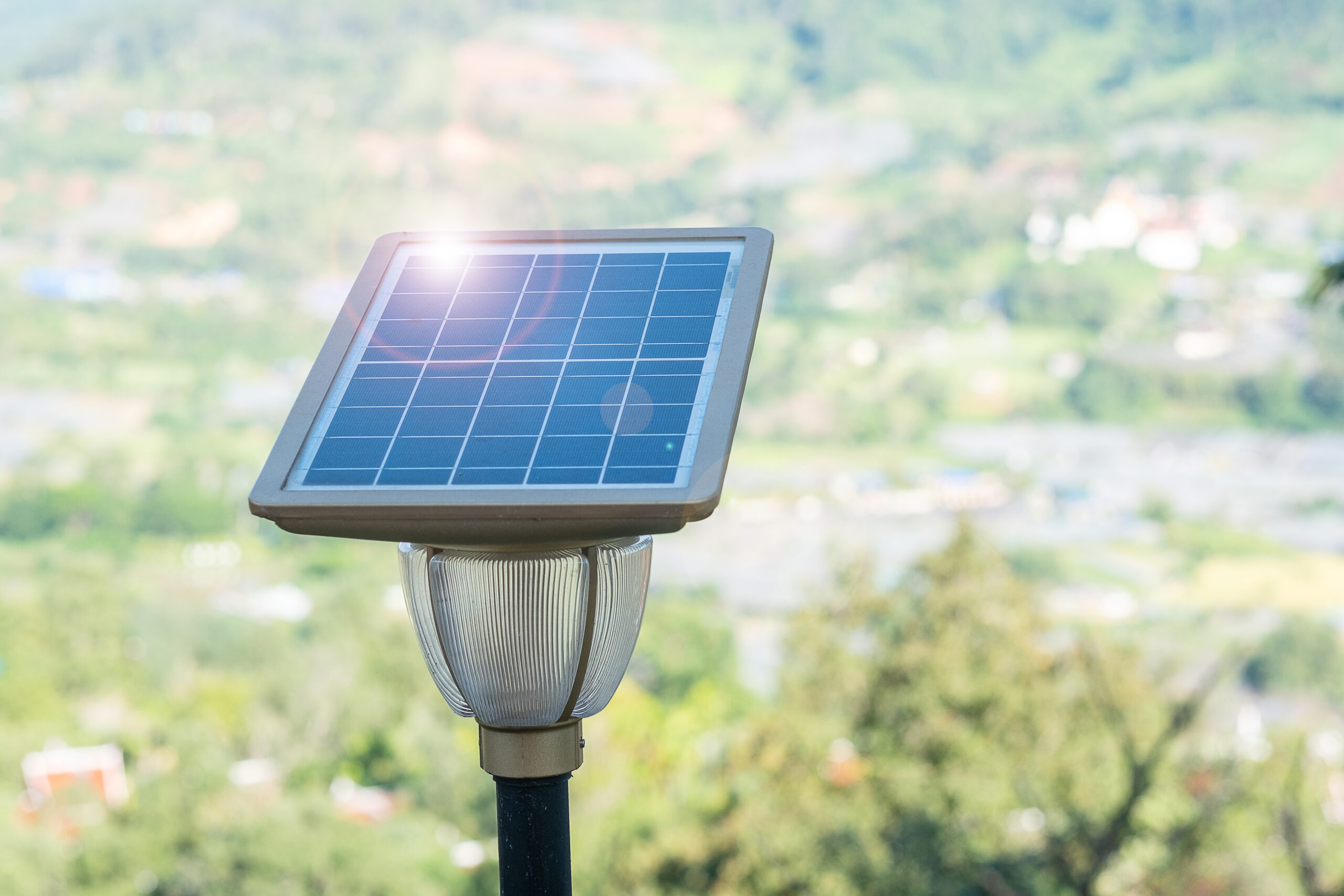
The solar panels got an upgrade too. Monocrystalline panels are now common even in mid-range products. They pull more electricity from the same amount of sunlight, which means a shorter charge time and a better result on cloudy or overcast days when the older panels barely managed half a charge.
Motion sensors are noticeably faster. Older models had a lag that made them feel broken. The 2026 sensors fire in under half a second. Detection angles have widened too, with many models covering 270 degrees instead of the old 90 to 120 degree range that left blind spots in every corner installation.
Types of Solar Lights Worth Knowing in 2026
Not every solar light does the same job. Buying the wrong type for your space is a fast way to feel like the product failed when the product was never built for what you needed.
Solar Garden Lights
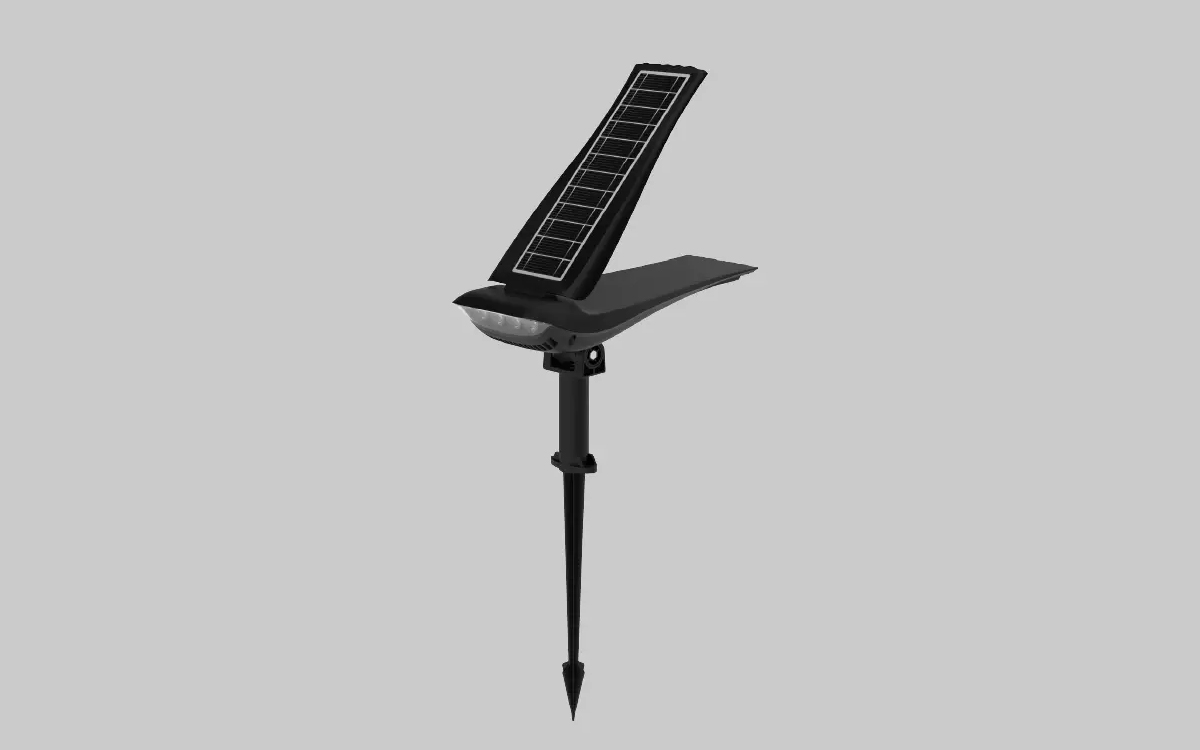
These push into the ground on a stake and line your pathways, flower beds, or driveway edges. The 2026 versions are brighter and charge faster than anything available two years ago. For actual path visibility rather than just decoration, look for models hitting at least 200 lumens. Anything below that is purely aesthetic.
Solar Security Lights
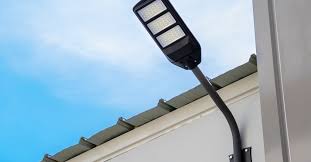
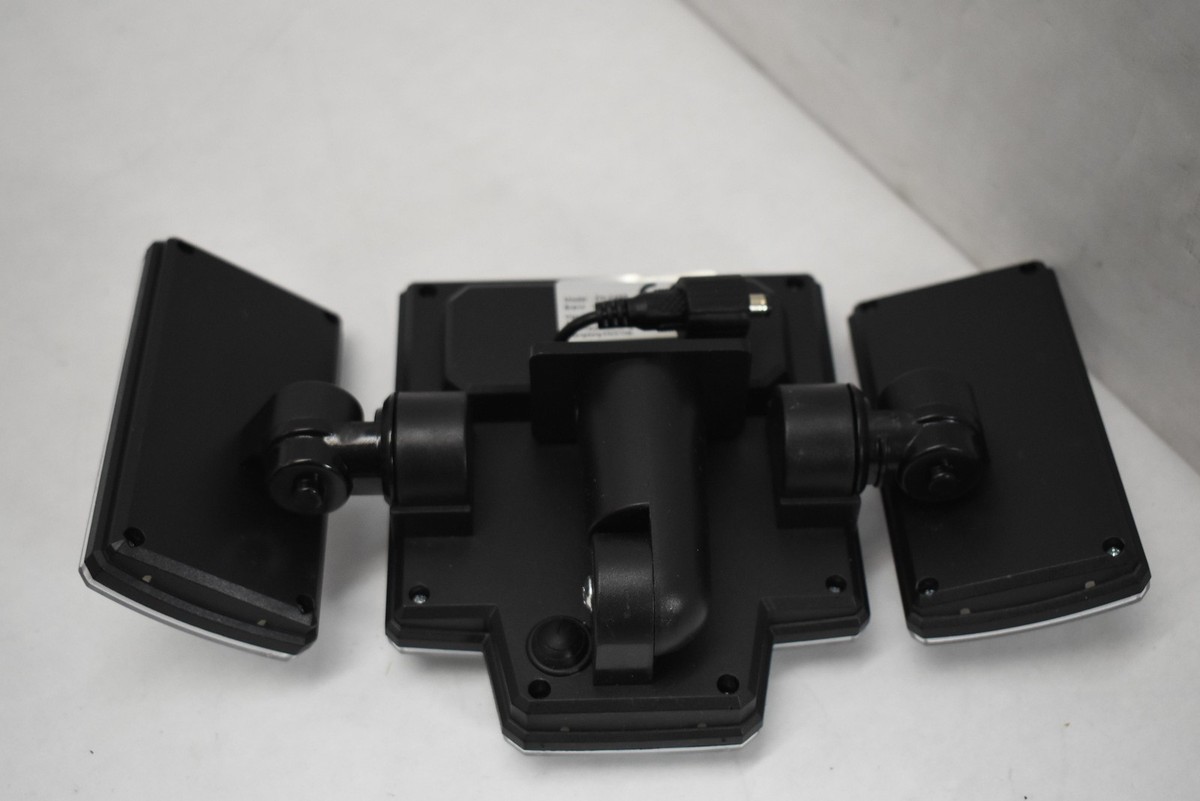
Wall or fence mounted, motion activated, and built to be bright. The newer dual-head designs cover a much wider area than single-head older models. Some reach 2000 lumens and above, which is genuine security-grade brightness. If protecting your property is the goal, sensor range and lumen output matter more than how the unit looks.
Solar String Lights
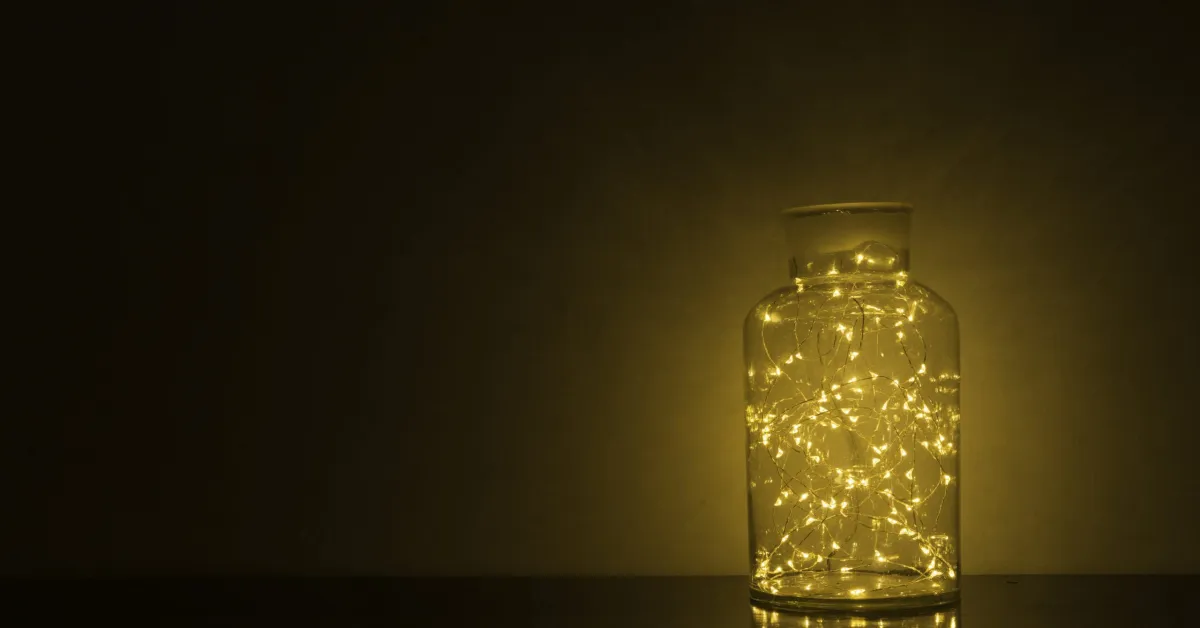
Great for patios, balconies, and outdoor gatherings. The panel and the string are separate on quality models, which means you position the panel where it gets the best sun and run the lights wherever you actually want them. LED bulbs in the 2026 versions are rated for 50,000 hours, so replacement is not something you will think about for a long time.
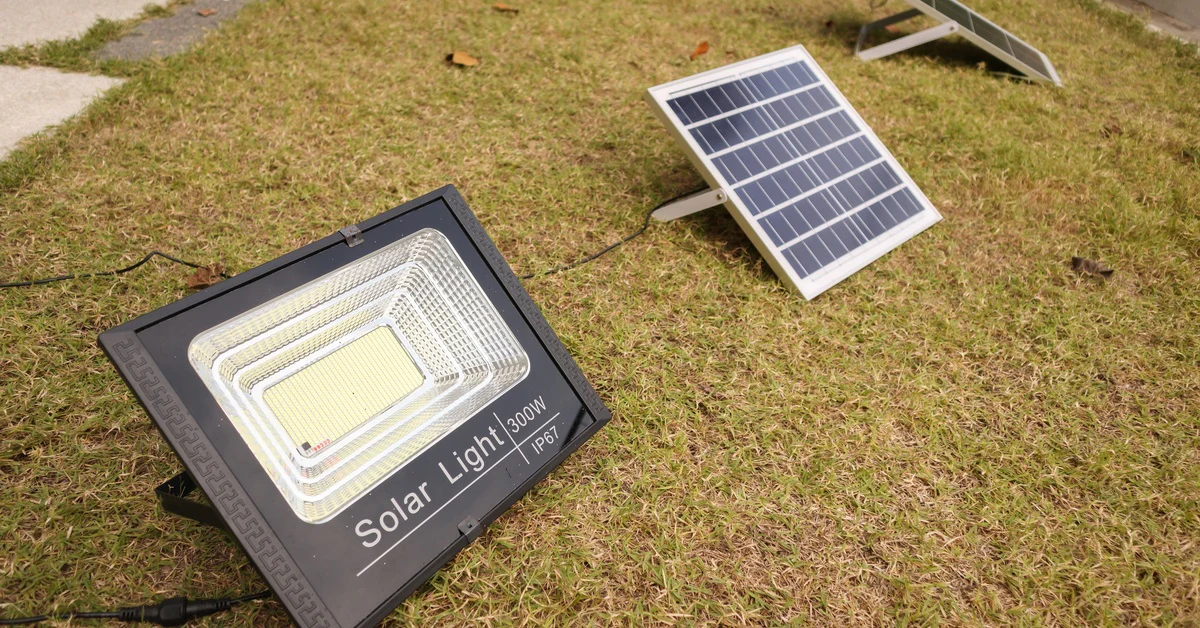
Solar Flood Lights
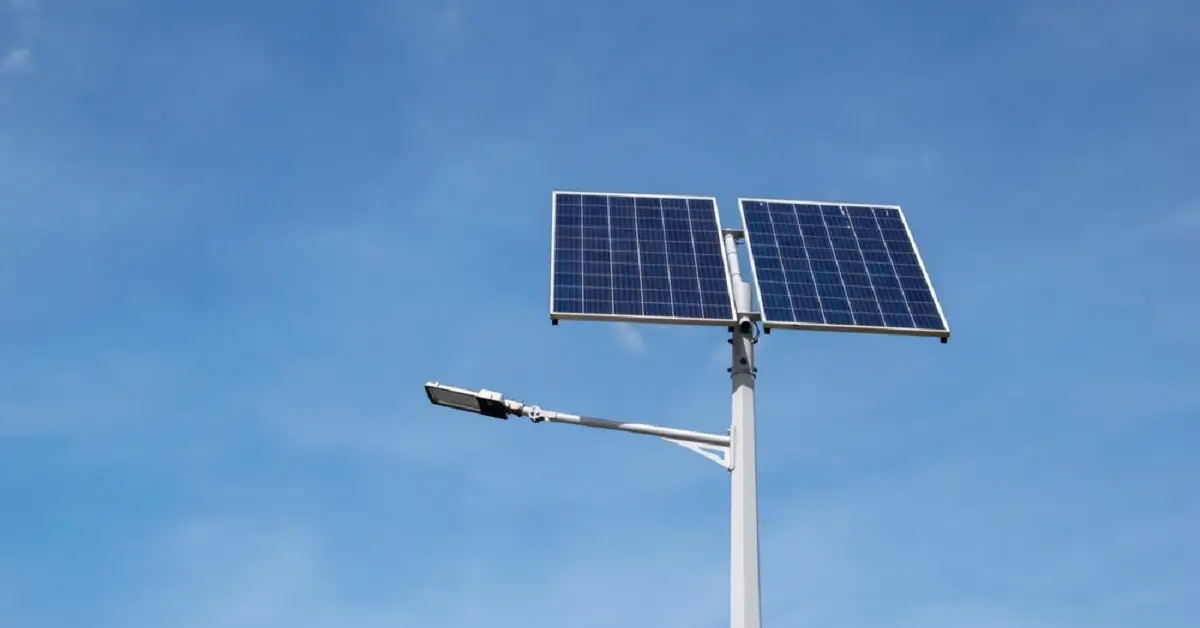
These are the serious option. Large panels, large batteries, high output. Built for driveways, garages, and larger outdoor spaces that need real illumination rather than accent lighting. Good 2026 flood light models run at full brightness for eight to ten hours straight on a single day’s charge.
Solar Pathway Lights
Smaller and more decorative. They add visual interest along walkways without blasting the area with light. New models offer warm white and cool white color temperature options, which makes a real difference in how your outdoor space feels in the evening.
The Features That Actually Matter Before You Buy
There is a lot of noise on product pages. Numbers that sound impressive but mean nothing in practice. Here are the ones worth your attention.
- Lumens: This is brightness and it is the number that matters most. Pathway lighting works at 50 to 200 lumens. Security lighting needs 800 lumens at minimum. Flood lighting starts making sense at 1500 lumens and above. Do not let anything else distract you from checking this number first.
- Battery capacity: Measured in mAh. The higher the number the longer the light runs. For reliable overnight performance, especially through cloudy stretches, aim for 2000mAh or above on any model you are seriously considering.
- IP rating: IP65 handles rain, sprinklers, and dew across multiple seasons without degrading. IP67 survives brief submersion. Anything below IP65 for an outdoor product is a risk worth avoiding.
- Panel type: Monocrystalline converts around 20 to 22% of sunlight into electricity. Polycrystalline converts around 15 to 17%. On a grey winter day that difference is the gap between a full charge and a half charge.
- Sensor angle: A 180 degree sensor covers a front door or straight wall well. A 270 degree sensor handles corner placements where you need wider coverage. Match the angle to where you are actually putting the device.
- Charging time: A properly built 2026 model reaches full charge in six to eight hours of direct sunlight. If a small-paneled product claims full charge in three hours, the battery is probably tiny and the claim is misleading.
Mistakes That Kill the Performance Before It Starts
These are the things that lead to bad reviews and returned products. Most of them are placement and purchase decisions rather than product failures.
Buying the cheapest option available is the fastest route to disappointment. A five dollar solar stake light has a panel the size of a stamp and a battery that holds almost nothing. Two hours of dim light and then nothing. Mid-range products between fifteen and forty dollars perform in a completely different league.
Placing the panel in shade is the other big one. People put solar lights under trees, beside tall fences, or under roof overhangs and then wonder why the device never works properly. The panel needs six or more hours of direct sunlight daily. Test your location before committing to it permanently.
Seasonal sun angles catch people off guard more than almost anything else. A spot that gets full sun in July might be heavily shaded in December when the sun sits much lower in the sky. If your region has distinct seasons, check your placement in winter conditions before assuming summer performance will carry through.
Skipping panel cleaning is a small thing that compounds into a real problem. Dust, pollen, and bird droppings build up on the panel surface and block absorption. A damp cloth once a week takes thirty seconds and keeps the panel working at full capacity instead of slowly throttling itself.
How Long These Lights Actually Last
LED bulbs in modern solar lights are rated for 50,000 hours of use. At eight hours per night that works out to over seventeen years of bulb life. The bulb is genuinely not something you need to think about.
The battery is the part that eventually needs attention. Lithium iron phosphate batteries handle around 2000 charge cycles before capacity starts dropping in a way you notice. At one cycle per day that is roughly five to six years of reliable performance. After that, swapping the battery restores the device almost completely without replacing the whole unit.
Solar panels lose around half a percent of efficiency per year. After a decade of daily use the panel still operates at close to 95% of its original output. For most buyers this never becomes a practical concern.
What Solar Lights 2026 Save You on Energy Bills
Running standard outdoor lights on grid electricity adds a real cost across a full year. Eight hours per night over twelve months across multiple fixtures shows up on your bill in a way that is easy to ignore month by month but adds up noticeably over a year.
Solar lights cut that cost to zero after the initial purchase. The sun does the charging for free every day without exception. For homes with several outdoor lighting points, the switch to solar typically pays for itself within one warm season.
The environmental benefit lands on top of that. Your outdoor lighting draws nothing from the power grid. Same light output, same coverage, same reliability, zero ongoing energy consumption. For buyers who care about that, it is a straightforward win with no trade-off involved.
Summary
Solar lights 2026 models are worth another look if older versions disappointed you. Better batteries, faster sensors, and stronger panels fix the main complaints people had for years. Pick the right type for your space, check lumens and IP rating before buying, place the panel where full sunlight hits for six hours or more, and wipe it clean weekly. Running cost after purchase is zero and performance now holds up through a full night reliably.