Table of Contents
Pick up a solar light after a full sunny afternoon and it will feel warm. Sometimes noticeably warm. Your first instinct is probably to wonder if something is wrong. Is this normal? Is it safe? Will it start a fire next to my wooden fence? These are fair questions and they deserve straight answers, not vague reassurances.
Here is the honest truth. Solar lights do get warm, and most of the time that warmth is completely normal. The heat comes from real physical processes happening inside the unit during the day. Understanding where that heat comes from helps you figure out the difference between a light doing its job and a light quietly failing.
What Is Actually Happening Inside Your Solar Light
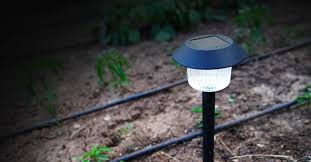
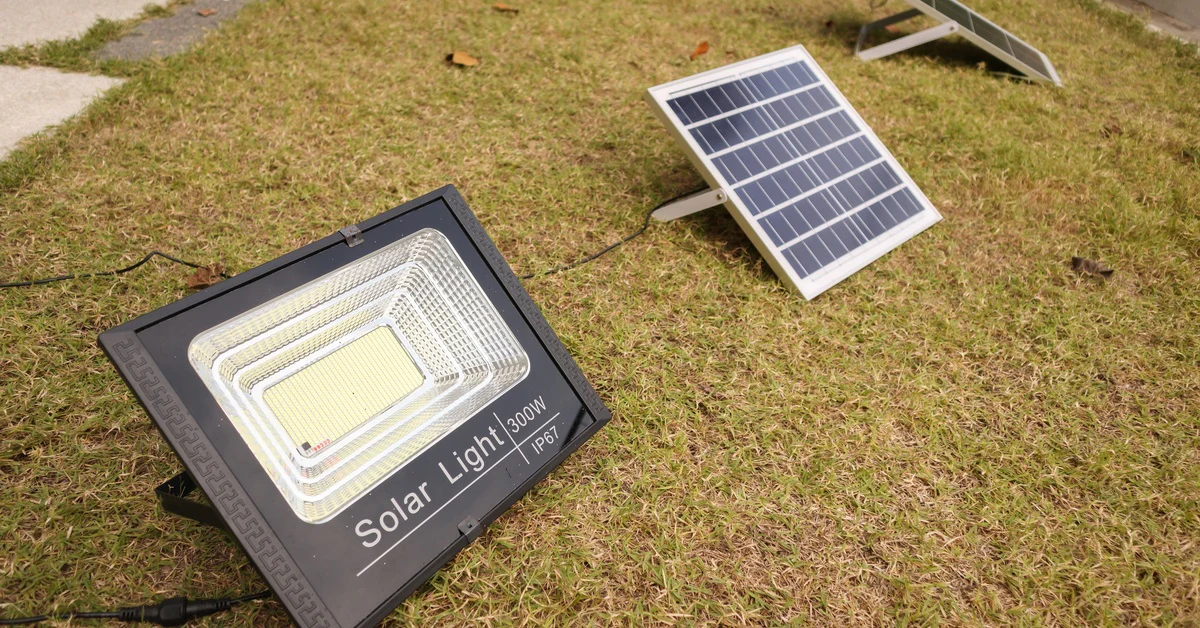
A solar light has three main parts doing work. The panel on top, the battery in the middle, and the LED bulb at the bottom. Each one behaves differently when it comes to heat.
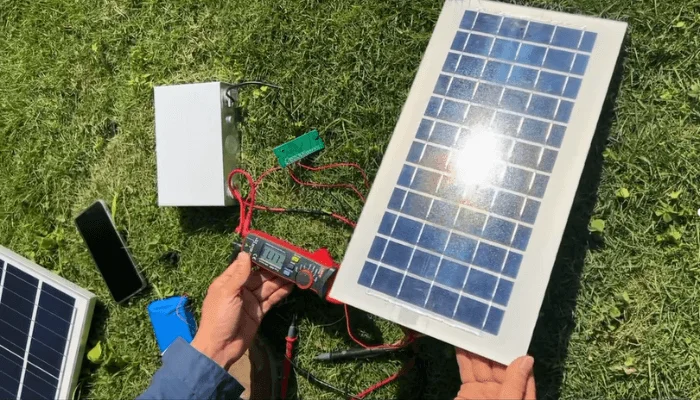
The solar panel absorbs sunlight all day. Not all of that sunlight converts into electricity. A chunk of it becomes heat instead. This is called thermal loss and it is a fundamental part of how photovoltaic cells work. The panel surface on a hot summer day gets genuinely warm, sometimes reaching around 60 to 65 degrees Celsius depending on sun intensity, panel color, and how much air moves around it. Dark casings absorb more heat than light colored ones. Black solar light housings in a Karachi summer or a Middle Eastern afternoon are working under real thermal stress.
The rechargeable battery adds mild heat during charging. Whether it uses lithium-ion or NiMH chemistry, some warmth comes out during the charge cycle. This is the same reason your phone warms up when plugged in. The difference is your phone sits in shade while your solar light sits on a spike in open sunlight for six to eight hours straight.
LED bulbs barely matter here. LEDs produce almost no heat during operation. The whole reason solar lighting shifted away from older bulb types was to reduce heat and energy waste at night. So whatever warmth you feel during the day has nothing to do with the bulb.
How Hot Is Too Hot
This is where people genuinely need a useful answer and most articles dodge it. Normal surface temperature for a solar light casing during peak sun runs between 40 and 60 degrees Celsius. That feels warm to the touch and slightly uncomfortable if you hold it for more than a few seconds. But it cools down quickly once you move it out of direct sun.
A light that stays hot an hour after sunset is a different situation. The sun is gone. The panel stopped charging. There is no reason for sustained heat unless something inside is malfunctioning. A swollen battery, a short in the charging circuit, or a completely failed overcharge protection component can all cause the kind of heat that does not go away when it should.
If you press your hand against the casing at 9pm and pull it away fast because it hurts, that light needs to come out of the ground. Not tomorrow. Now.
Does Summer Heat Actually Hurt Solar Light Performance
Yes, and this catches a lot of people off guard. High ambient temperature reduces how efficiently a solar panel converts sunlight into electricity. The technical term is temperature coefficient. Every photovoltaic panel produces slightly less power as it gets hotter. This means your solar lights on a 42 degree summer day are often charging less effectively than the same lights on a mild 25 degree spring afternoon, even with stronger sun.
The battery feels this too. Repeated charging cycles at high temperature wear down battery capacity faster than cycles at moderate temperature. Lights you installed two summers ago that now barely last three hours at night are almost certainly showing this exact effect. The battery capacity has degraded. It is not a defect. It is chemistry doing what chemistry does under heat stress.
This is why placement genuinely matters. A light in full blasting sun from dawn to dusk runs hotter all day long. A light with morning sun and afternoon shade charges fully in most climates while keeping its battery cooler for longer. That cooler battery loses capacity more slowly. Three years from now the difference will be obvious.
The Fire Question
People ask this and feel embarrassed about it. They should not. It is a reasonable concern for anything electrical sitting in your garden.
Quality solar lights with proper overcharge protection circuitry do not pose a meaningful fire risk. The battery capacity is tiny. The voltage is low. Even if something went wrong inside, the energy available is not much.
The risk picture changes when you factor in the following:
- Extremely cheap products from unknown manufacturers that skip overcharge protection entirely to cut costs
- Batteries with physical damage, visible swelling, or leakage that have been left in the unit anyway
- Lights installed directly against dry wooden fencing, dense dried leaves, or other flammable material where heat accumulates
- Lights with cracked or damaged casings that let moisture into the battery compartment, which accelerates internal degradation
None of these apply to a decent quality solar light sitting in open air in a normal garden setup. But if you have very cheap lights pressing against a dry timber fence in a hot climate, replacing them with something better is worth doing.
Signs Something Is Actually Wrong
You do not need any tools to figure this out. Physical signs tell you clearly:
- Casing still hot well after sunset, not just warm, hot
- Battery compartment cover is bulging outward or difficult to open compared to before
- Light performance dropped sharply, going from 8 hours to 2 hours over a summer
- Any burnt plastic or chemical smell coming from the unit
- Visible discoloration or warping on the panel surface or housing
One of these alone is worth paying attention to. Two or more together means the light is done. Pull the battery out, let it cool completely somewhere away from flammable material, and do not reinstall it.
Simple Things That Actually Help
Nothing here requires spending money. These habits genuinely extend the life of solar lights:
- Wipe the panel surface every few weeks. Dust and grime trap heat and block charging at the same time.
- Replace the internal battery every one to two years depending on your local climate and how hot your summers get.
- Think about placement before you put stakes in the ground. East-facing positions get morning sun, avoid peak afternoon heat.
- Check the battery compartment for swelling or moisture twice a year. Five minutes now saves a dead light later.
- In extreme heatwaves bring decorative solar lights inside temporarily if you want to preserve the battery.
People who do these things get three to four years from lights most buyers throw out after eighteen months.
A Note for Hot Climate Users
If you live somewhere with genuinely brutal summers, Pakistan, India, the Gulf, North Africa, parts of Australia, the American Southwest, your solar lights face conditions that test even well made products. Look for lights with IP65 ratings or higher, light colored housings, and lithium iron phosphate batteries where possible. LiFePO4 chemistry handles heat stress much better than standard lithium-ion and holds capacity longer through repeated summer cycles.
Spending a little more upfront on heat-tolerant products saves real money over two or three years compared to replacing cheap lights every single season.
Summary
Solar lights get warm during the day because of heat from the solar panel, battery charging, and energy conversion. This is normal and expected. The real concern is a light that stays unusually hot after dark, which signals a battery or circuit problem. Summer heat also reduces panel efficiency and wears batteries down faster over time. Good placement, regular cleaning, and timely battery replacement keep your lights safe and working through multiple seasons without issues.