Table of Contents
Best solar motion sensor lights are the kind of product that looks foolproof until it is sitting on your wall not working the way you expected. The idea is simple. Sun charges the battery. Dark arrives. Motion triggers the light. Clean, cheap, no wiring.
Except sometimes the panel is in a shaded spot and the battery never fully charges. Or the sensor fires every time a car passes the front of your house. Or the whole thing stops working by February because the battery is too small for a proper winter.
None of that has to happen to you. It just requires knowing what to look at before you buy.
How Solar Motion Sensor Lights Work in Plain English
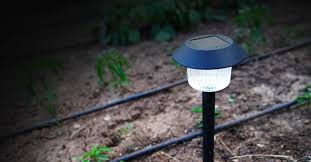
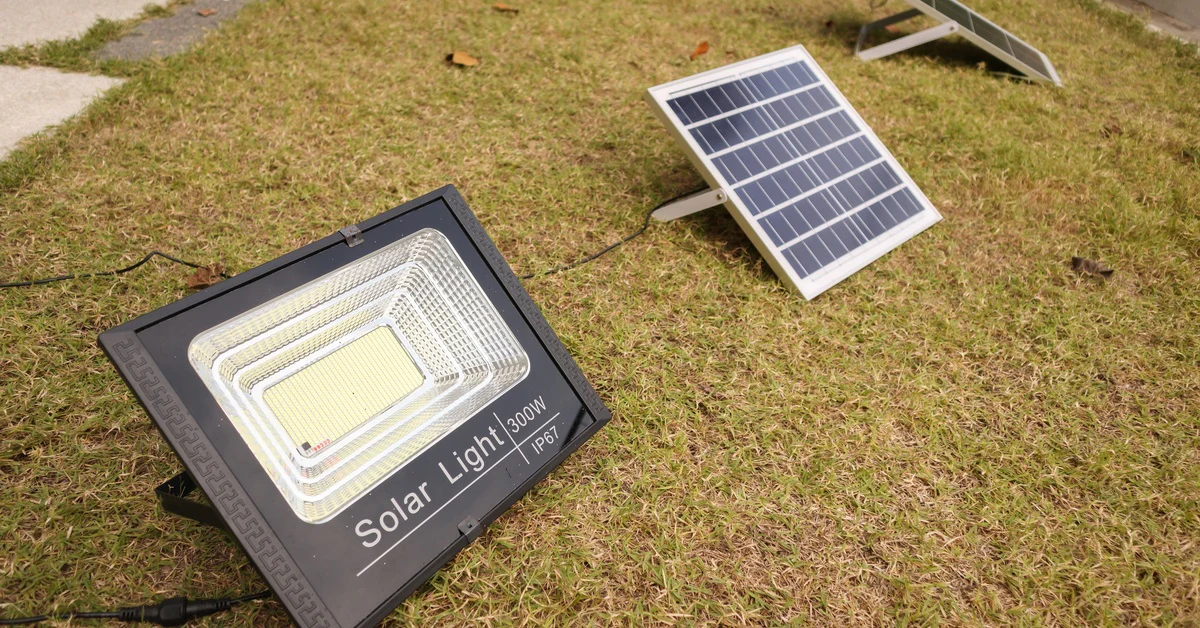
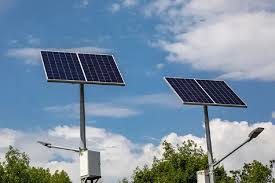
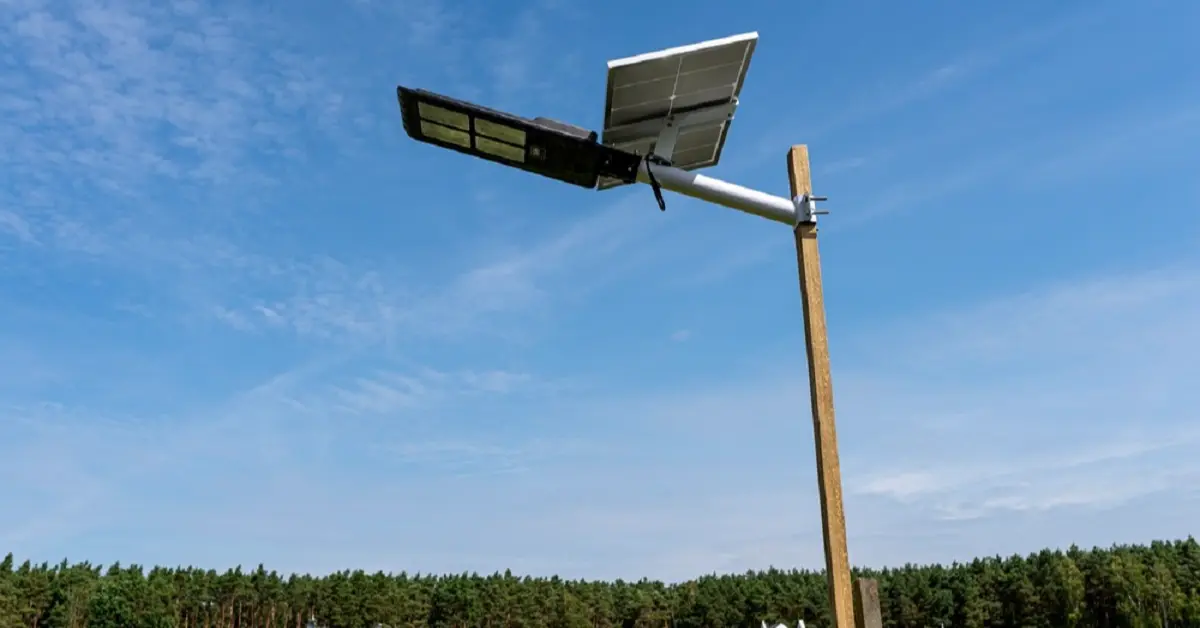
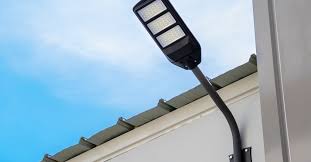
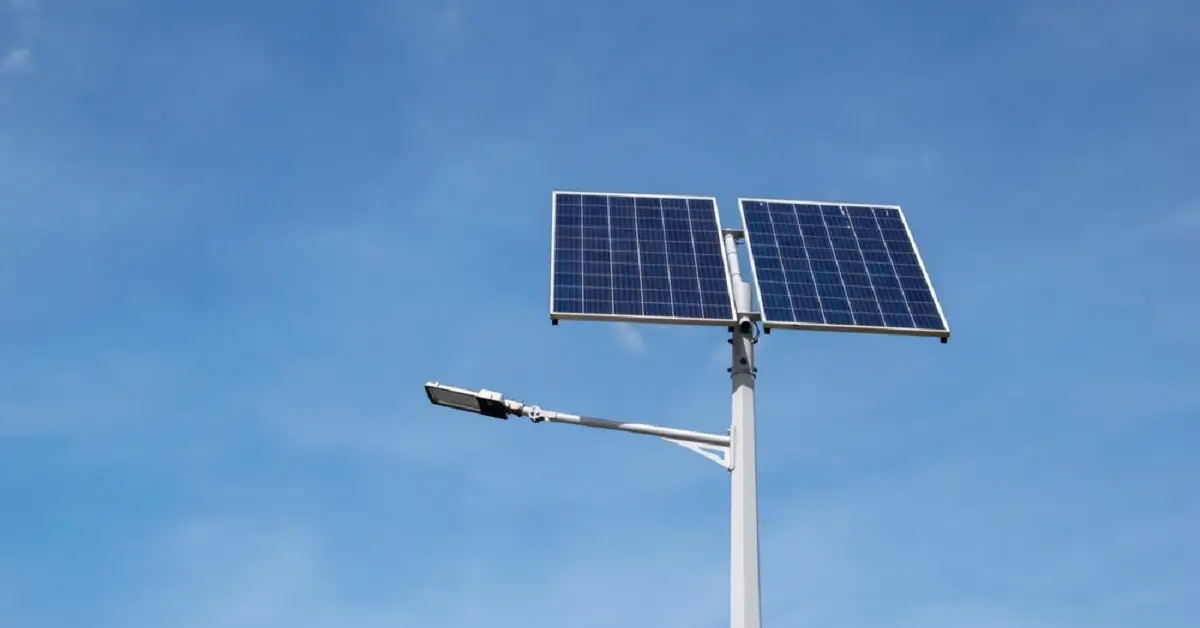
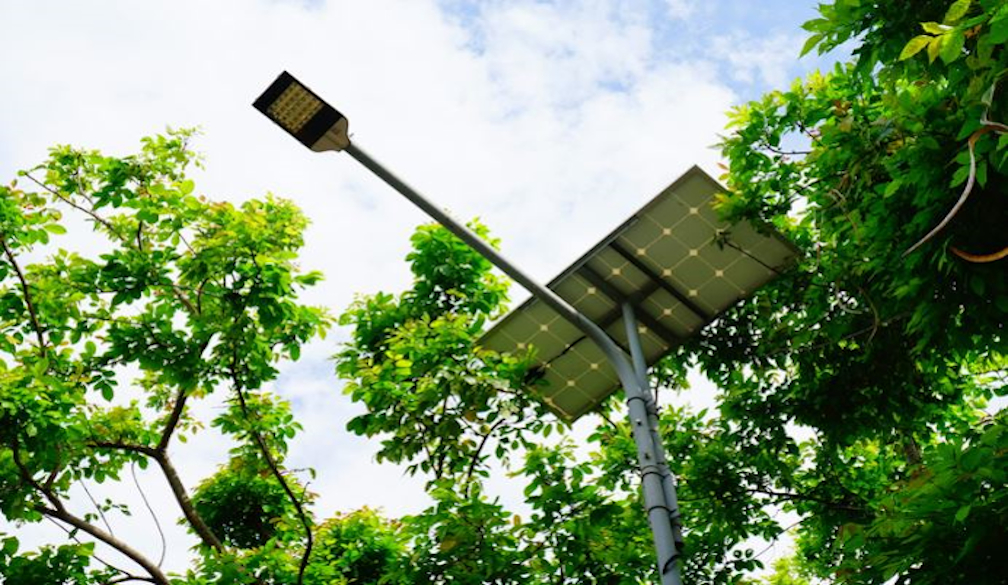
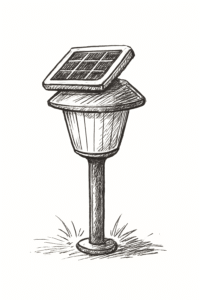
Picture a tiny power station attached to your wall. The solar panel on top converts sunlight into electricity all day long. That electricity gets stored in a rechargeable battery inside the unit. When darkness falls, the light enters a standby state where it draws almost nothing from that stored power.
Inside the unit sits a sensor called a PIR, which stands for Passive Infrared. This sensor does not watch for movement with a camera. It reads heat. When something warm, a person, a dog, a prowler, moves into its detection zone, the heat signature changes and the sensor fires the light to full brightness immediately.
The light stays on for a set time, usually somewhere between 20 and 60 seconds depending on your settings, then shuts off again to protect the battery. This is why solar motion lights last through the night on a single charge while always-on lights drain flat by midnight in winter. On-demand lighting is genuinely efficient. A light that fires ten times a night uses a fraction of the battery a constant-on light burns through.
The Numbers That Actually Tell You Something
Product listings throw a lot of numbers at you. Most of them are meaningless without context. These are the ones worth reading carefully.
Lumens Over LED Count
Manufacturers love advertising LED counts. 300 LEDs. 500 LEDs. 1,056 LEDs. None of that tells you how bright the light actually is. Lumens do. For a garden path or a small gate, 400 to 600 lumens is genuinely sufficient. For a driveway, a large backyard, or a garage approach, you need at least 1,000 lumens. Security-grade units pushing 3,000 lumens and above are for large open areas that need serious night coverage.
Detection Range and Angle Together
The detection range tells you how far the sensor reaches. Most residential units work reliably between 16 and 26 feet. Some premium models push to 33 feet, which matters for long driveways or wide side passages. The detection angle tells you how wide that coverage is. A 270-degree angle covers almost everything in front of and to both sides of the unit. A 120-degree angle is focused and works well for narrow spaces like doorways and gate passages, but will miss someone approaching from the side.
Never buy just on range or just on angle. Both together determine whether the light actually covers the area you care about.
This is something we cover in detail in our guide on What to Consider When Buying Solar Lights
Battery Capacity and What It Means for Winter
Battery capacity is shown in milliamp hours or mAh. A 1,200mAh battery is fine through summer when days are long and charging hours are plentiful. Come November in most parts of the northern hemisphere, that same battery is struggling. A user who mounted solar lights in a partially shaded area reported four days of poor performance before relocating them to full sun. Shading and low battery capacity together are the most common reasons solar motion lights fail in cold months.
Aim for 3,000mAh or above if you have real winters where you live. If you get frequent cloud cover, go higher still.
IP Rating and Why You Should Not Skip It
IP65 is the floor, not the goal. It means the unit handles rain and water spray from any direction without failing. IP66 handles stronger, more direct water impact and is worth the minor price premium if your install location sits in direct rainfall or gets hit by garden sprinklers.
Anything below IP65 is not rated for proper outdoor use. It will fail faster than you expect and for reasons that feel frustrating when the fix was simply choosing the right waterproof rating from the start.
Three Lighting Modes and When Each One Makes Sense
The best solar motion sensor lights in 2026 come with at least three operating modes. Understanding what each one does saves you from installing a light in the wrong mode for the location and wondering why it is not working the way you want.
- Motion-only mode keeps the light completely off until the sensor fires. Then it jumps to full brightness. This is the best mode for security and battery conservation, and the one most people should use during winter months.
- Dim-to-bright mode holds the light at a low ambient glow through the night, then leaps to full brightness when motion triggers it. Good for front doors and paths where you want both ambiance and a security response.
- Constant-on mode runs the light at full brightness all night. It drains the battery fastest but works well for areas with regular foot traffic where you want consistent illumination rather than reactive lighting.
This is something we cover in detail in our guide on Solar Lights 2026
Where to Put Them and Where Not To
Placement changes everything. A great product in the wrong spot delivers a frustrating result. Here is where solar motion lights earn their keep and where they do not.
Front Door
Mount it 8 to 10 feet off the ground. High enough that the detection zone sweeps the full approach to your door, not just the step directly in front of it. A light mounted at 4 feet misses half of what you want it to catch.
Driveway and Garage
Use your highest lumen unit here. The solar panel needs maximum unobstructed sun exposure throughout the day. Do not compromise on panel placement for driveways. Long driveways sometimes need two units to cover the full length without gaps in the detection zone.
Garden Paths and Walkways
A 400 to 600 lumen unit handles this perfectly. The light comes on when you walk through, shows you where your feet are going, and quietly turns off behind you. These installs take minutes and add genuine usability to outdoor spaces after dark.
Side Gates and Back Entries
These are the most neglected spots on most properties and the most useful places to add motion lighting. Solar is the obvious choice here since running electrical cable to a side gate is usually impractical and expensive.
Where Not to Point the Sensor
Avoid aiming the PIR sensor toward a busy road or public footpath. Every car and every pedestrian that passes will trigger the light. By 3am the battery is flat and the light sits dark for the rest of the night. False triggers from passing traffic are one of the most common complaints in negative reviews. The fix is pointing the sensor inward toward your property, not outward toward the street.
The Mistakes That Show Up in Almost Every Bad Review
Read enough one-star reviews of solar motion lights and the same errors appear over and over.
- Mounting the panel somewhere that gets shade through the afternoon when solar irradiance is strongest. Six to eight hours of direct, unobstructed sunlight is the minimum for a full charge. A shaded panel delivers a partial charge. A partial charge delivers weak performance, especially in winter.
- Buying on price without checking battery capacity. The cheapest option looks identical to a quality unit in photos. The 600mAh battery inside it does not.
- Installing the light too low. Waist-height sensors get fooled by pets and triggered by nothing useful. Mount security lights high enough to cover the full approach.
- Never cleaning the solar panel. Dust, grime, and bird droppings cut charging efficiency noticeably over time. A quick wipe with a damp cloth once a month keeps performance consistent.
- Leaving the light in constant-on mode through winter. This drains the battery on long dark nights and leaves the light dead by early morning. Switch to motion-only mode in winter. The battery lasts dramatically longer.
What Happens in Winter and How to Handle It
Solar motion lights do perform slightly worse in winter. Shorter days mean fewer charging hours. Cold temperatures reduce battery efficiency a little. This is not a product defect. It is physics and it affects every solar-powered device regardless of brand or price.
The practical workaround is switching to motion-only mode from October through February or whenever your days get short. Stop running the light in dim-to-bright or constant-on modes during these months. Reserve every milliamp of stored power for actual triggers. A unit with 3,000mAh or more handles this approach well through most climates. In genuinely harsh northern winters with heavy snowfall covering panels, a unit with a separate larger panel that you keep clear of snow performs best.
Monthly panel cleaning matters more in winter than summer. A panel covered in road grime and dust during shorter charging windows makes the performance gap worse than it needs to be.
The Bottom Line
Solar motion sensor lights work. The good ones work really well for years with almost zero maintenance costs. The ones that get bad reviews usually failed because of a bad placement decision, a mismatch between battery capacity and climate, or a sensor pointed at traffic instead of toward the property.
Get the lumens right for your space. Prioritize battery capacity for your climate. Check detection range and angle together against the area you are covering. Demand at least IP65 weatherproofing. Put the solar panel where it gets real, clean sun for most of the day.
Those five things separate the lights people forget about because they just work from the ones people pull off the wall after three months.
Summary
Best solar motion sensor lights are one of those purchases that quietly change how your home feels at night. No wiring, no electricity costs, no fuss. The light charges itself every day and fires up the moment something moves nearby. Sounds simple, and it is, but picking the wrong one wastes your money fast. This guide breaks down how these lights actually work, which specs matter in the real world, the best spots to install them around your home, and the mistakes most people only figure out after they have already made them.