Table of Contents
Most people buy solar light stakes for the garden, stick them in the ground, and then wonder why half of them stopped working by October. Been there. The truth is, best solar light stakes for garden spaces are not all built the same, and picking the wrong ones wastes both your money and your weekend. This guide tells you what to actually look for, where most people go wrong, and how to get years of solid performance from your outdoor solar lighting.
Solar technology has genuinely gotten better. The options available in 2026 are not the sad, flickering amber dots people remember from five years ago. Good solar stake lights now run six to ten hours on a single charge, handle rain and frost without giving up, and look decent doing it. But you still need to know what separates a good one from a cheap one.
What a Solar Light Stake Actually Is
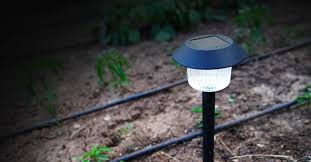
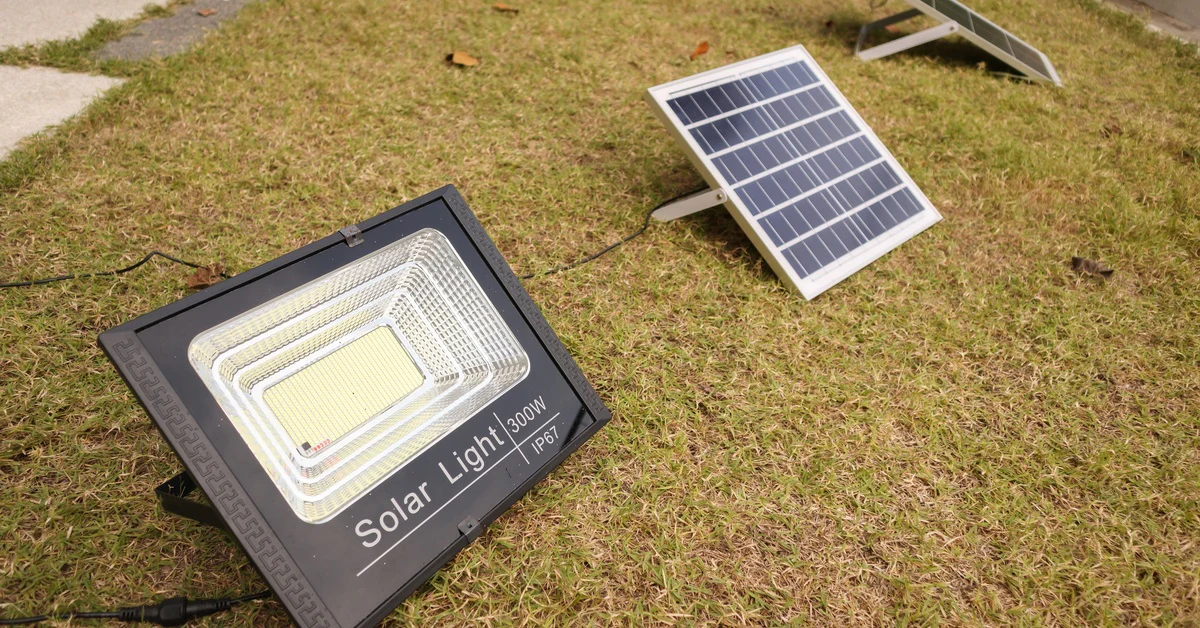
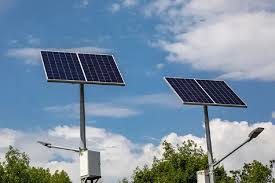
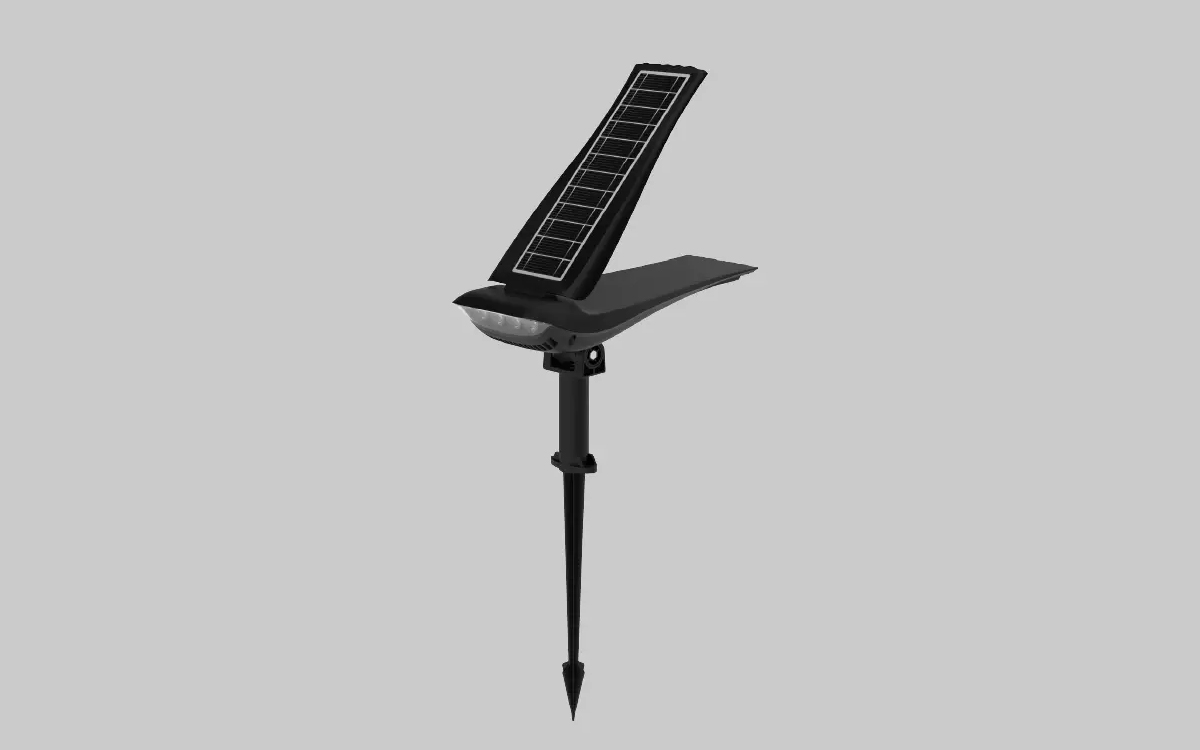
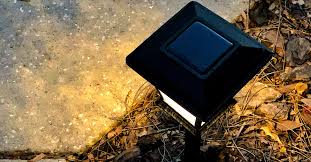
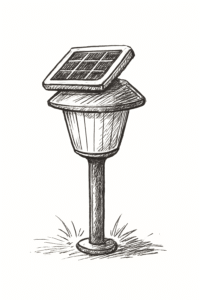
Picture a small lamp attached to a spike you push into the ground. That is it. No wiring, no outlet, no permission needed from anyone. The solar panel sitting on top spends the day collecting sunlight and turning it into stored electricity inside a small rechargeable battery. Once the sun goes down, a sensor inside the light notices the darkness and switches the LED on automatically.
You do not touch it. You do not schedule anything. The light handles itself from dusk to dawn every single night. This is why solar stake lights became so popular for garden paths, flower beds, driveways, and patios. The whole appeal is that they work without you thinking about them. The catch is that they only work well if you choose the right ones and place them correctly.
Types Worth Knowing Before You Shop
Path and Walkway Stakes The ones most people picture. Tall spikes with a light head on top, pressed into the ground alongside a path or driveway. They throw light downward and outward to show you where you are walking. They come in packs of six to twelve and stand between 12 and 24 inches off the ground. For a typical front garden path, eight of these spaced evenly does the job cleanly.
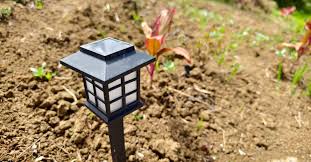
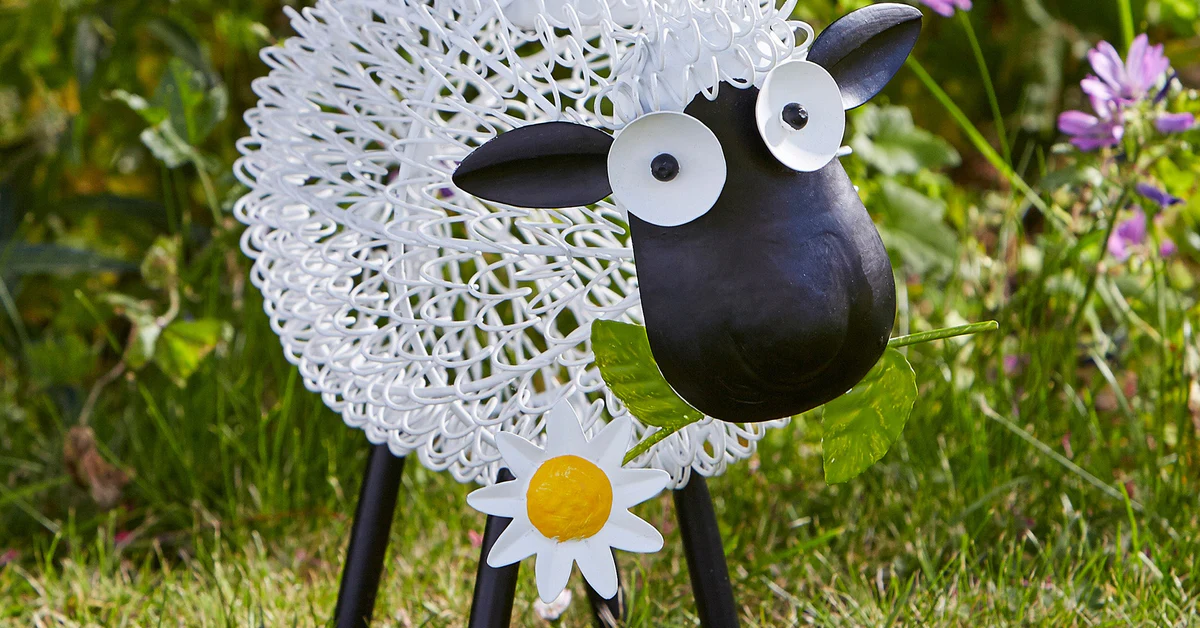
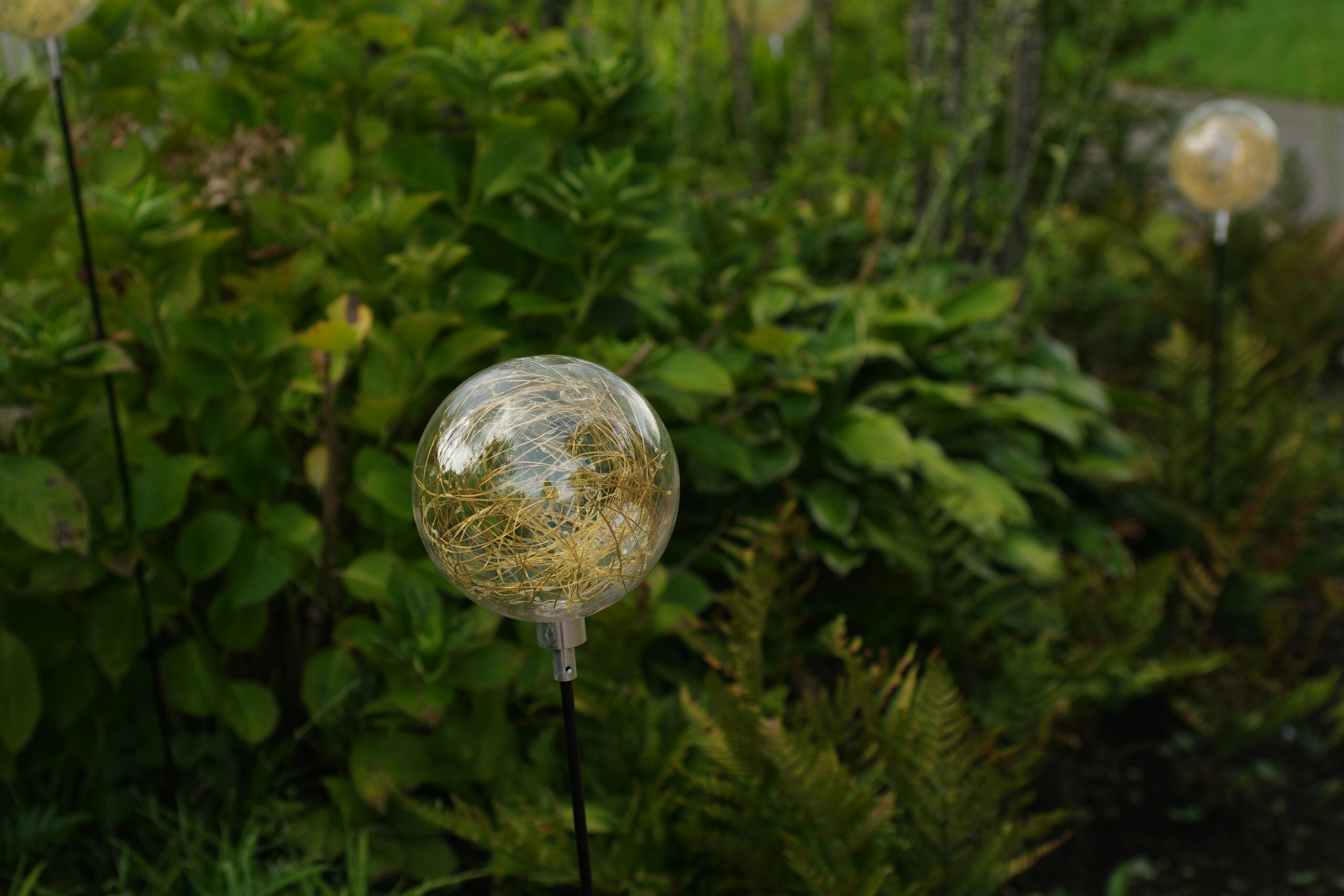
Decorative Stake Lights Half lighting, half garden ornament. Flowers, mushrooms, dragonflies, birds, lantern shapes. If your garden has a particular feel you are going for, these add to it rather than just being functional. The tradeoff is that they are often slightly dimmer because design takes priority over raw output. For flower beds and borders where soft glow matters more than brightness, they work really well.
Solar Spotlights on Stakes Directional lights. You point them at something, a tree, a sculpture, a water feature, and they light that specific thing up. They run brighter, sometimes hitting 500 to 800 lumens. Some include motion sensors so they stay dim until someone walks past. Useful for both security and aesthetics at the same time.
Replacement Stakes A lot of people do not know these exist. If your solar light still works fine but the original ground spike snapped or rusted through, you do not need a whole new unit. Replacement ABS plastic stakes in standard sizes are sold separately and cost almost nothing.
What to Actually Check Before Buying the Best Solar Light Stakes for Garden Use
IP Rating First, Everything Else Second The IP rating tells you how waterproof and dustproof the light is. Two numbers. The first covers solid particles. The second covers water. For anything going into a real garden, you want IP44 at minimum and IP65 if possible. If a product listing does not mention an IP rating at all, that is a signal the manufacturer does not want you to ask.
Lumens Tell You the Real Brightness Marketing descriptions use words like “super bright” which mean nothing. Lumens is the actual number. For a gentle garden path, 10 to 30 lumens per stake is enough. For spotlighting a tree or garden feature, you want 200 lumens or higher. Going too bright on path lights is a mistake too. Glare makes it harder to see clearly at night.
Battery Type Changes Everything Older solar lights used nickel-cadmium batteries. These refused to charge in cold weather and died after one winter. Look for nickel-metal hydride (NiMH) or lithium-ion batteries. NiMH handles cold better, holds more capacity, and lasts longer. Most replacements are standard AA or AAA size and cost under two dollars each.
Color Temperature Is Personal but It Matters Warm white at 2700K to 3000K gives off that golden garden glow most people prefer. Cool white at 5000K to 6000K looks sharper and cleaner. For flower beds and patios, warm white almost always looks better. For security spotlights, cool white makes more sense.
Material Decides How Long It Lasts Plastic solar stakes break faster. Powder-coated steel or aluminum survives seasons of rain, frost, and heat far better. Glass light diffusers last longer than plastic ones that yellow and crack over time. If you are buying for long-term use, pay the extra few dollars for metal construction.
Placement Matters More Than Which Ones You Buy
This is consistently where people go wrong. You buy decent lights, put them in partial shade, then blame the product when they barely work. Solar panels need direct sunlight. Six hours minimum daily is a fair target.
- Place stakes where they get full sun from mid-morning through afternoon
- South-facing garden areas get the most consistent sun exposure
- Keep them away from overhanging branches, tall fences, and wall shadows
- Do not place them near bright porch lights or street lamps, the sensor gets confused and the light will not switch on
- Space path stakes around six to eight feet apart for even coverage
Getting placement right does more for your results than upgrading to a pricier product.
Keeping Them Working Through the Seasons
Solar panels collect grime. Dust, pollen, bird droppings, outdoor muck. A dirty panel charges at a fraction of its normal rate. Wiping each panel with a damp cloth every few weeks takes thirty seconds and makes a real difference in how long the lights run each night.
In autumn, leaves land on panels and block them completely. Worth checking once a week during leaf fall. In winter, if you are somewhere with very short days and constant cloud cover, bring your decorative solar stakes inside. Store them at room temperature. Only keep essential path lights outdoors during those months. Batteries left outside in cold, discharged states degrade much faster than ones kept warm indoors.
The batteries inside solar stakes typically need replacing after two to three years. When lights start coming on dim or cutting out before midnight, a fresh battery almost always solves it. A two dollar fix, not a reason to buy a whole new set.
Fixing the Most Common Problems
Before assuming a solar stake light is dead, check these things first.
- Pull out the small plastic shipping tab inserted in new lights. This is the single most common reason brand new lights do not work.
- Check whether the panel is in shade. Move the stake to a sunnier spot for a few days.
- Clean the panel surface with a damp cloth.
- Replace the internal battery with a fresh NiMH equivalent.
- If water got inside after heavy flooding, disassemble, dry all parts for 48 hours, then reassemble.
Most failures come down to one of these five things. Actual broken units are far rarer than people assume.
How Much You Should Spend
Under five dollars per stake tends to disappoint. Small panels, weak batteries, brittle plastic that cracks in one season. Over fifty dollars per unit is usually paying for aesthetics, not better engineering.
Ten to twenty-five dollars per unit is the real sweet spot for the best solar light stakes for garden use. At that price you get IP65 protection, NiMH batteries, solid lumens output, and construction that survives several seasons. A pack of eight to twelve in that range covers a full garden path or border without spending beyond reason. Across multiple independent garden and home publications in 2026, mid-range solar stakes consistently outperformed both budget and premium options in actual outdoor conditions.
Summary
Solar light stakes work on their own, need no wiring, and last for years when chosen and placed correctly. Go for IP65 rated units with NiMH or lithium batteries, warm LED output, and metal construction. Put them where they get six or more hours of direct daily sun. Wipe panels clean regularly, swap batteries after two to three years, and store decorative units indoors through harsh winters. Ten to twenty-five dollars per unit is the sweet spot for best solar light stakes for garden performance in 2026.