Table of Contents
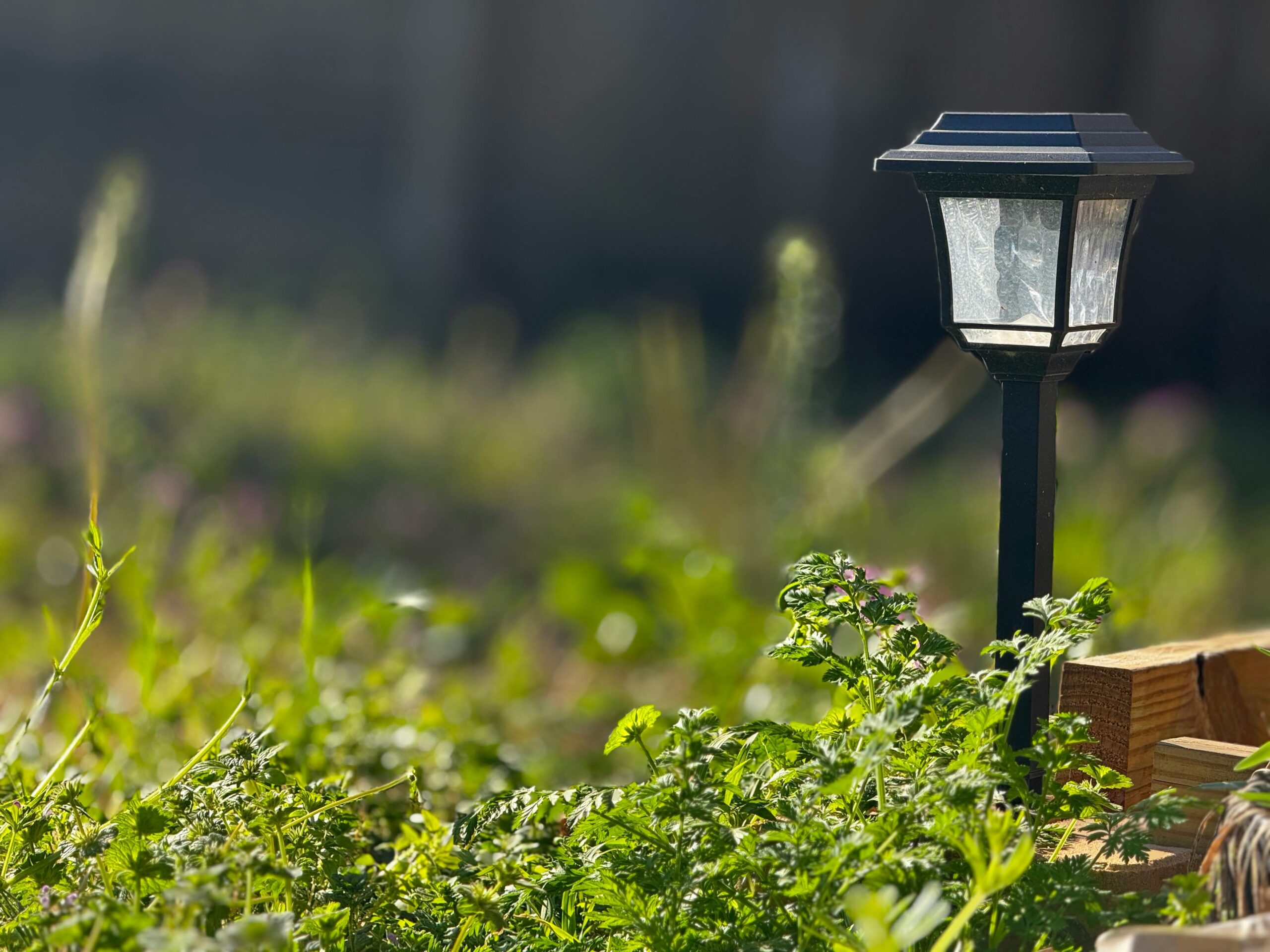
Solar lights for all weather are the one outdoor lighting solution that does not ask you to bring it inside when the forecast turns bad. Rain hits. Temperature drops. Clouds roll in for a week straight. A properly built all weather solar light keeps doing its job through all of it without you touching anything.
Most people who felt let down by solar lights in the past bought units that were never built for real outdoor conditions. They were decorative products dressed up as functional ones. The newer generation in 2026 is genuinely different. Better sealing. Stronger panels. Batteries that hold up when temperatures swing hard in either direction.
This article covers what makes a solar light truly weather resistant, which features to check before buying, and how to get reliable performance through every season.
Why Weather Resistance Matters More Than Most Buyers Realize
Solar lights for all weather need to handle more than just rain. A product sitting outside faces UV radiation baking the casing all summer. Frost cracking the seal in winter. Heavy rain forcing water into gaps around the panel and battery housing. Wind knocking the unit repeatedly against a hard surface.
A light rated only for light rain fails all of those tests eventually. The damage is gradual. The seal weakens. Water gets in. The battery corrodes. Performance drops and most buyers assume the product just wore out naturally when the truth is it was never rated for what it was asked to handle.
All weather solar lights are built with tighter tolerances from the start. The materials are chosen for temperature range, not just appearance. The seals are tested against pressure washing, not just drizzle. That difference shows in how long the product actually lasts.
What IP Ratings Actually Tell You About Solar Lights for All Weather
The IP rating on a solar light is the most direct indicator of how well it handles real outdoor conditions. IP stands for Ingress Protection. The two numbers after IP tell you separately how well the device resists solid particles and liquids.
For solar lights for all weather use, the liquid resistance number is what matters most. Here is what the numbers mean in practical terms.
IP44: Protects against water splashing from any direction. Handles light rain. Not suitable for heavy downpours or areas with heavy seasonal rainfall.
IP65: Protects against water jets from any direction. Handles heavy rain, garden sprinklers, and coastal humidity without degrading. This is the minimum rating worth considering for year-round outdoor use.
IP66: Handles powerful water jets. Suitable for exposed coastal locations, areas with heavy monsoon rainfall, or installations near sprinkler systems that run at higher pressure.
IP67: Survives temporary submersion up to one meter for thirty minutes. Useful for ground-level installations in areas prone to flooding or heavy surface water pooling.
IP68: Continuous submersion rated. Rarely necessary for standard outdoor lighting but useful for pond-edge or drainage-area installations.
For most buyers, IP65 covers all weather conditions reliably. If you live in a coastal area, a region with heavy seasonal storms, or somewhere that gets significant snowmelt pooling, IP66 or IP67 is worth the slightly higher price.
How Solar Lights for All Weather Handle Winter and Low Sun
Winter is where most solar lights fail and most buyers get disappointed. The days are shorter. The sun sits lower in the sky. Cloud cover stretches across weeks at a time in many regions. A solar light built only for summer performance runs flat through the cold months.
All weather solar lights 2026 models address this with three specific improvements.
Monocrystalline panels are now standard in quality all weather models. They convert diffuse light, the kind that comes through overcast cloud cover, into usable electricity more efficiently than older polycrystalline panels. On a fully overcast day a monocrystalline panel still charges the battery, slowly but consistently.
Lithium iron phosphate batteries handle cold temperatures significantly better than older battery types. Standard lithium ion batteries lose capacity fast when temperatures drop below freezing. Lithium iron phosphate maintains performance down to minus twenty degrees Celsius in most tested conditions, which covers winter conditions across most populated regions.
Low light charging mode is a feature appearing in more 2026 models. The device automatically reduces power draw on nights following poor charging days, extending runtime at reduced brightness rather than dying early. You get some light all night instead of full brightness for three hours and then nothing.
Solar Lights for All Weather in High Heat Conditions
Cold gets the most attention but heat damages solar lights too. Prolonged exposure to high temperatures degrades battery chemistry faster than normal cycling. UV radiation breaks down plastic casings over time. Poor ventilation inside the housing causes heat buildup that shortens component life noticeably.
Quality all weather solar lights use UV-stabilized polycarbonate or aluminum housing. These materials resist UV degradation and handle thermal expansion and contraction through repeated temperature cycles without cracking at the seams.
Battery management systems in 2026 models regulate charging rate when panel temperatures rise. Charging a battery too fast in high heat accelerates degradation. The management system slows the charge rate when it detects high thermal conditions, protecting battery life across hot summers.
If you live in a region with intense summer heat, look for models that specify operating temperature ranges. A unit rated for minus twenty to sixty degrees Celsius covers the full temperature range experienced in almost every climate on earth.
Key Features to Check in All Weather Solar Lights
Before buying solar lights for all weather use, run through these specific features on any product you are considering.
- IP rating: IP65 minimum for year-round reliability. IP66 or IP67 for coastal, storm-prone, or flood-risk locations.
- Battery type: Lithium iron phosphate for cold climate performance. Standard lithium ion loses capacity in freezing temperatures faster than most buyers expect.
- Panel type: Monocrystalline for better performance in low light and overcast conditions. This matters most in autumn and winter months.
- Housing material: UV-stabilized polycarbonate or aluminum. Avoid standard ABS plastic on products intended for year-round outdoor exposure.
- Operating temperature range: Check the specification sheet. A rated range of minus twenty to sixty degrees Celsius covers virtually all real-world conditions.
- Battery capacity: 2000mAh or above for overnight performance through short winter days. Smaller batteries run flat before morning in winter conditions.
- Auto-dimming function: Reduces brightness after a set period or on low-charge days to extend runtime. Useful in winter when full-charge days are rare.
Placement Tips That Make All Weather Solar Lights Perform Better
Even the best all weather solar light underperforms with poor placement. The product handles the weather. Your placement determines how well it charges and how useful the light output actually is.
Point the panel south if you live in the northern hemisphere. South-facing panels receive the most direct sunlight across the full year, not just in summer. In winter especially, a south-facing panel collects significantly more energy than an east or west facing one.
Tilt angle matters more in winter than summer. A panel lying completely flat collects less light in winter when the sun sits low. A tilt of 30 to 45 degrees toward the sun improves winter charging noticeably. Many 2026 models include adjustable panel brackets for exactly this reason.
Keep the panel clear of seasonal shade changes. A tree that loses its leaves in autumn blocks less light in winter but a nearby building or fence casts the same shadow year round. Walk your intended placement location at different times of day in different seasons before committing.
Height placement affects both light coverage and sensor performance. Security and motion sensor models work best mounted at 2.5 to 3 meters height. Garden and pathway lights perform best between ground level and one meter. Mounting a pathway light at security height wastes the output and vice versa.
Maintenance Through Changing Seasons
All weather solar lights need minimal but consistent maintenance to perform reliably year round.
Clean the solar panel surface at the start of each season. Spring brings pollen. Summer brings dust and bird activity. Autumn drops leaves and debris. Winter leaves frost residue and mineral deposits from rain. A damp cloth removes all of it in under a minute and restores full charging efficiency.
Check the seals and housing once a year. Look for cracks, gaps, or discoloration around the panel edges and housing joints. Minor seal damage is often fixable with outdoor-rated silicone sealant before water gets inside. Catching it early prevents a replacement purchase later.
Battery replacement every three to five years keeps the device performing like new. Lithium iron phosphate batteries degrade slowly, so the performance drop is gradual rather than sudden. When you notice the light dying noticeably earlier in the night than it used to, a new battery is almost always the fix.
Summary
Solar lights for all weather keep working through rain, frost, heat, and low winter sun when built with the right components. Check IP65 or above for waterproofing, choose lithium iron phosphate batteries for cold climates, and go with monocrystalline panels for overcast day charging. Place the panel south-facing with a tilt angle, clean it each season, and check seals annually. The right all weather solar light runs reliably through every season without ongoing cost or maintenance headaches.