Table of Contents
Solar lighting investment 2026 sits at an interesting crossroads. Electricity prices keep climbing. Governments worldwide are writing policy after policy pushing clean energy. And the cost of solar hardware has fallen so steeply over the past decade that what used to be expensive is now genuinely affordable for cities, businesses, and even regular homeowners.
So where is the real money? That is exactly what this article answers. No fluff, no vague promises. Just a clear picture of which parts of the solar lighting market are growing, who is spending, and where your investment attention belongs right now.
Why Solar Lighting Investment 2026 Deserves Your Attention
Here is a number worth sitting with. The global solar lighting system market is valued at $13.63 billion in 2026 and is heading toward $33.14 billion by 2034. That is more than double in under ten years. The compound annual growth rate sits at 11.75%, which is strong, consistent growth for any infrastructure-linked market.
What is driving this? A few things happening all at once. Electricity costs are up in most major economies. Governments are mandating lower carbon emissions. Solar panel and battery costs keep dropping year after year. And millions of rural communities that still lack reliable grid power are turning to solar lighting as their first real solution.
None of these drivers are going away. That is what makes solar lighting investment 2026 worth taking seriously, not just this year, but as a long-term position.
The Sectors Pulling the Most Investment Right Now
Solar Street Lighting
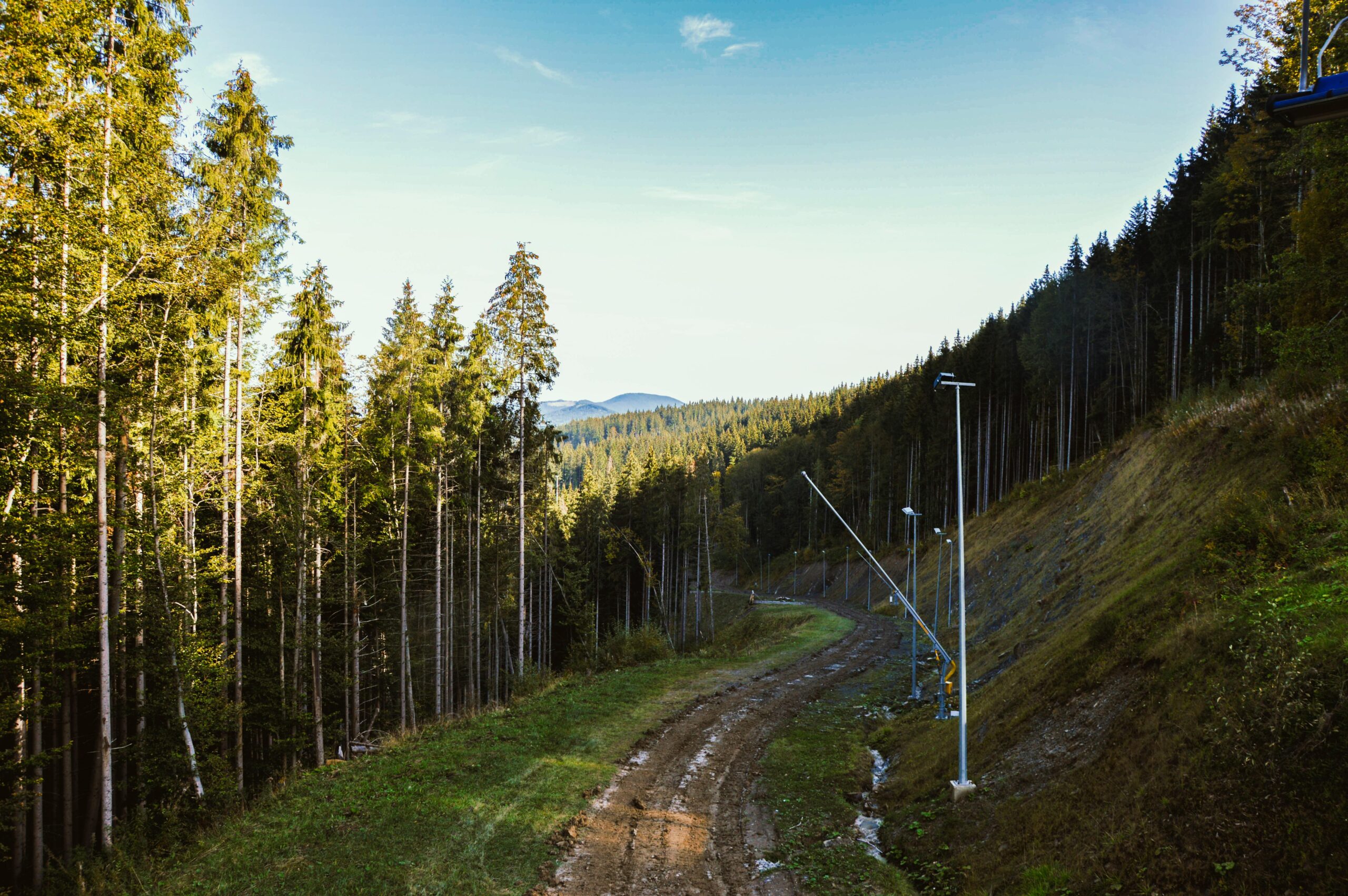
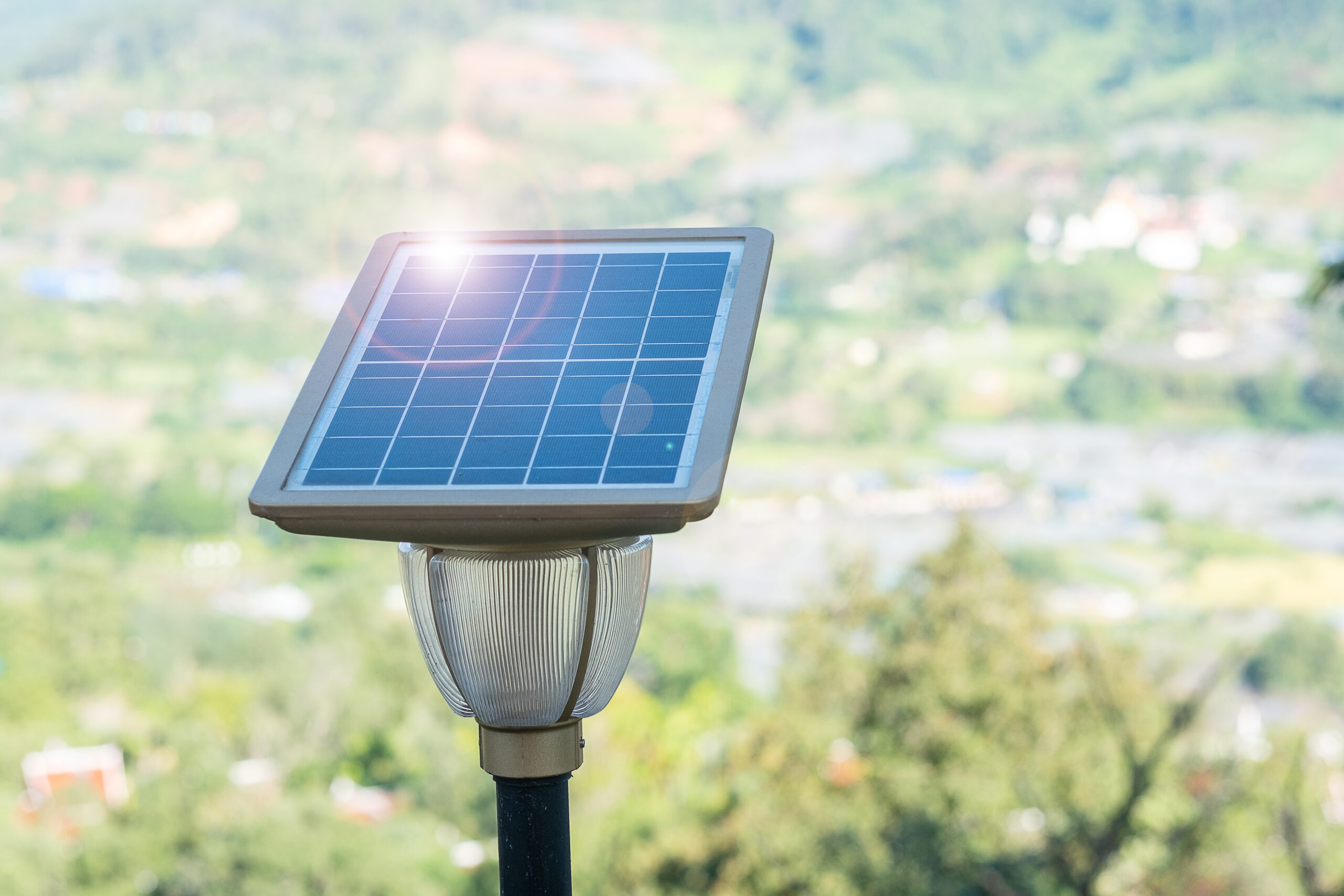
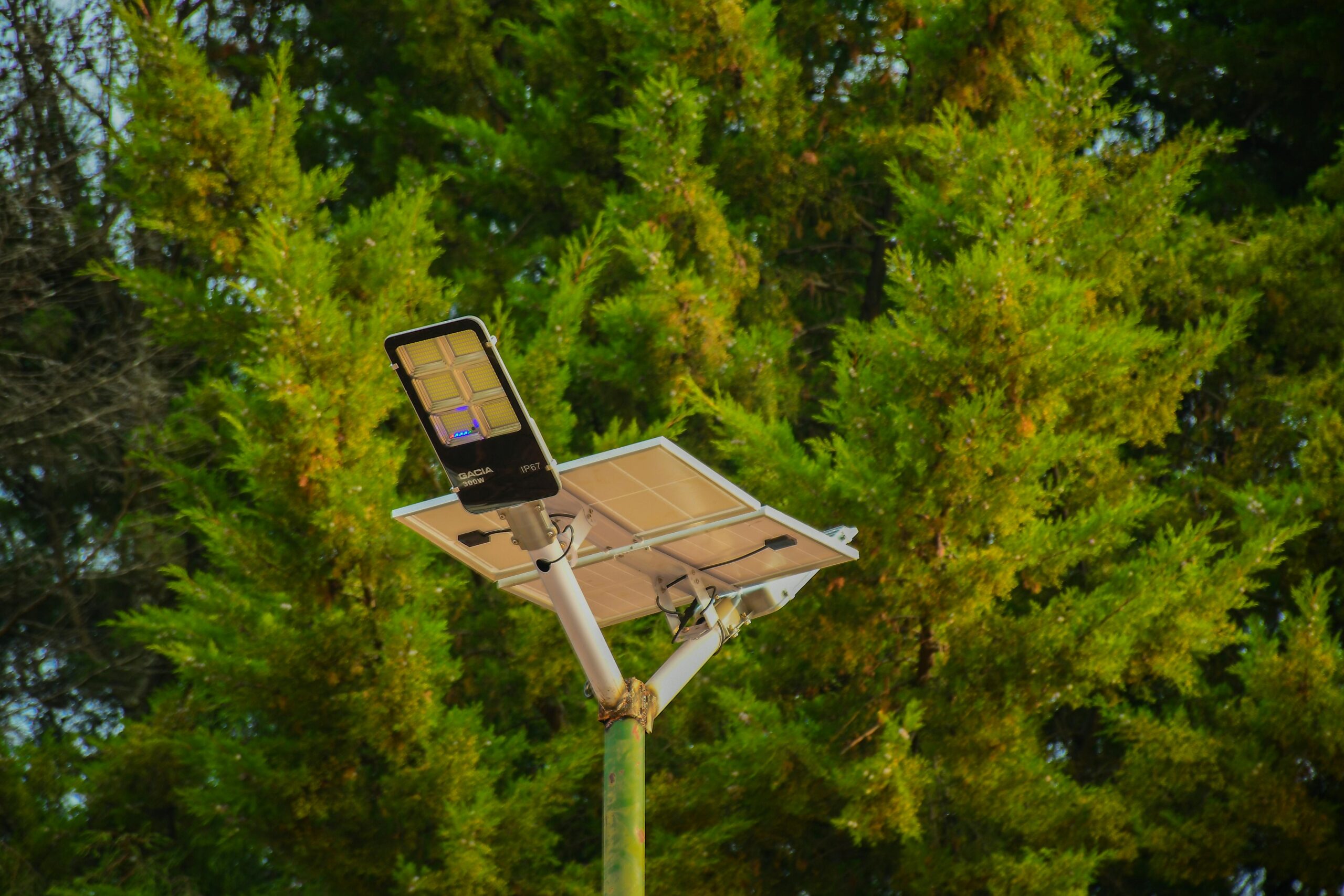
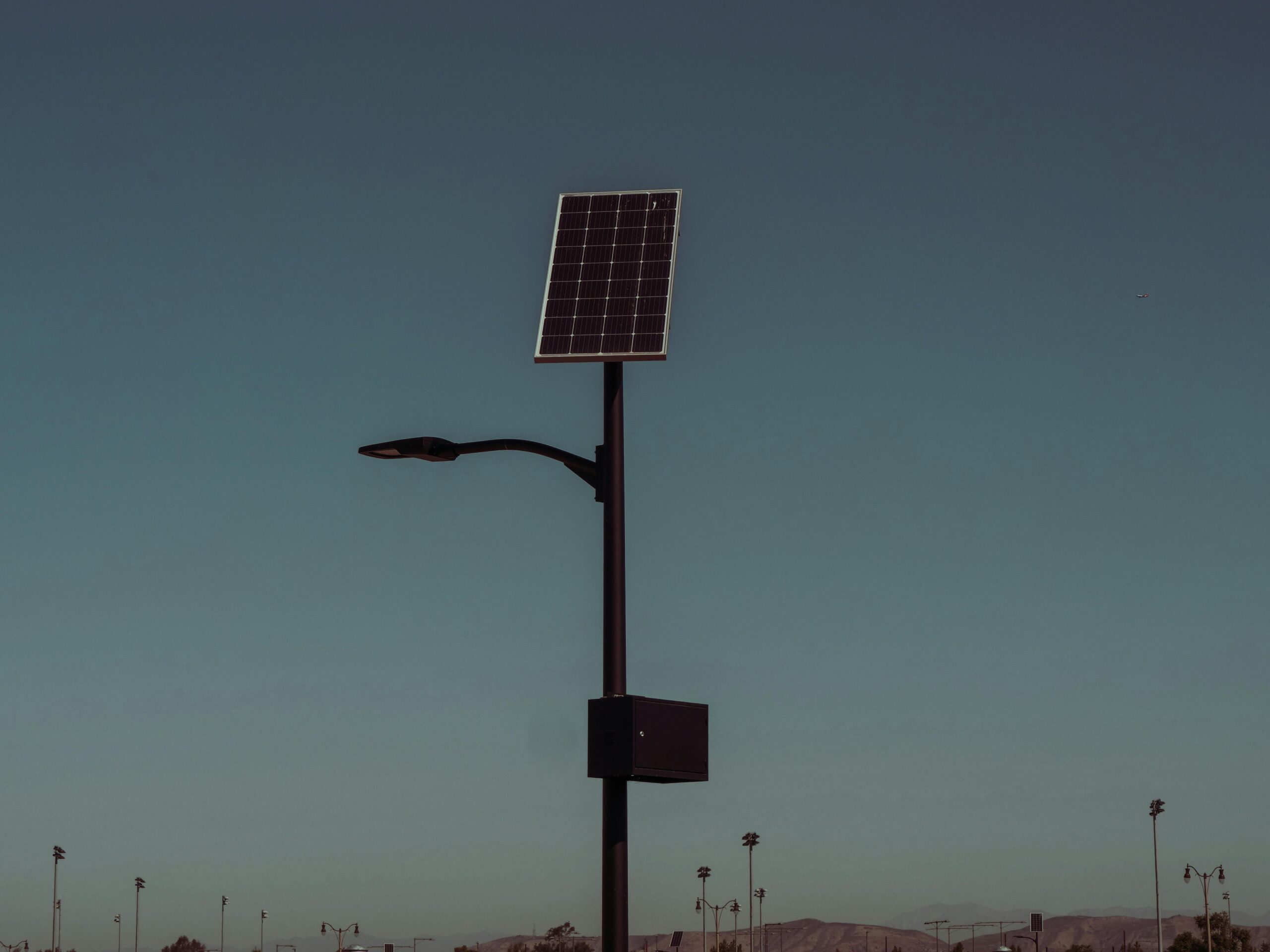
If you want to know where institutional money is flowing, solar street lighting is the answer. The global solar street lighting market alone is valued at $8.914 billion in 2026, with projections pointing toward $38.42 billion by 2035 at a CAGR of 17.6%.
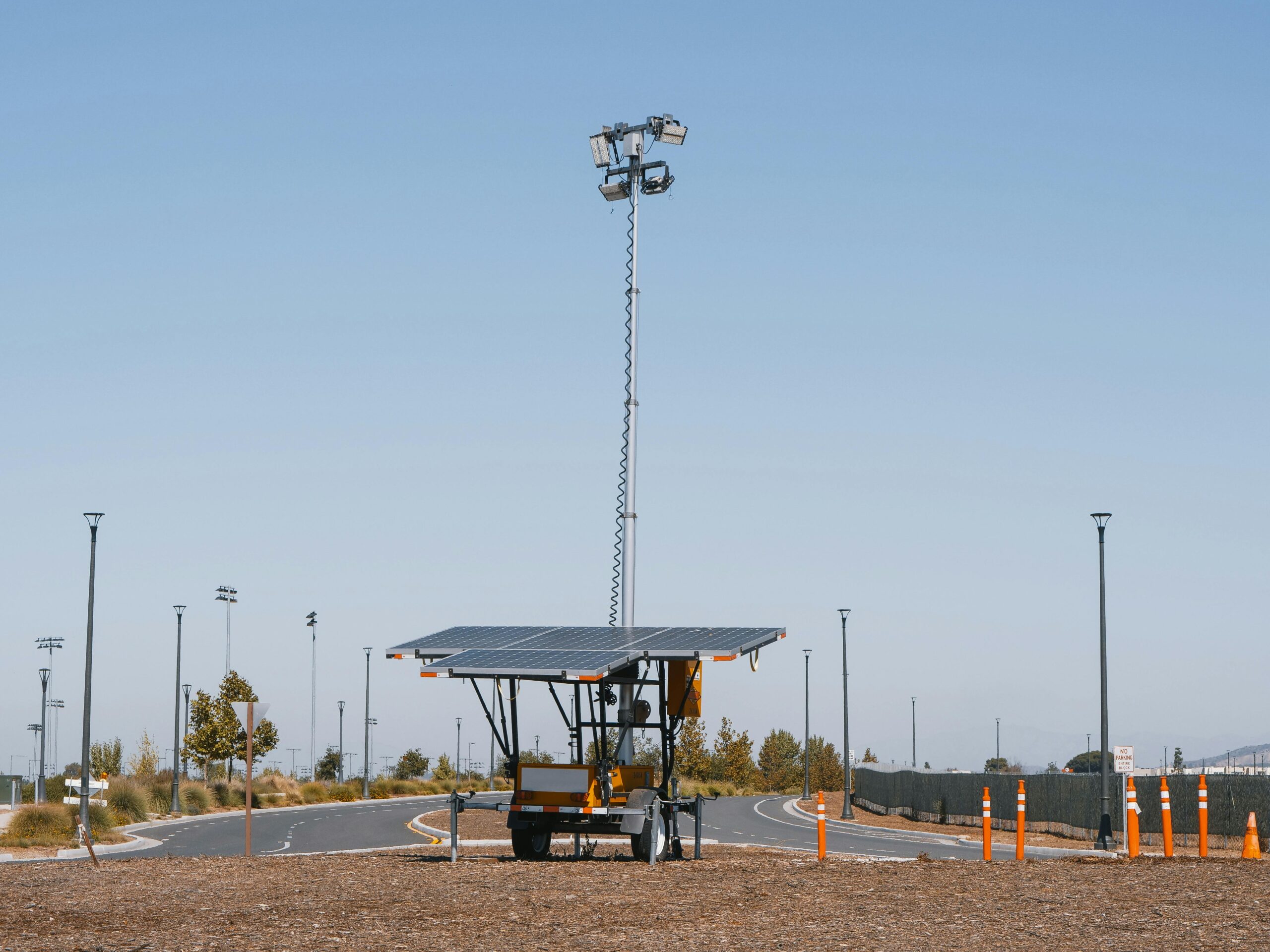
Cities in more than 65 countries have active solar street lighting programs running right now. Municipal governments are ripping out old grid-connected streetlights and replacing them with solar LED systems. The appeal is straightforward. Once installed, these systems run on free sunlight. Maintenance costs drop. Electricity bills disappear from the municipal budget. For governments watching public spending closely, this decision is easy.
For investors, government-backed infrastructure programs mean long contracts, predictable payment structures, and lower default risk compared to consumer-facing markets.
Off-Grid Solar Lighting
This is where you find the volume play. Hundreds of millions of households in Southeast Asia, Sub-Saharan Africa, Latin America, and South Asia still do not have reliable electricity. Solar lighting gives these communities something they have never had. Light after dark. Security. The ability to study, work, and run a small business past sunset.
Emerging markets are expected to account for more than 40% of global solar lighting demand in 2026. Procurement in these regions is shifting fast, moving away from expensive large-scale streetlight installations toward compact, modular, affordable solar lighting products that communities and local governments can buy and install quickly.
Investors targeting manufacturers and distributors serving these markets are sitting in front of enormous, durable demand.
Residential Solar Lighting
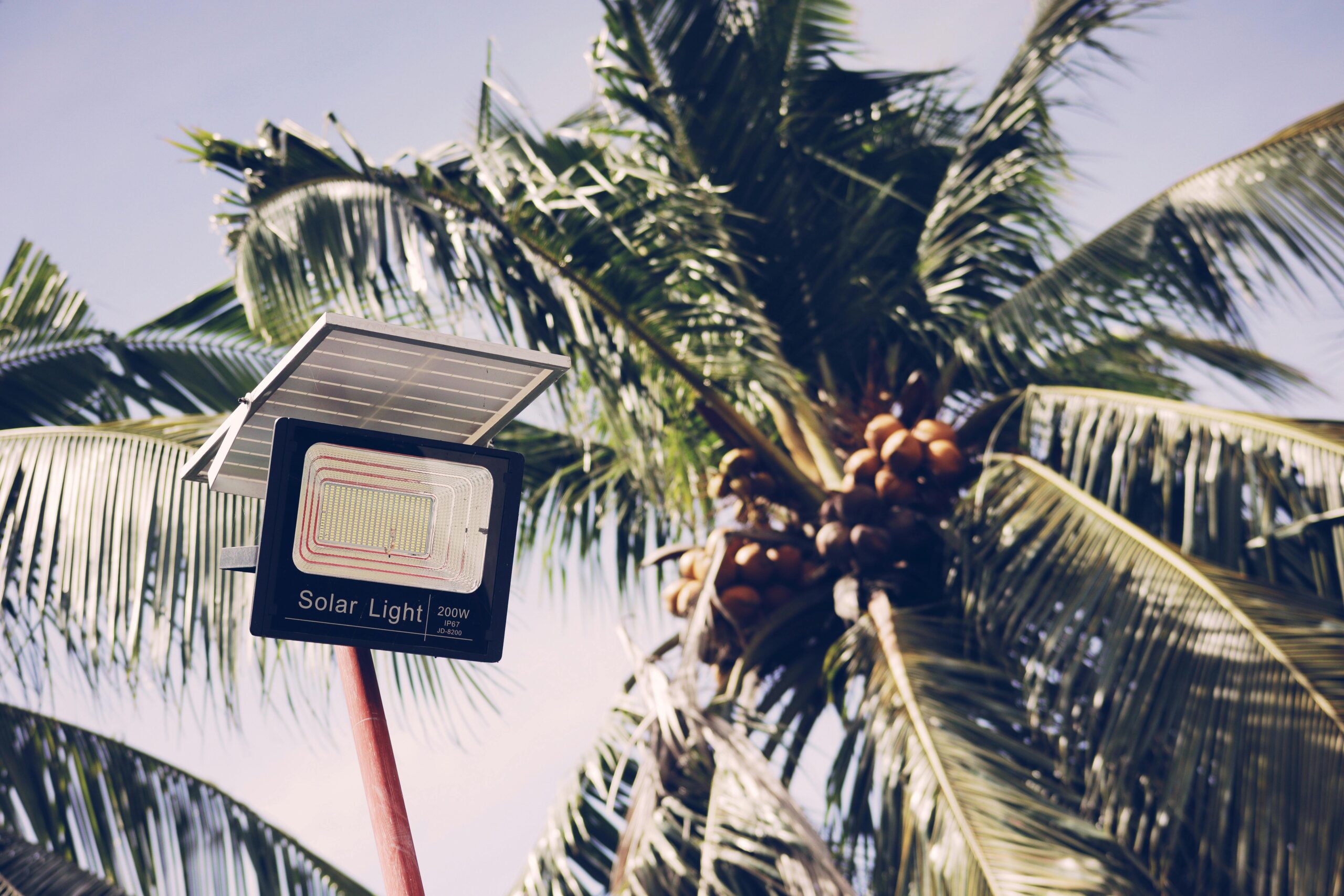
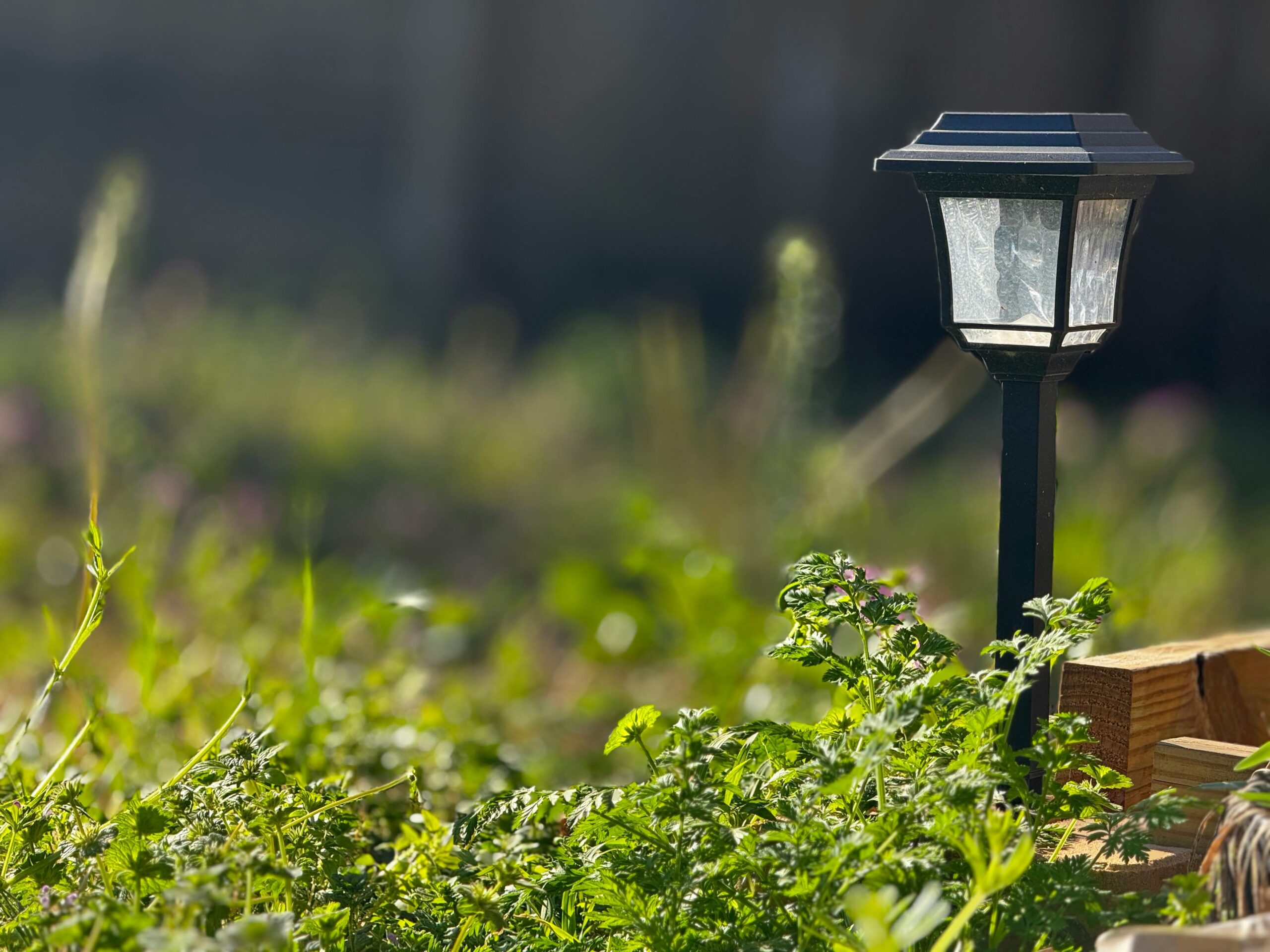
Walk through any suburban neighborhood and you start seeing them everywhere. Solar garden lights, pathway lights, motion-sensor security lights. Homeowners figured out years ago that solar-powered outdoor lighting costs nothing to run and needs almost no maintenance.
The residential segment holds the largest share of the broader solar light market. Consumer demand stays consistent regardless of economic cycles because the value proposition is immediate. You stop paying an electricity bill for your outdoor lighting the day the solar light goes in.
Product companies with strong retail distribution, good warranty support, and brand recognition are the ones capturing real margin in this segment.
Commercial and Industrial Solar Lighting
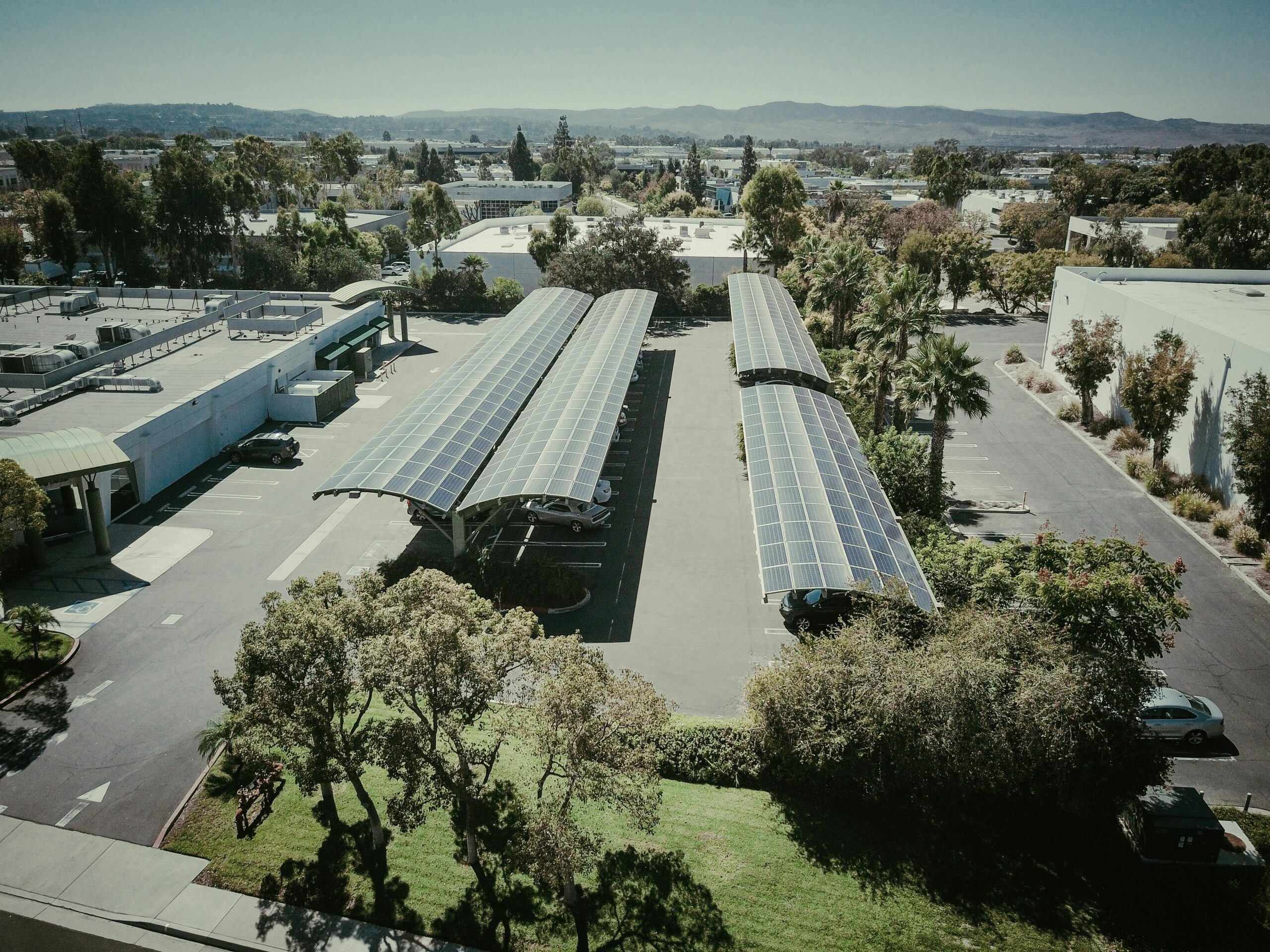
Large parking lots, warehouses, logistics parks, sports facilities, and commercial campuses represent serious square footage that needs lighting every single night. These buyers make purchasing decisions based on total cost of ownership, not just upfront price. When they run the numbers on solar versus grid electricity over ten years, solar wins clearly.
Solar LED systems above 150W capacity are growing fastest in this segment, driven by commercial buyers who need high-output, continuous lighting for large open areas. The contracts here are bigger, the volumes are larger, and the relationships tend to last.
Regions Where Solar Lighting Investment Is Strongest
Asia-Pacific
Asia-Pacific holds approximately 48% of the global solar street lighting market share. China and India are the twin engines here. Both governments are deploying solar lighting at scale across highways, public spaces, and rural areas. Manufacturing is also centered here, which keeps supply chain costs manageable for companies building out their product lines.
North America
Federal infrastructure spending in the United States, backed by significant legislative budgets, is unlocking between $800 million and $1.2 billion specifically for solar street lighting upgrades. American cities are scaling from small pilot projects to city-wide deployments. This is a market with government money behind it, which creates stable and attractive investment conditions.
Europe
Strict environmental regulations across the European Union are forcing municipalities and businesses to upgrade old lighting infrastructure. Europe pays premium prices for products that meet high efficiency and compliance standards. Suppliers who meet those standards earn strong margins and long-term supply relationships.
The Technologies Shaping Returns in Solar Lighting
Technology matters in this market. The products and systems that perform best financially are the ones built on the right technology stack.
LED Light Sources
LED technology now accounts for roughly 72% of all solar lighting installations worldwide. Long lifespan, low energy draw, and falling manufacturing costs make LED the clear default for any solar lighting product. Investing in solar lighting businesses still using older bulb technology is a mistake.
Smart IoT Controls and Motion Sensors
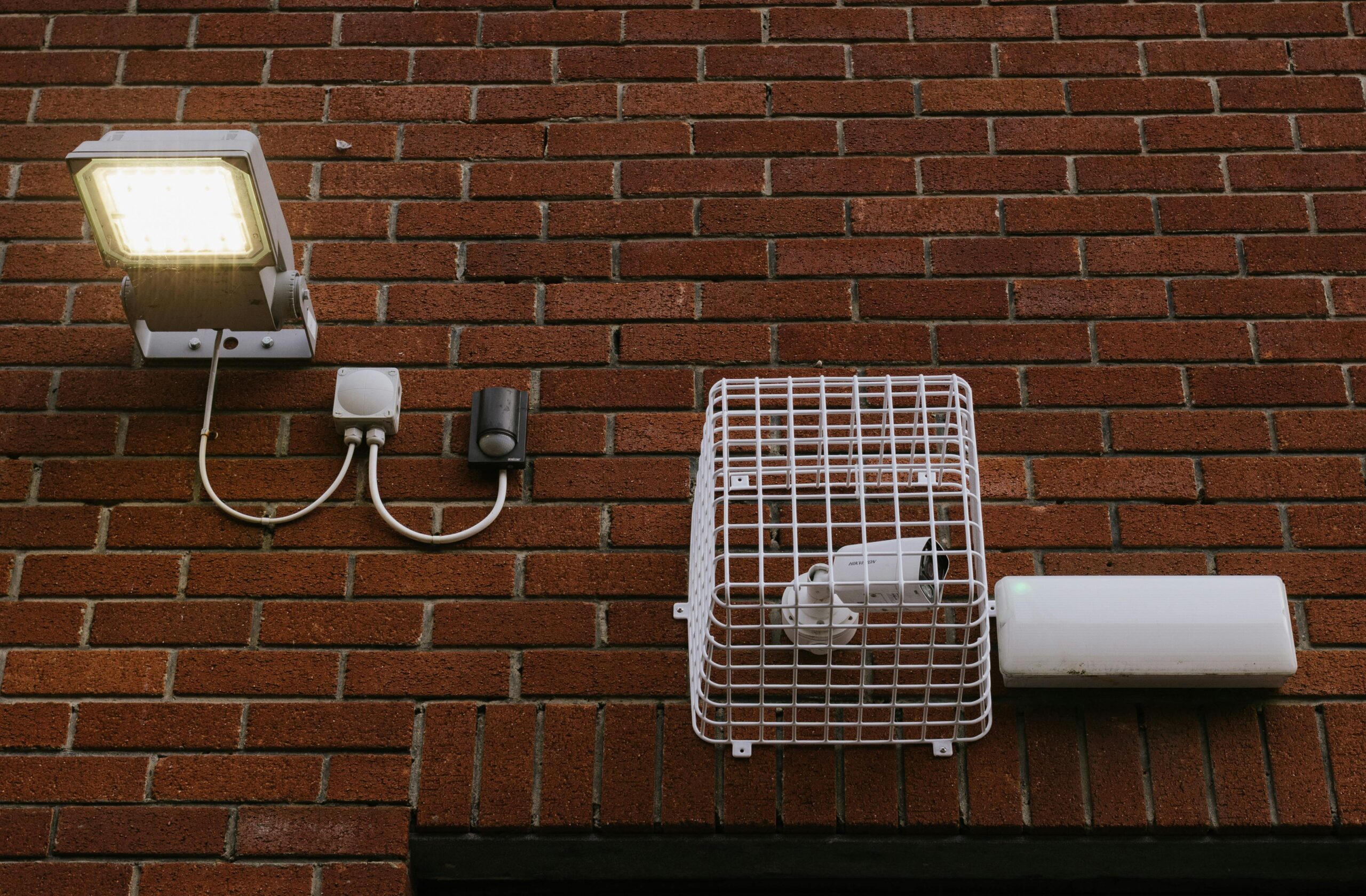
Smart solar lighting systems with IoT connectivity, remote monitoring, and motion sensors are gaining adoption fast. Motion sensors alone cut energy consumption by around 40% per system. About 34% of current solar street lighting investment is going into smart lighting solutions. Suppliers in this space are ahead of where the market is going.
Lithium-Ion and LiFePO4 Battery Storage
The battery inside a solar light is what makes the whole system work. Lithium-ion batteries now appear in about 68% of all solar lighting installations, with lithium iron phosphate variants growing quickly due to better thermal safety and longer service life. Battery quality is what separates reliable solar lighting products from the cheaper options that fail within two years.
Risks You Cannot Afford to Ignore
Solar lighting investment 2026 is attractive, but it is not without real challenges. Go in with your eyes open.
- High upfront installation costs still push smaller buyers and developing-market communities toward cheaper, lower-quality alternatives.
- Battery replacement costs add to total lifetime ownership expenses and affect how quickly investors recover their capital.
- Supply chain concentration remains a concern, with most finished solar lighting units imported from a small number of countries, creating tariff and logistics exposure.
- Policy changes in key markets like the United States have created short-term uncertainty for some investment categories within the broader solar sector.
- Inconsistent sunlight in certain geographies reduces system performance below projections, which affects return timelines for location-specific investments.
Understanding these risks helps you ask better questions before committing capital.
Where to Point Your Money in Solar Lighting Investment 2026
The overall direction of this market is not in question. What matters is how you enter it.
- Solar street lighting developers and project financiers offer stable, government-contract-backed returns.
- Off-grid solar lighting distributors serving emerging markets offer high volume with strong underlying demand.
- Residential solar lighting brands with good distribution and product quality benefit from steady consumer pull.
- Smart lighting technology companies are positioned at the fastest-growing part of the market right now.
Solar lighting investment 2026 rewards people who pick their segment deliberately. The money is real. The growth is real. Your job is to find the entry point that fits what you are actually trying to build.
Summary
Solar lighting investment 2026 is attracting serious attention from individual investors, businesses, and governments worldwide. The global solar lighting market is valued at over $13 billion this year and is growing at a double-digit rate. From solar street lights to off-grid home systems, every segment is expanding. This article breaks down the biggest opportunities, the regions leading growth, the product types gaining traction, and the risks you need to understand before you invest your money in solar lighting this year.